Press Brake Alignment Checks: Maintenance Steps for Precision Bending


The Critical Role of Press Brake Alignment Checks: Maintenance Steps for Precision Bending
In the high-stakes world of metal fabrication, precision is not just a goal; it is a requirement. When working with heavy-duty industrial machinery like the HARSLE press brake, the difference between a perfect 90-degree bend and a costly piece of scrap metal often comes down to fractions of a millimeter. This is where the concept of Press Brake Alignment Checks: Maintenance Steps Precision Bending becomes the cornerstone of your workshop’s success. Proper alignment ensures that the force exerted by the hydraulic system is distributed evenly across the workpiece, preventing deformities and ensuring repeatability across thousands of cycles.
Maintaining a press brake involves more than just wiping down the surfaces. It requires a systematic approach to mechanical, hydraulic, and electrical systems. Without regular alignment checks, components such as the ram, the bed, and the backgauge can drift out of sync due to thermal expansion, vibration, or simple wear and tear. This article provides an exhaustive guide on how to implement a rigorous maintenance routine that prioritizes alignment, ensuring your equipment remains a reliable asset for years to come.
Why Maintenance and Alignment Matter in Modern Fabrication
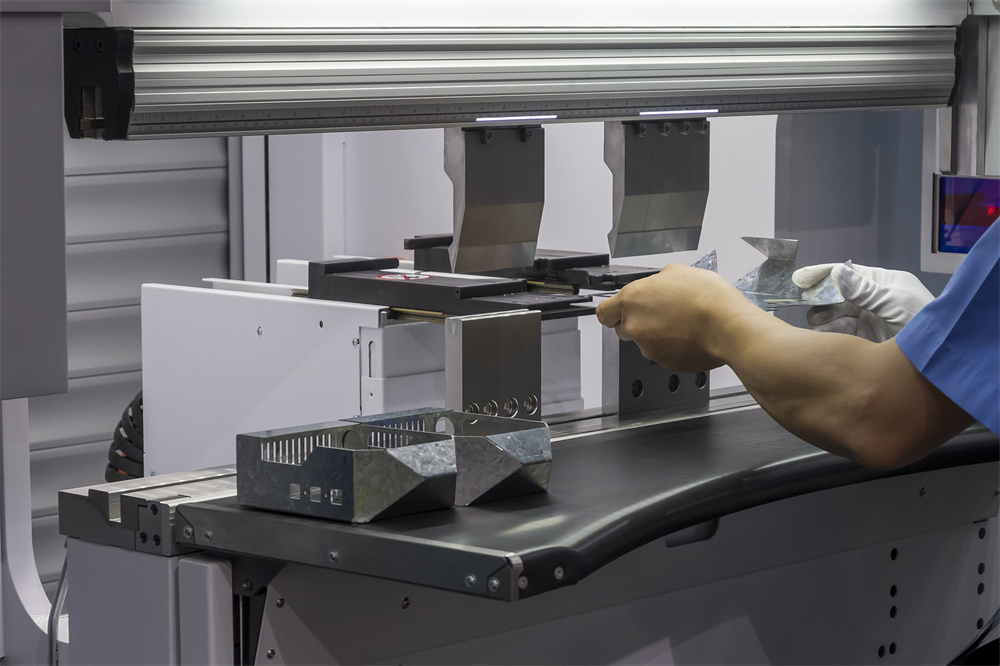
The importance of maintenance cannot be overstated. A well-maintained press brake operates with higher efficiency, consumes less energy, and, most importantly, provides a safer environment for the operator. When alignment is neglected, the machine must work harder to achieve the same results, leading to premature failure of hydraulic seals and structural fatigue in the frame. Furthermore, precision bending is impossible if the ram and the bed are not perfectly parallel. Even a slight tilt can cause ‘canoeing’ or uneven angles along the length of a long part.
From an economic perspective, the ROI of a press brake is tied directly to its uptime. Unexpected breakdowns are expensive, not just in terms of repair costs but in lost production time. By following a structured alignment and maintenance plan, fabricators can transition from reactive repairs to proactive optimization. This shift ensures that every bend meets the tight tolerances required by industries such as aerospace, automotive, and medical device manufacturing.
Daily Inspection: The First Line of Defense
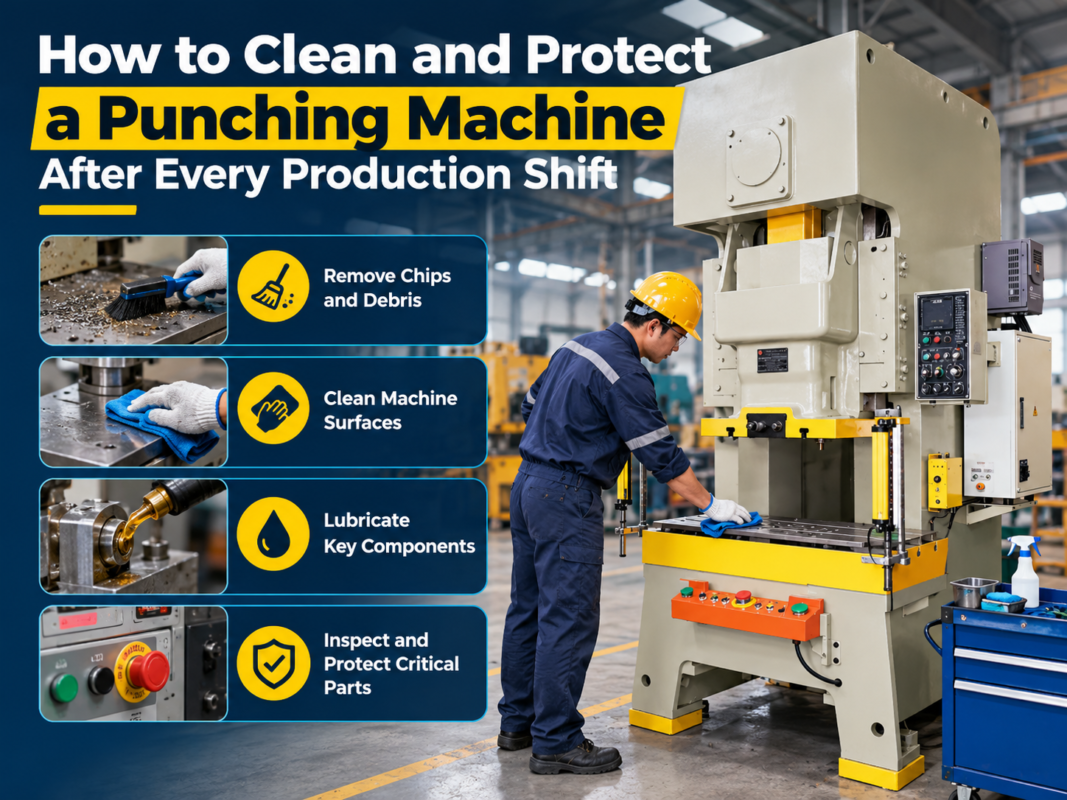
Daily inspections are the most effective way to catch minor issues before they escalate into major failures. Every shift should begin with a visual and functional walkthrough of the machine. Operators should check for any signs of oil leaks around the cylinders and hoses. Hydraulic fluid is the lifeblood of the press brake, and even a small leak can lead to a loss of pressure, which directly impacts the accuracy of the bend. Additionally, the work area must be kept clean; metal shavings or dust buildup on the guides can cause friction and misalignment over time.
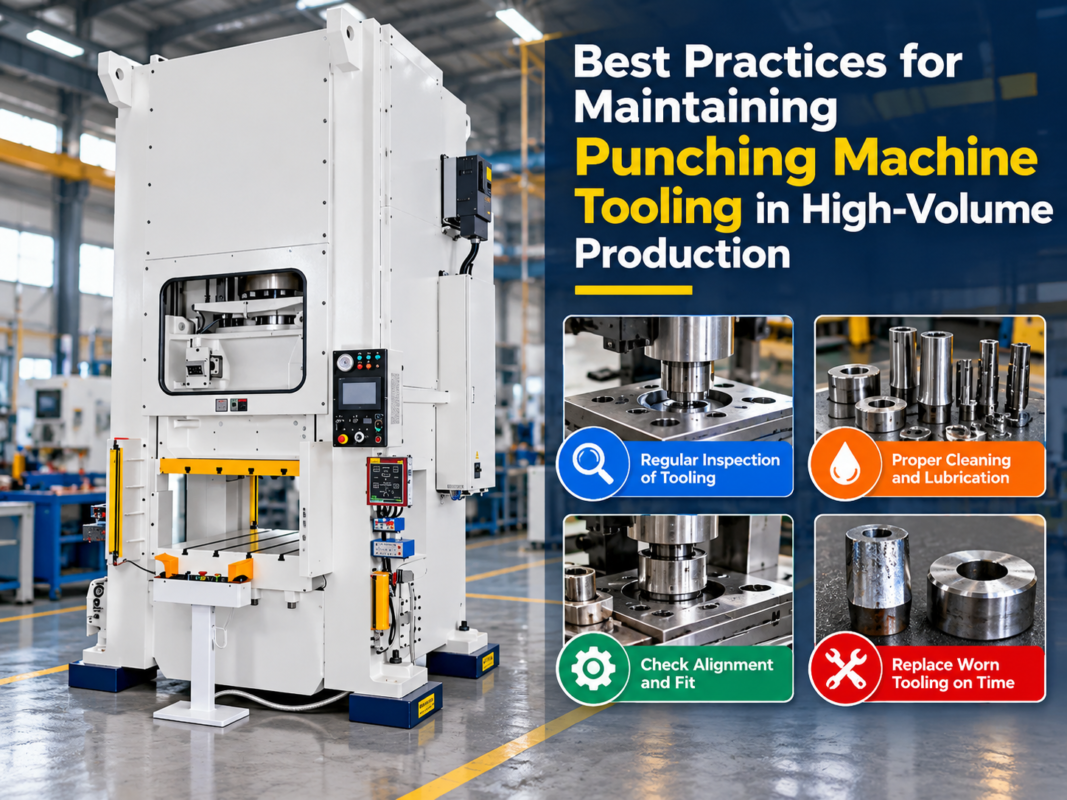
Safety devices are another critical component of the daily check. Ensure that light curtains, emergency stop buttons, and foot pedals are functioning correctly. A machine that is out of alignment may also trigger safety sensors if the ram’s travel is uneven. Beyond safety, the operator should inspect the tooling. Worn or chipped dies and punches will negate even the most perfect machine alignment. Cleaning the bed and the ram’s clamping surface ensures that the tools sit flush, which is the first step in achieving Press Brake Alignment Checks: Maintenance Steps Precision Bending.
Hydraulic System Checks: Ensuring Consistent Pressure
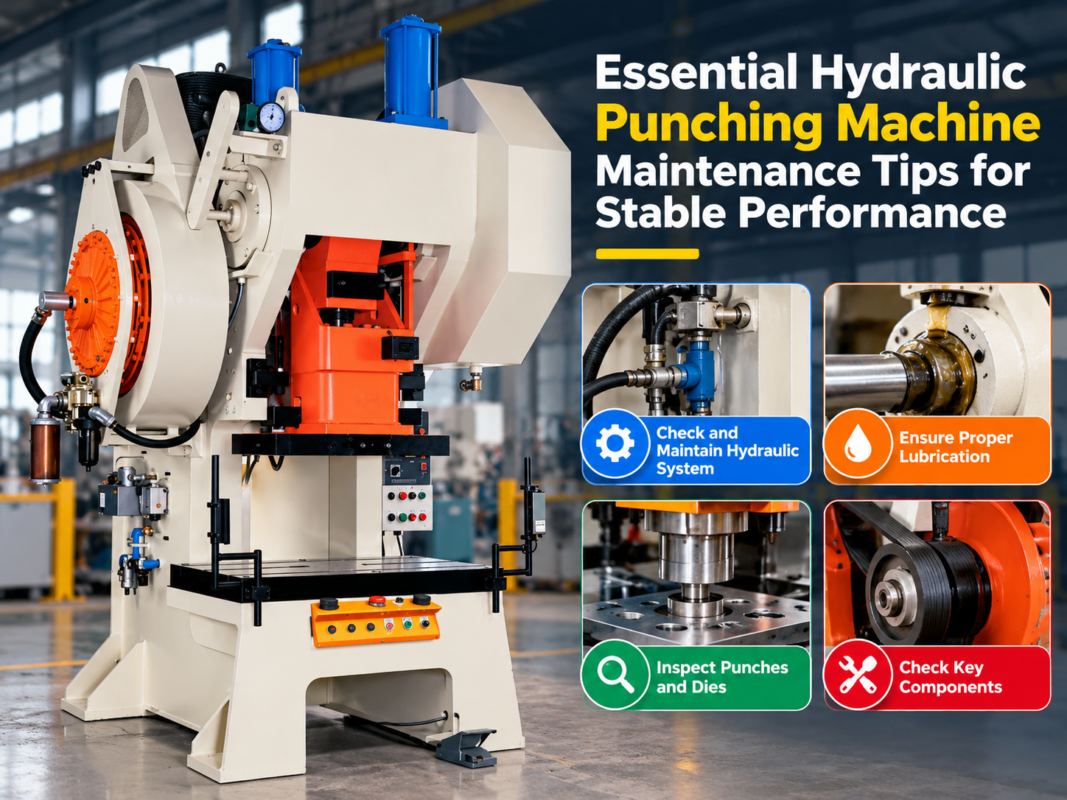
The hydraulic system is responsible for the brute force and the delicate control of the press brake. To maintain precision, the hydraulic oil must be at the correct level and temperature. Cold oil has a different viscosity than warm oil, which can affect the ram’s speed and positioning. Most modern HARSLE machines include temperature sensors, but operators should still allow a warm-up period before starting high-precision jobs. Check the oil filters regularly; contaminated oil can damage the proportional valves, which are responsible for the synchronized movement of the dual cylinders.
Air in the hydraulic lines is a common enemy of alignment. If one cylinder has trapped air, it may respond slower than the other, causing the ram to tilt. Bleeding the system and checking the integrity of the seals should be part of the monthly deep-dive maintenance. Furthermore, the pressure settings should be verified against the manufacturer’s specifications. Over-pressurizing the system doesn’t just risk damaging the machine; it can cause the frame to deflect beyond its compensated limits, leading to inaccurate bends.
Electrical and CNC Controller Maintenance
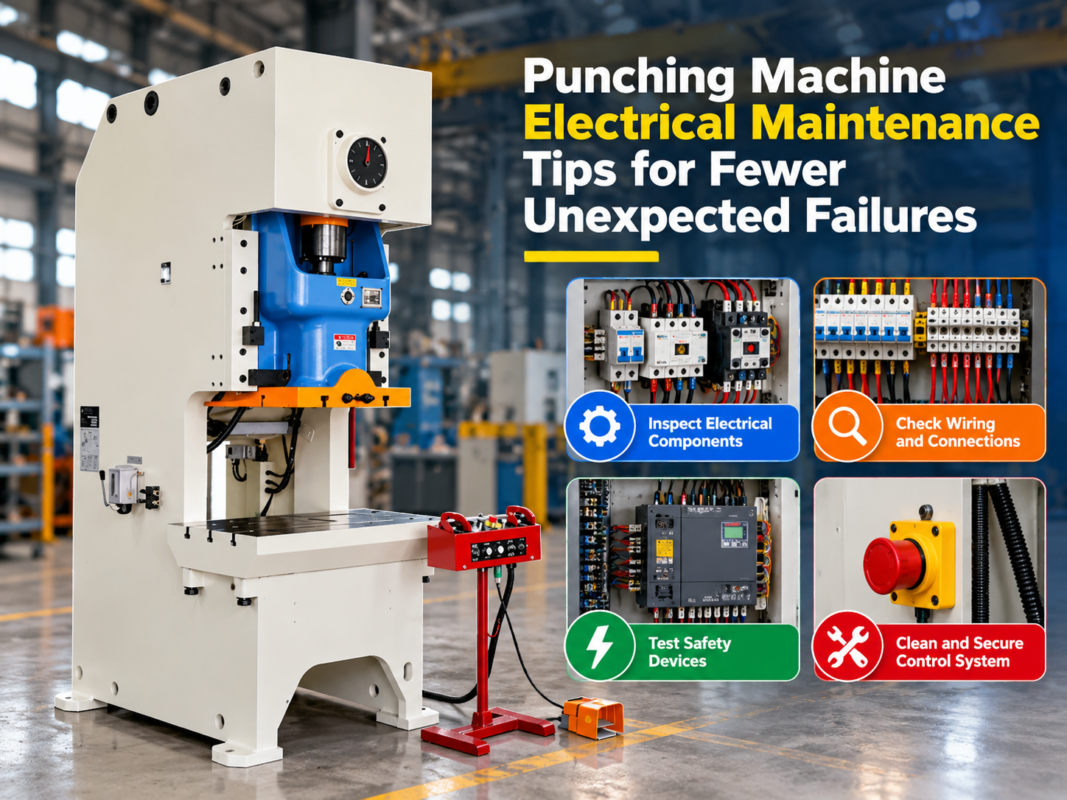
In the era of Industry 4.0, the electrical system and the CNC controller are the brains of the press brake. Alignment is often managed digitally through the controller’s Y1 and Y2 axis parameters. Regularly backing up the machine’s parameters is essential. If a power surge or electronic glitch occurs, having a backup ensures you can restore the precise calibration settings without having to perform a full manual realignment from scratch. Inspect the electrical cabinet for dust and ensure that cooling fans are operational to prevent overheating of the motor drives.
Sensors and encoders are the components that tell the CNC exactly where the ram and backgauge are located. If these sensors become dirty or loose, the feedback loop is broken, and the machine will lose its ‘zero’ point. Periodically cleaning the linear scales with the recommended solvent and checking the tightness of the mounting brackets will prevent ‘drift’ in the bending dimensions. Electrical connections should also be checked for tightness, as vibrations from heavy bending can loosen terminals over time, leading to intermittent signals and frustrating troubleshooting sessions.
Mechanical Alignment: The Core of Precision Bending
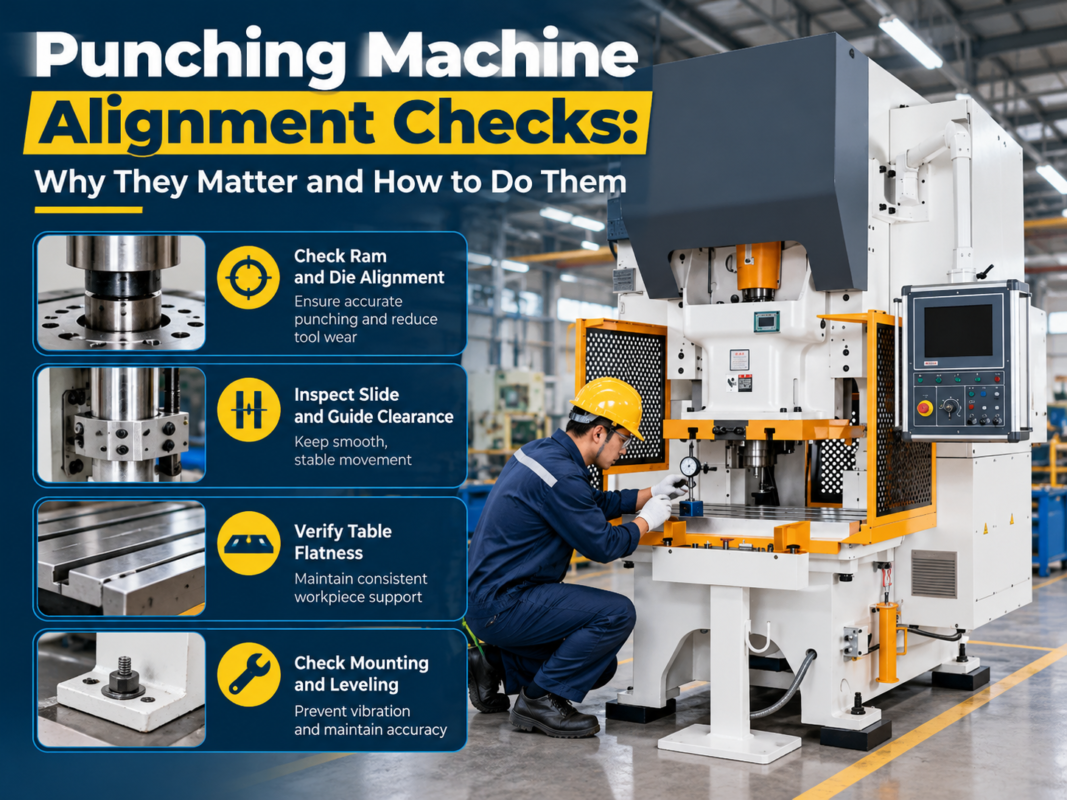
Mechanical alignment is perhaps the most technical aspect of Press Brake Alignment Checks: Maintenance Steps Precision Bending. This involves checking the parallelism of the ram to the bed. Using high-precision dial indicators, a technician should measure the distance between the ram and the bed at both ends of the machine. If the measurements differ, the Y1/Y2 synchronization needs adjustment. On many HARSLE models, this can be adjusted through the CNC interface, but mechanical adjustments to the gibs may also be necessary.
The gibs are the guide systems that keep the ram moving in a perfectly vertical plane. Over time, these can wear down, allowing the ram to ‘play’ or move slightly forward and backward. Adjusting the gib clearance to the manufacturer’s specifications (usually a few thousandths of an inch) is vital for maintaining the angular accuracy of the bend. Additionally, the backgauge (X, R, and Z axes) must be squared to the center of the tooling. A backgauge that is slightly crooked will result in parts that are out of square, regardless of how accurate the ram’s stroke is.
The Lubrication Plan: Reducing Friction and Wear
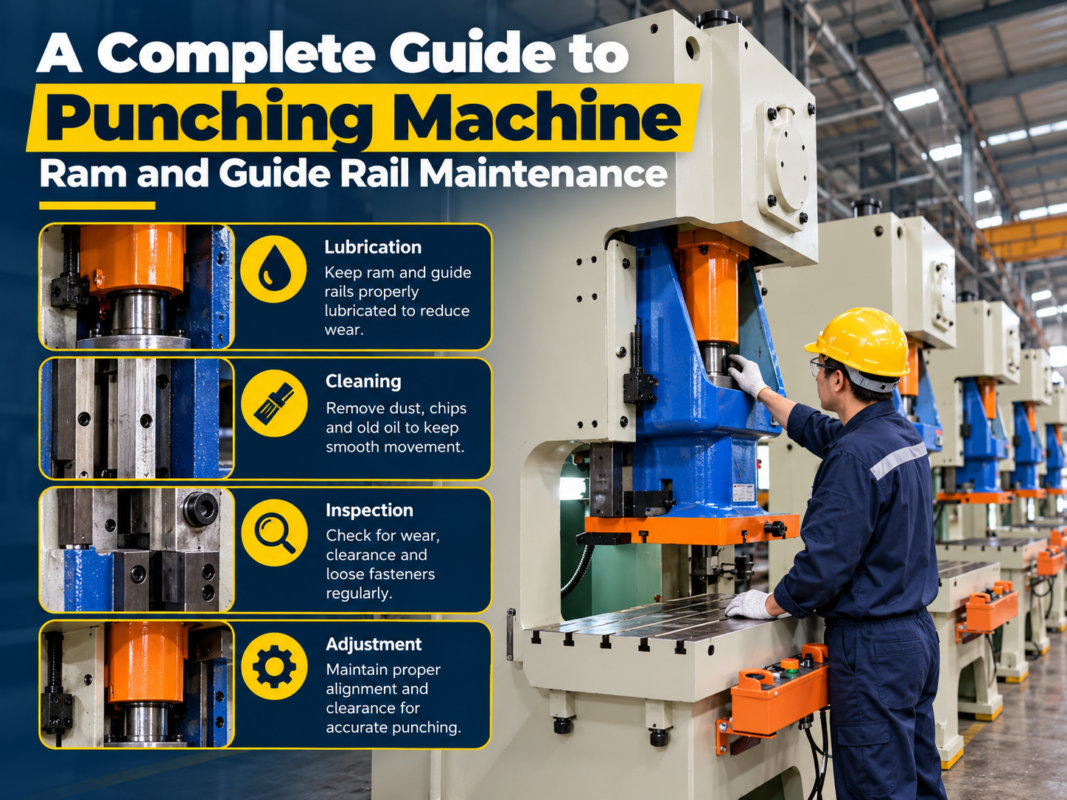
A comprehensive lubrication plan is the best way to prevent mechanical misalignment caused by wear. Press brakes have several moving parts that are under immense pressure, including the ram guides, backgauge ball screws, and pivot points. Using the correct type of lubricant is crucial; typically, a high-pressure grease containing molybdenum disulfide is recommended for the guides. Automated lubrication systems should be checked to ensure all lines are clear and delivering grease to the intended points.
Manual lubrication points should not be overlooked. A common mistake is over-lubricating, which can attract dust and create an abrasive paste, or under-lubricating, which leads to metal-on-metal contact. Following a strict schedule—such as greasing the backgauge screws weekly and the ram guides daily—will ensure that the mechanical components move smoothly. Smooth movement translates to predictable positioning, which is the essence of precision bending.
Troubleshooting Signals: When to Stop and Realign
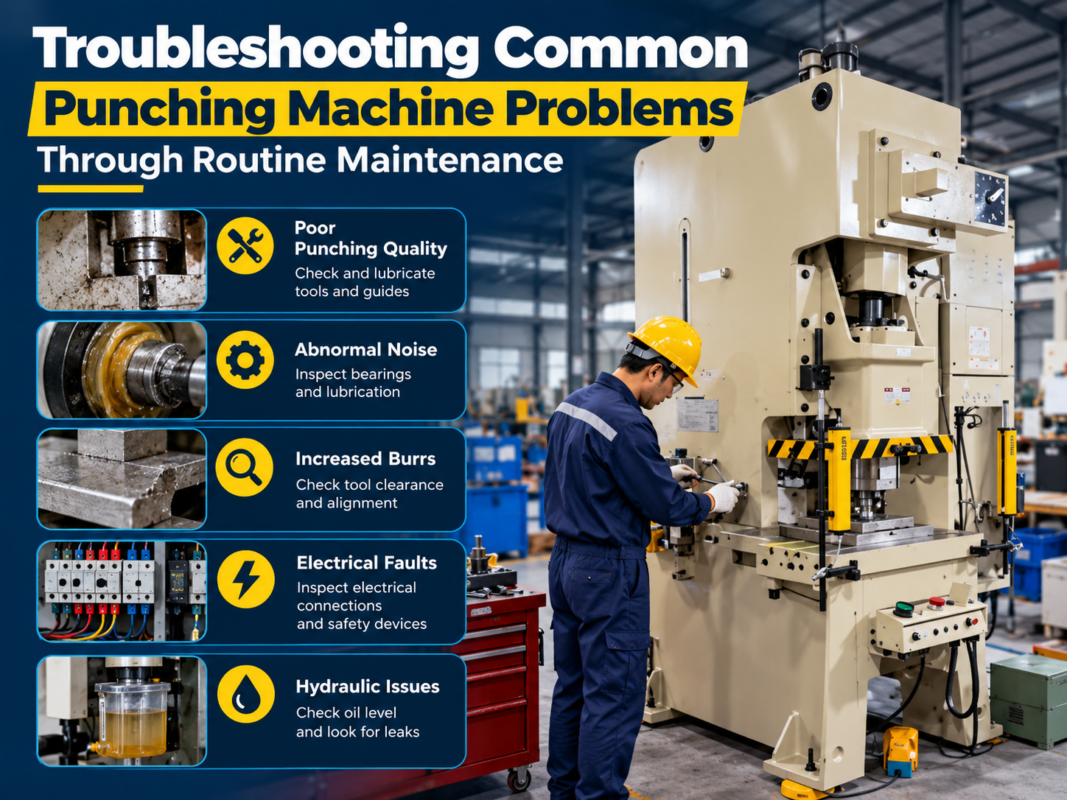
Operators should be trained to recognize the early warning signs of misalignment. Unusual noises, such as squealing or grinding, often indicate a lack of lubrication or a mechanical obstruction. If the machine starts producing inconsistent angles—for example, the left side of a part is 90 degrees but the right side is 91 degrees—this is a clear signal that the ram parallelism is off. Another red flag is excessive heat in the hydraulic tank, which might suggest a valve is stuck or the pump is working against a blockage.
Vibration is another key indicator. While some vibration is normal during a heavy bend, excessive shaking can loosen the bolts that hold the tooling or the backgauge in place. If the backgauge fingers are difficult to move or make a clicking sound, the ball screws may be misaligned or contaminated. Addressing these signals immediately prevents ‘cascading failures’ where one misaligned part causes damage to several others. Regular Press Brake Alignment Checks: Maintenance Steps Precision Bending act as a diagnostic tool to keep these issues at bay.
Comprehensive Maintenance Schedule Table
To help manage these tasks, use the following table as a template for your maintenance department. Consistency is the key to long-term machine health.
| Frequency | Task Category | Specific Action |
|---|---|---|
| Daily | Safety & Cleanliness | Check light curtains, clean bed/tooling, inspect for leaks. |
| Daily | Lubrication | Check automatic lube levels, wipe and grease ram guides. |
| Weekly | Mechanical | Inspect backgauge for debris, check tool clamping tightness. |
| Monthly | Hydraulic | Check oil level/color, inspect hoses for wear, clean air filters. |
| Quarterly | Alignment | Verify ram parallelism with dial indicators, check backgauge squareness. |
| Semi-Annually | Electrical | Tighten electrical terminals, clean CNC cooling fans, backup parameters. |
| Annually | Deep Service | Change hydraulic oil and filters, professional calibration check. |
Frequently Asked Questions (FAQ)
1. How often should I check the alignment of my press brake?
For high-precision work, a quick check of the ram parallelism should be done weekly. A comprehensive alignment check, including the backgauge and gib adjustments, should be performed quarterly or whenever you notice a trend in inaccurate bends.
2. What is the most common cause of misalignment?
The most common causes are uneven wear on the tooling, loose bolts due to vibration, and thermal expansion of the hydraulic oil. Inconsistent material thickness can also give the appearance of machine misalignment.
3. Can I perform alignment checks myself, or do I need a technician?
Basic checks like ram parallelism and backgauge squareness can be performed by a trained operator or in-house maintenance team. However, complex adjustments to the hydraulic valves or structural gibs are best left to certified technicians to avoid damaging the machine.
4. How does ‘crowning’ affect alignment?
Crowning is a system used to compensate for the natural deflection of the machine frame under load. If your crowning system is not calibrated correctly, the center of your bend will differ from the ends, which can be mistaken for a general alignment issue.
5. Does the type of material affect the maintenance schedule?
Yes. Working with abrasive materials like hot-rolled steel with heavy scale will require more frequent cleaning and lubrication of the guides and tooling compared to working with clean aluminum or stainless steel.
Conclusion: The Path to Bending Excellence
Mastering Press Brake Alignment Checks: Maintenance Steps Precision Bending is an ongoing commitment to quality. By integrating these steps into your daily and monthly routines, you ensure that your HARSLE press brake remains a precision instrument rather than just a blunt force tool. Precision bending reduces waste, improves customer satisfaction, and protects your investment. Remember, a machine that is cared for will always return the favor with reliable, accurate performance on every shift.