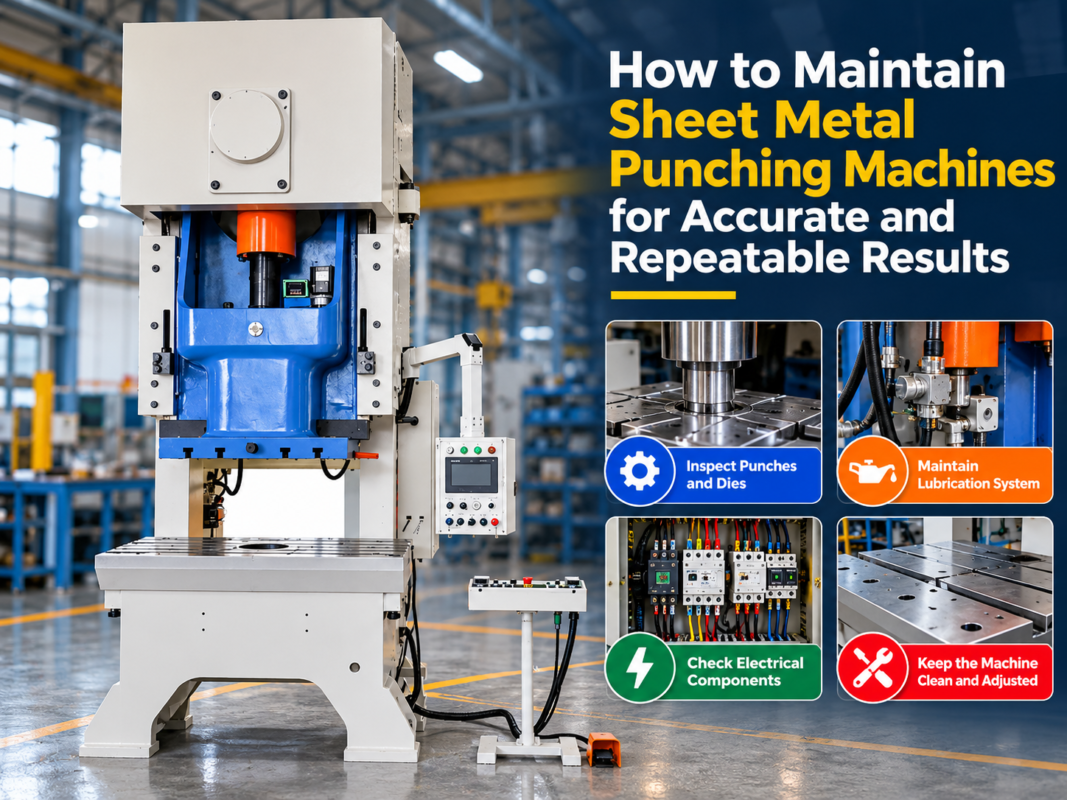
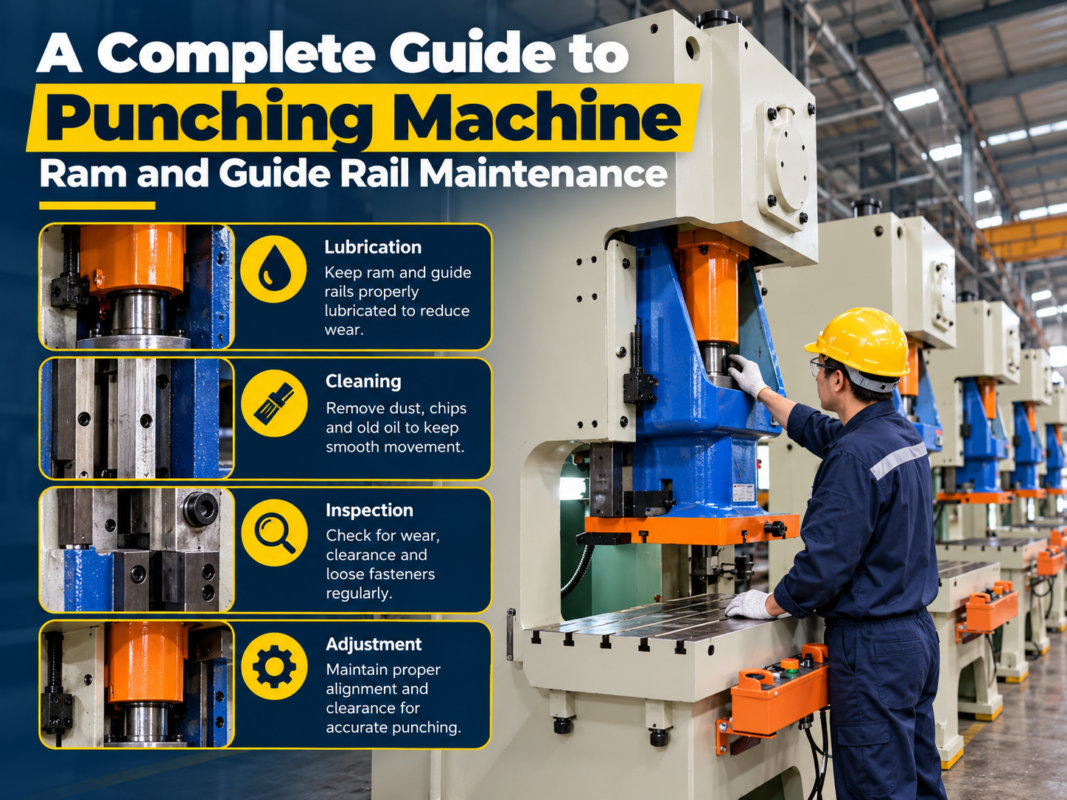
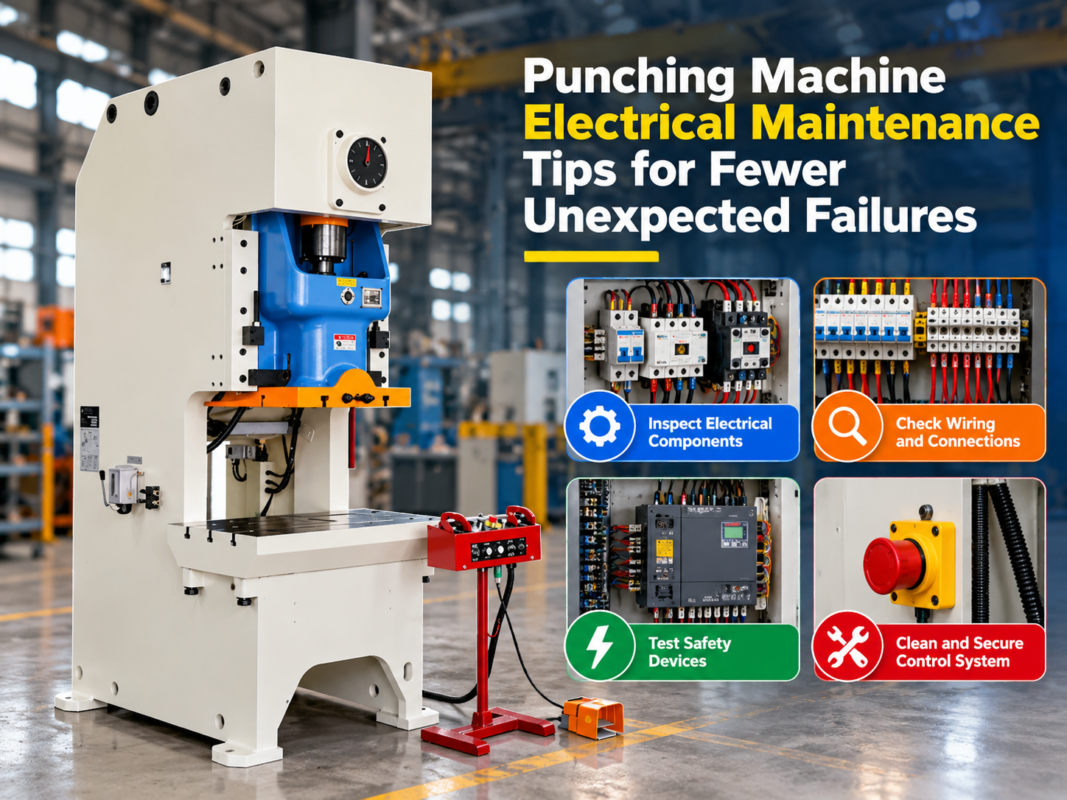
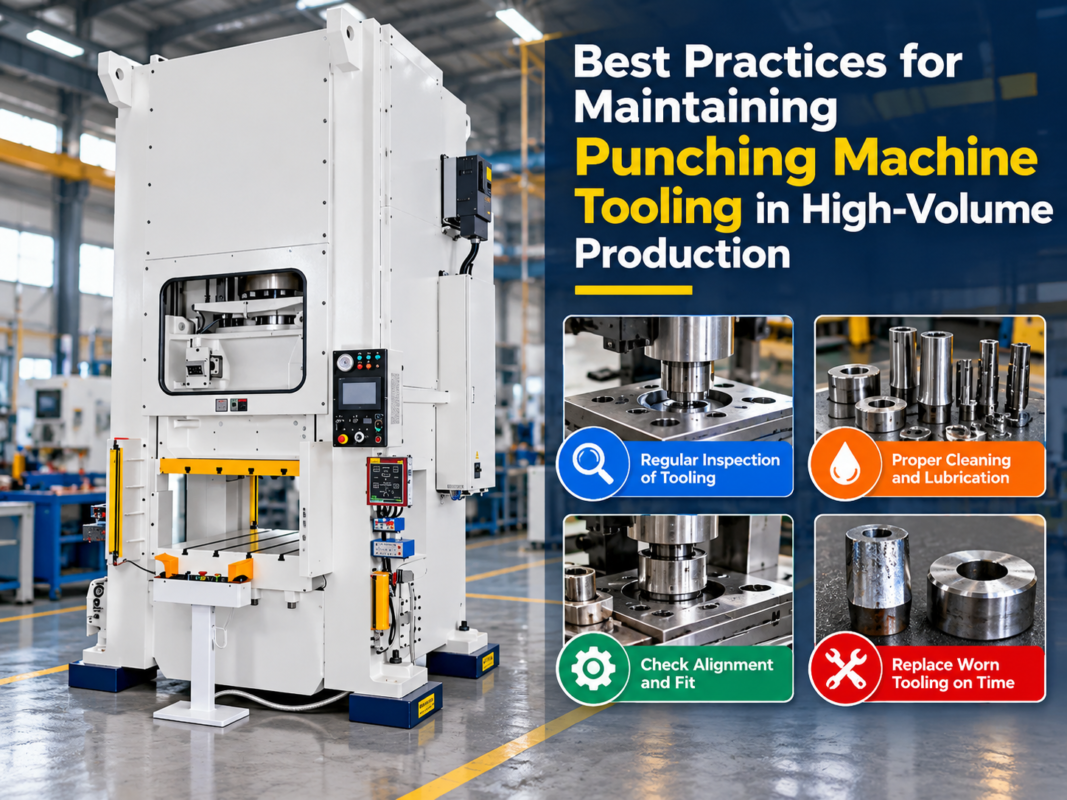
Punching Machine Hydraulic System Maintenance Tips for Stable Operation: A Comprehensive Guide


The Critical Importance of Hydraulic System Maintenance
In the high-stakes environment of modern metal fabrication, the punching machine serves as the backbone of production efficiency. For HARSLE equipment owners, understanding the Punching Machine Hydraulic System Maintenance Tips for Stable Operation is not merely a suggestion—it is a prerequisite for long-term profitability. The hydraulic system acts as the heart of the machine, providing the immense force required to shear, punch, and form metal sheets with precision. When this system is neglected, the resulting pressure drops, fluid contamination, or seal failures can lead to catastrophic downtime.
Stable operation is defined by the consistency of force and the accuracy of the stroke. A well-maintained hydraulic system ensures that every punch is executed with the exact pressure required, preventing burrs, tool wear, and material deformation. By prioritizing maintenance, operators can extend the lifespan of expensive hydraulic components such as pumps, valves, and cylinders, which are often the most costly parts to replace in a punching machine.
Furthermore, safety is intrinsically linked to hydraulic integrity. High-pressure leaks can pose significant risks to operators and the surrounding environment. Regular maintenance allows for the early detection of hose degradation or fitting looseness, preventing high-pressure oil sprays that could lead to fire hazards or physical injury. Investing time in these maintenance protocols is an investment in the safety culture of your fabrication facility.
Finally, energy efficiency is a direct byproduct of a healthy hydraulic system. A system struggling with clogged filters or degraded oil requires more power to achieve the same output, leading to increased electricity costs and unnecessary thermal stress on the machine. By following these Punching Machine Hydraulic System Maintenance Tips for Stable Operation, you ensure that your HARSLE machinery operates at peak efficiency, reducing your carbon footprint and operational overhead simultaneously.
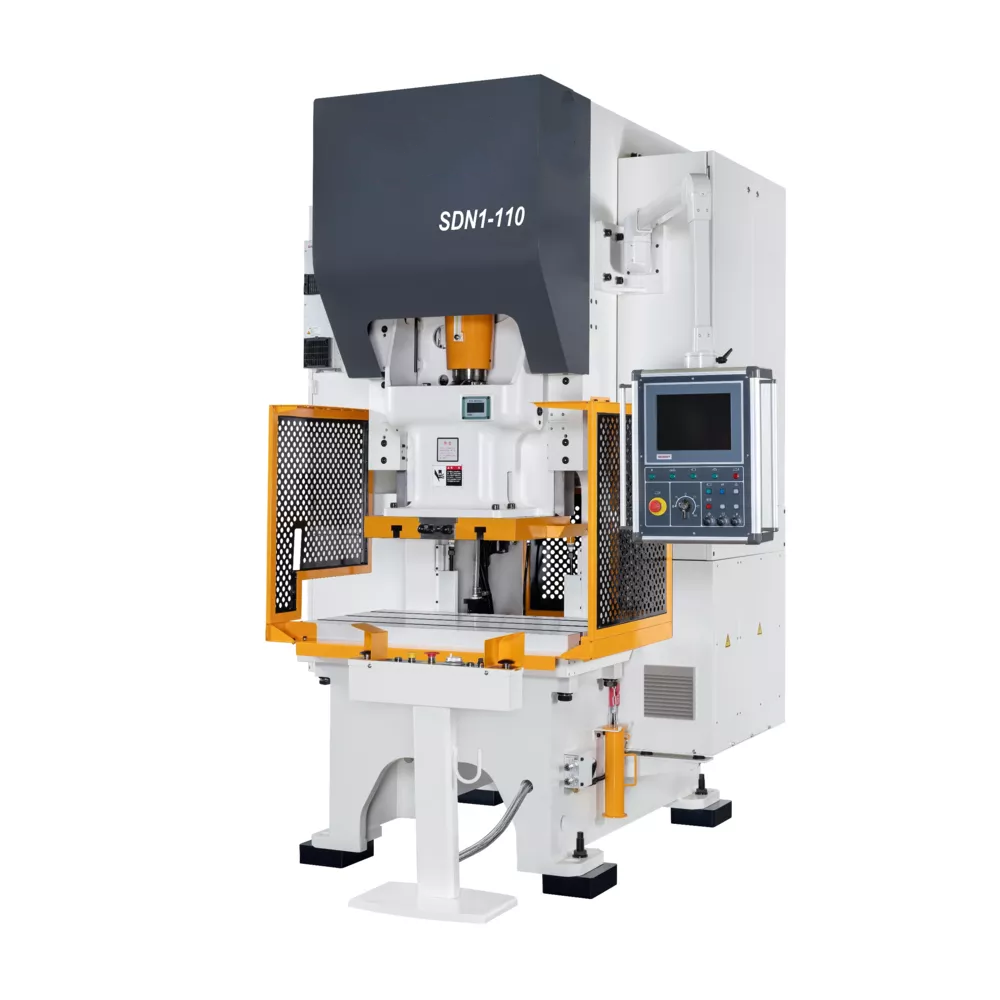
Daily Inspection Protocols for Punching Machines
Daily inspections are the first line of defense against unexpected machine failure. Before the start of every shift, operators should perform a visual walkthrough of the hydraulic power unit. Check for any signs of oil pooling beneath the machine or weeping around hydraulic fittings. Even a small drip can indicate a failing seal or a loose connection that, if left unaddressed, could lead to a significant pressure loss during a high-volume production run.
Monitoring the hydraulic oil level is equally critical. The oil reservoir should be checked against the sight glass or dipstick while the machine is in a neutral state. If the level is consistently dropping, it is a clear indicator of a leak that requires immediate investigation. Conversely, if the oil level is too high, it may indicate that coolant or other contaminants are entering the system, which can severely degrade the lubricating properties of the hydraulic fluid.
Listen to the machine during the initial warm-up cycle. Unusual noises, such as cavitation or whining from the hydraulic pump, are often early warning signs of air in the system or a clogged suction strainer. A healthy hydraulic pump should operate with a consistent, low-frequency hum. Any deviation from this sound profile should be documented and investigated before the machine is cleared for full-load production.
Finally, verify the temperature of the hydraulic tank. While some heat is expected during operation, the oil should never reach temperatures that make the tank surface uncomfortable to touch. Excessive heat is a primary cause of hydraulic fluid breakdown and seal hardening. If the machine is running hot, check the cooling fan or the heat exchanger for debris that might be obstructing airflow, ensuring the system can dissipate heat effectively throughout the workday.
Hydraulic, Electrical, and Mechanical Integration Checks
The hydraulic system does not operate in a vacuum; it is deeply integrated with the electrical control system and the mechanical frame of the punching machine. Maintenance must therefore be holistic. Electrically, ensure that the solenoid valves are receiving the correct voltage and that the wiring harnesses are free from oil saturation. Oil-soaked wires can lead to short circuits, erratic valve behavior, and potential damage to the PLC (Programmable Logic Controller).
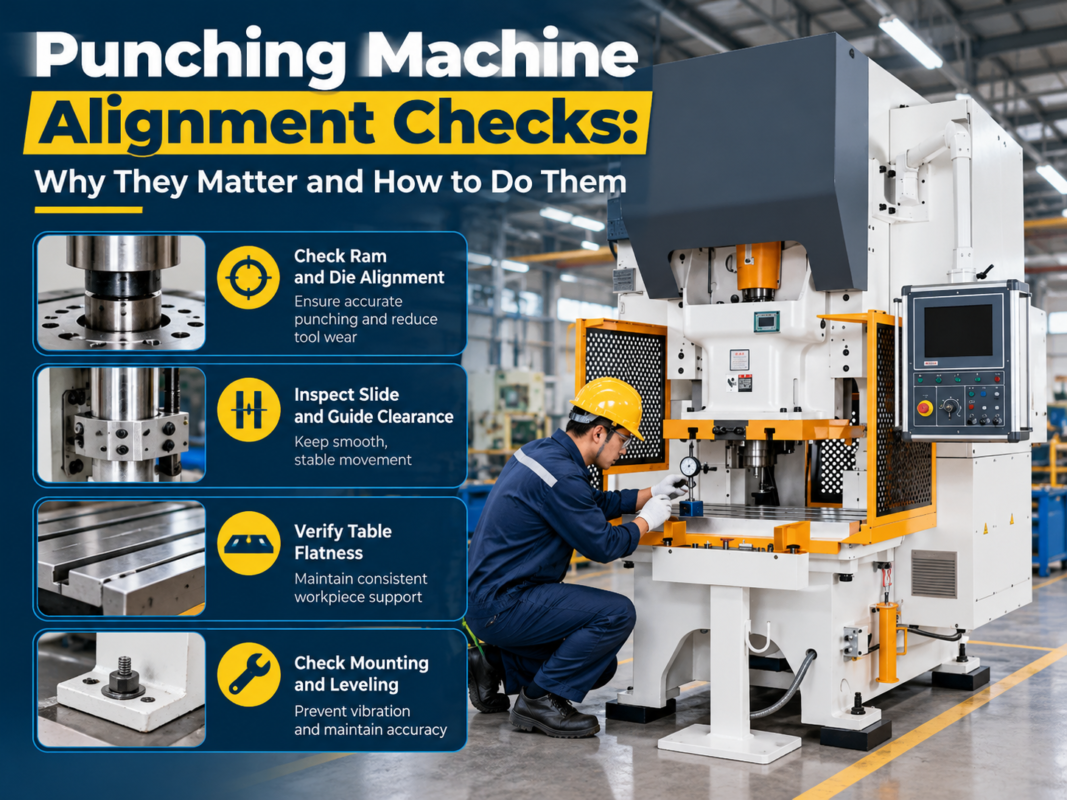
Mechanically, the hydraulic cylinders must be checked for alignment. If the ram is not descending perfectly perpendicular to the die, it places uneven side-loading stress on the cylinder seals. Over time, this causes premature wear and internal leakage. Use a precision level to verify the machine’s geometry and ensure that the hydraulic mounting bolts are torqued to the manufacturer’s specifications. A stable mechanical foundation is essential for hydraulic longevity.
Check the condition of the hydraulic hoses and piping. Hoses should be inspected for signs of cracking, blistering, or abrasion. If a hose is rubbing against a sharp metal edge or another component, it must be secured with clamps or protected with a sleeve. Vibration is a silent killer of hydraulic systems; ensure that all pipe clamps are tight and that there is no excessive movement in the hydraulic lines during the punching cycle.
The pressure relief valves should be tested periodically to ensure they are opening at the correct pressure setting. A valve that is stuck closed can lead to dangerous pressure spikes, while one that is stuck open will result in a lack of punching force. By integrating these checks into your weekly maintenance routine, you create a robust defense against the most common causes of hydraulic failure in industrial punching equipment.
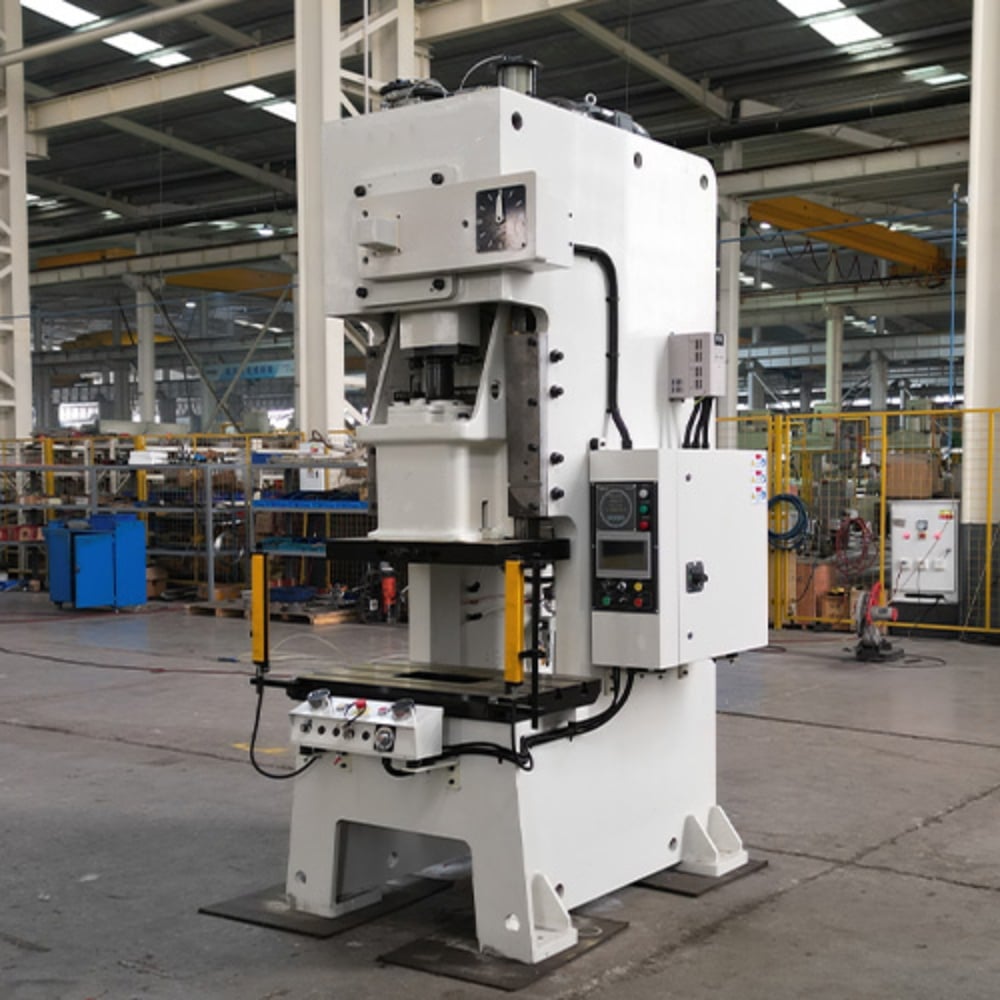
Comprehensive Lubrication Plan
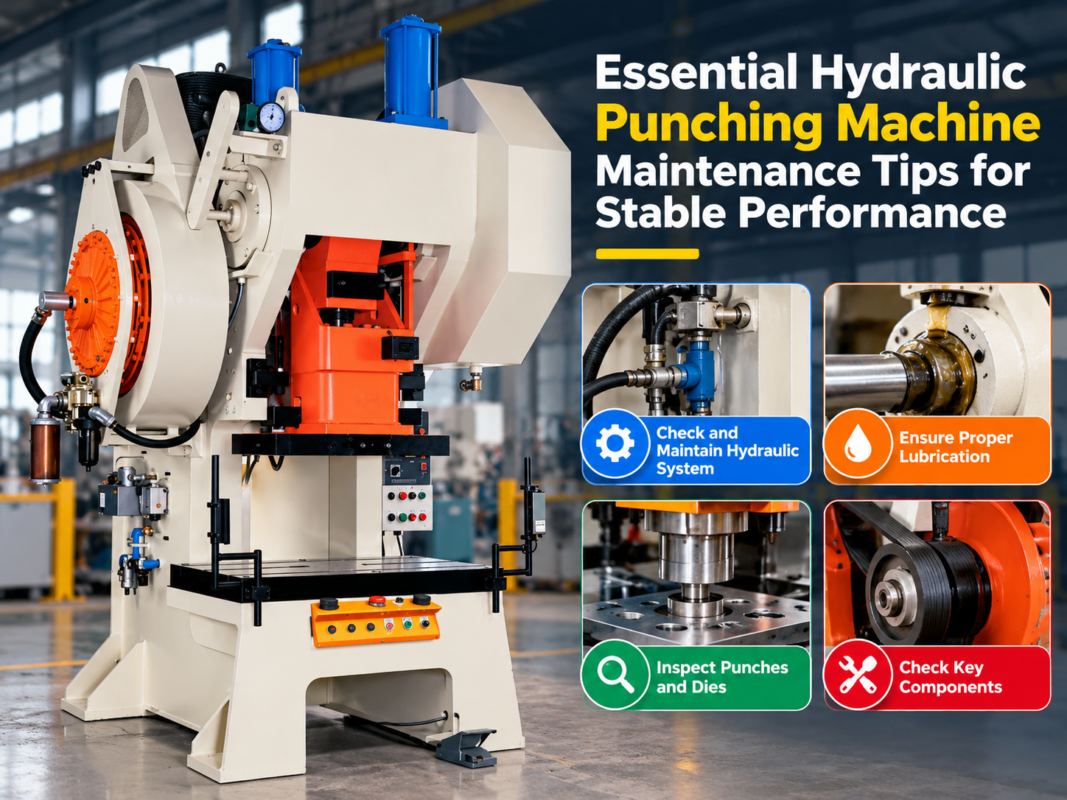
A comprehensive lubrication plan is the cornerstone of any Punching Machine Hydraulic System Maintenance Tips for Stable Operation. Hydraulic oil is not just a power transmission fluid; it is also a lubricant for the internal components of the pump and valves. Using the wrong grade of oil or failing to change it at the recommended intervals will lead to accelerated wear of the pump’s internal rotating group.
Establish a strict schedule for oil analysis. Every 1,000 to 2,000 operating hours, take a sample of the hydraulic fluid and send it to a laboratory for analysis. This test will reveal the presence of metal particles, water content, and the degradation of additives. If the oil shows signs of oxidation or high particulate counts, it must be replaced immediately, regardless of the scheduled interval. Clean oil is the single most important factor in hydraulic system longevity.
Don’t forget the filtration system. The hydraulic filter is designed to capture contaminants that enter the system during maintenance or through the breather cap. Replace the filter elements according to the manufacturer’s schedule, or sooner if the pressure differential gauge indicates a restriction. Always use high-quality, OEM-specified filters; generic alternatives often lack the micron rating required to protect sensitive proportional valves.
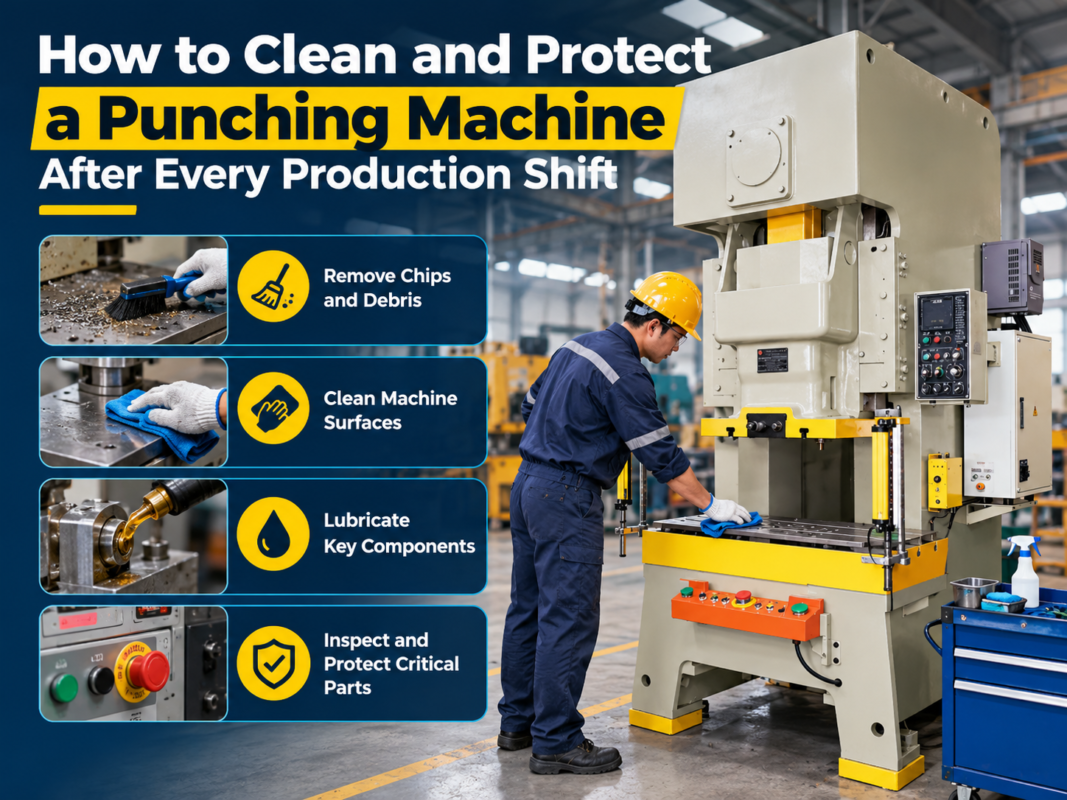
In addition to the hydraulic fluid, ensure that all mechanical lubrication points—such as the ram guides and the turret indexing mechanism—are properly greased. While these are not part of the hydraulic circuit, they reduce the overall load on the machine. When the mechanical components move smoothly, the hydraulic system requires less pressure to perform the same work, effectively reducing the strain on the entire machine architecture.
Troubleshooting Signals: When to Act
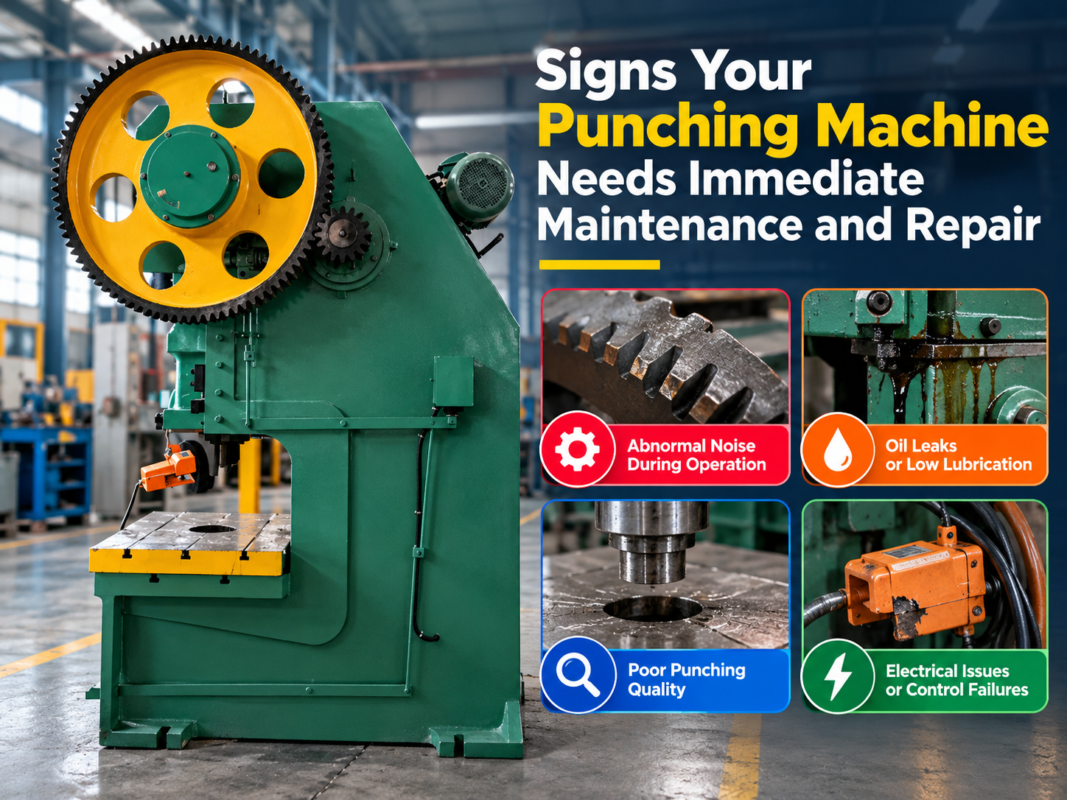
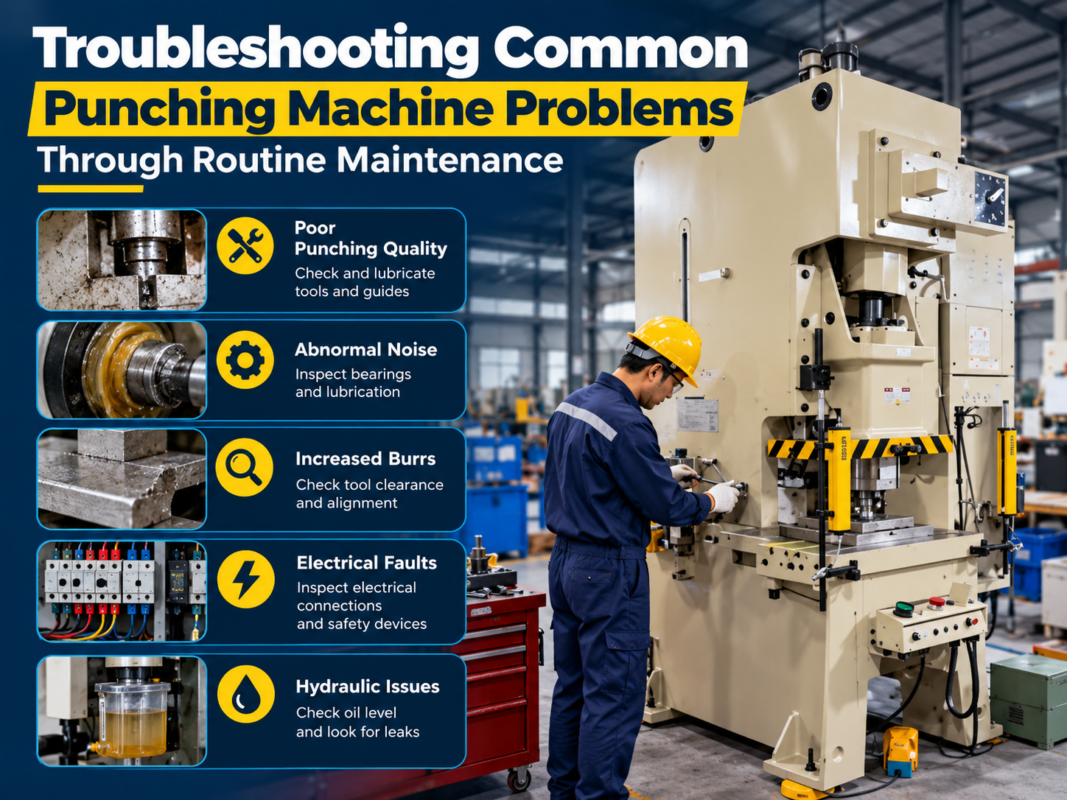
Recognizing the early warning signs of hydraulic trouble can save thousands of dollars in repair costs. One of the most common signals is a sluggish response time. If the punching ram takes longer than usual to reach the material or retract, it often indicates a leak in the cylinder piston seals or a failing hydraulic pump. Do not wait for a complete failure; investigate the pressure drop immediately.
Erratic movement or “jerky” operation is another red flag. This is frequently caused by air trapped in the hydraulic lines. If the system has been opened for maintenance, ensure that the air-bleeding procedure is followed correctly. If the problem persists, check for suction-side leaks where air might be entering the pump. Air in the system causes cavitation, which can destroy a hydraulic pump in a matter of hours.
Monitor the hydraulic pressure gauge during the punching cycle. If the needle fluctuates wildly, it suggests a problem with the pressure regulator or a failing accumulator. The accumulator is designed to dampen pressure spikes and provide a reserve of energy; if its nitrogen pre-charge is low, the system will experience harsh shocks that can damage seals and fittings throughout the machine.
Finally, pay attention to the temperature of the hydraulic oil. If the oil consistently runs hotter than the manufacturer’s recommended range, it is a sign that the system is working too hard. This could be due to internal leakage, a clogged heat exchanger, or the use of an incorrect oil viscosity. Addressing these signals early is the essence of the Punching Machine Hydraulic System Maintenance Tips for Stable Operation.
Maintenance Schedule Table
| Frequency | Task | Action |
|---|---|---|
| Daily | Visual Inspection | Check for leaks, oil levels, and unusual noises. |
| Weekly | Filter Check | Inspect pressure gauges for filter restriction. |
| Monthly | System Cleaning | Clean the exterior of the tank and cooling fins. |
| Quarterly | Fluid Analysis | Sample oil for contamination and additive depletion. |
| Bi-Annually | Hose Inspection | Check all hoses for cracks, wear, or hardening. |
| Annually | Full Service | Replace hydraulic oil, filters, and inspect valves. |
Frequently Asked Questions
How often should I change the hydraulic oil in my HARSLE punching machine?
Generally, hydraulic oil should be changed every 2,000 to 4,000 operating hours, or once a year, whichever comes first. However, if your oil analysis reports indicate high contamination or oxidation, you should change it sooner to protect the hydraulic components.
What is the most common cause of hydraulic pump failure?
The most common cause is oil contamination. Dirt, metal shavings, and water in the hydraulic fluid act as abrasives, wearing down the internal surfaces of the pump. Maintaining clean filters and using high-quality oil is the best prevention.
Can I use any hydraulic oil for my punching machine?
No, you must use the specific viscosity and grade recommended in your HARSLE operation manual. Using the wrong oil can lead to poor lubrication, overheating, and sluggish machine performance.
Why is my punching machine making a whining noise?
A whining noise usually indicates that the hydraulic pump is struggling to draw oil. This is often caused by a clogged suction strainer, low oil levels, or air entering the suction line. Check these areas immediately to prevent permanent pump damage.
How do I know if my hydraulic accumulator needs recharging?
If you notice the machine is vibrating excessively during the punching stroke or if the pressure gauge needle is erratic, the accumulator may have lost its nitrogen charge. Consult your manual for the correct pre-charge pressure and use a nitrogen charging kit to restore it.