How to Diagnose Punching Machine Noises, Vibration, and Misalignment: A Comprehensive Maintenance Guide


Introduction to Punching Machine Health
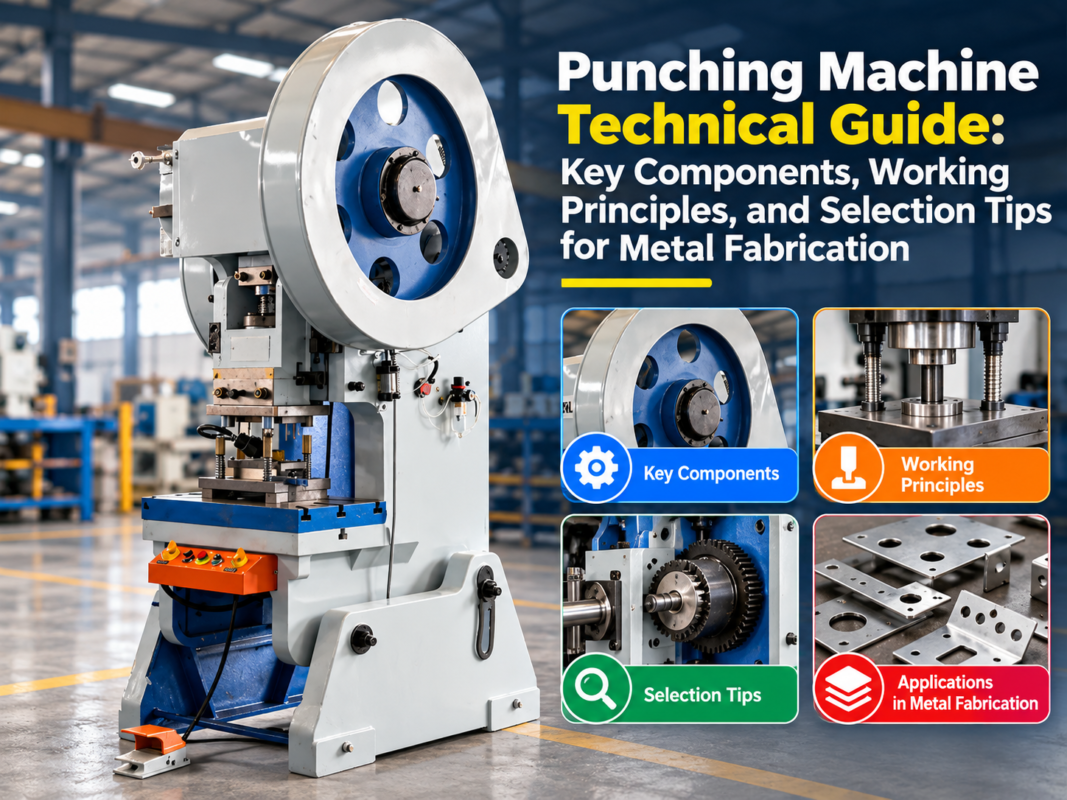
In the high-stakes environment of metal fabrication, the punching machine serves as the backbone of production efficiency. However, even the most robust HARSLE machinery can encounter operational anomalies over time. When operators notice unusual sounds, excessive shaking, or inconsistent hole placement, it is critical to know how to diagnose punching machine noises, vibration, and misalignment immediately. Ignoring these early warning signs can lead to catastrophic mechanical failure, expensive downtime, and compromised product quality.
This guide is designed to provide maintenance teams and shop floor managers with a systematic approach to identifying the root causes of mechanical distress. By understanding the interplay between hydraulic pressure, mechanical linkages, and tooling alignment, you can extend the lifespan of your equipment and maintain the precision required for modern manufacturing standards. Whether you are operating a turret punch or a single-station hydraulic unit, the principles of diagnostic maintenance remain consistent.
Effective maintenance is not merely about fixing what is broken; it is about proactive observation. By establishing a baseline for how your machine sounds and feels during normal operation, you become better equipped to spot deviations. This article will walk you through the technical steps required to isolate issues, ensuring your HARSLE equipment continues to deliver the high-precision results your clients expect.
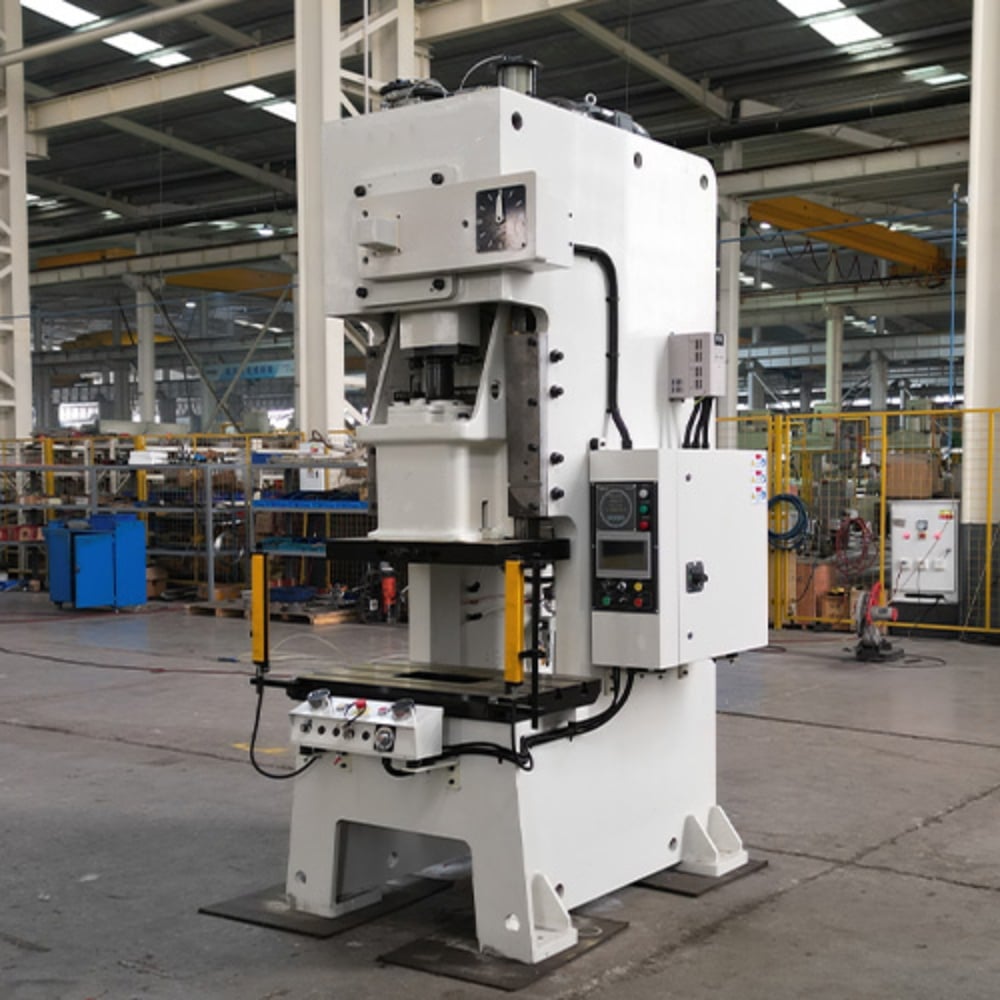
Key Considerations for Machine Diagnostics
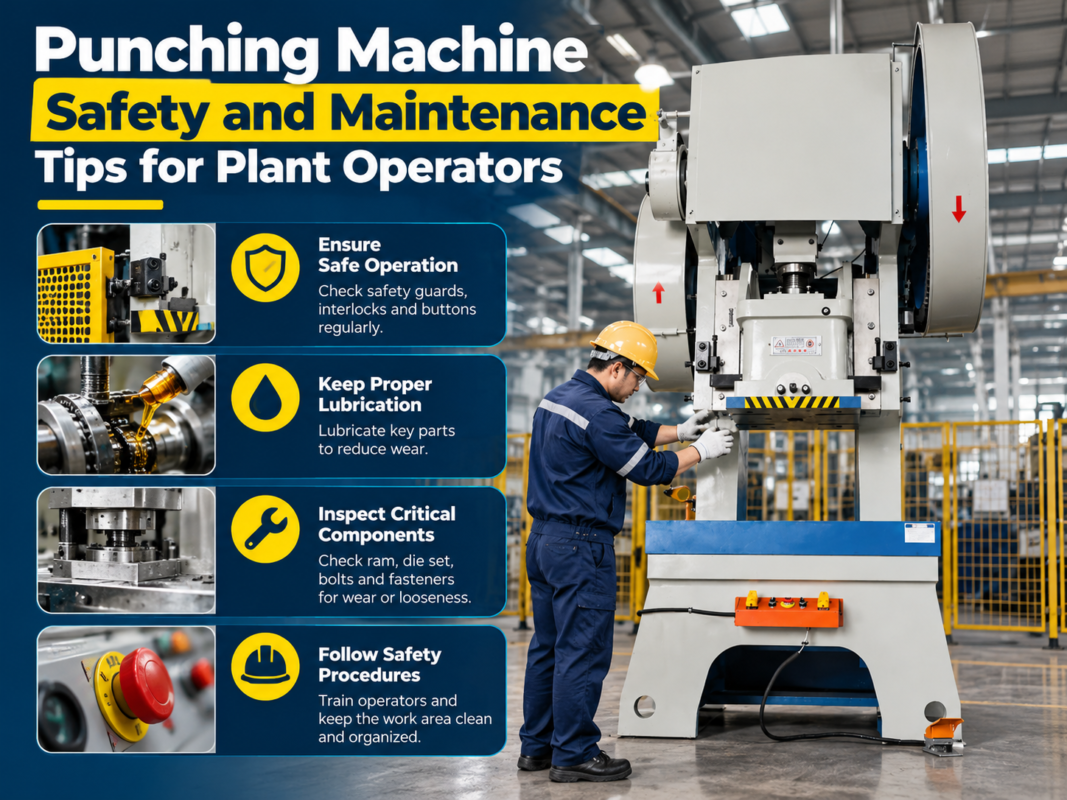
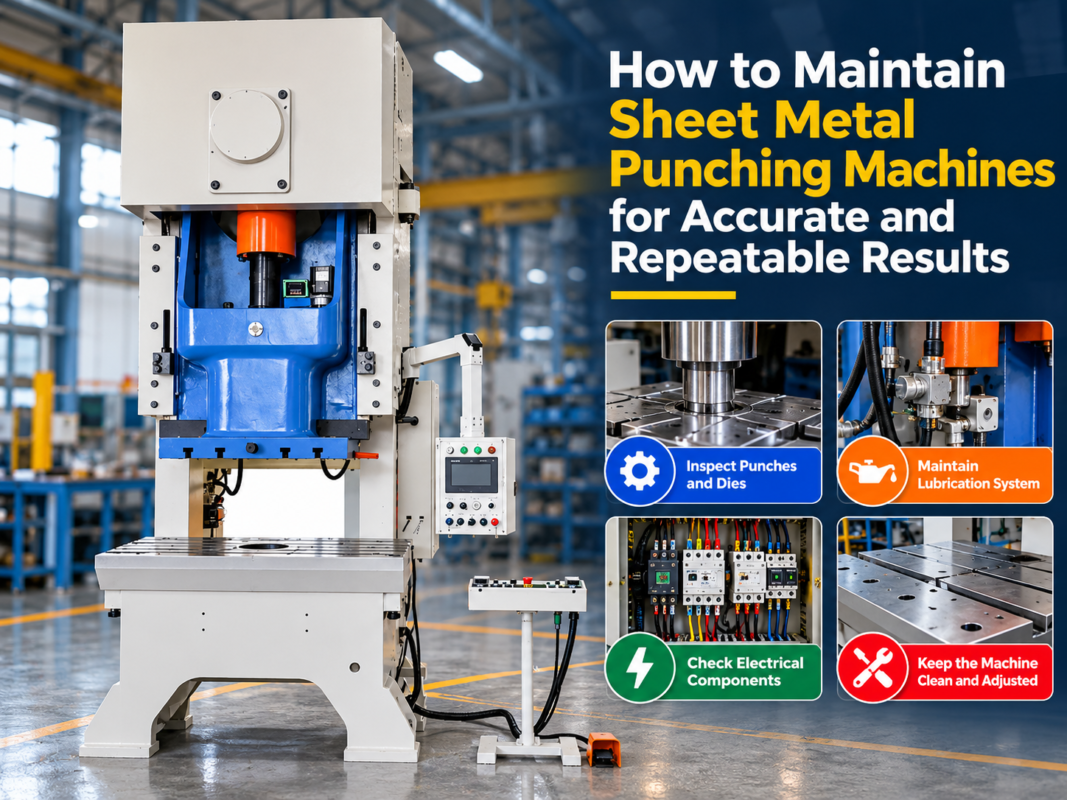
Before diving into complex mechanical repairs, it is essential to establish a safe and structured diagnostic environment. The first step in any diagnostic process is a thorough visual inspection. Check for loose bolts, leaking hydraulic fluid, or debris accumulation in the die area. Often, what sounds like a major mechanical failure is simply a loose mounting bracket or a foreign object obstructing the ram movement.
Environmental factors also play a significant role in machine performance. Vibration is frequently transmitted through the shop floor. If your machine is not properly leveled or anchored, the resulting oscillation can mimic internal mechanical failure. Always verify that the machine is sitting on a vibration-dampening foundation and that all leveling jacks are adjusted to the manufacturer’s specifications. A machine that is not level will inevitably suffer from uneven wear on the guide rails and punch holders.
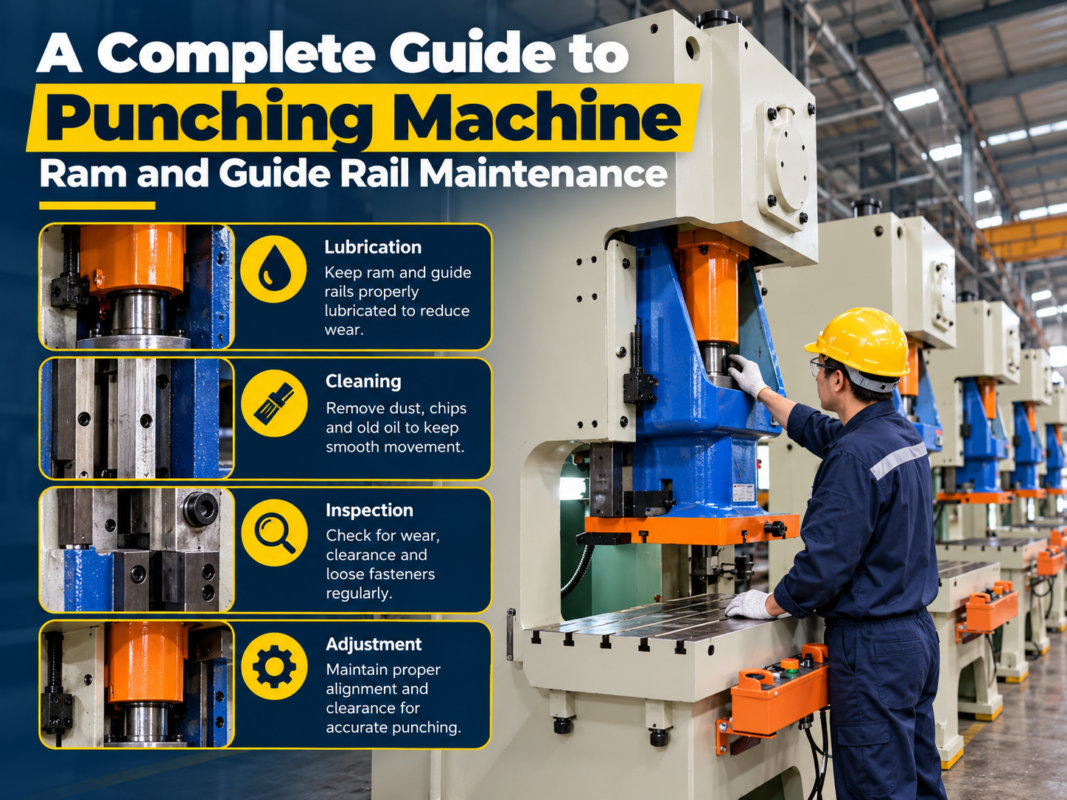
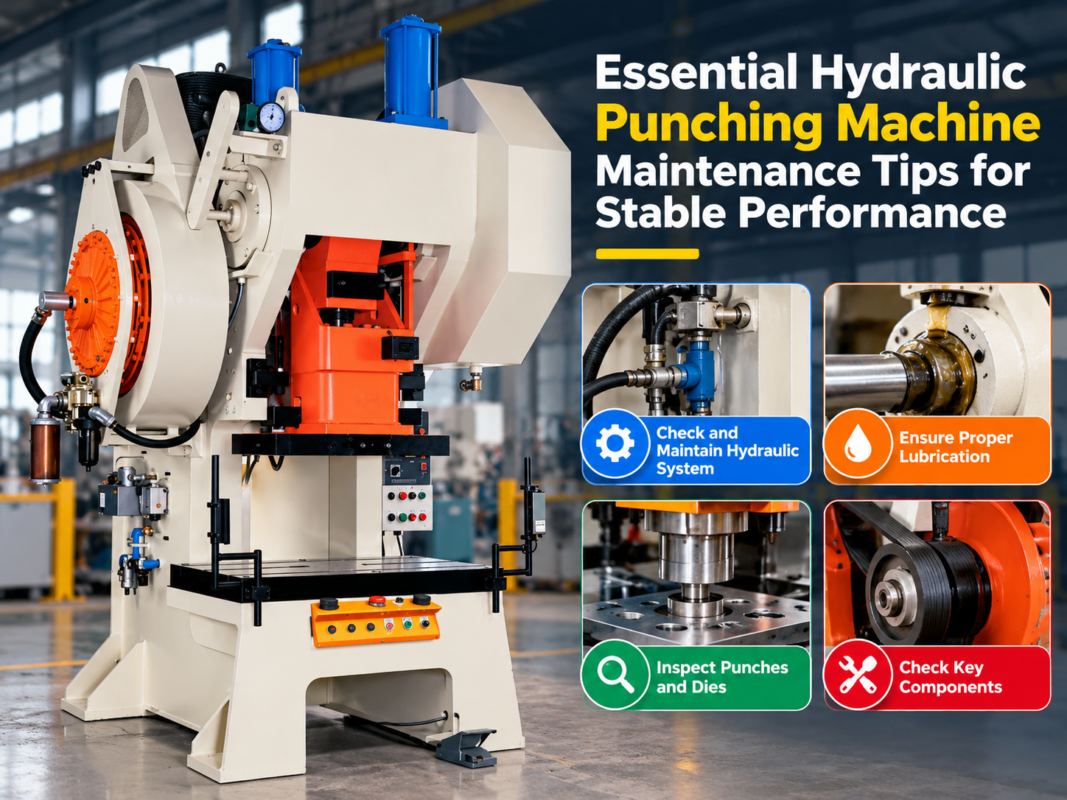
Furthermore, consider the role of lubrication. Many noises associated with punching machines are actually the result of metal-on-metal friction caused by inadequate lubrication. Ensure that your automated lubrication system is functioning correctly and that the oil viscosity matches the requirements outlined in your HARSLE manual. If the lubrication lines are clogged, the friction will generate heat, which in turn causes thermal expansion and misalignment of the punch and die.
Finally, keep a detailed maintenance log. Documenting when noises started, the type of material being processed at the time, and the specific cycle stage where the vibration occurs can provide invaluable data for troubleshooting. If the noise only happens during the stripping phase, for example, you can immediately narrow your focus to the stripper plate and spring assemblies rather than the main drive motor.
Technical Details: Analyzing Noises and Vibration
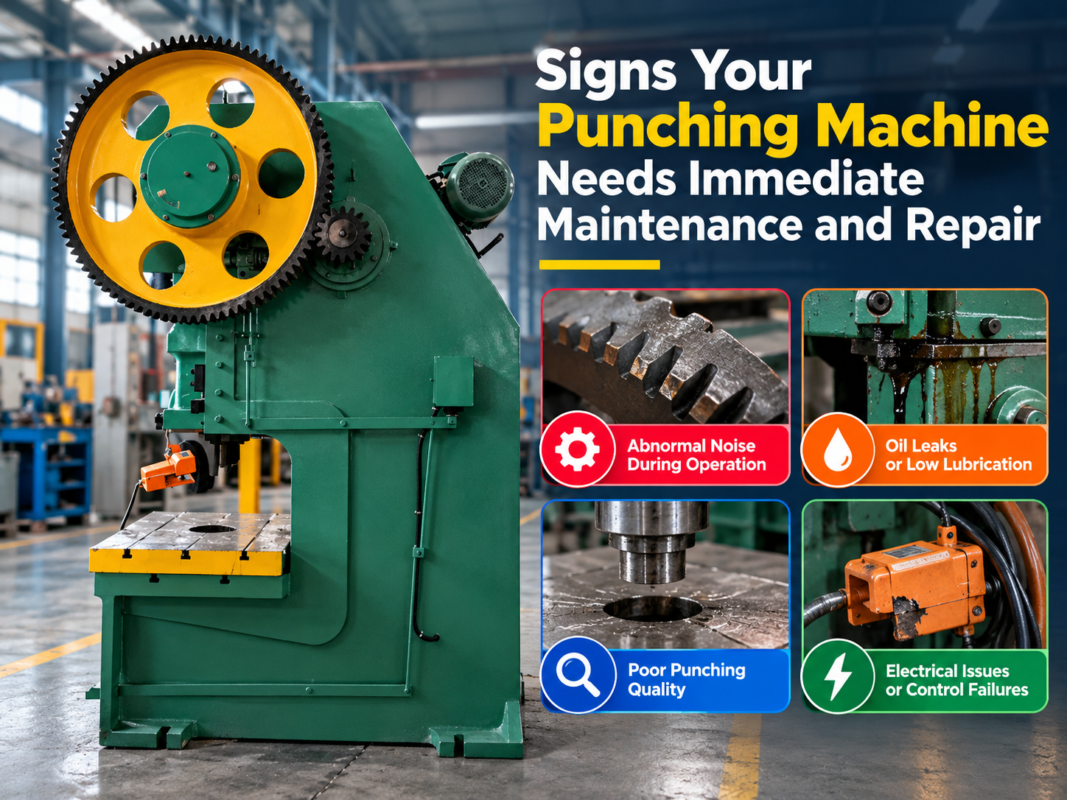
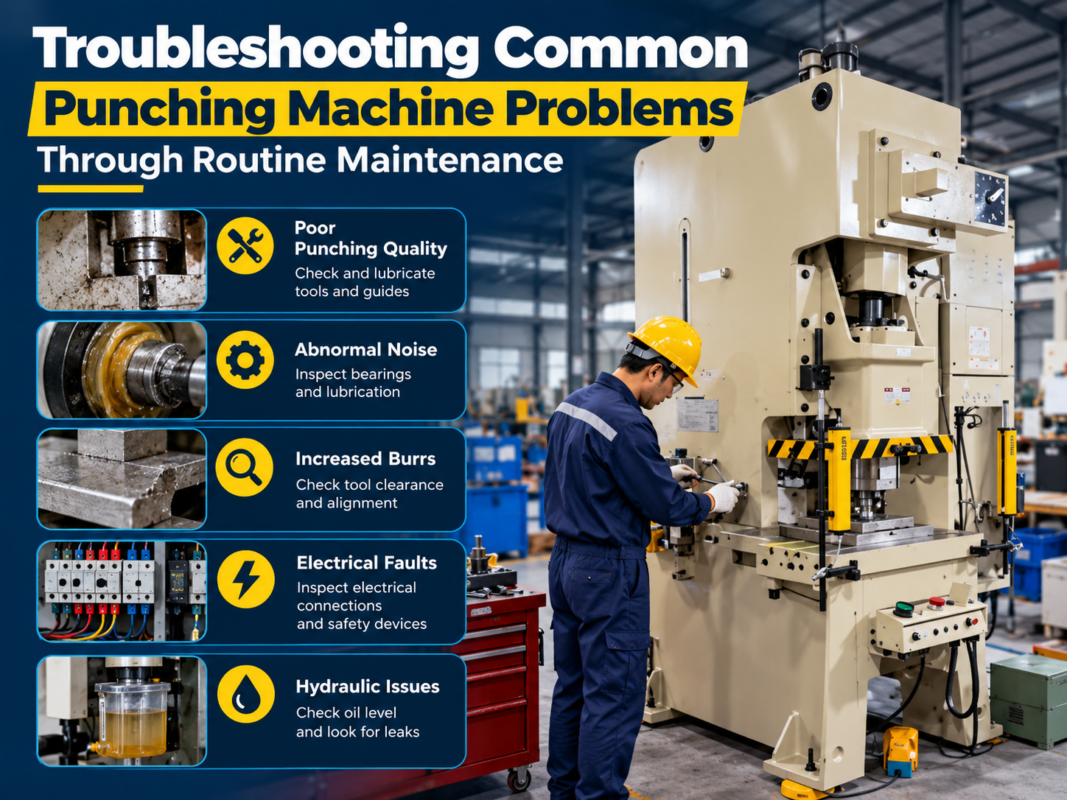
To effectively diagnose punching machine noises, vibration, and misalignment, you must categorize the sounds you hear. A high-pitched squeal often indicates a belt tension issue or a dry bearing, whereas a deep, rhythmic thumping usually points toward a problem with the crankshaft, flywheel, or main drive gears. If the noise is intermittent, check the solenoid valves and hydraulic pressure relief settings, as these can create chatter when they are failing or improperly calibrated.
Vibration analysis is equally telling. Excessive vibration during the punching stroke suggests a lack of rigidity in the tooling or an imbalance in the flywheel. If the vibration occurs only when the ram is at the bottom dead center (BDC), the issue is likely related to the ram guides or the connection between the connecting rod and the ram. Inspect these areas for signs of galling or excessive clearance, which can cause the ram to ‘slap’ against the guides during the high-force portion of the cycle.
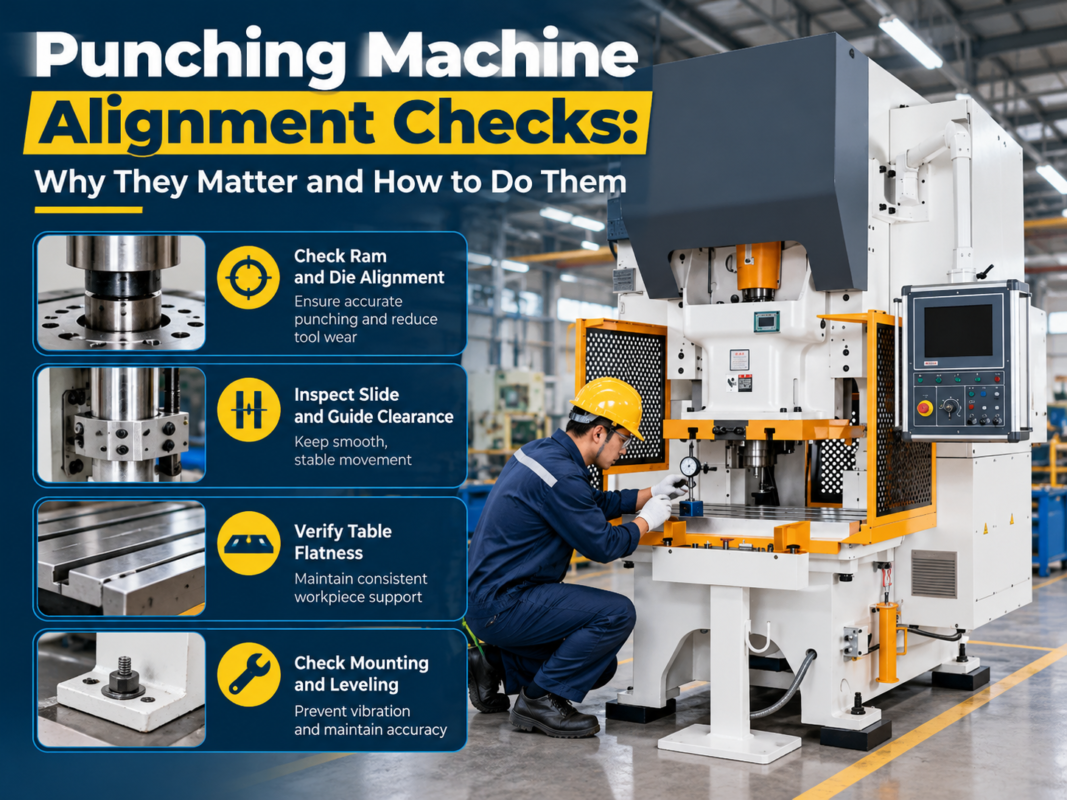
Misalignment is the silent killer of punching machines. It often manifests as uneven burrs on the workpiece or premature wear on the punch edges. To diagnose this, perform a ‘paper test’ or use a precision alignment tool to check the concentricity of the punch and die. If the punch is striking the die off-center, the lateral forces will cause the ram to deflect, leading to vibration and potential damage to the machine frame. This is often caused by worn guide bushings or a loose turret assembly.
Hydraulic systems also contribute to noise and vibration. Air trapped in the hydraulic lines can cause ‘spongy’ operation and erratic movement. Bleeding the hydraulic system is a standard maintenance procedure that should be performed if you notice the ram movement is not smooth. Additionally, check the hydraulic pump for cavitation, which sounds like marbles rattling in a can. Cavitation is usually caused by a restricted intake filter or low oil levels, both of which are easily rectified.
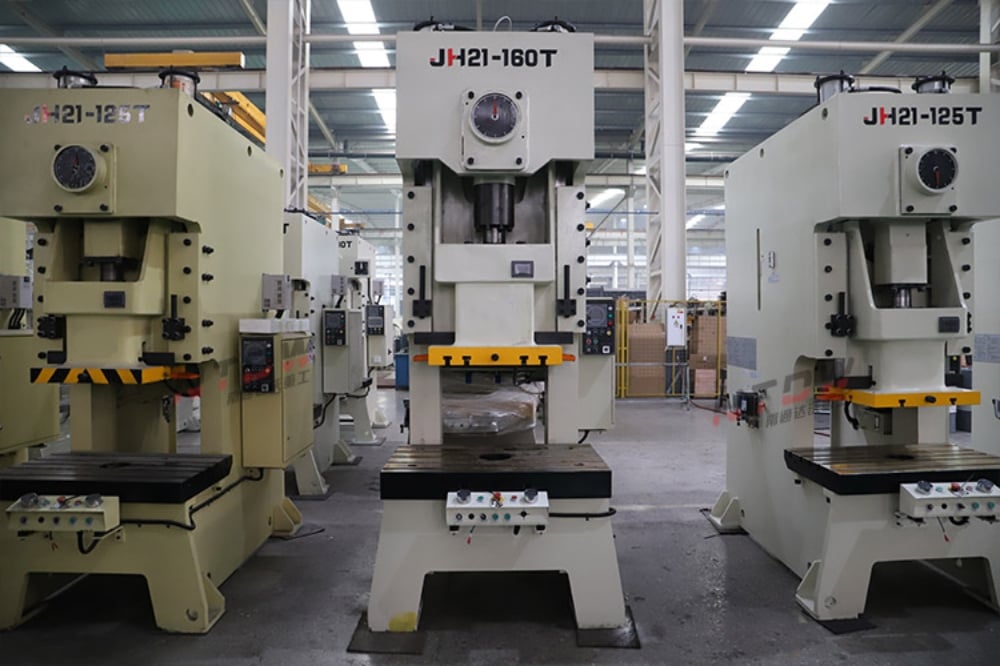
Selection Advice and Preventive Maintenance
When selecting a punching machine, prioritize models that offer robust frame construction and advanced diagnostic software. HARSLE machines are engineered with high-rigidity frames that minimize vibration, but even the best equipment requires a proactive maintenance schedule. When purchasing, look for machines that feature centralized lubrication systems and easy-access panels for inspection, as these features significantly reduce the time required to diagnose issues.
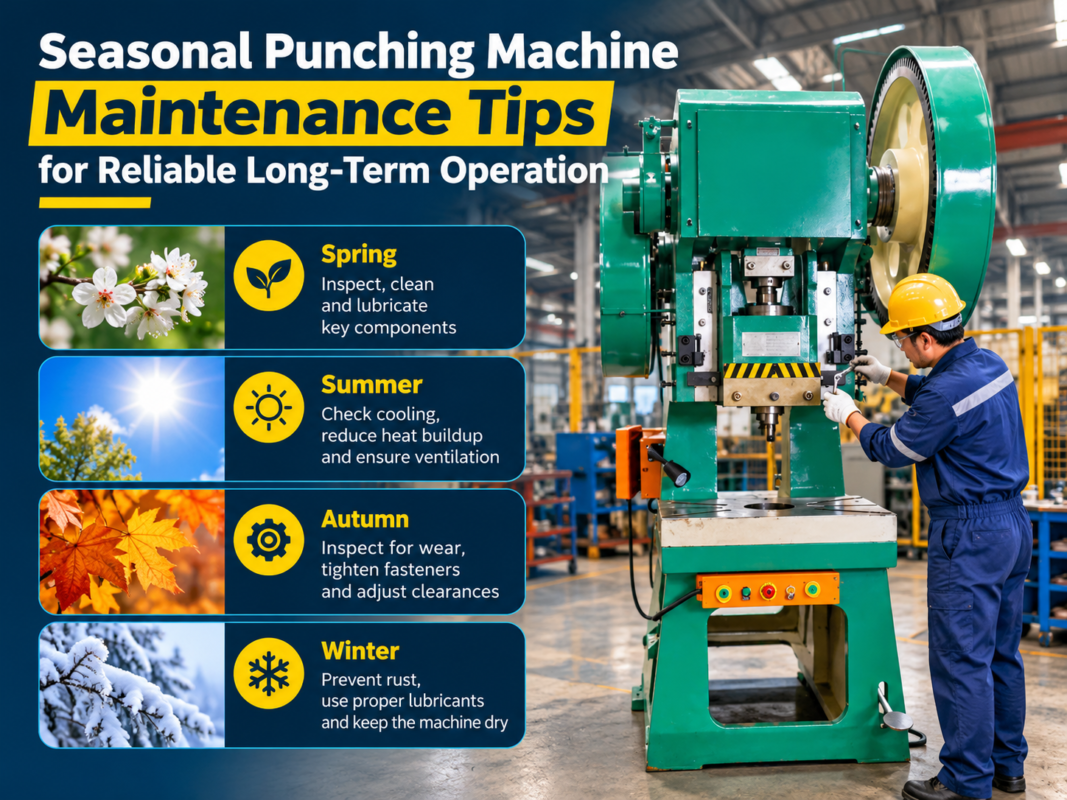
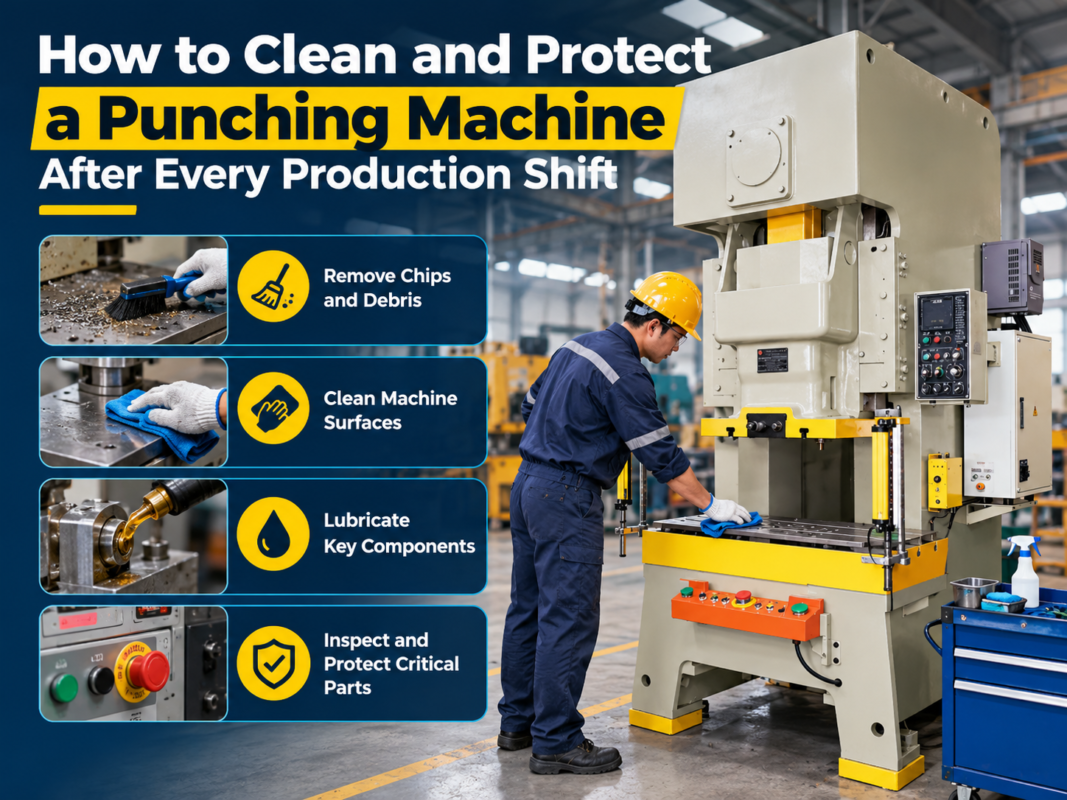
Preventive maintenance should be treated as a scheduled production task rather than an afterthought. Create a checklist that includes daily, weekly, and monthly tasks. Daily tasks should include checking oil levels, inspecting the tooling for chips, and ensuring the work area is clean. Weekly tasks should involve checking belt tension, inspecting hydraulic hoses for leaks, and verifying the tightness of all external fasteners.
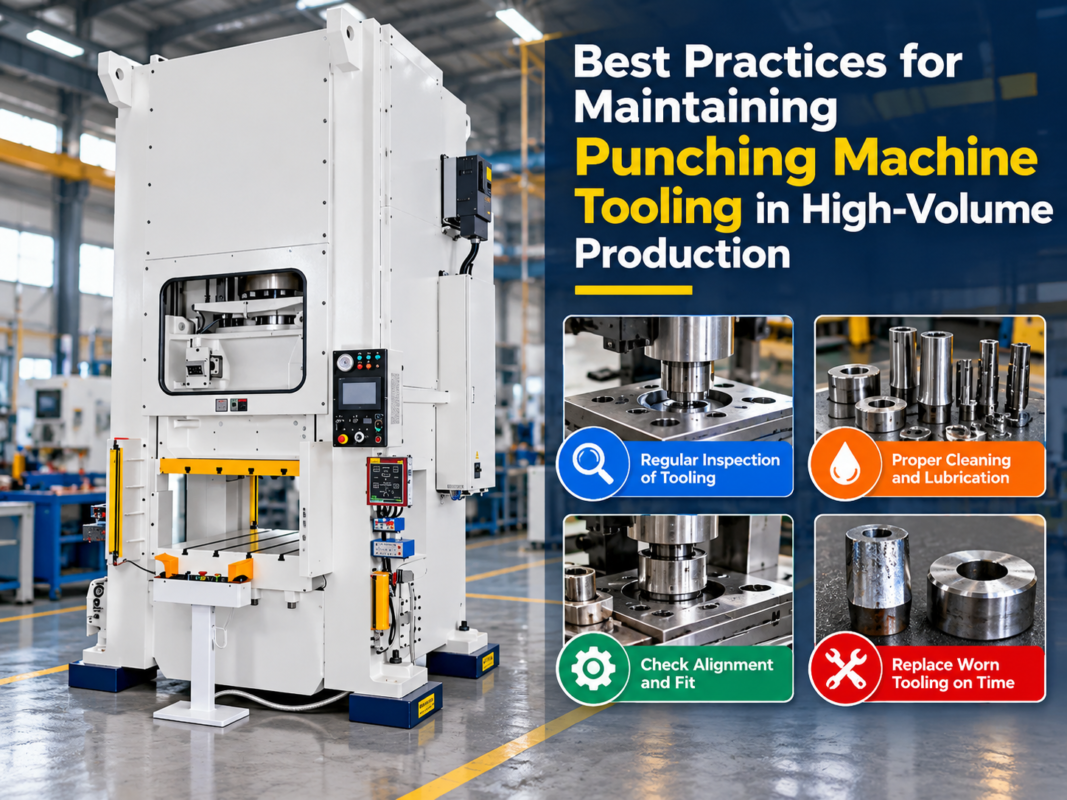
Monthly maintenance should be more intensive. This is the time to perform a full alignment check of the turret or tool holder. Use precision gauges to ensure that the punch and die are perfectly aligned. If you notice any deviation, adjust the guide bushings or replace the worn components immediately. Delaying these repairs will only lead to more expensive damage to the ram and the machine bed.
Investing in high-quality tooling is also a form of preventive maintenance. Cheap, low-tolerance tooling will cause the machine to work harder, increasing vibration and accelerating wear on the machine’s internal components. Always use original HARSLE tooling or certified equivalents to ensure the best fit and performance. Proper tooling maintenance, such as regular sharpening, also reduces the force required to punch, thereby reducing the stress on the machine.
Frequently Asked Questions
- Q: Why does my punching machine make a loud banging noise at the end of the stroke?
A: This is often caused by a worn-out shock absorber or an improperly adjusted stroke limit switch. Check the cushioning system and ensure the ram is not bottoming out too hard. - Q: How do I know if my punch and die are misaligned?
A: Look for uneven burrs on your finished parts. If one side of the hole is clean and the other is ragged, your punch is likely hitting the die off-center. - Q: Can vibration cause electrical issues?
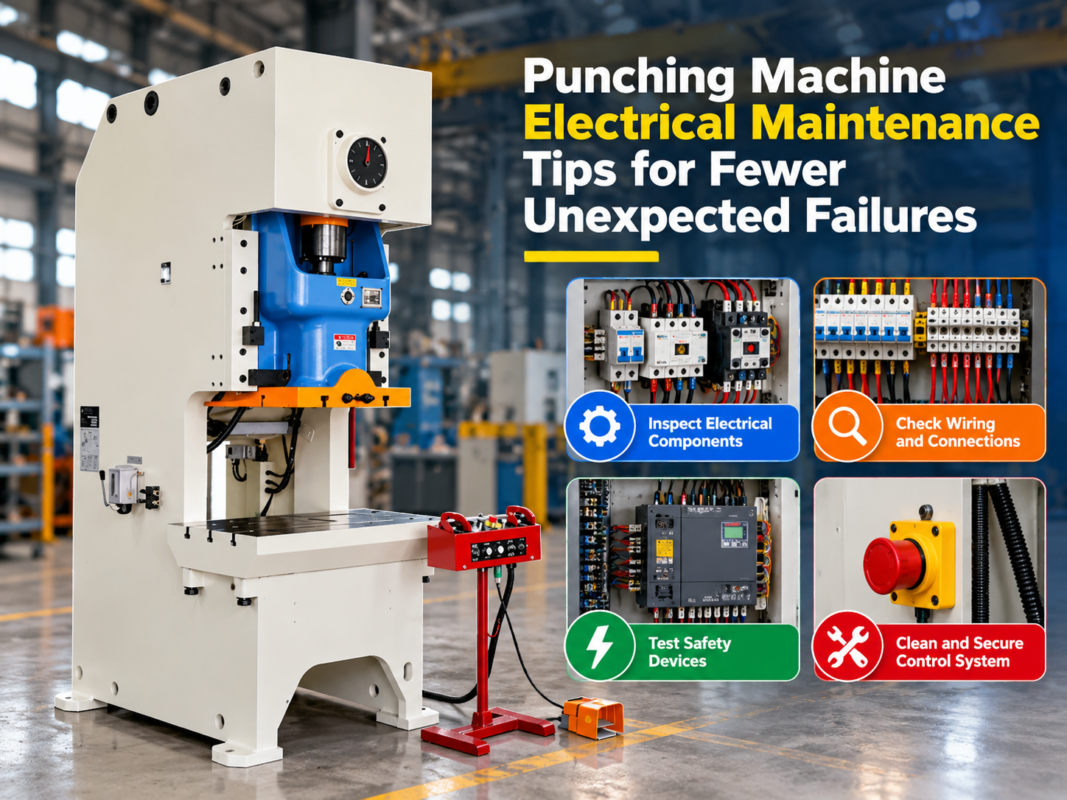
A: Yes, excessive vibration can loosen electrical connections in the control cabinet, leading to intermittent sensor errors or communication faults. Ensure all terminal blocks are tight. - Q: How often should I change the hydraulic fluid?
A: Follow the HARSLE maintenance manual, but generally, hydraulic oil should be changed every 2,000 to 4,000 operating hours, or sooner if the oil shows signs of contamination or discoloration. - Q: What is the most common cause of machine vibration?
A: The most common cause is an unlevel machine. Always start your diagnosis by checking the machine’s level with a precision spirit level.
Conclusion
Learning how to diagnose punching machine noises, vibration, and misalignment is an essential skill for any fabrication professional. By paying close attention to the sounds and movements of your HARSLE equipment, you can catch minor issues before they escalate into major production bottlenecks. Remember that a well-maintained machine is not only more accurate but also safer and more cost-effective to operate.
Consistency is the key to success. By integrating the diagnostic steps outlined in this guide into your daily routine, you ensure that your shop remains productive and your equipment remains in peak condition. Whether it is tightening a loose bolt, bleeding a hydraulic line, or realigning the tooling, these small actions compound over time to create a reliable and efficient manufacturing environment. If you ever encounter an issue that exceeds your internal maintenance capabilities, do not hesitate to contact the HARSLE support team for expert guidance and genuine replacement parts.
Ultimately, your punching machine is a long-term investment. Treat it with the care it deserves, and it will provide years of high-quality service. Keep your maintenance logs updated, train your operators to recognize the signs of wear, and always prioritize precision over speed when troubleshooting. With these practices in place, you can confidently manage your fabrication equipment and maintain a competitive edge in the metalworking industry.