Choosing the Right Hydraulic Press for Different Industrial Applications: A Comprehensive Guide


Introduction to Hydraulic Press Technology
In the modern landscape of metal fabrication, the hydraulic press stands as a cornerstone of production efficiency. Whether you are involved in automotive manufacturing, aerospace components, or general metal forming, understanding the nuances of choosing hydraulic press different industrial applications is vital for operational success. HARSLE has spent decades refining the engineering behind these machines, ensuring that every unit delivers precision, power, and longevity.
A hydraulic press operates on Pascal’s Law, utilizing pressurized fluid to generate immense force. Unlike mechanical presses that rely on flywheels and clutches, hydraulic presses offer consistent force throughout the entire stroke. This characteristic makes them indispensable for deep drawing, stamping, forging, and assembly tasks where controlled pressure is paramount. Selecting the right machine requires a deep dive into your specific production requirements.
As industries evolve, the demand for versatility in metal fabrication equipment has skyrocketed. Manufacturers are no longer looking for one-size-fits-all solutions; they require specialized machinery that can handle complex geometries and varying material thicknesses. This guide serves as your roadmap to navigating the technical specifications and operational considerations necessary to make an informed investment in your facility’s future.
By aligning your production goals with the right hydraulic press configuration, you can significantly reduce cycle times, minimize material waste, and improve the overall quality of your finished goods. HARSLE is committed to providing the technical expertise required to bridge the gap between complex industrial needs and high-performance machinery.
Key Considerations for Selecting Your Press
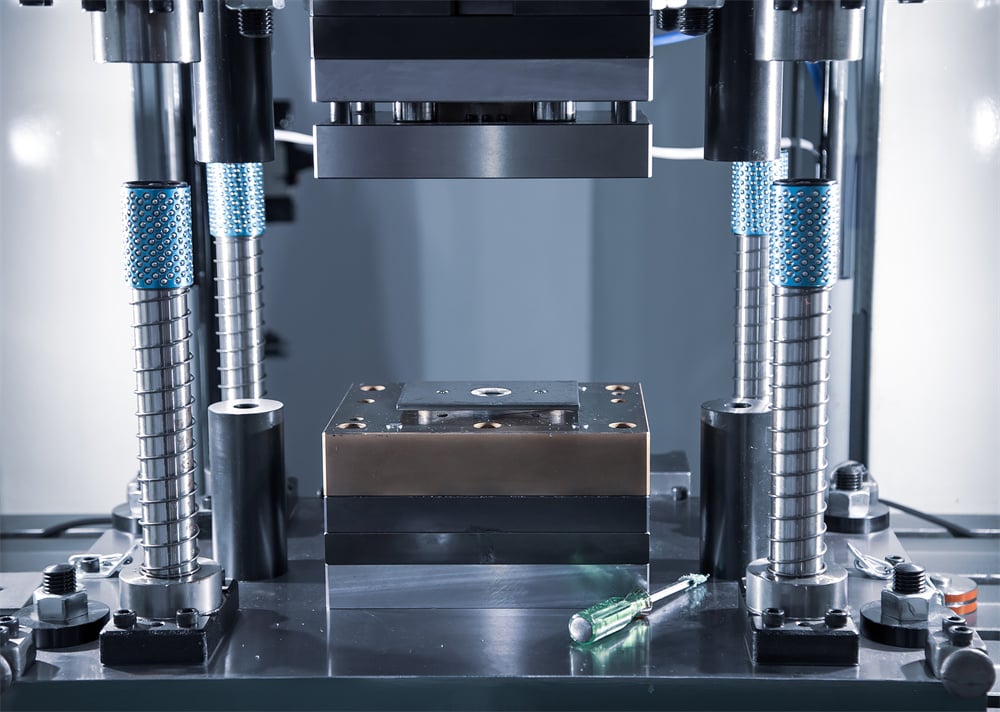
When you begin the process of choosing hydraulic press different industrial applications, the first factor to evaluate is the required tonnage. Tonnage is the maximum force the press can exert. Underestimating this requirement can lead to incomplete forming, while overestimating it results in unnecessary capital expenditure and higher energy consumption. Always calculate the force required for your most demanding application and add a 20% safety margin.
The bed size and daylight opening are equally critical. The bed size must accommodate your largest die set, while the daylight opening—the distance between the slide and the bed—must allow for the height of your tooling and the stroke length required for the part. If your production involves deep drawing, you will need a larger daylight opening compared to simple stamping or coining operations.
Speed and cycle time requirements dictate the type of hydraulic system you need. High-speed presses are necessary for high-volume production lines, often incorporating rapid approach and return speeds to minimize idle time. Conversely, if your application involves delicate materials or complex forming that requires dwell time, a press with adjustable speed and pressure control is essential.
Finally, consider the control system. Modern hydraulic presses from HARSLE feature advanced CNC controllers that allow for programmable stroke, pressure, and speed profiles. These systems enable operators to store recipes for different parts, ensuring repeatability and reducing setup times during job changes. Investing in a user-friendly interface is a long-term strategy for reducing operator error and increasing throughput.
Technical Details and Machine Configurations
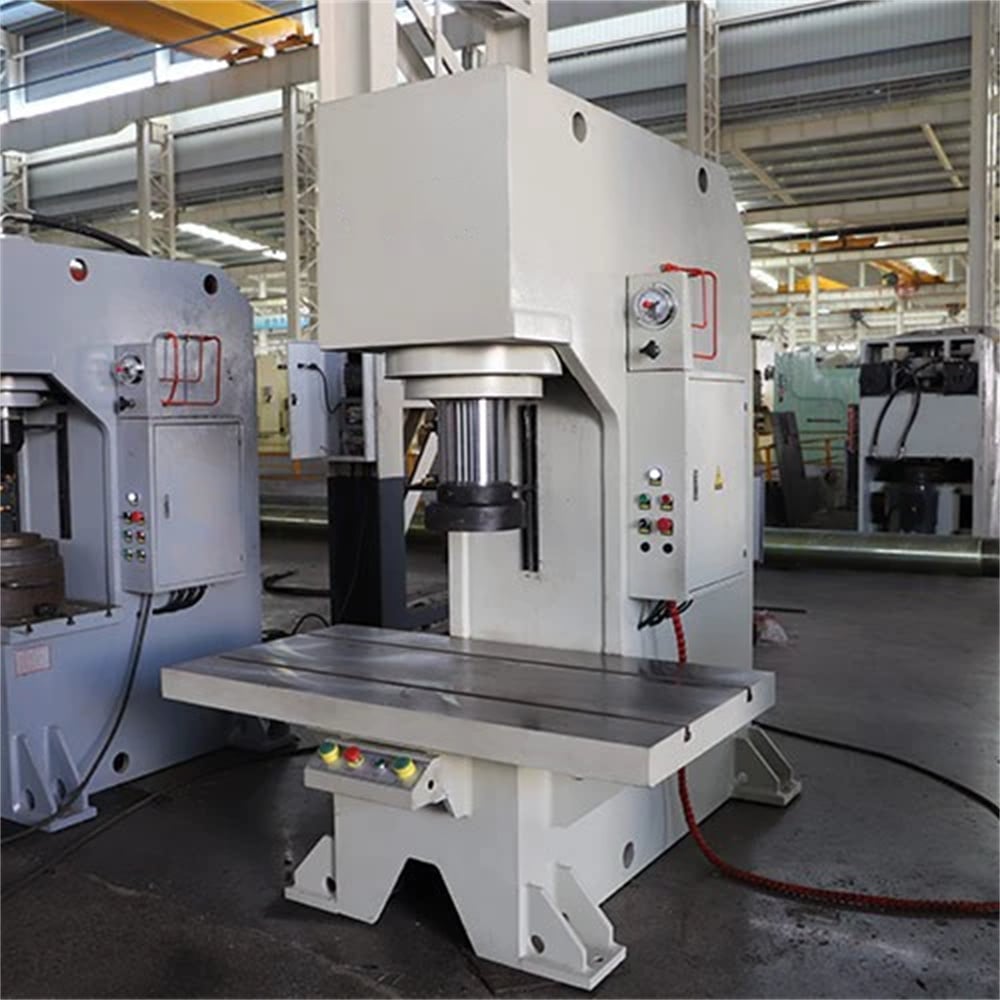
The architecture of the press frame is a fundamental technical detail. H-frame presses are the industry standard for heavy-duty applications, offering superior rigidity and stability. C-frame presses, on the other hand, provide better access to the work area from three sides, making them ideal for smaller parts, assembly, and straightening tasks where operator access is frequent.
Hydraulic systems have also seen significant advancements. Proportional valve technology allows for precise control over the movement of the slide, enabling smooth acceleration and deceleration. This is particularly important when working with brittle materials or when high-precision surface finishes are required. Furthermore, energy-efficient hydraulic pumps and variable frequency drives (VFDs) can drastically reduce the power consumption of your facility.
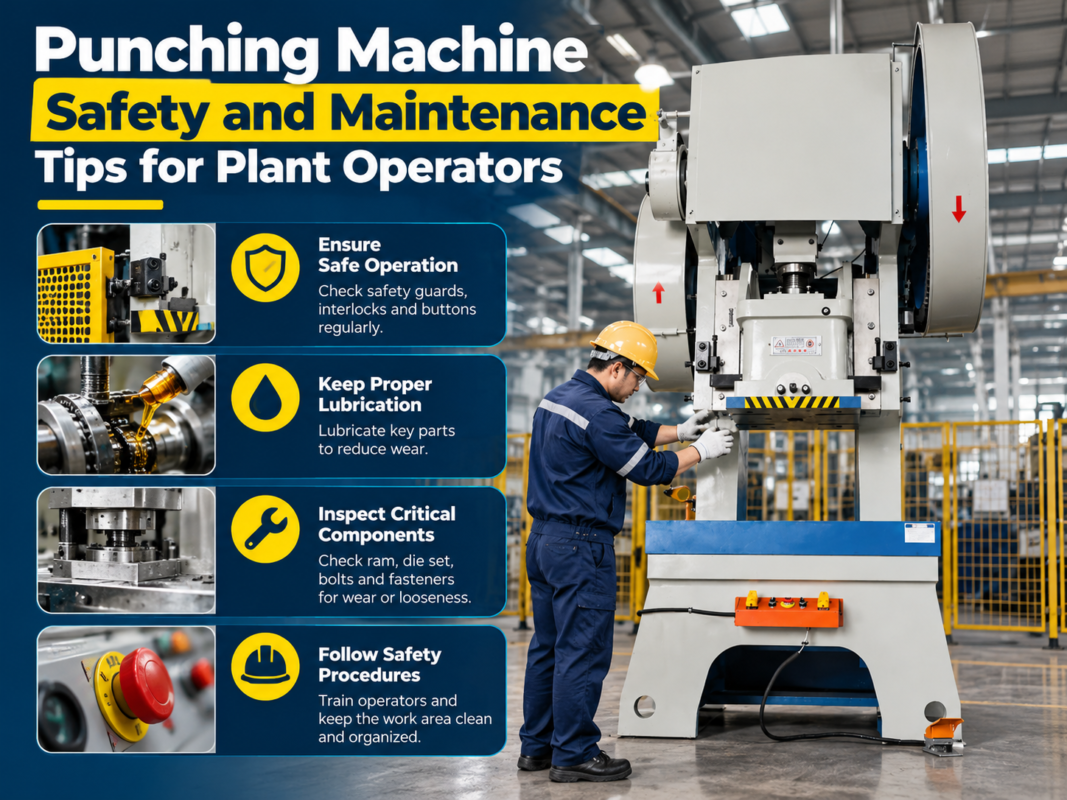
Safety features are non-negotiable in industrial machinery. Light curtains, dual-hand controls, and emergency stop systems are standard requirements. When selecting a press, ensure that the safety integration is seamless and does not hinder the operator’s workflow. HARSLE integrates these safety protocols directly into the machine’s PLC, providing a secure environment without sacrificing productivity.
Another technical aspect to consider is the integration of auxiliary equipment. Many modern applications require hydraulic cushions for deep drawing, part ejectors, or automated feeding systems. Ensure that the press you choose has the necessary mounting points and control logic to support these add-ons as your production needs grow. A modular design approach is often the best way to future-proof your investment.
Selection Advice: Matching the Press to the Application
For deep drawing applications, the presence of a blank holder or die cushion is mandatory. This component controls the flow of material into the die, preventing wrinkles and tears. When choosing a press for this purpose, prioritize machines with multi-point pressure control, which allows you to adjust the force at different sections of the die, providing superior control over complex shapes.
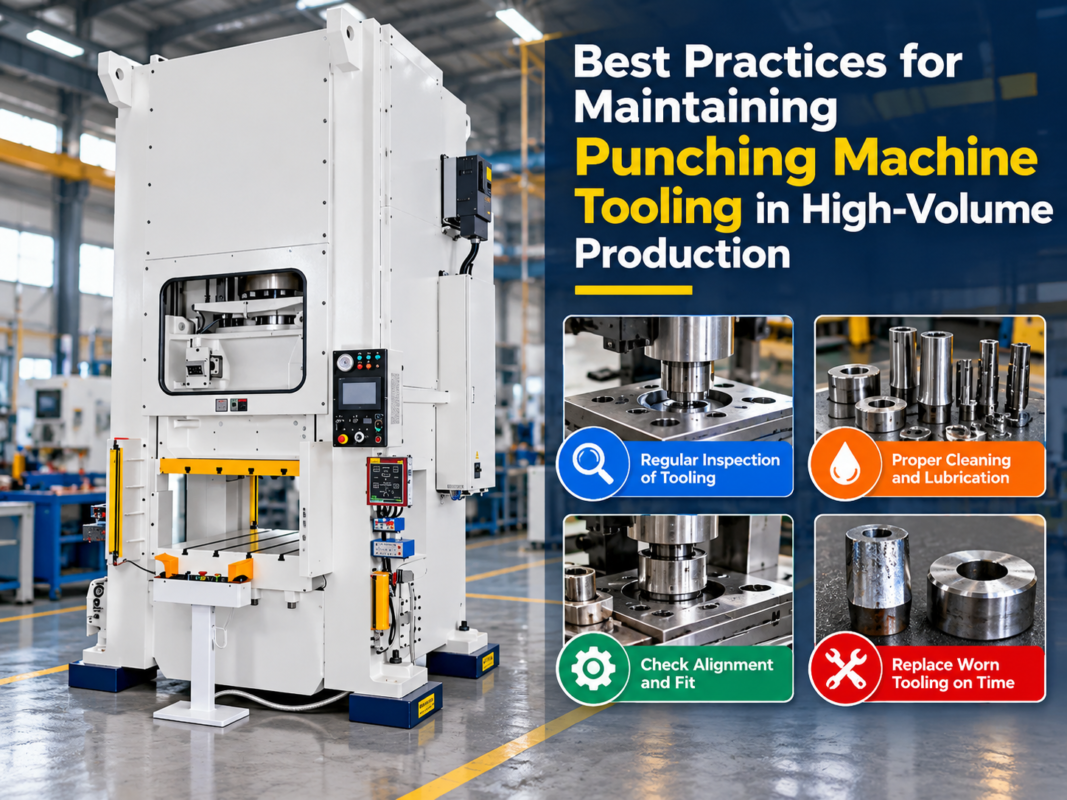
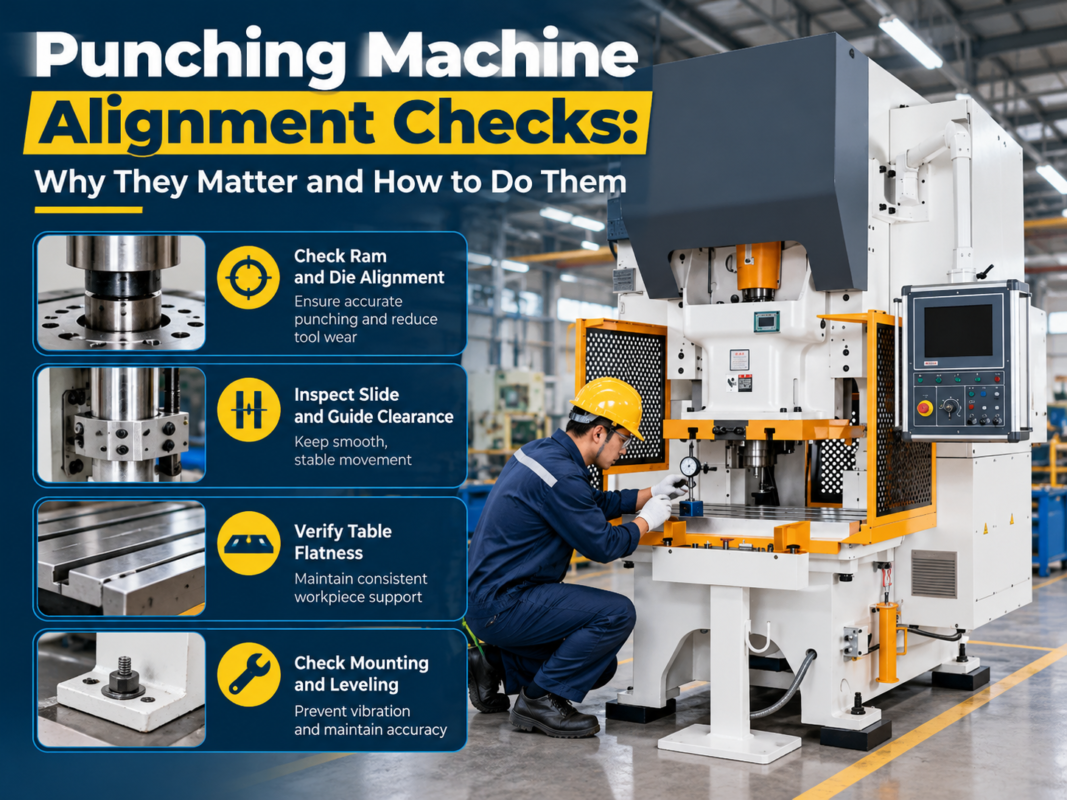
If your primary application is metal stamping or blanking, focus on the rigidity of the press frame and the precision of the slide guidance system. Any deflection in the frame or play in the slide guides will lead to premature die wear and inconsistent part quality. Look for presses with high-quality gibbing systems that maintain alignment even under eccentric loading conditions.
For assembly and straightening, speed and ease of operation are the primary drivers. These applications often require a smaller, more agile press that can be quickly adjusted for different part geometries. A C-frame press with a movable table or a wide-bed configuration is often the most efficient choice for these versatile, lower-tonnage tasks.
Finally, consider the environment in which the press will operate. If your facility is climate-controlled, standard hydraulic fluids may suffice. However, if the press is located in a harsh environment with extreme temperature fluctuations, you may need specialized cooling systems or synthetic hydraulic fluids to maintain consistent viscosity and performance. Always consult with HARSLE engineers to tailor the machine specifications to your specific environmental conditions.
Maintenance and Long-Term Reliability
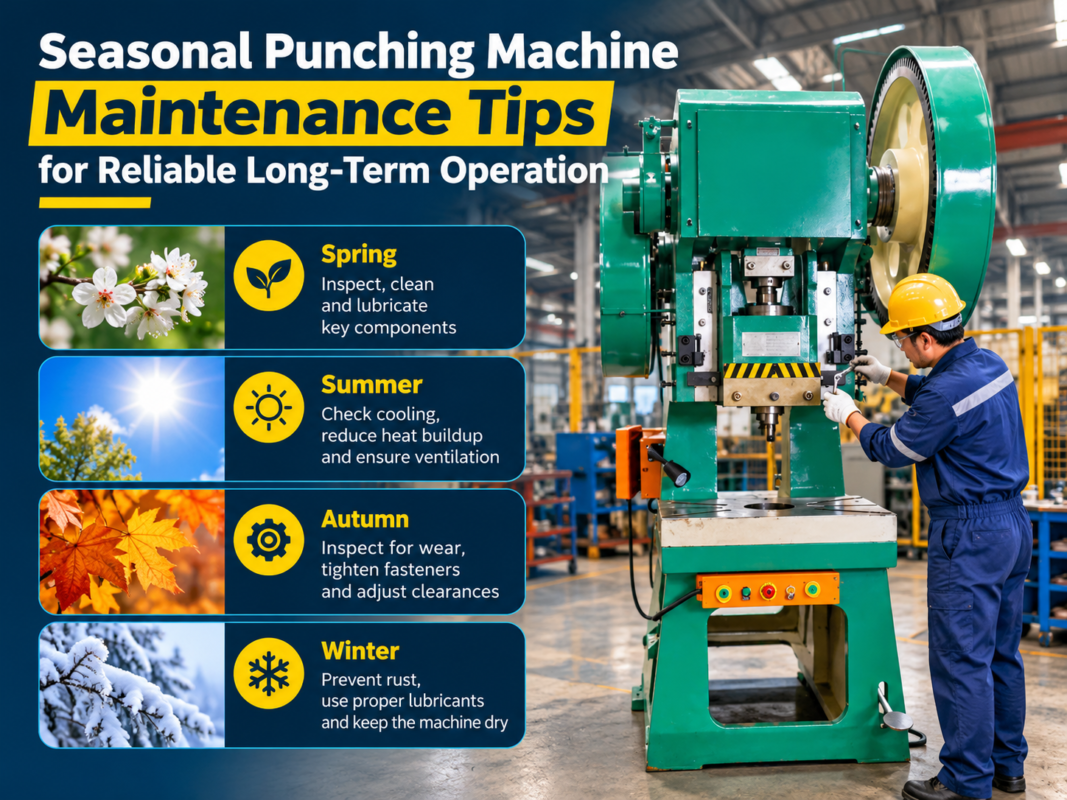
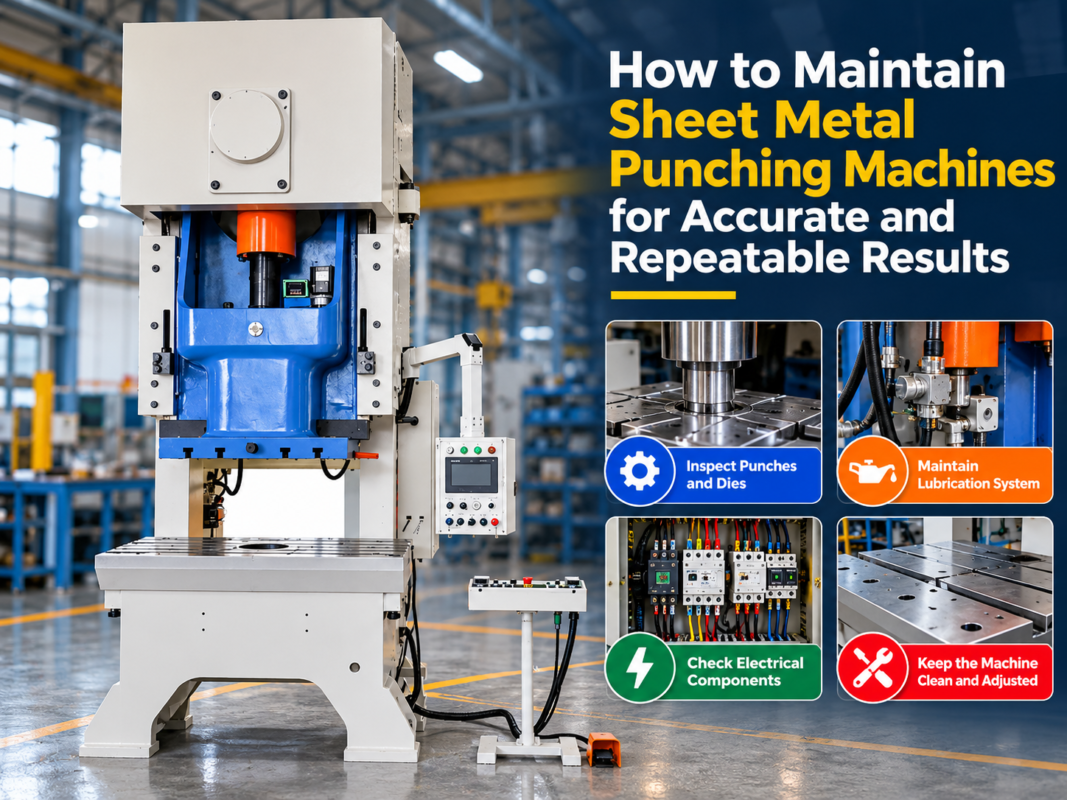
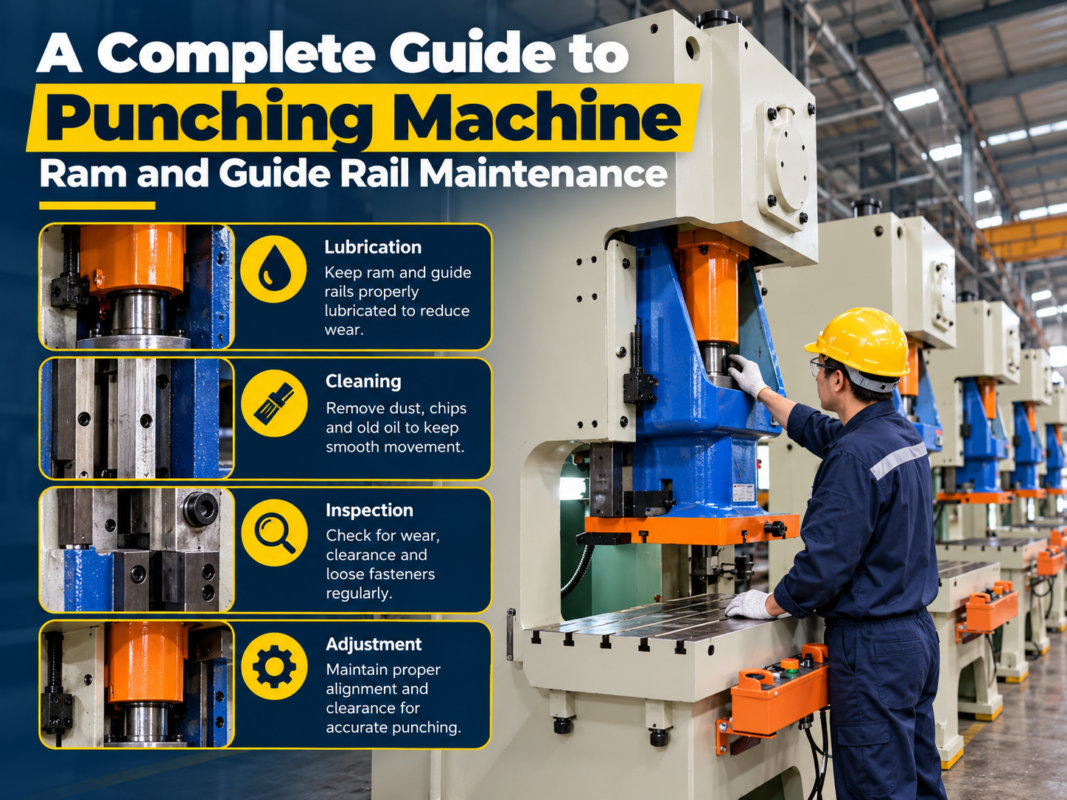
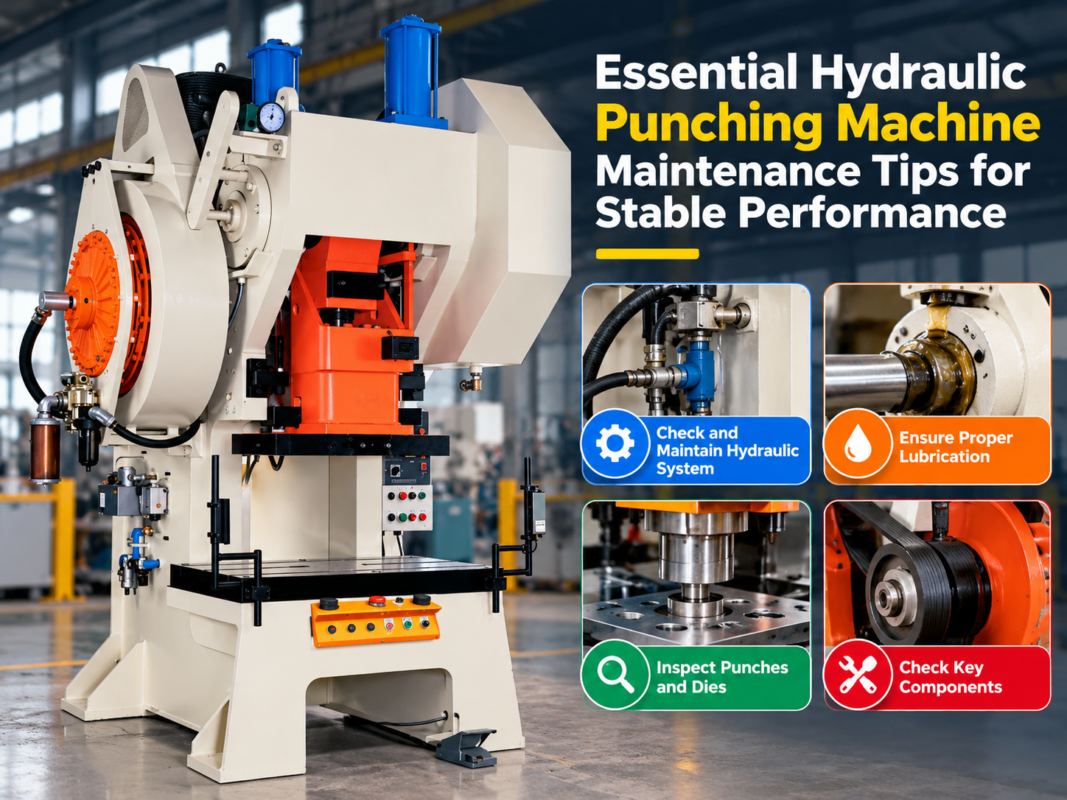
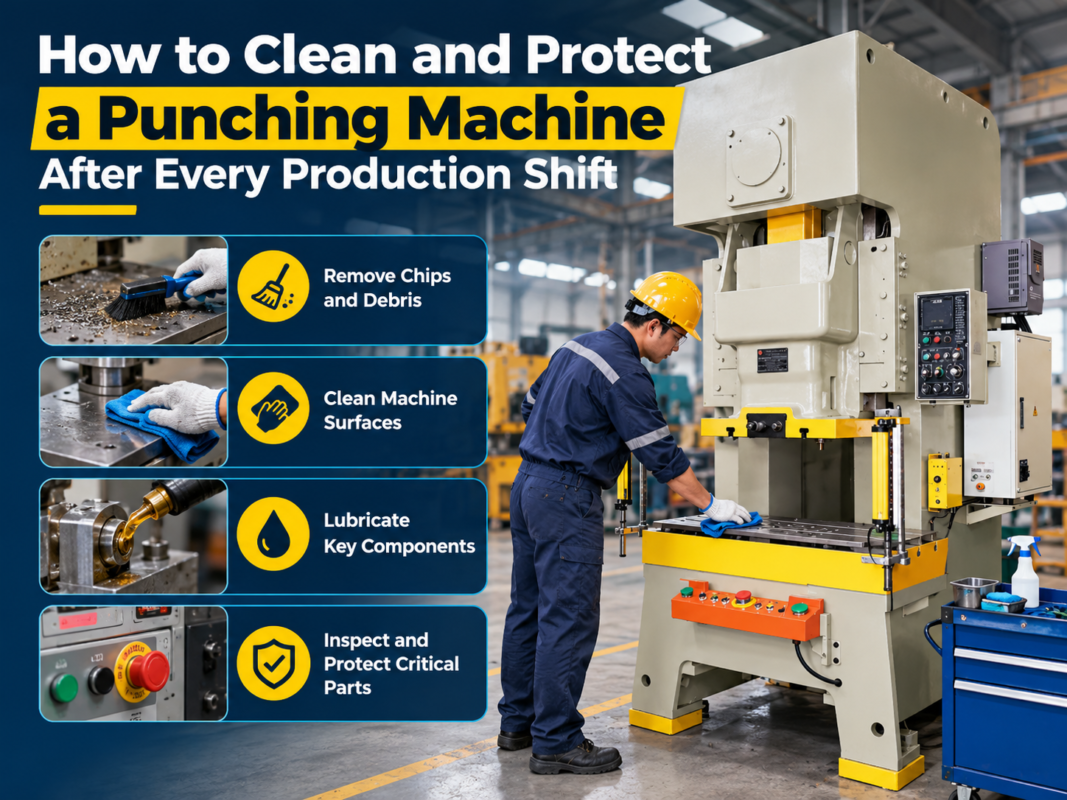
To ensure your hydraulic press remains a productive asset, a rigorous maintenance schedule is essential. Regularly check the hydraulic fluid levels and quality. Contaminated fluid is the leading cause of valve failure and pump degradation. Implement a filtration system that keeps the oil clean and within the manufacturer’s specified temperature range.
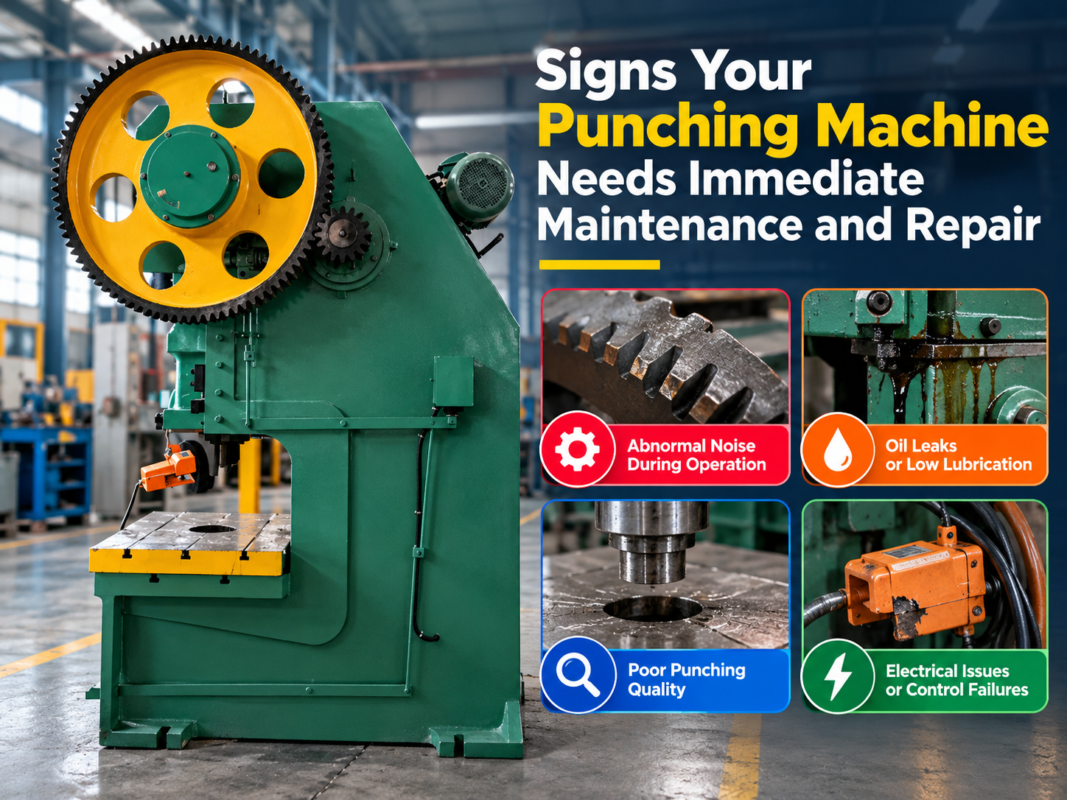
Inspect the seals and hoses periodically for signs of wear or leakage. Even a minor leak can lead to a significant drop in pressure and efficiency over time. Replacing these components during scheduled downtime is far more cost-effective than dealing with an emergency breakdown during a peak production run.
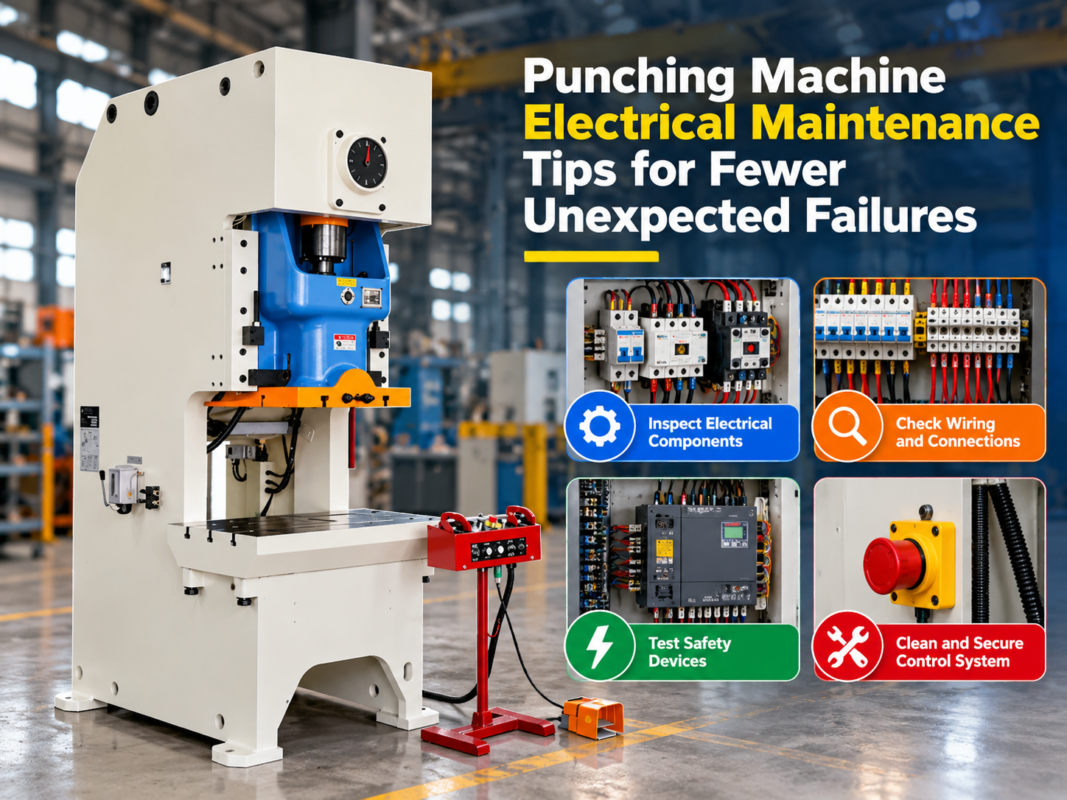
The electrical and control systems also require attention. Keep the control cabinet clean and free of dust, as heat buildup can damage sensitive electronic components. Regularly back up your CNC programs and ensure that the software is updated to the latest version provided by the manufacturer. This keeps your machine running at peak efficiency and ensures compatibility with new tooling.
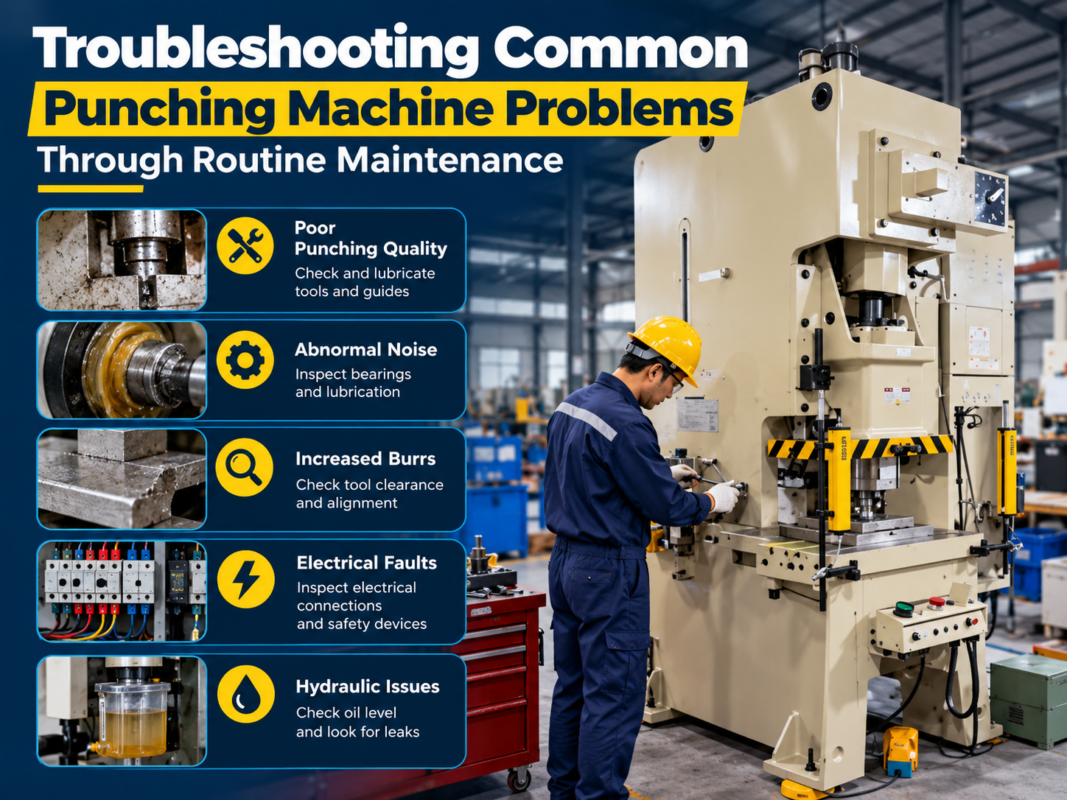
Lastly, train your operators thoroughly. A well-trained operator is the best defense against machine damage. They should be able to recognize the early warning signs of mechanical issues, such as unusual noises, vibrations, or inconsistent cycle times. By fostering a culture of proactive maintenance, you extend the lifespan of your HARSLE equipment and maximize your return on investment.
Frequently Asked Questions (FAQ)
What is the main difference between a hydraulic press and a mechanical press?
A hydraulic press provides constant force throughout the entire stroke, whereas a mechanical press provides maximum force only at the bottom of the stroke. This makes hydraulic presses better for deep drawing and forming.
How do I determine the tonnage required for my application?
Tonnage is calculated based on the material thickness, the length of the cut or bend, and the material’s shear strength. It is recommended to consult with a HARSLE engineer to perform a precise force calculation for your specific project.
Can a hydraulic press be used for multiple applications?
Yes, especially with modern CNC controls. By changing the tooling and the programmed pressure/speed profiles, a single hydraulic press can perform stamping, forming, and assembly tasks.
How often should I change the hydraulic oil?
The frequency depends on usage and environmental conditions. Generally, oil should be analyzed every 2,000 hours of operation to determine if it needs replacement or filtration.
What safety features are standard on HARSLE hydraulic presses?
Our presses come equipped with light curtains, emergency stop buttons, interlocked safety guards, and dual-hand control systems to ensure operator safety during all phases of operation.
Conclusion
Choosing the right hydraulic press for different industrial applications is a strategic decision that impacts your production quality, efficiency, and bottom line. By carefully evaluating your tonnage requirements, frame configuration, and control capabilities, you can select a machine that not only meets your current needs but also scales with your business. HARSLE remains dedicated to providing the high-quality metal fabrication equipment and technical support necessary to keep your operations running smoothly. Whether you are a small job shop or a large-scale manufacturer, the right hydraulic press is the foundation of your success. Explore our range of solutions today and take the first step toward optimized production.