
Press Brake Price Guide 2026: How Much Does a New Machine Cost?


Press Brake Price Guide 2026: How Much Does a New Machine Cost?
In the rapidly evolving landscape of metal fabrication, understanding the financial commitment required for new machinery is essential for long-term business planning. As we enter 2026, the market for bending technology has shifted toward higher automation, energy efficiency, and precision control. For shop owners and procurement managers, the question remains: Press Brake Price 2026: Much Does A New Machine Cost? The answer is rarely a single number, as it depends on a complex interplay of tonnage, bending length, control systems, and automation levels.
At HARSLE, we recognize that a press brake is the heart of a fabrication shop. Whether you are upgrading from a manual machine or expanding your production capacity with a high-speed CNC system, this guide provides a transparent look at the current market pricing and the factors that influence your bottom line. By breaking down the costs into manageable segments, we aim to help you make an informed decision that aligns with your production goals and budgetary constraints.
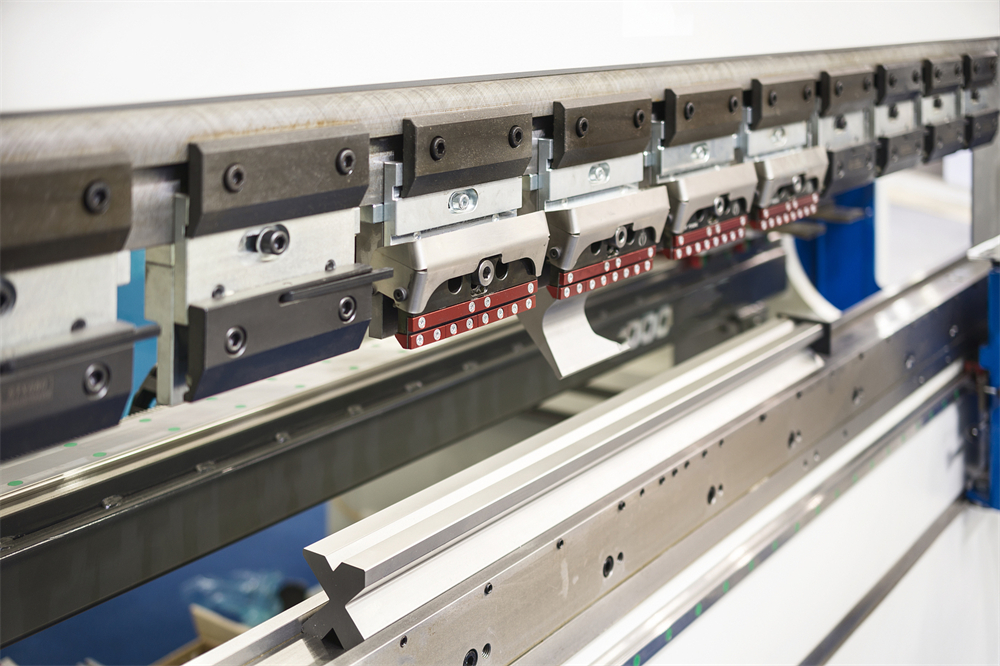
Price Range Overview
The cost of a new press brake in 2026 generally falls into three distinct tiers based on capability and manufacturing origin. Entry-level machines, often used for light-gauge fabrication or small job shops, typically range from $25,000 to $50,000. These machines often feature basic CNC controllers and manual backgauge adjustments, making them ideal for simpler bending tasks where high-volume automation is not the primary requirement.
Mid-range machines, which represent the bulk of the industrial market, typically cost between $60,000 and $150,000. These units are the workhorses of the industry, featuring advanced hydraulic systems, multi-axis backgauges, and sophisticated CNC controllers that allow for complex part programming. These machines are designed for durability and precision, capable of handling a wide variety of materials and thicknesses with minimal setup time.
High-end, fully automated systems can exceed $250,000 to $500,000 or more. These machines are often integrated into robotic cells, featuring automatic tool changers, dynamic crowning systems, and advanced software integration for Industry 4.0 compliance. While the initial investment is significant, the reduction in labor costs and the increase in throughput often justify the price for high-volume manufacturers looking to maximize their competitive edge in 2026.
Main Cost Drivers
Tonnage and bending length are the primary physical drivers of a press brake’s price. Tonnage refers to the amount of force the machine can exert, while bending length determines the size of the workpiece it can accommodate. As a rule of thumb, the higher the tonnage and the longer the bed, the more robust the frame must be, which directly increases the material and manufacturing costs of the machine. Choosing the right size is critical; undersizing leads to machine failure, while oversizing leads to unnecessary capital expenditure.
The control system is another major cost factor. Modern CNC controllers are no longer just simple input devices; they are powerful computers that manage the entire bending process. Features such as 3D visualization, offline programming, and cloud-based diagnostics add value and cost. A machine with a high-end controller can significantly reduce programming time and scrap rates, which is a vital consideration when calculating the total cost of ownership over the life of the machine.
Hydraulic and electrical components also play a significant role. High-quality valves, pumps, and servo motors ensure the longevity and precision of the machine. In 2026, energy-efficient drives are becoming standard. While these components may carry a higher upfront cost, they offer substantial savings in electricity consumption and maintenance over the machine’s lifespan. Investing in premium components from reputable manufacturers ensures that your machine remains reliable under heavy production cycles.
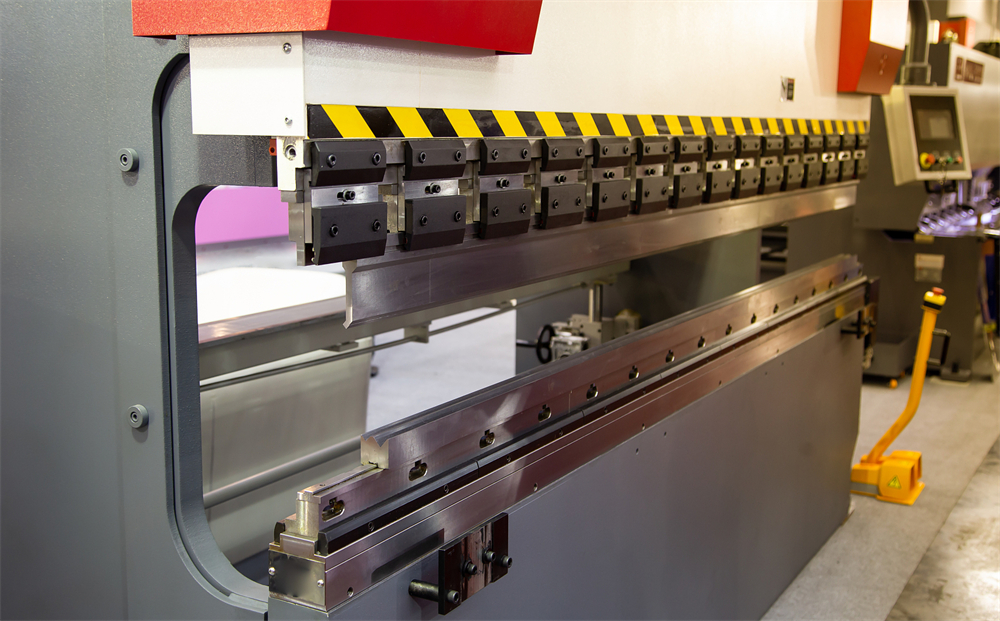
Configuration Impact
The configuration of your press brake can drastically alter the final price. For instance, the number of axes on the backgauge is a critical decision. A standard 2-axis backgauge (X and R) is sufficient for many applications, but moving to a 4-axis or 6-axis system allows for more complex part geometries and faster setup times. Each additional axis adds complexity to the machine’s design and software, which is reflected in the price tag.
Tooling and clamping systems are often overlooked during the initial quote but are essential for productivity. Hydraulic clamping systems allow for rapid tool changes, significantly reducing downtime between jobs. Similarly, high-precision, hardened tooling ensures consistent bend angles across different material batches. While these might seem like optional upgrades, they are often necessary for shops that handle a high mix of low-volume parts, where setup speed is the primary driver of profitability.
Safety features are non-negotiable in modern fabrication. Laser guarding systems, light curtains, and safety interlocks are standard on most high-quality machines in 2026. While these features add to the initial cost, they are essential for protecting operators and ensuring compliance with international safety standards. Attempting to cut costs by omitting these features is not only dangerous but can also lead to significant legal and insurance liabilities that far outweigh the initial savings.
Hidden Costs
When budgeting for a new press brake, it is vital to account for hidden costs that go beyond the purchase price. Installation and commissioning are significant factors. Depending on the size of the machine, you may need to prepare a reinforced concrete foundation, ensure adequate electrical supply, and provide compressed air lines. These site preparation costs can range from a few thousand to tens of thousands of dollars.
Training is another essential investment. Even the most advanced machine is only as effective as the operator using it. Budgeting for professional training sessions for your staff ensures that they can utilize the machine’s full potential, from basic bending to advanced multi-step programming. Neglecting training often leads to underutilized machinery and lower-than-expected productivity, which effectively increases the cost per part produced.
Maintenance and tooling replacement should also be factored into your long-term budget. Regular preventative maintenance, including hydraulic fluid changes, filter replacements, and software updates, is necessary to keep the machine running at peak performance. Additionally, tooling will eventually wear out and need to be replaced or sharpened. Planning for these recurring costs ensures that your machine remains a productive asset rather than a source of unexpected financial strain.
ROI Calculation
Calculating the Return on Investment (ROI) for a new press brake requires a holistic view of your production process. Start by analyzing your current labor costs, scrap rates, and setup times. A new machine with faster setup capabilities and higher precision can significantly reduce these costs. For example, if a new machine reduces setup time by 30 minutes per day and decreases scrap by 2%, the cumulative savings over a year can be substantial.
Consider the throughput increase as well. If your current machine is a bottleneck, a faster, more automated press brake can allow you to take on more work without increasing your headcount. This increased capacity is a direct contributor to revenue growth. When calculating ROI, compare the total cost of ownership—including purchase price, maintenance, energy, and labor—against the projected increase in production value over a five-to-ten-year period.
Finally, consider the intangible benefits of a new machine. Improved part quality can lead to higher customer satisfaction and repeat business. A modern, efficient shop is also more attractive to skilled labor, which is a significant advantage in today’s competitive job market. While these benefits are harder to quantify, they are nonetheless critical to the long-term success and sustainability of your fabrication business.
Buying Advice
Before purchasing, define your specific needs. Are you bending thin sheet metal for enclosures, or are you working with thick plate for structural components? Understanding your material range and typical part complexity will help you avoid over-specifying or under-specifying your machine. Consult with your HARSLE representative to discuss your current and future production requirements so we can recommend a machine that grows with your business.
Always request a demonstration or visit a facility where the machine is in operation. Seeing the machine in action allows you to evaluate its build quality, ease of use, and speed. Pay attention to the controller interface—is it intuitive? Does it support the file formats you use in your design software? A machine that is difficult to program will quickly become a source of frustration for your operators.
Lastly, prioritize the manufacturer’s support network. A press brake is a long-term investment, and you need a partner who can provide timely technical support, spare parts, and maintenance services. At HARSLE, we pride ourselves on our comprehensive after-sales support, ensuring that your machine remains a reliable part of your production line for years to come. Don’t just buy a machine; invest in a partnership that supports your growth.
FAQ
- What is the average lifespan of a modern press brake? With proper maintenance, a high-quality press brake can last 15 to 20 years or more.
- How does automation affect the price? Automation, such as robotic loading/unloading or automatic tool changers, can increase the price by 50% to 100% but significantly boosts throughput.
- Is it better to buy new or used? New machines offer the latest technology, warranties, and energy efficiency, while used machines offer lower upfront costs but may come with higher maintenance risks.
- What is the most important factor when choosing a press brake? The most important factor is matching the machine’s capabilities (tonnage, length, and control) to your specific production requirements.
- How long does it take to get a return on investment? ROI typically ranges from 2 to 5 years, depending on your production volume and the efficiency gains achieved with the new equipment.












