
Press Brake Cost Breakdown: Factors That Affect Machine Pricing


Price Range Overview
Investing in a press brake is a significant capital expenditure for any metal fabrication shop. Understanding the press brake cost breakdown is essential for making an informed decision that aligns with your production requirements and long-term financial goals. Generally, the market for press brakes is segmented into entry-level manual machines, mid-range CNC hydraulic systems, and high-end electric or hybrid servo-driven units. Prices can range anywhere from $20,000 for basic entry-level models to well over $500,000 for fully automated, high-tonnage robotic bending cells.
For small job shops, a standard hydraulic CNC press brake typically falls in the $40,000 to $120,000 range. This tier offers the best balance of versatility and affordability for general sheet metal work. As you move into specialized applications—such as high-precision aerospace components or heavy-duty structural steel bending—the complexity of the machine increases, pushing the price point significantly higher due to the need for advanced crowning systems, multi-axis backgauges, and specialized safety light curtains.
It is important to view the purchase price not just as a one-time cost, but as an investment in throughput. A machine that costs $150,000 might be more economical than a $60,000 machine if it reduces setup time by 50% and eliminates scrap parts. HARSLE emphasizes that the initial price tag is only one variable in the total cost of ownership, which includes energy consumption, tooling wear, and maintenance intervals.
When evaluating the market, buyers should also consider the geographic origin of the machine and the level of local support provided. While lower-cost machines may seem attractive, the lack of readily available spare parts or technical support can lead to costly downtime. HARSLE provides a comprehensive support network, ensuring that your investment remains productive throughout its lifecycle, which is a critical factor often overlooked in the initial price comparison.
Main Cost Drivers
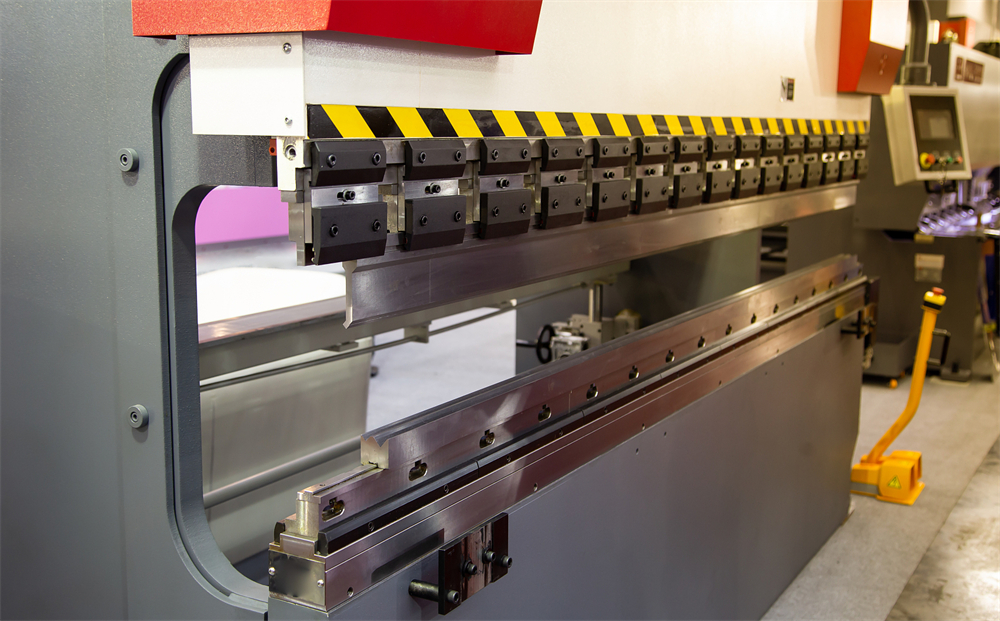
The primary driver of press brake pricing is tonnage capacity. Tonnage refers to the amount of force the machine can exert to bend metal. Higher tonnage machines require thicker frames, more robust hydraulic cylinders, and more powerful motors to handle the stress of bending heavy-gauge materials. Consequently, as you scale up from a 40-ton machine to a 400-ton machine, the cost increases exponentially due to the raw material and engineering requirements.
Bending length is the second major cost driver. A machine capable of bending 10-foot sheets requires a longer bed and ram, which necessitates a more rigid frame to prevent deflection during the bending process. Maintaining precision over a 10-foot span is significantly more difficult and expensive than over a 4-foot span, as it requires sophisticated crowning systems to compensate for the natural bowing of the machine under load.
The sophistication of the CNC controller also plays a pivotal role in the final price. Modern controllers do more than just manage the ram depth; they integrate with CAD/CAM software, simulate bends to prevent collisions, and manage multi-axis backgauges. A basic controller might only handle two axes, whereas a high-end controller can manage up to 12 or more axes, including automatic tool changing and sheet following systems. These software capabilities add significant value and cost to the machine.
Finally, the quality of the hydraulic and electrical components—such as valves, pumps, and servo motors—dictates the machine’s longevity and performance. Premium components from reputable global manufacturers ensure that the machine maintains its accuracy over millions of cycles. While these components increase the upfront cost, they drastically reduce the frequency of repairs and the cost of replacement parts over the life of the machine.
Configuration Impact
Customizing your press brake configuration allows you to tailor the machine to your specific production needs, but each addition adds to the total cost. One of the most impactful configurations is the backgauge system. A standard 2-axis backgauge is sufficient for simple bends, but for complex, multi-stage parts, a 4, 6, or even 8-axis backgauge is necessary. These systems allow for the bending of tapered parts and complex geometries that would otherwise require multiple setups.
Crowning systems are another essential configuration for precision. Because a press brake bed naturally deflects under pressure, a crowning system—either mechanical or hydraulic—is used to compensate for this deflection, ensuring a consistent bend angle across the entire length of the part. Hydraulic crowning systems are generally more expensive but offer superior control and repeatability, making them a standard requirement for high-precision fabrication shops.
Tooling style and clamping systems also impact the price. Hydraulic tool clamping systems allow for rapid tool changes, which is critical for shops that perform frequent job changeovers. While manual clamping is cheaper, the time lost during tool changes can quickly erode the profitability of a high-mix, low-volume production environment. Investing in quick-change systems is often a cost-effective decision in the long run.
Safety features are non-negotiable, yet they vary in complexity and cost. Basic light curtains provide a standard level of protection, but advanced laser safety systems that monitor the bending zone in real-time allow for faster ram speeds without compromising operator safety. These systems are an additional investment, but they are essential for maximizing production speed and meeting modern safety regulations in industrial environments.
Hidden Costs
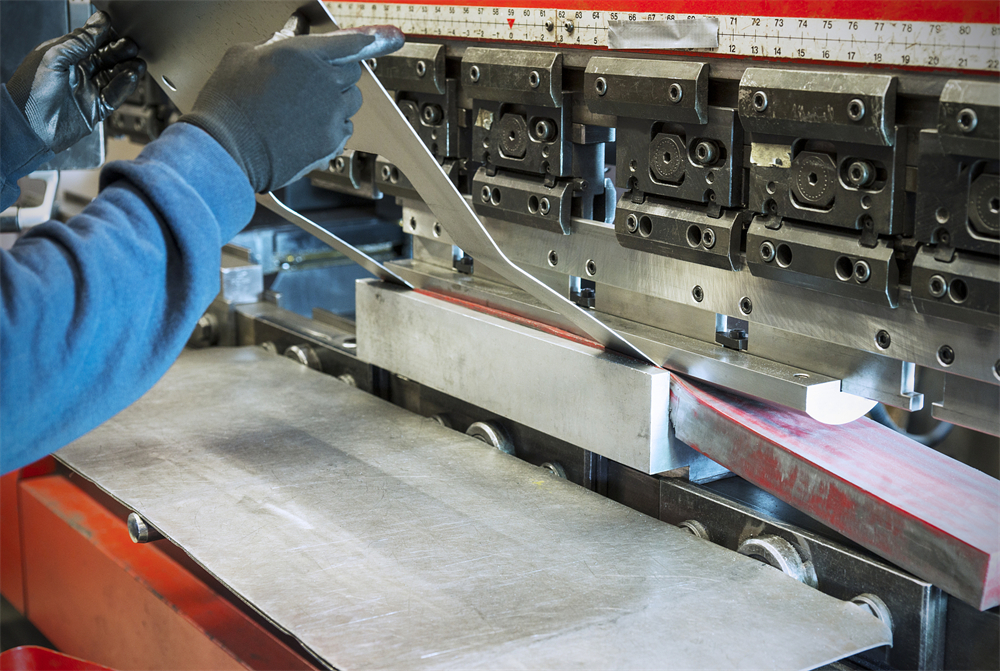
When budgeting for a press brake, many buyers focus solely on the machine price, forgetting the “hidden” costs associated with installation and operation. Shipping and rigging can be significant, especially for heavy-tonnage machines that require specialized transport and crane services for installation. It is vital to get a clear quote for delivery and professional installation to avoid budget overruns.
Foundation requirements are another often-overlooked expense. High-tonnage machines require a reinforced concrete foundation to handle the weight and vibration. If your existing shop floor is not rated for the machine’s weight, you may need to invest in structural modifications. Additionally, electrical upgrades—such as dedicated power lines, transformers, or specialized voltage requirements—must be factored into the initial setup cost.
Tooling is perhaps the most significant ongoing hidden cost. While a machine may come with a basic set of punches and dies, most shops will need to purchase specialized tooling for specific part geometries. High-quality, hardened tooling is expensive, and failing to budget for a comprehensive tooling library can leave you with a machine that cannot perform the tasks you bought it for. It is recommended to allocate 10-15% of the machine budget specifically for initial tooling.
Maintenance and training costs should also be considered. Regular preventative maintenance is required to keep the machine in peak condition. This includes hydraulic oil changes, filter replacements, and software updates. Furthermore, training your operators to use the CNC controller effectively is an investment that pays off in reduced scrap rates and faster cycle times. HARSLE offers training programs that help your team get up to speed quickly, minimizing the learning curve.
ROI Calculation
Calculating the Return on Investment (ROI) for a press brake requires looking beyond the purchase price. Start by determining the current cost per part, including labor, material waste, and machine time. Then, estimate the potential savings with the new machine. For example, if a new CNC press brake reduces setup time by 30 minutes per job and you perform four jobs a day, you are saving two hours of labor daily. At an average shop rate, this adds up to significant annual savings.
Consider the reduction in scrap rates. Older, manual machines often result in inconsistent bends, leading to wasted material and rework. A modern CNC press brake with precise angle control can reduce scrap to near zero. The cost of wasted material, especially when working with expensive alloys like stainless steel or aluminum, can be a major drain on profits. By eliminating this waste, the machine pays for itself much faster.
Increased throughput is another factor. A faster, more reliable machine allows you to take on more work or reduce lead times, which can lead to increased customer satisfaction and repeat business. If the new machine allows you to bid on projects that were previously impossible due to complexity or precision requirements, the revenue growth can be substantial.
Finally, factor in the tax benefits and depreciation. Many regions offer tax incentives for capital equipment investments, which can effectively lower the net cost of the machine. Consult with your financial advisor to understand how depreciation and tax credits can improve your ROI calculation. When viewed as a strategic asset rather than just an expense, the ROI of a high-quality HARSLE press brake becomes very clear.
Buying Advice
Before purchasing a press brake, conduct a thorough audit of your current and future production needs. Do not buy a machine that is significantly larger than what you need, as you will be paying for capacity you never use. Conversely, do not undersize your machine, as this will limit your capabilities and force you to outsource work. Aim for a machine that covers 90% of your current work, with a small margin for growth.
Research the manufacturer’s reputation for support. A press brake is a long-term asset, and you need a partner who will be there for parts, service, and technical advice years down the road. HARSLE prides itself on its commitment to customer success, providing comprehensive documentation and responsive support to ensure your machine stays operational.
Always request a demonstration or visit a facility where the machine is in operation. Seeing the machine in action allows you to evaluate its build quality, the ease of use of the controller, and the speed of the backgauge. Ask the operator about their experience with the machine and whether they find it intuitive and reliable. This real-world feedback is invaluable.
Finally, negotiate the package, not just the machine. Often, you can bundle tooling, training, and extended warranties into the purchase price. This can provide better value and peace of mind than buying these items separately. By taking a holistic approach to the purchase, you ensure that you are getting the best possible value for your investment.
FAQ
- What is the most important factor in press brake pricing? Tonnage and bending length are the primary drivers, followed by the complexity of the CNC controller and the level of automation.
- How much should I budget for tooling? It is recommended to allocate approximately 10-15% of the total machine cost for a versatile set of punches and dies.
- Is it better to buy a new or used press brake? New machines offer the latest technology, warranties, and reliability. Used machines can be cheaper but often come with hidden maintenance costs and lack modern safety features.
- How often does a press brake need maintenance? Regular preventative maintenance should be performed every 6 to 12 months, depending on usage intensity, to ensure longevity and accuracy.
- Can I upgrade my press brake later? Some features, like backgauge axes or software upgrades, can be added later, but core structural components like the frame and hydraulic system cannot be upgraded.












