How to Compare Press Brake Prices Before You Buy: A Comprehensive HARSLE Guide


Price Range Overview
When you set out to compare press brake prices before you buy, it is essential to understand that the market is segmented by tonnage, bending length, and automation level. Entry-level hydraulic press brakes designed for small job shops often start in the lower price brackets, focusing on manual operation and basic bending capabilities. These machines are ideal for businesses handling light-gauge materials where high-speed production is not the primary bottleneck.
Moving into the mid-range, you encounter CNC-controlled hydraulic press brakes that offer a balance between precision and cost-efficiency. These machines are the workhorses of the metal fabrication industry, featuring multi-axis backgauges and advanced controllers that allow for complex bending sequences. Prices here reflect the integration of higher-quality hydraulic components, more robust frames, and sophisticated software interfaces that reduce setup time significantly.
At the high end of the spectrum, you will find high-speed electric press brakes and fully automated robotic bending cells. These systems command a premium price due to their energy efficiency, extreme precision, and ability to operate lights-out. When evaluating these options, the initial capital expenditure is significantly higher, but the cost-per-part is often lower due to reduced labor requirements and increased throughput.
Understanding where your specific production needs fall within these tiers is the first step in the procurement process. A common mistake is over-specifying a machine for simple tasks or under-specifying for complex, high-tolerance work. By mapping your current and projected production volume against these price tiers, you can narrow your search to machines that provide the best value for your specific operational requirements.
Finally, consider the geographical and brand-related price variations. HARSLE, for instance, provides competitive pricing by leveraging streamlined manufacturing processes and global supply chain efficiencies. When you compare press brake prices before you buy, ensure you are comparing “apples to apples” by looking at the build quality, the origin of critical components like valves and controllers, and the level of local support provided by the manufacturer.
Main Cost Drivers
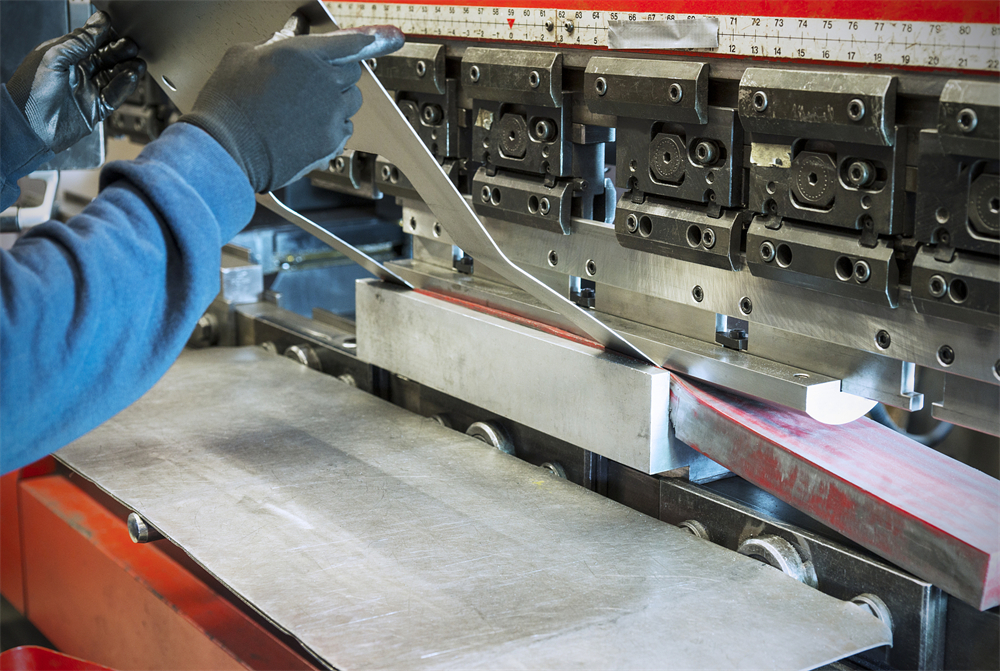
The primary cost driver for any press brake is its tonnage capacity. Tonnage refers to the amount of force the machine can exert to bend metal. Higher tonnage machines require thicker steel plates for the frame, more powerful hydraulic pumps, and larger cylinders, all of which drive up the manufacturing cost. It is tempting to buy the largest machine possible, but excessive tonnage leads to unnecessary energy consumption and higher maintenance costs.
Bending length is the second major factor. A 4-meter press brake is inherently more expensive than a 2-meter model because the frame must be longer and more rigid to prevent deflection during the bending process. Deflection is the enemy of precision; therefore, manufacturers must invest in high-grade, stress-relieved steel to ensure the machine maintains accuracy across its entire length. When you compare press brake prices before you buy, always verify the bending length against your longest typical part.
The CNC controller is the “brain” of the machine and a significant cost component. Modern controllers from brands like DELEM or ESA offer advanced features such as 3D simulation, automatic bend sequence calculation, and cloud connectivity. While a basic controller might suffice for simple 90-degree bends, complex parts with multiple flanges require advanced software to minimize errors and scrap rates. The cost of the controller often reflects the ease of use and the reduction in operator training time.
Hydraulic and electrical components also dictate the price. High-quality proportional valves, servo-driven backgauges, and reliable electrical cabinets ensure the machine remains operational for years. Cheaper alternatives may lower the initial purchase price but often lead to frequent downtime and higher long-term costs. HARSLE prioritizes the use of internationally recognized components to ensure that our machines offer a reliable balance between initial investment and operational longevity.
Lastly, the level of customization impacts the final quote. Features such as hydraulic tool clamping, laser safety systems, and specialized crowning systems add to the total cost. While these features increase the upfront price, they often pay for themselves by drastically reducing setup times and increasing operator safety. Carefully evaluate which options are “must-haves” versus “nice-to-haves” based on your specific production workflow.
Configuration Impact
Configuration is where the price can fluctuate wildly. A standard 3-axis machine (Y1, Y2, X) is the baseline for most shops. However, adding axes—such as an R-axis for backgauge height or Z-axis for finger movement—increases the machine’s versatility. Each additional axis requires extra motors, drives, and software integration, which adds to the machine’s complexity and price tag.
The type of crowning system is another critical configuration choice. Manual crowning is the most affordable but requires time-consuming adjustments. Motorized or hydraulic crowning systems, which automatically compensate for frame deflection during the bend, are more expensive but essential for high-precision work. If your shop produces parts with tight tolerances, investing in an automatic crowning system is non-negotiable.
Tooling compatibility is often overlooked when comparing prices. Some machines use proprietary tooling systems that lock you into a single supplier, while others use standard European or American style tooling. Machines that support universal tooling allow you to source blades and dies from multiple vendors, potentially saving you money in the long run. Always check the tooling interface before finalizing your purchase decision.
Safety configurations, such as laser light curtains or camera-based safety systems, are mandatory in many regions and highly recommended everywhere. These systems protect operators from pinch points and allow for faster approach speeds, which improves cycle times. While these systems add to the initial cost, they are vital for compliance and risk mitigation. Never compromise on safety to save on the purchase price.
Finally, consider the integration of material handling systems. If you are looking to automate, you might need a press brake configured with front support arms, sheet followers, or even a full robotic interface. These configurations transform a standalone machine into a production cell. While the price is significantly higher, the labor savings and consistency provided by automation can be transformative for high-volume manufacturers.
Hidden Costs
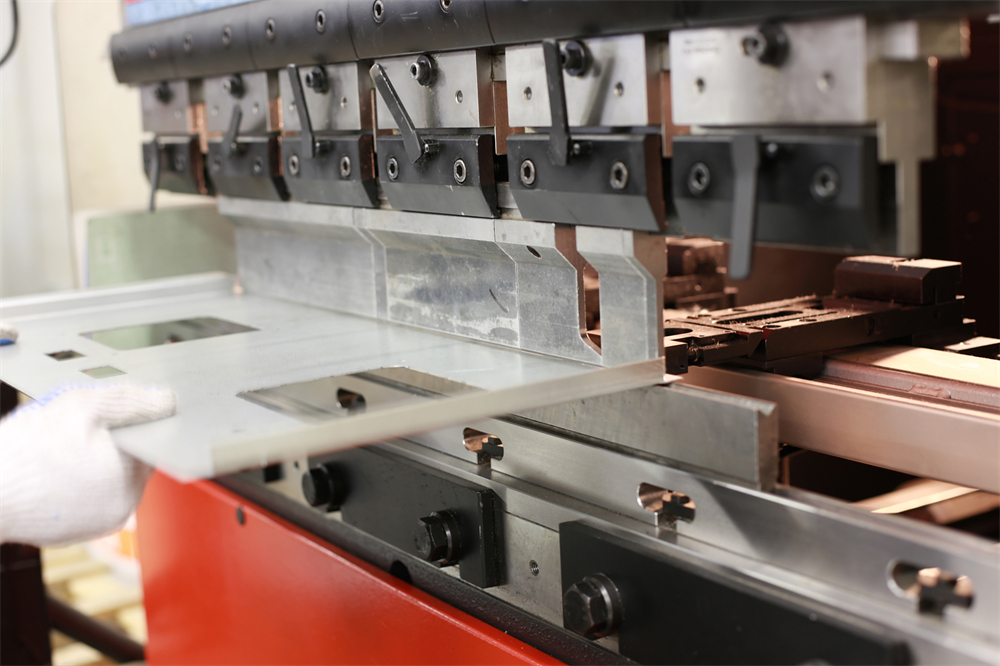
When you compare press brake prices before you buy, you must look beyond the sticker price. Shipping and installation are often excluded from the initial quote. Depending on the size of the machine, you may need specialized rigging, heavy-duty flooring, and professional electrical installation. These costs can add thousands to your budget, so always ask for a “delivered and installed” quote.
Training is another hidden cost. A sophisticated CNC press brake is only as good as the operator using it. If your team is not trained on the specific controller and software, the machine will sit idle or operate at a fraction of its capacity. Factor in the cost of professional training sessions, either on-site or at the manufacturer’s facility, to ensure a quick return on your investment.
Maintenance and spare parts are ongoing expenses. Ask the manufacturer about the availability of local service technicians and the lead time for critical components. A machine that is down for two weeks waiting for a part from overseas is far more expensive than a slightly higher-priced machine that comes with local support and a robust spare parts inventory. HARSLE emphasizes a global service network to minimize these risks for our clients.
Energy consumption should also be considered. Older hydraulic designs or poorly maintained systems can consume significant amounts of electricity. Modern servo-hydraulic or electric press brakes are much more energy-efficient. Over the lifespan of the machine, the difference in electricity bills can be substantial, making a more expensive, energy-efficient machine the cheaper option in the long run.
Finally, consider the cost of tooling and software updates. Some manufacturers charge annual licensing fees for their bending software or simulation tools. Others provide lifetime updates. Understanding these recurring costs is vital for accurate long-term budgeting. Always ask for a comprehensive list of potential ongoing costs before signing the purchase agreement.
ROI Calculation
Calculating the Return on Investment (ROI) is the most objective way to compare press brake prices before you buy. Start by calculating the cost per part. This includes the operator’s hourly wage, the machine’s electricity usage, the cost of tooling wear, and the overhead of the floor space. By comparing this to your current production method, you can determine how quickly the new machine will pay for itself.
Consider the reduction in scrap rates. A high-precision CNC press brake with advanced crowning and angle measurement systems will produce fewer bad parts than an older, manual machine. If your current scrap rate is high, the savings from reduced material waste alone can justify the purchase of a more expensive, high-precision machine within a few years.
Evaluate the impact on lead times. If a new, faster press brake allows you to take on more work or meet tighter deadlines, the increase in revenue should be factored into your ROI. Sometimes, the ability to produce a part in one minute instead of three minutes is the difference between winning and losing a contract. Increased throughput is a powerful driver of profitability.
Factor in labor savings. If a machine requires less operator intervention or allows for easier setup, you can reallocate your skilled labor to other value-added tasks. In a tight labor market, the ability to do more with fewer people is a significant competitive advantage. A machine that is easier to program and operate reduces the barrier to entry for junior staff.
Finally, consider the resale value. High-quality, well-maintained press brakes from reputable brands like HARSLE hold their value much better than generic, low-cost alternatives. When you eventually decide to upgrade or sell the machine, the higher initial investment will be partially recouped. A machine that retains 60-70% of its value after five years is a much better investment than one that is worth almost nothing.
Buying Advice
Before you commit to a purchase, visit the manufacturer or a local showroom to see the machine in action. Don’t just look at the specs on paper; bring a sample of your most difficult part and ask them to bend it. This will give you a real-world test of the machine’s accuracy, speed, and ease of use. It is the best way to verify if the machine meets your specific needs.
Talk to other users of the brand. Ask for references and reach out to other fabrication shops that have purchased the same model. Ask them about their experience with the machine, the reliability of the service, and how the machine has performed over time. Real-world feedback is often more valuable than any brochure or sales pitch.
Check the warranty and support terms carefully. A long warranty is a sign of manufacturer confidence, but it is only as good as the support behind it. Ensure that the manufacturer has a clear process for technical support, remote diagnostics, and on-site repairs. A machine is a long-term partner for your business; choose a manufacturer that treats you like one.
Don’t ignore the software. The controller is the interface you will interact with every day. If the software is clunky, unintuitive, or lacks the features you need, you will regret the purchase every time you set up a job. Many manufacturers offer software simulators that you can run on your PC; use these to test the programming workflow before you buy.
Finally, trust your gut but verify with data. If a price seems too good to be true, it usually is. There is a reason why some machines are cheaper than others. By following the steps in this guide, you will be able to make an informed decision that balances your budget with your production goals, ensuring that your new HARSLE press brake becomes a cornerstone of your fabrication business for years to come.
FAQ
- How do I determine the right tonnage for my press brake?
Tonnage is calculated based on the material thickness, tensile strength, and the die opening width. Use a standard bending force chart or consult with a HARSLE engineer to ensure you select the correct capacity for your specific material range. - Is it better to buy a new or used press brake?
New machines offer the latest technology, full warranties, and reliable support. Used machines can be cheaper but often come with hidden wear and tear, lack of parts availability, and no warranty. For critical production, new is almost always the better long-term investment. - What is the difference between hydraulic and electric press brakes?
Hydraulic press brakes are powerful and versatile, suitable for a wide range of thicknesses. Electric press brakes are faster, more energy-efficient, and cleaner, but they are generally limited to lighter-gauge materials and smaller bending lengths. - How often should I perform maintenance on my press brake?
Daily checks should include cleaning the bed and checking for debris. Monthly and annual maintenance should be performed by a qualified technician to check hydraulic fluid levels, filter changes, and calibration of the backgauge and crowning systems. - Can I upgrade my press brake later?
Some features, like additional backgauge axes or advanced software, can be added later. However, structural features like tonnage and bending length are fixed at the time of manufacture. Always plan for your future growth when choosing the base machine.