Hydraulic Press Brake Price Guide: What Buyers Need to Know


Hydraulic Press Brake Price Range Overview
Investing in a hydraulic press brake is a significant capital expenditure for any metal fabrication business. Understanding the hydraulic press brake price buyers need know is the first step toward making a sound financial decision. Generally, the market for these machines is segmented into three tiers: entry-level, mid-range, and high-end industrial systems. Entry-level machines, often used for light-gauge sheet metal work, can range from $15,000 to $40,000. These machines typically feature basic CNC controllers and manual backgauge systems.
Moving into the mid-range category, which is the most common choice for job shops and medium-sized manufacturers, prices typically fall between $45,000 and $120,000. These systems offer higher tonnage, advanced multi-axis backgauges, and more sophisticated software integration. They are designed for versatility, allowing shops to handle a wide variety of materials and thicknesses with greater precision and repeatability.
High-end, heavy-duty industrial press brakes, often featuring automated tool changing, robotic integration, and advanced crowning systems, can easily exceed $200,000 to $500,000. These machines are engineered for 24/7 production environments where speed, accuracy, and minimal downtime are critical. When evaluating the hydraulic press brake price, buyers need to consider not just the sticker price, but the total cost of ownership over the machine’s lifespan.
It is essential to recognize that regional manufacturing costs, brand reputation, and the origin of components significantly influence the final quote. HARSLE provides competitive pricing by optimizing supply chain logistics and focusing on core performance features that deliver the highest value for the investment. Buyers should always request a detailed breakdown of what is included in the quote, such as tooling packages, installation, and training services.
Furthermore, the secondary market for press brakes can offer lower entry points, but it comes with inherent risks regarding wear and tear, lack of warranty, and outdated control systems. For most professional fabrication shops, purchasing a new machine from a reputable manufacturer like HARSLE ensures access to the latest safety standards, energy-efficient hydraulic systems, and comprehensive technical support, which often outweighs the initial savings of a used machine.
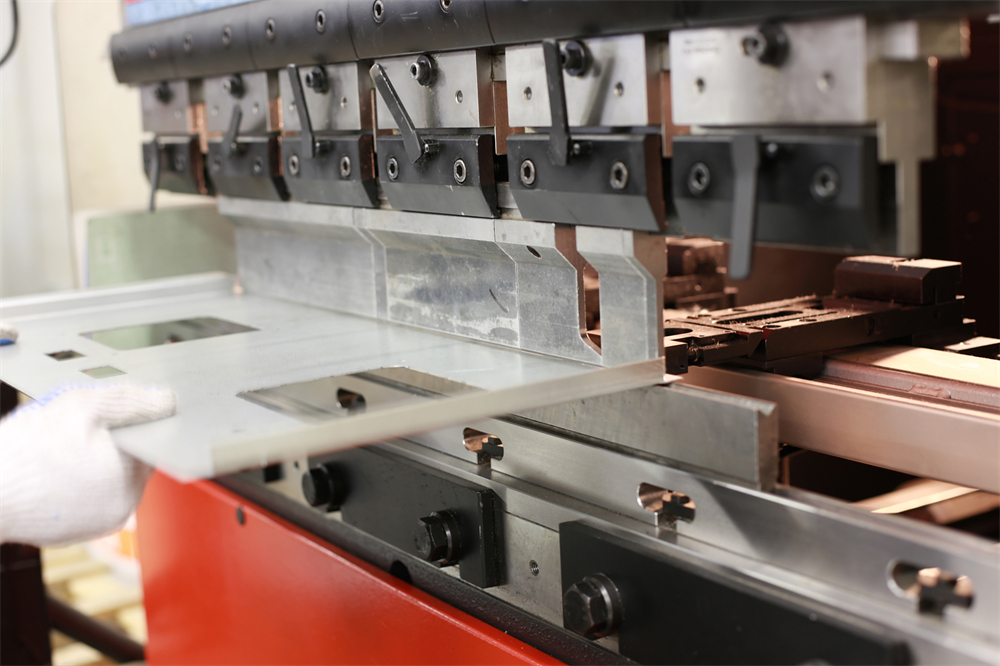
Main Cost Drivers in Press Brake Pricing
The primary factor driving the hydraulic press brake price is the machine’s tonnage capacity. Tonnage refers to the amount of pressure the machine can exert to bend metal. Higher tonnage machines require more robust frames, larger hydraulic cylinders, and more powerful motors, all of which increase the manufacturing cost. Buyers must accurately calculate their maximum bending requirements to avoid overspending on unnecessary capacity or underspending on a machine that cannot handle their workload.
Bending length is another critical cost driver. A machine capable of bending 4-meter sheets requires a much longer bed and ram, which necessitates thicker steel plates for the frame to prevent deflection. The structural integrity required to maintain accuracy over a long bed significantly impacts the price. If your shop rarely handles parts longer than 2 meters, investing in a 4-meter machine is an inefficient use of capital.
The sophistication of the CNC controller is a major differentiator in price. Modern controllers offer features like 3D visualization, automatic bend sequence calculation, and cloud connectivity for remote monitoring. While basic controllers are sufficient for simple, repetitive tasks, advanced controllers reduce setup time and operator error, which can lead to significant long-term savings. The cost of the controller reflects the R&D investment and the complexity of the software integration.
Hydraulic system components, such as valves, pumps, and seals, also dictate the price. High-quality, internationally recognized hydraulic components ensure reliability and longevity. Cheaper, generic components may lower the initial hydraulic press brake price, but they often lead to frequent maintenance issues and costly downtime. HARSLE prioritizes the use of premium hydraulic components to ensure that our machines maintain their performance standards over years of intensive use.
Finally, the level of automation included—such as automatic crowning, laser angle measurement, and sheet followers—adds to the cost. These features are designed to increase throughput and consistency. For high-volume production, the added cost of these features is easily justified by the reduction in scrap rates and the increase in parts per hour. Buyers need to weigh the cost of these features against their specific production volume and quality requirements.
Configuration Impact on Total Investment
When discussing the hydraulic press brake price buyers need know, the configuration of the machine is often where the most significant budget adjustments occur. A standard configuration might include a basic backgauge and manual crowning, but most modern shops require more advanced setups. Adding extra axes to the backgauge (e.g., moving from a 2-axis to a 6-axis system) allows for the bending of complex, non-parallel parts, which significantly expands the shop’s capabilities.
Tooling is another major configuration consideration. The type of tooling—whether standard European style, American style, or specialized custom dies—affects the initial investment. High-quality, hardened, and ground tooling is essential for precision bending. Many buyers overlook the cost of tooling when budgeting, but a comprehensive set of punches and dies can represent a significant percentage of the total machine cost. It is advisable to negotiate a tooling package at the time of the machine purchase to secure better pricing.
Safety features are non-negotiable in modern fabrication. Light curtains, laser safety guards, and dual-hand controls are standard on reputable machines. However, advanced safety systems that allow for faster ram speeds while maintaining operator protection can be an additional cost. Investing in superior safety technology not only protects employees but also reduces insurance premiums and minimizes the risk of costly workplace accidents.
Energy efficiency is an increasingly important configuration factor. Variable Frequency Drives (VFDs) and servo-hydraulic systems can significantly reduce electricity consumption compared to traditional constant-running hydraulic pumps. While these systems may increase the upfront hydraulic press brake price, the reduction in energy costs and the potential for lower maintenance on the hydraulic system provide a clear return on investment over the machine’s life.
Connectivity and Industry 4.0 readiness are also becoming standard requirements. Machines that can communicate with ERP systems, provide real-time production data, and allow for remote diagnostics are more expensive but offer unparalleled visibility into the manufacturing process. For shops looking to scale and optimize their operations, these digital features are essential investments that transform the press brake from a simple tool into a data-driven production asset.

Hidden Costs and Long-Term Maintenance
The purchase price is only the beginning. Buyers must account for hidden costs such as shipping, rigging, and installation. Moving a heavy-duty press brake requires specialized equipment and professional technicians. Depending on the location of the shop and the size of the machine, these logistics costs can add several thousand dollars to the total investment. It is crucial to get a clear quote that includes these services to avoid surprises.
Foundation requirements are another often-overlooked expense. Large press brakes require a reinforced concrete foundation to ensure stability and accuracy. If the existing shop floor is not suitable, the cost of cutting, excavating, and pouring a new foundation can be substantial. Always consult with the manufacturer’s technical team regarding the specific floor loading requirements before finalizing the purchase.
Maintenance and spare parts represent ongoing costs. A well-maintained machine will last for decades, but it requires regular lubrication, hydraulic fluid changes, and filter replacements. Additionally, software updates and potential repairs to the CNC controller or electronic components should be factored into the annual operating budget. Choosing a manufacturer with a strong local service presence and readily available spare parts is critical to minimizing downtime.
Training is an essential, yet sometimes undervalued, component of the investment. Even the most advanced machine will not perform to its potential if the operators are not properly trained. Investing in comprehensive training for your team ensures that they can utilize the machine’s features effectively, troubleshoot minor issues, and maintain safety standards. Many manufacturers, including HARSLE, offer training programs that can be included in the initial purchase agreement.
Finally, consider the cost of consumables. While press brakes are not as consumable-heavy as laser cutters or plasma tables, the tooling will eventually wear out. Planning for the periodic replacement of punches and dies is part of responsible shop management. By budgeting for these long-term costs, you ensure that your hydraulic press brake remains a profitable and reliable asset for your business.
ROI Calculation for Press Brake Investment
Calculating the Return on Investment (ROI) for a hydraulic press brake requires a thorough analysis of both direct and indirect benefits. The direct ROI is derived from increased production capacity and reduced labor costs. By automating tasks like backgauging and angle correction, a new machine can significantly increase the number of parts produced per shift. If your current machine requires manual adjustments for every bend, the time saved with a CNC-controlled machine can be translated directly into increased revenue.
Improved accuracy and repeatability also contribute to ROI by drastically reducing scrap rates. In metal fabrication, a single mis-bent part can represent a significant loss in material and time. A high-precision press brake ensures that the first part is as accurate as the last, minimizing waste and rework. When calculating ROI, estimate the current cost of scrap and rework and compare it to the expected performance of the new machine.
Consider the potential for new business opportunities. A more capable press brake allows you to take on more complex projects, work with thicker or harder materials, and meet tighter tolerances. This expanded capability can open doors to new markets and higher-margin contracts. The ability to offer faster turnaround times can also be a competitive advantage that allows you to charge a premium for your services.
Indirect ROI includes factors like improved operator morale and safety. A modern, user-friendly machine is easier to operate and safer, which can lead to higher employee retention and lower training costs. Furthermore, the energy efficiency of modern hydraulic systems provides a direct reduction in monthly utility bills, which adds up over the years. These savings, while perhaps smaller individually, contribute to the overall financial health of the shop.
To perform a formal ROI calculation, use the following formula: (Annual Savings + Annual Revenue Increase – Annual Operating Costs) / Total Investment Cost. This will give you the payback period. Most well-utilized press brakes in a busy shop can achieve a full return on investment within 2 to 4 years. By focusing on the long-term value rather than just the initial hydraulic press brake price, you can make a decision that supports the sustainable growth of your business.
Buying Advice: Making the Right Choice
When you are ready to purchase, start by defining your specific needs. Create a list of the materials you bend most frequently, the maximum thickness, and the longest bend length. Identify the most complex parts you currently produce and those you hope to produce in the future. This “wish list” will help you communicate your requirements clearly to sales representatives and ensure you are comparing apples to apples.
Request quotes from multiple manufacturers, but be wary of prices that seem too good to be true. A very low price often indicates a compromise in build quality, component reliability, or after-sales support. Ask for references from other shops that have purchased the same model. Speaking with current owners is the best way to get an honest assessment of the machine’s performance and the manufacturer’s support quality.
Evaluate the manufacturer’s support infrastructure. Do they have local technicians? Is there a dedicated support line? How quickly can they ship spare parts? A machine is only as good as the support behind it. HARSLE prides itself on providing comprehensive support, from initial consultation and installation to ongoing technical assistance, ensuring that our customers are never left without help.
Don’t forget to test the machine if possible. Many manufacturers have showrooms or can arrange visits to existing customer sites. Seeing the machine in action, feeling the build quality, and testing the user interface of the controller can provide insights that a brochure simply cannot. Pay attention to the noise level, the smoothness of the ram movement, and the ease of changing tools.
Finally, look at the long-term partnership. You are not just buying a machine; you are entering into a relationship with a supplier. Choose a partner who is invested in your success, who provides regular updates on technology, and who is willing to grow with your business. By following this guide, you will be well-equipped to navigate the hydraulic press brake price landscape and make an investment that will serve your shop for years to come.
Frequently Asked Questions (FAQ)
- What is the most important factor when considering a hydraulic press brake price? The most important factor is the total cost of ownership, which includes the initial purchase price, installation, maintenance, energy consumption, and the potential for increased productivity and reduced scrap.
- How does tonnage affect the price? Higher tonnage requires a heavier, more robust frame and more powerful hydraulic components, which directly increases the manufacturing cost and the final price of the machine.
- Are there hidden costs I should be aware of? Yes, buyers should account for shipping, rigging, foundation preparation, tooling, training, and ongoing maintenance costs.
- Is it better to buy new or used? For most professional shops, new machines are preferred due to warranties, modern safety features, energy efficiency, and reliable support, which often outweigh the lower initial cost of used equipment.
- How can I ensure I get the best value for my money? Focus on your specific production requirements, choose a reputable manufacturer with strong support, and negotiate a comprehensive package that includes tooling and training.