
Used Vs New Press Brake Price: Which Option Saves More?


Price Range Overview: Understanding the Market
When evaluating the Used Vs New Press Brake Price: Which Option Saves More? debate, the first step is understanding the vast spectrum of pricing in the metal fabrication industry. New press brakes, particularly those equipped with advanced CNC controllers and energy-efficient servo-hydraulic systems, represent a significant capital expenditure. Depending on tonnage and bed length, a high-quality new machine from a reputable manufacturer like HARSLE can range from $30,000 for entry-level models to well over $250,000 for high-precision, multi-axis automated systems.
Conversely, the used market offers machines at a fraction of the original retail price, often ranging from 30% to 60% of the cost of a comparable new unit. However, the price of a used press brake is highly volatile, dictated by the machine’s age, brand reputation, and the condition of its hydraulic and electronic components. While the initial sticker price of a used machine is undeniably lower, the total cost of ownership (TCO) often tells a different story.
For small job shops, the lower entry barrier of a used machine can be attractive, allowing for immediate production capabilities without heavy debt. However, larger fabrication facilities often prioritize the long-term reliability and warranty support that only new equipment provides. The price gap is not just about the machine itself; it is about the cost of potential downtime, the availability of spare parts, and the integration of modern software that drives efficiency in today’s competitive market.
Ultimately, the price range is a reflection of the technology embedded within the frame. Modern press brakes are not just bending tools; they are data-driven assets that integrate with CAD/CAM software to reduce setup times and material waste. When comparing prices, you must weigh the immediate cash flow benefits of a used machine against the long-term productivity gains of a new, state-of-the-art system.
Main Cost Drivers in Press Brake Acquisition
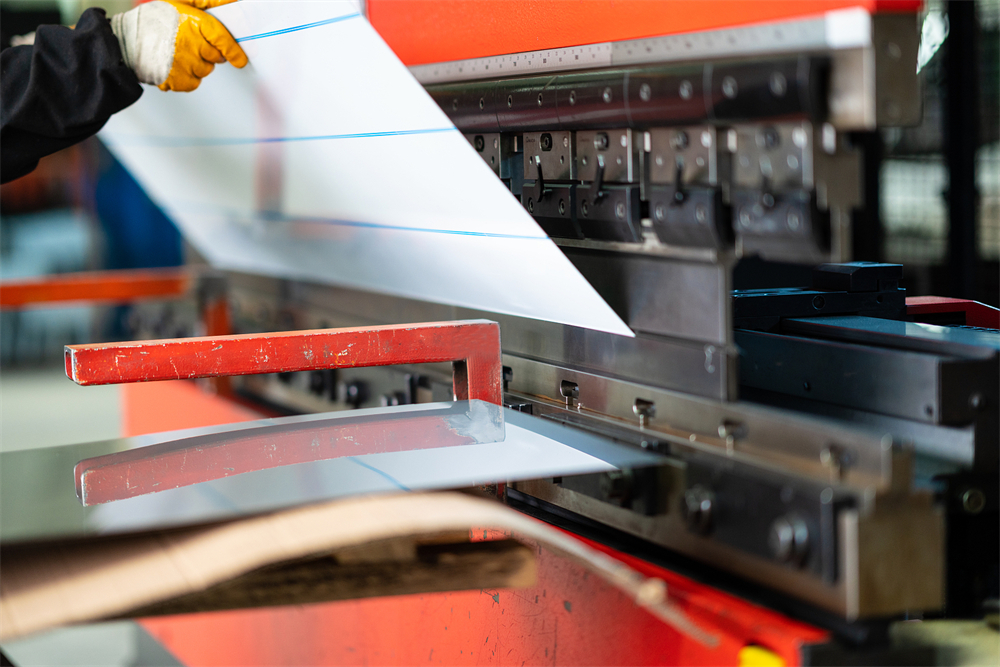
Several critical factors influence the price of a press brake, whether you are buying new or used. Tonnage is the primary driver; the force required to bend thicker or harder materials directly correlates to the size of the frame and the power of the hydraulic system. A 100-ton machine will naturally cost significantly less than a 500-ton machine, regardless of its age or condition.
Bed length is another major cost driver. Longer beds allow for larger workpieces but require more robust frames to prevent deflection during the bending process. The precision of the crowning system—whether manual, motorized, or hydraulic—also adds to the complexity and price. High-end crowning systems ensure consistent bend angles across the entire length of the part, which is a premium feature that significantly impacts the machine’s value.
The control system is perhaps the most significant differentiator in modern pricing. An entry-level NC controller might handle basic backgauge positioning, but a high-end CNC controller offers 3D visualization, automatic bend sequencing, and cloud connectivity. When buying used, you are often stuck with the legacy controller installed at the time of manufacture, which may lack the interface capabilities required for modern Industry 4.0 workflows.
Finally, the brand and manufacturing origin play a massive role in resale value and initial cost. Established manufacturers like HARSLE invest heavily in R&D, ensuring that their machines meet international safety standards and offer long-term support. While cheaper, unbranded, or obsolete machines might seem like a bargain, the lack of documentation and proprietary parts can turn a low purchase price into a long-term financial burden.
Configuration Impact: Customization vs. Standard Specs
The configuration of a press brake is where the “Used Vs New Press Brake Price: Which Option Saves More?” question becomes complex. New machines offer the luxury of customization. You can specify the exact throat depth, open height, and stroke length required for your specific product line. This tailored approach ensures that you are not paying for unnecessary capacity while ensuring the machine is perfectly optimized for your workflow.
Used machines, by definition, come with a fixed configuration. If you find a used press brake that is perfect for your current needs but lacks the flexibility for future projects, you may find yourself needing to purchase additional tooling or auxiliary equipment. This “forced” configuration can lead to inefficiencies, such as slower cycle times or the inability to handle complex geometries that your competitors might be producing with ease.
Furthermore, the integration of automation, such as robotic loading and unloading systems, is much easier and more reliable on new machines. Retrofitting a used press brake with modern automation is often cost-prohibitive and technically challenging due to the lack of modern communication protocols in older control systems. If your business strategy involves scaling through automation, a new machine is almost always the more cost-effective choice in the long run.
However, if your production requirements are static—meaning you produce the same simple parts day in and day out—a used machine with a basic configuration might be perfectly adequate. In this scenario, the lack of advanced features is not a drawback but a cost-saving advantage. The key is to perform a thorough audit of your current and projected production needs before committing to a specific configuration.
Hidden Costs: The True Price of Used Machinery
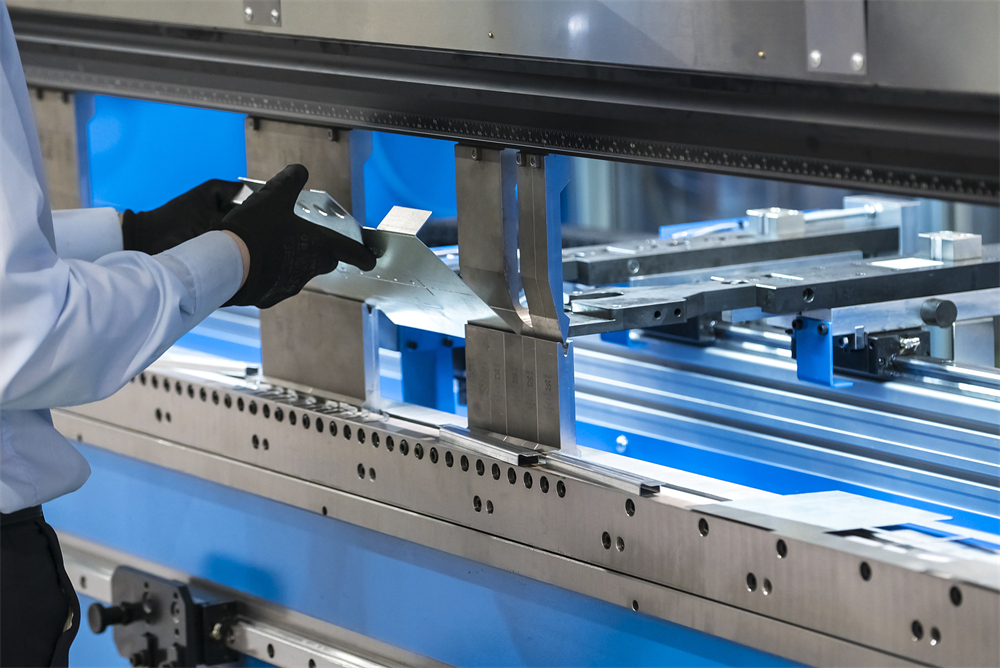
When calculating the Used Vs New Press Brake Price: Which Option Saves More?, many buyers overlook the hidden costs associated with used equipment. The most immediate hidden cost is the refurbishment process. A used machine rarely arrives in “plug-and-play” condition. You may need to replace seals, hoses, hydraulic pumps, or even the entire electrical cabinet to bring the machine up to current safety and performance standards.
Shipping and installation are also significant expenses. While a new machine comes with manufacturer support and often includes installation and training, a used machine requires you to manage the logistics, rigging, and professional installation yourself. If the machine is not leveled or calibrated correctly by an expert, you will face immediate quality issues, leading to scrap material and wasted labor hours.
Maintenance and downtime are the silent killers of profitability. Older machines are prone to component failure, and finding parts for a 20-year-old press brake can be a nightmare. You might find yourself waiting weeks for a custom-machined part, during which time your production is halted. The cost of this downtime—missed deadlines, unhappy customers, and idle labor—often exceeds the initial savings of buying used.
Finally, consider the energy efficiency gap. Modern servo-hydraulic press brakes consume significantly less electricity than older, traditional hydraulic systems that run at full power even when the ram is not moving. Over a five-year period, the energy savings of a new machine can account for a substantial portion of the price difference, making the “cheaper” used machine more expensive in terms of operational overhead.
ROI Calculation: Making the Data-Driven Decision
To determine the true ROI, you must look beyond the purchase price. Start by calculating the total cost of ownership over a five-year horizon. For a new machine, this includes the purchase price, financing interest, maintenance contracts, and energy costs. For a used machine, include the purchase price, refurbishment costs, higher energy consumption, increased maintenance, and the estimated cost of downtime.
Next, factor in productivity gains. A new press brake with modern CNC software can reduce setup times by 30% to 50%. If your shop performs multiple setups per day, this time savings translates directly into increased throughput and higher revenue. Calculate the value of these additional parts produced per shift and compare it against the monthly payment difference between a new and used machine.
Consider the impact on quality and scrap rates. Modern machines offer precision and repeatability that older machines struggle to match. If your current scrap rate is 5% and a new machine can reduce it to 1%, the savings on raw materials alone can be substantial. In high-value industries like aerospace or medical device manufacturing, the cost of a single rejected part can be astronomical, making the reliability of a new machine a mandatory investment.
Finally, evaluate the resale value. A well-maintained, modern press brake from a reputable brand like HARSLE retains its value much better than an aging, obsolete machine. When you eventually decide to upgrade, the equity in a newer machine will provide a much stronger down payment for your next purchase, creating a virtuous cycle of equipment modernization.
Buying Advice: When to Choose Which
Choose a new press brake if your business is growing, you require high precision, you need to integrate with modern software, or you cannot afford the risk of unexpected downtime. A new machine is an investment in your company’s future, providing the reliability and speed necessary to compete in a global market. It also comes with the peace of mind of a warranty and technical support from the manufacturer.
Choose a used press brake only if you are a startup with extremely limited capital, your production volume is low, or your bending requirements are very basic and do not require high-speed or high-precision features. If you choose this route, always inspect the machine in person. Check the ram parallelism, the condition of the backgauge, and the state of the hydraulic system. If possible, have a certified technician perform a pre-purchase inspection.
Regardless of your choice, prioritize the brand. A used HARSLE press brake is often a better investment than a new machine from an unknown, low-quality manufacturer. The availability of parts, the quality of the steel, and the engineering behind the machine are factors that remain constant, even as the machine ages. Always ask for the service history and, if available, the original manuals and electrical schematics.
Ultimately, the “Used Vs New Press Brake Price: Which Option Saves More?” question is answered by your specific business context. If you view your press brake as a core profit center, the new machine is the clear winner. If you view it as a secondary tool used only occasionally, the used machine may offer the best financial sense. Balance your immediate budget constraints against your long-term growth objectives to make the right choice for your shop.
FAQ: Frequently Asked Questions
- Q: Is it worth buying a 20-year-old press brake? A: Only if it has been meticulously maintained and you have a specific, low-complexity application. Otherwise, the risk of component failure and lack of parts makes it a poor investment.
- Q: How much does a new HARSLE press brake cost? A: Prices vary based on tonnage and configuration. Contact our sales team for a custom quote tailored to your specific fabrication needs.
- Q: Can I upgrade the controller on an old press brake? A: While possible, it is often expensive and technically complex. It is usually more cost-effective to purchase a machine that comes with a modern controller pre-installed.
- Q: What is the most important factor when inspecting a used machine? A: The condition of the ram and the backgauge. If these are worn or damaged, the machine will never produce accurate parts, regardless of how much you spend on repairs.
- Q: Does a new press brake really save on energy? A: Yes. Modern servo-hydraulic systems only consume power when the ram is moving, whereas older systems often run the pump continuously, wasting significant electricity.












