How to Estimate the Total Cost of Owning a Press Brake: A Comprehensive Guide


Price Range Overview
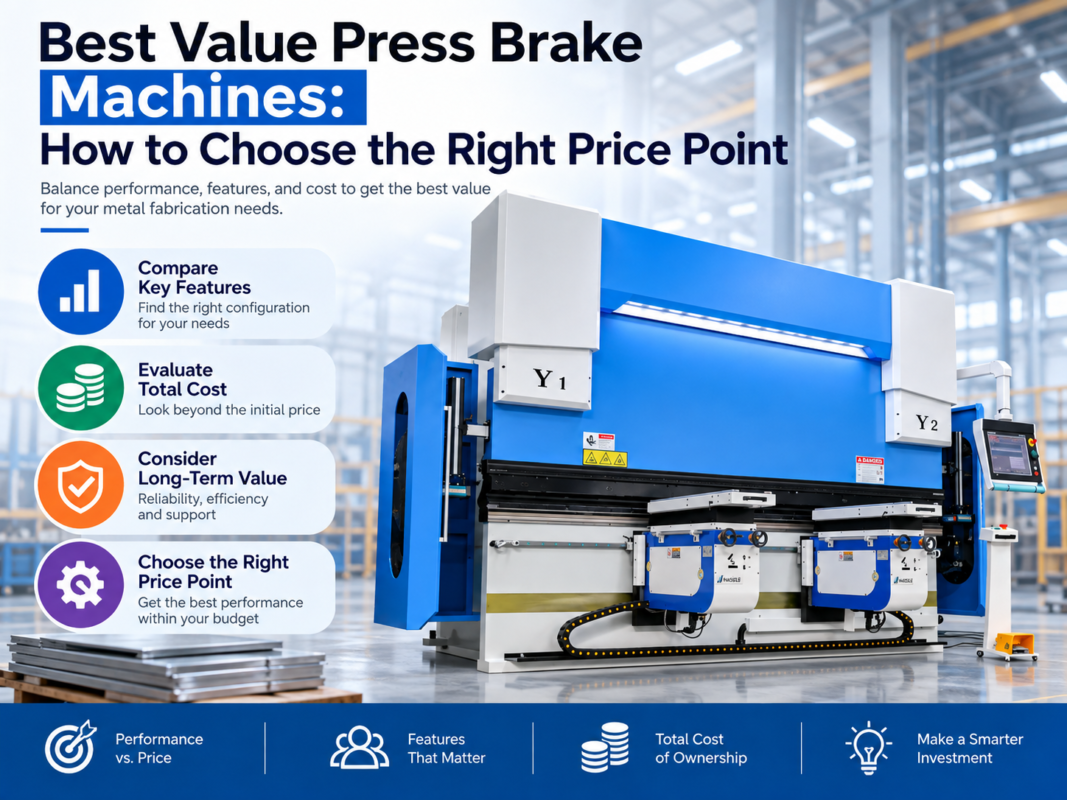
When you begin the journey to acquire new metal fabrication equipment, the initial sticker price is often the first metric considered. However, to truly understand the financial commitment, you must learn how to estimate the total cost of owning a press brake. The market for these machines is vast, ranging from entry-level manual machines to high-end, fully automated robotic cells. Generally, a basic hydraulic press brake might start in the range of $20,000 to $40,000, while sophisticated CNC-controlled machines with multi-axis backgauges can easily exceed $150,000 to $300,000.
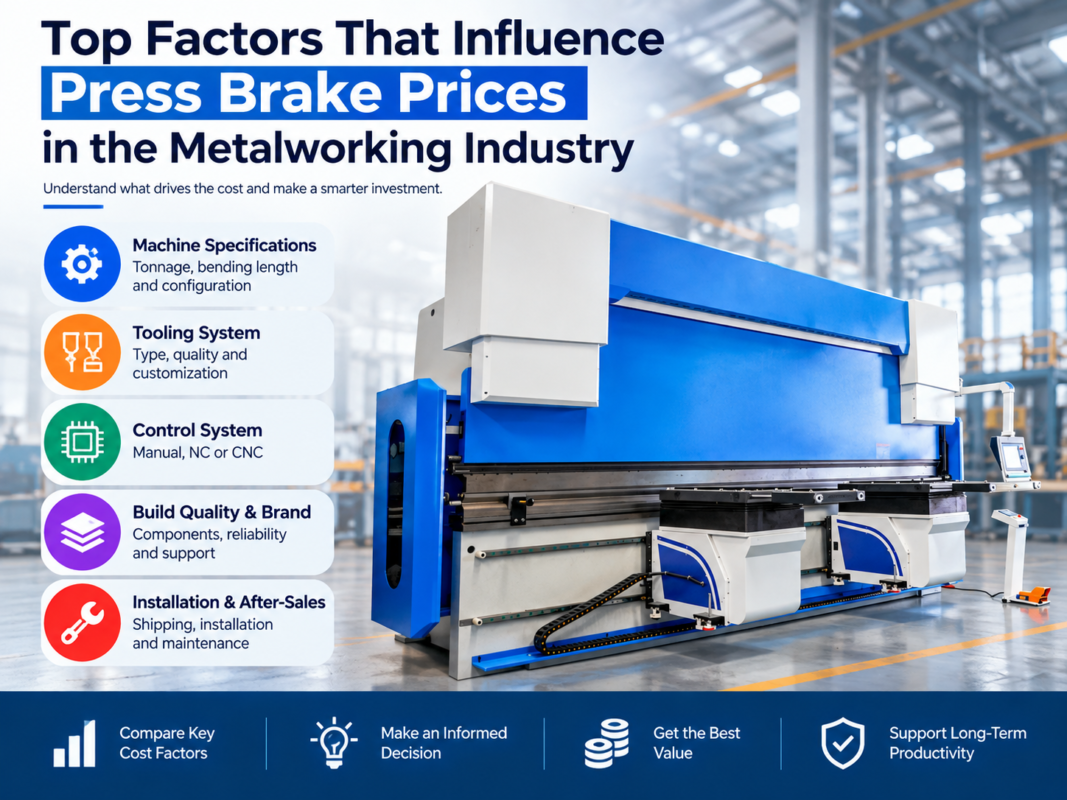
The price range is heavily dictated by the machine’s tonnage and bending length. A 40-ton machine with a 1.5-meter bed is significantly cheaper than a 400-ton machine with a 4-meter bed. Beyond the physical size, the brand reputation, country of origin, and the complexity of the control system play pivotal roles in the initial investment. HARSLE provides a wide spectrum of options, ensuring that whether you are a small job shop or a large-scale manufacturer, there is a machine that fits your capital expenditure budget.
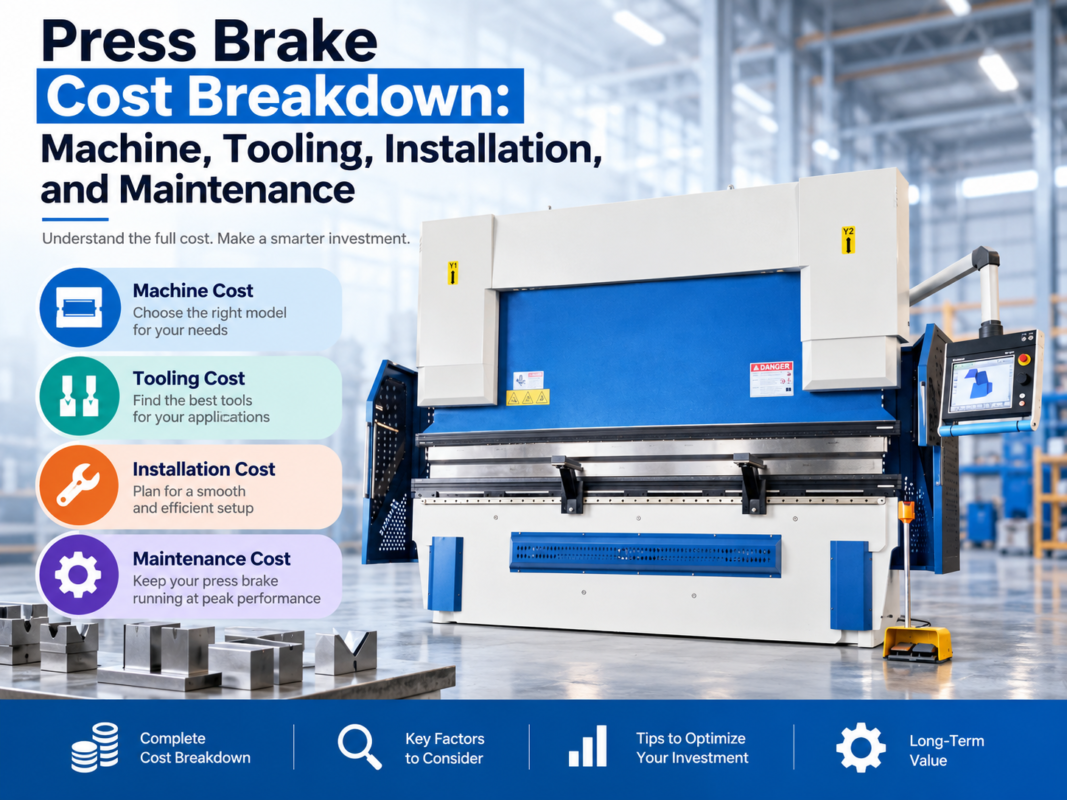
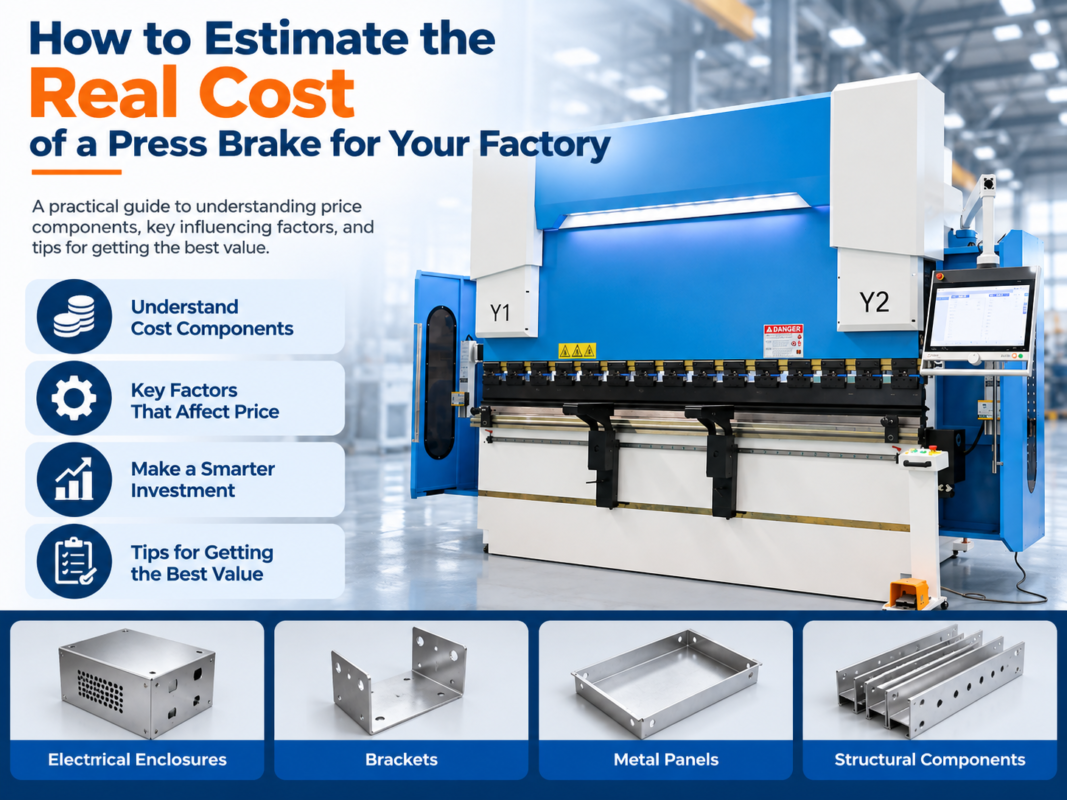
It is crucial to distinguish between the ‘purchase price’ and the ‘total cost of ownership’ (TCO). The TCO includes the initial acquisition, installation, training, energy consumption, tooling, maintenance, and eventual decommissioning. Many buyers make the mistake of focusing solely on the purchase price, only to find that operational costs over a five-year period far outweigh the initial savings. By analyzing the TCO, you can make a more informed decision that favors long-term profitability over short-term savings.
Furthermore, the secondary market versus new equipment is a common debate. While a used press brake might offer a lower entry price, the lack of warranty, potential for hidden mechanical issues, and outdated control software can lead to higher long-term costs. New equipment from HARSLE comes with the benefit of modern energy-efficient drives, advanced safety features, and manufacturer support, which effectively lowers the TCO by reducing downtime and increasing throughput.
Main Cost Drivers
The primary driver of your TCO is the machine’s configuration and its intended application. If you are bending thin-gauge aluminum, a high-tonnage machine is an unnecessary expense that increases energy consumption and floor space costs. Conversely, under-specifying a machine for heavy-duty steel fabrication leads to premature wear, frequent repairs, and potential safety hazards. Matching the machine capacity to your specific production needs is the most effective way to control costs.
Energy consumption is a significant, yet often overlooked, cost driver. Modern hydraulic press brakes utilize variable frequency drives (VFDs) or servo-hydraulic systems that only consume power when the ram is in motion. Older or less efficient models run the pump motor continuously, leading to massive electricity waste. When you estimate the total cost of owning a press brake, you must calculate the kilowatt-hour usage based on your expected shift patterns. Over a decade, the energy savings of a modern HARSLE machine can pay for a significant portion of the initial investment.
Tooling costs represent another major category. Press brake tooling is not a one-time purchase. Depending on the variety of parts you produce, you may need a library of punches and dies. High-quality, hardened tooling lasts longer and produces more accurate bends, reducing scrap rates. Cheap tooling might save money upfront, but the frequent replacement cycles and the time spent correcting bent parts due to tool wear will inflate your operational costs significantly.
Labor costs are intrinsically linked to the machine’s ease of use. A machine with an intuitive CNC interface allows operators to set up jobs faster and reduces the learning curve for new employees. If your machine requires a highly specialized technician just to perform simple bends, your labor costs will remain high. Investing in a machine with advanced software features, such as offline programming and automatic bend sequencing, reduces the time the machine sits idle, thereby maximizing your return on investment.
Configuration Impact
The configuration of your press brake—specifically the number of axes—has a profound impact on the total cost of ownership. A standard 3-axis machine (Y1, Y2, X) is sufficient for simple, repetitive tasks. However, if your production involves complex geometries, multi-stage bending, or tapered parts, you may require a 6-axis or 8-axis machine. While these machines have a higher initial cost, they drastically reduce setup time and the need for manual intervention, which lowers the cost per part.
Backgauge sophistication is another critical configuration factor. A basic backgauge might only move in one direction, whereas a high-end backgauge can move in multiple axes and even adjust for non-parallel bends. When you estimate the total cost of owning a press brake, consider the ‘cost of complexity.’ If your shop produces a high mix of low-volume parts, the investment in a high-end backgauge will pay for itself by eliminating the need for manual adjustments and reducing the risk of human error.
Safety configurations, such as laser light curtains and camera-based safety systems, are non-negotiable in modern fabrication. While these add to the initial purchase price, they are essential for protecting your workforce and avoiding the catastrophic costs associated with workplace accidents. Furthermore, insurance premiums for shops with state-of-the-art safety equipment are often lower, providing a subtle but real reduction in your annual operational expenses.
Finally, consider the integration capabilities of the machine. Can it communicate with your ERP or CAD/CAM software? A machine that integrates seamlessly into your digital workflow reduces data entry errors and speeds up the transition from design to production. In the era of Industry 4.0, the ability to monitor machine health and production metrics in real-time is a competitive advantage that directly impacts the profitability of your fabrication business.
Hidden Costs
When learning how to estimate the total cost of owning a press brake, you must account for the ‘hidden’ expenses that appear after the machine is delivered. Installation is the first. This includes not just the shipping, but the preparation of the factory floor, such as reinforced concrete foundations, electrical upgrades, and pneumatic or hydraulic connections. Failing to account for these site preparation costs can lead to significant budget overruns before the machine even makes its first bend.
Maintenance and consumables are ongoing costs that are often underestimated. Hydraulic oil changes, filter replacements, and the lubrication of moving parts are essential for machine longevity. If you neglect these, the machine will eventually suffer from hydraulic leaks, valve failures, or mechanical binding. Establishing a preventative maintenance schedule is vital. HARSLE recommends budgeting approximately 2-5% of the machine’s purchase price annually for routine maintenance and spare parts.
Training is another hidden cost. Even if your operators are experienced, they need to be trained on the specific control system and safety protocols of the new machine. This training takes time away from production. If you do not invest in proper training, you will face lower productivity, higher scrap rates, and an increased risk of machine damage. Factor in the cost of professional training sessions, either on-site or at the manufacturer’s facility, as part of your initial investment.
Finally, consider the cost of downtime. If your machine breaks down and you do not have a service contract or a readily available supply of spare parts, the cost of lost production can be staggering. When evaluating a supplier, look at their support network. Does the manufacturer have local technicians? Are spare parts stocked in your region? A slightly more expensive machine from a supplier with excellent local support is almost always a better financial decision than a cheaper machine from a supplier with no local presence.
ROI Calculation
Calculating the Return on Investment (ROI) for a press brake requires a clear understanding of your production volume and the value-add of your bending processes. The formula is relatively straightforward: (Annual Savings + Annual Revenue Increase – Annual Operating Costs) / Initial Investment. To get an accurate figure, you must look at the reduction in labor hours, the decrease in scrap material, and the ability to take on more complex, higher-margin jobs that were previously impossible.
Start by analyzing your current scrap rate. If your current machine produces a 5% scrap rate due to inaccuracies, and a new HARSLE press brake reduces that to 0.5%, the savings in material costs alone can be substantial. Multiply this by the cost of your raw materials and the labor already invested in those scrapped parts. This is a direct, quantifiable benefit that should be included in your ROI calculation.
Next, evaluate the labor savings. If a new machine allows you to complete a job in 30 minutes that previously took 60 minutes, you have effectively doubled your capacity for that job. If you can fill that extra 30 minutes with other billable work, your revenue increases. If you cannot, you are still saving on labor costs, which can be reallocated to other areas of your business. Be realistic about your shop’s utilization rate; a machine that sits idle 50% of the time will have a much longer ROI period.
Don’t forget to factor in tax incentives and depreciation. Many governments offer tax credits for capital investments in manufacturing equipment. Additionally, the depreciation of the machine over its useful life (typically 7-10 years) can provide significant tax shields. Consult with your accountant to understand how these financial instruments can improve the net ROI of your press brake purchase. A well-structured investment plan often makes the difference between a ‘good’ purchase and a ‘great’ one.
Buying Advice
When you are ready to purchase, start by creating a detailed list of your requirements. What is the maximum thickness and length of the material you bend? What are the most common bend angles? Do you need to bend complex shapes? By defining your needs clearly, you avoid the trap of ‘over-buying’ features you will never use, which is the fastest way to inflate your TCO unnecessarily.
Request quotes from multiple suppliers, but ensure you are comparing ‘apples to apples.’ A quote for a base-model machine is not comparable to a quote for a machine with a full suite of options. Ask each supplier to break down the costs of installation, training, shipping, and warranty. If a supplier is hesitant to provide a detailed breakdown, it is a red flag. HARSLE prides itself on transparency, providing clear, itemized quotes that help our customers understand exactly what they are paying for.
Visit the manufacturer’s facility or a showroom if possible. Seeing the machine in operation allows you to assess its build quality, the responsiveness of the controls, and the noise levels. Talk to the operators if you can; they are the ones who will be using the machine every day and will have the most honest feedback regarding its ease of use and reliability. A machine that is difficult to operate will never be used to its full potential.
Finally, look at the long-term partnership. A press brake is a long-term asset, and you want a supplier who will be there for you five or ten years down the road. Check the manufacturer’s history, their commitment to R&D, and their reputation for customer service. When you buy from a reputable brand like HARSLE, you are not just buying a machine; you are buying the peace of mind that comes with reliable support, high-quality engineering, and a commitment to your long-term success in the metal fabrication industry.
FAQ
- What is the most important factor when estimating the total cost of owning a press brake?
The most important factor is the intended application. Matching the machine’s tonnage and features to your specific production needs prevents over-spending on unnecessary capabilities and under-spending on critical features that lead to high maintenance costs. - How much should I budget for annual maintenance?
A good rule of thumb is to budget 2-5% of the machine’s initial purchase price per year for routine maintenance, including oil changes, filter replacements, and minor repairs. - Does a more expensive machine always have a higher TCO?
Not necessarily. A higher-quality, more expensive machine often has lower energy consumption, higher reliability, and better resale value, which can result in a lower total cost of ownership over the machine’s lifespan compared to a cheaper, less efficient model. - How does automation affect the cost of a press brake?
Automation, such as robotic loading and unloading, significantly increases the initial investment but can drastically reduce labor costs and increase throughput, making it a cost-effective choice for high-volume, repetitive production environments. - What are the hidden costs of buying a press brake?
Hidden costs include site preparation (foundation, electrical), shipping, installation, operator training, tooling, and the potential cost of downtime if service and spare parts are not readily available.