Small Press Brake Price Guide for Startups and Sheet Metal Shops


Price Range Overview for Small Press Brakes
For startups and small-to-medium sheet metal shops, selecting the right machinery is a pivotal investment. The small press brake price for startups and sheet metal shops varies significantly based on technology, tonnage, and automation levels. Generally, entry-level manual or basic hydraulic press brakes range from $8,000 to $20,000. These machines are ideal for low-volume production and simple bending tasks where precision requirements are moderate.
Moving into the mid-range, CNC-controlled hydraulic press brakes typically fall between $25,000 and $60,000. These units offer higher repeatability, multi-axis backgauge control, and faster setup times, making them the workhorses for shops handling diverse client projects. The investment here is justified by the reduction in scrap rates and the ability to handle complex geometries that manual machines cannot manage.
High-end, high-precision electric or hybrid press brakes can exceed $80,000. While this may seem steep for a startup, these machines provide unmatched energy efficiency, extreme speed, and superior accuracy. For shops focusing on high-precision industries like aerospace, medical devices, or high-end architectural metalwork, the higher initial cost is often offset by lower operational expenses and higher throughput.
It is essential to understand that the price tag is not just for the machine frame. It includes the control system, the hydraulic or electric drive architecture, and the safety systems. When evaluating the small press brake price for startups and sheet metal shops, consider the total cost of ownership rather than just the sticker price. A cheaper machine with high maintenance requirements can quickly become more expensive than a premium unit over a five-year period.
Furthermore, market conditions, regional availability, and shipping logistics play a role in the final invoice. HARSLE recommends that startups request detailed quotes that include installation, commissioning, and operator training. These services are often bundled into the final price and are critical for ensuring that the machine is productive from day one.
Main Cost Drivers in Press Brake Selection
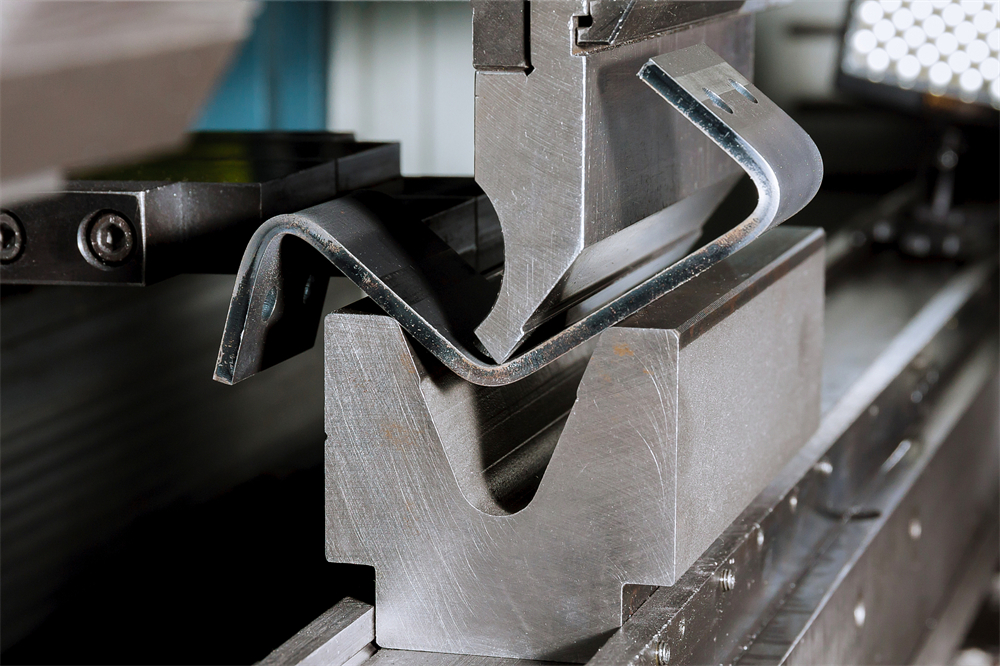
The primary factor influencing the cost of a press brake is its tonnage capacity. Tonnage refers to the amount of force the machine can exert to bend metal. A 40-ton machine will naturally be less expensive than a 160-ton machine. Startups must accurately assess their material thickness and bend length requirements to avoid over-specifying, which leads to unnecessary capital expenditure.
Another significant cost driver is the backgauge system. A simple single-axis backgauge is affordable but limits the complexity of parts you can produce. A multi-axis CNC backgauge (X, R, Z1, Z2) allows for complex, multi-step bending sequences with high precision. While this adds to the small press brake price for startups and sheet metal shops, it drastically reduces the time spent on manual adjustments and part repositioning.
The control system represents the “brain” of the machine. Basic controllers allow for simple angle inputs, whereas advanced CNC controllers feature 3D visualization, offline programming software, and cloud connectivity. Advanced controllers allow operators to simulate the bending process before the metal touches the die, preventing costly errors and material waste. Investing in a better controller is often the best way to future-proof a shop.
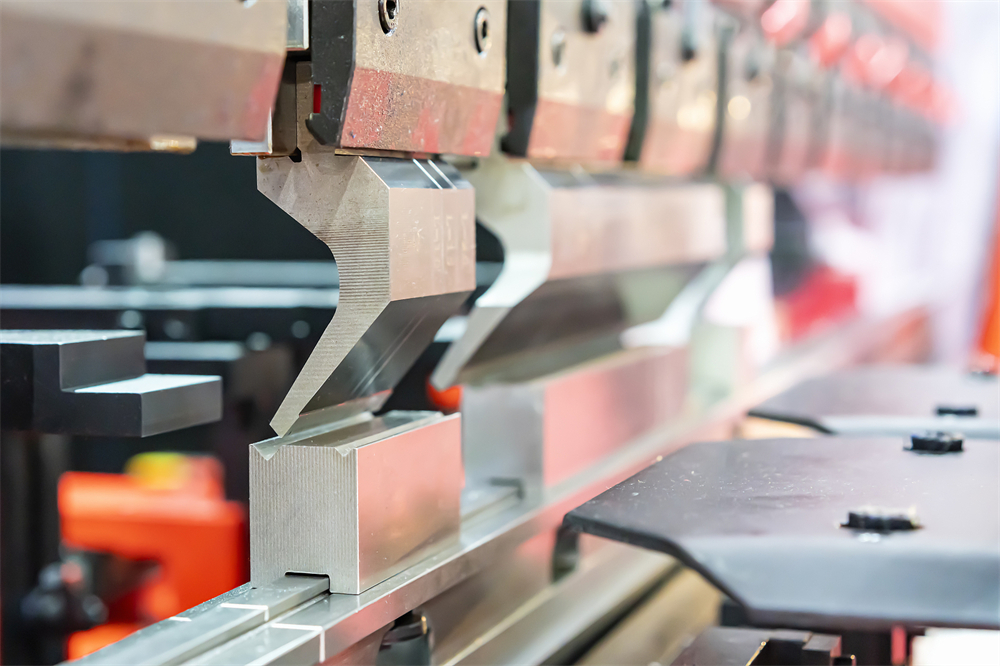
Tooling quality and compatibility also impact the budget. High-quality hardened and ground tooling ensures consistent bend angles across the entire length of the machine. While generic tooling might be cheaper initially, it often lacks the precision required for modern fabrication standards. Shops should budget for a set of standard punch and die sets, along with specialized tooling for unique profiles.
Finally, the build quality of the frame and the hydraulic components determines the machine’s longevity. HARSLE emphasizes the importance of stress-relieved steel frames. A machine that flexes under load will produce inconsistent bends, leading to scrap. Investing in a robust, heavy-duty frame ensures that the machine remains accurate even after years of continuous operation in a demanding shop environment.
Configuration Impact on Performance and Price
Configuration is where a startup can tailor a machine to its specific niche. For instance, a shop focusing on small electrical enclosures will have different needs than a shop fabricating large structural brackets. The choice between a down-acting and up-acting press brake is a fundamental configuration decision. Most modern small press brakes are down-acting, providing better stability and easier access for the operator.
The integration of safety systems is a non-negotiable configuration cost. Laser safety curtains and light guards are standard on high-quality machines. While these add to the small press brake price for startups and sheet metal shops, they are essential for protecting the workforce and complying with international safety standards. Never compromise on safety to save on the initial purchase price.
Automation options, such as automatic crowning systems, significantly impact performance. Crowning compensates for the deflection of the machine bed during the bending process, ensuring that the bend angle is consistent from one end of the part to the other. For shops working with long, thin sheets, an automatic crowning system is a game-changer that justifies its price through improved part quality.
Energy-saving features, such as variable frequency drives (VFD) or servo-hydraulic systems, are becoming standard in modern configurations. These systems reduce energy consumption by running the motor only when the ram is in motion. Over time, the energy savings can be substantial, making the machine more sustainable and cost-effective to operate in the long run.
Lastly, consider the software integration. Can the machine import files directly from CAD/CAM software? If your shop relies on DXF or STEP files from clients, a machine that supports direct file import will save hours of manual programming. This configuration feature is highly recommended for startups aiming to scale their operations efficiently.
Hidden Costs to Consider
When calculating the budget, many startups overlook the hidden costs associated with installing and maintaining a press brake. Site preparation is the first hurdle. A heavy-duty press brake requires a reinforced concrete floor to handle the machine’s weight and the vibrations generated during operation. If your shop floor is not up to spec, you may face significant construction costs before the machine even arrives.
Electrical and pneumatic requirements are another hidden expense. Ensure your facility has the correct voltage and amperage to support the machine’s motor. Some high-end machines require specialized power conditioning to protect sensitive CNC electronics from voltage spikes. Additionally, if your machine uses pneumatic clamping for tooling, you will need a reliable compressed air supply.
Maintenance and consumables are ongoing costs. Hydraulic oil, filters, and seals need periodic replacement. Furthermore, tooling will eventually wear out or break, especially if used improperly. It is wise to set aside a maintenance budget equal to 5-10% of the machine’s value annually to ensure it stays in peak condition. Neglecting maintenance leads to downtime, which is the most expensive cost of all.
Training costs should also be factored in. Even if the machine is user-friendly, your operators need to be trained on the specific controller, safety protocols, and maintenance procedures. If you are hiring new staff, the time spent on training is a direct cost to your business. HARSLE provides comprehensive training materials and support to help minimize this learning curve.
Finally, consider the cost of shipping and rigging. Moving a multi-ton machine into your facility requires professional rigging services. Depending on the location and the complexity of the move, this can add thousands of dollars to the total project cost. Always get a clear estimate for delivery and installation to avoid surprises on the final invoice.
ROI Calculation for Startups
Calculating the Return on Investment (ROI) for a press brake is essential for justifying the purchase. Start by identifying the current cost of outsourcing your bending needs. If you are paying a third party to bend your parts, calculate the total annual spend. A press brake often pays for itself within 18 to 36 months by bringing this production in-house, eliminating shipping costs, and reducing lead times.
Next, consider the labor efficiency gains. A modern CNC press brake can reduce setup times from hours to minutes. If your current manual process takes 30 minutes to set up for a job, and a CNC machine takes 5 minutes, you are saving 25 minutes per job. Multiply this by the number of jobs per year to see the massive impact on your labor costs and production capacity.
Quality improvements also contribute to ROI. Reducing scrap rates is one of the fastest ways to improve profitability. If you are currently losing 5% of your material to bending errors, a high-precision press brake can reduce that to less than 1%. The value of the saved material, combined with the time not spent re-working parts, adds up quickly.
Increased capacity allows for business growth. With a reliable press brake, you can take on more complex projects and larger orders that were previously out of reach. This revenue growth is a key component of the ROI calculation. A machine that allows you to double your output is a powerful engine for business expansion.
Finally, consider the resale value. High-quality press brakes from reputable manufacturers like HARSLE hold their value well. If you decide to upgrade to a larger machine in the future, you can often sell your current unit for a significant portion of its original price. This residual value should be factored into your long-term financial planning.
Buying Advice for Sheet Metal Shops
Before purchasing, define your “must-have” features versus your “nice-to-have” features. Startups often get distracted by fancy bells and whistles that they may not actually need. Focus on the core requirements: tonnage, bed length, and control capability. If you only work with 14-gauge steel, you do not need a 200-ton machine.
Always request a demonstration or a video of the machine in action. Seeing the machine bend the type of material you work with is the best way to verify its performance. Ask the manufacturer for references from other shops in your industry. Talking to other business owners who use the same equipment can provide invaluable insights into reliability and support.
Consider the manufacturer’s support network. A machine is only as good as the service behind it. Does the manufacturer have local technicians? How quickly can they supply spare parts? A machine that is down for two weeks waiting for a part from overseas is a disaster for a small shop. HARSLE prides itself on a robust global support network to ensure our clients stay productive.
Evaluate the ease of use. If your shop has a high turnover of staff or if you are the primary operator, a machine with an intuitive, user-friendly interface is vital. Complex machines that require a PhD to operate will only slow down your production. Look for controllers that offer graphical interfaces and simple programming steps.
Lastly, be patient and do your research. The market for press brakes is vast, and there are many options available. Take the time to compare quotes, read reviews, and understand the technical specifications. Investing in a press brake is a long-term commitment, and making an informed decision today will pay dividends for years to come.
FAQ
What is the typical lifespan of a small press brake?
With proper maintenance, a high-quality hydraulic press brake can last 15 to 20 years or more. Regular oil changes, filter replacements, and keeping the machine clean are key to longevity.
Can I use a press brake for materials other than steel?
Yes, press brakes can bend aluminum, stainless steel, copper, and various alloys. However, you must account for the different tensile strengths and spring-back characteristics of these materials when programming the machine.
How much space do I need for a small press brake?
Space requirements vary by model, but you should account for the machine’s footprint plus at least 1.5 meters of clearance on all sides for operator movement and material handling. Don’t forget to check the ceiling height if you are using a crane for loading.
Is it better to buy new or used?
For startups, new machines offer the benefit of a warranty, modern safety features, and the latest technology. Used machines can be cheaper but often come with hidden mechanical issues and lack modern CNC capabilities. If buying used, always have a professional technician inspect the machine first.
How do I determine the tonnage I need?
Tonnage is determined by the material thickness, the length of the bend, and the V-die opening size. Most manufacturers provide a tonnage chart. It is generally recommended to select a machine with 20% more capacity than your maximum requirement to avoid running the machine at its limit.
What is the difference between hydraulic and electric press brakes?
Hydraulic press brakes use oil and cylinders to generate force, making them powerful and reliable for heavy-duty work. Electric press brakes use servo motors and ball screws, offering higher precision, faster speeds, and lower energy consumption, though they are typically more expensive.