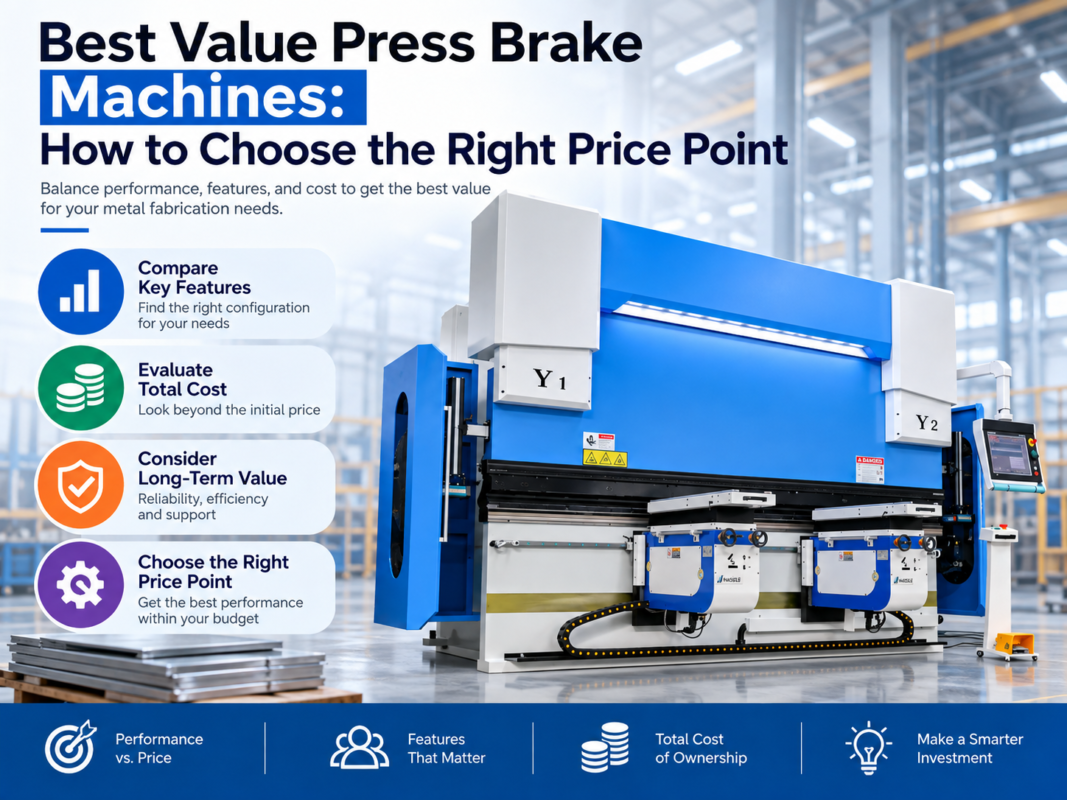
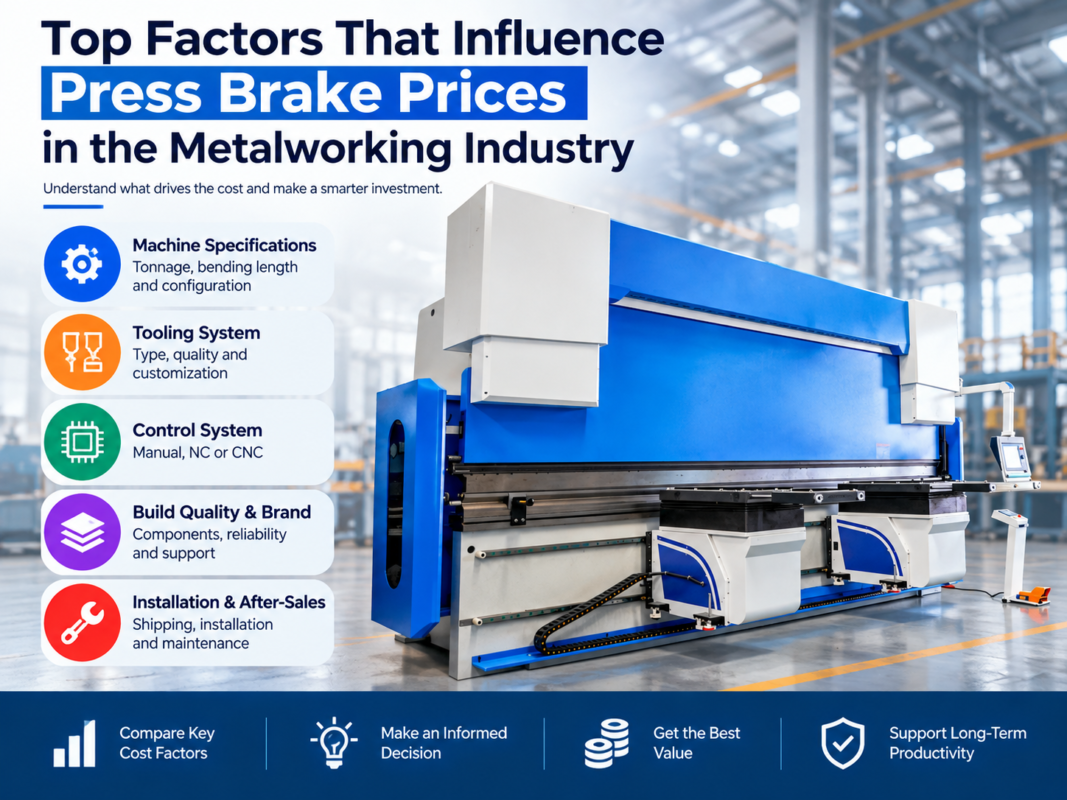
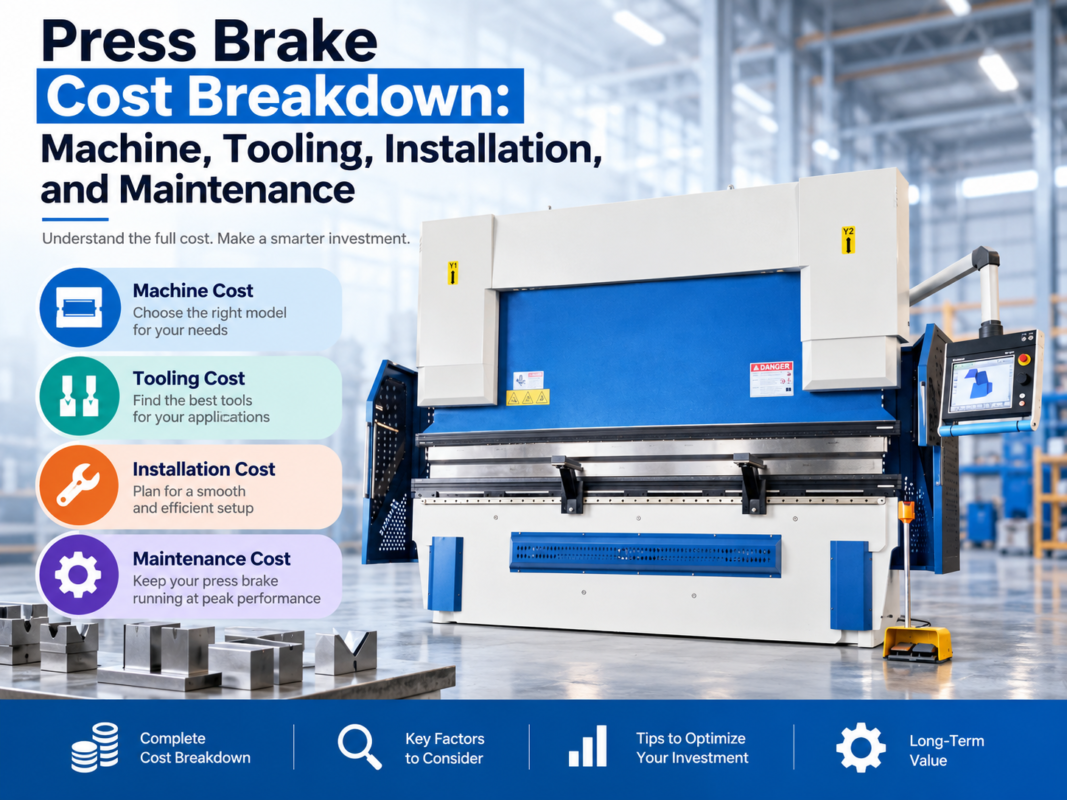
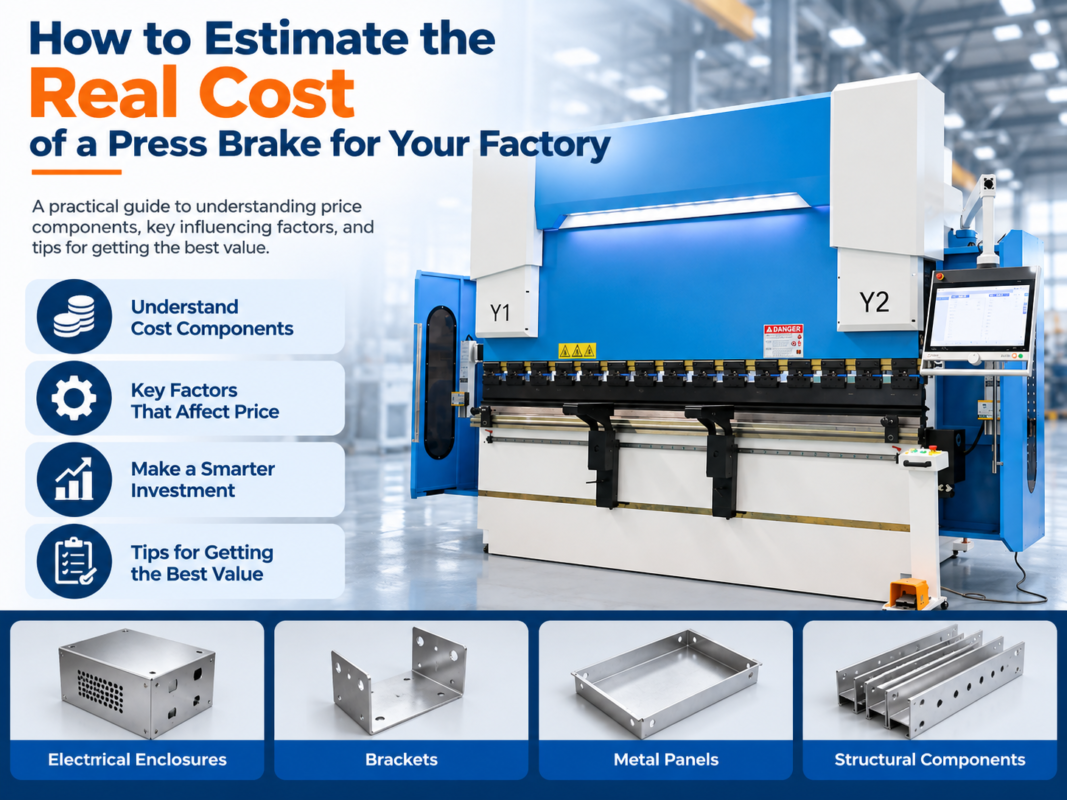
Best Value Press Brakes: How to Find the Right Price and Performance


Price Range Overview: Understanding the Market Landscape
When searching for the best value press brakes, finding the right price and performance balance requires a deep understanding of the current market landscape. The cost of a press brake is rarely a static number; it is a reflection of the machine’s engineering, the quality of its components, and the level of automation integrated into its control system. For small to medium-sized job shops, the entry-level hydraulic press brake market offers a gateway to precision bending without the overhead of high-end, fully automated robotic cells.
Entry-level machines typically range from $20,000 to $50,000. These units are often manual or semi-automated, designed for shops that prioritize versatility and ease of use over high-speed production. They are the workhorses of the industry, capable of handling standard bending tasks with reliable accuracy. While they lack the advanced features of premium models, they provide the essential force and structural integrity required for most general fabrication projects.
Mid-range press brakes, priced between $60,000 and $150,000, represent the sweet spot for many growing businesses. These machines often feature CNC controllers, multi-axis backgauges, and advanced hydraulic systems that allow for complex bending sequences. Investing in this tier often yields the best value because it balances initial capital expenditure with significantly higher throughput and reduced scrap rates, which are critical for long-term profitability.
High-end, fully automated press brake systems can exceed $200,000. These machines are engineered for high-volume production environments where every second of cycle time matters. They include features like automatic tool changers, laser angle measurement systems, and sophisticated software integration. While the price is high, the performance metrics—such as extreme precision and minimal operator intervention—can justify the cost for large-scale manufacturing operations.
Ultimately, the “best value” is not necessarily the cheapest machine, but the one that aligns with your specific production volume and material requirements. By mapping your current workload against these price tiers, you can avoid over-investing in features you don’t need or under-investing in a machine that will become a bottleneck as your business scales.
Main Cost Drivers: What You Are Really Paying For
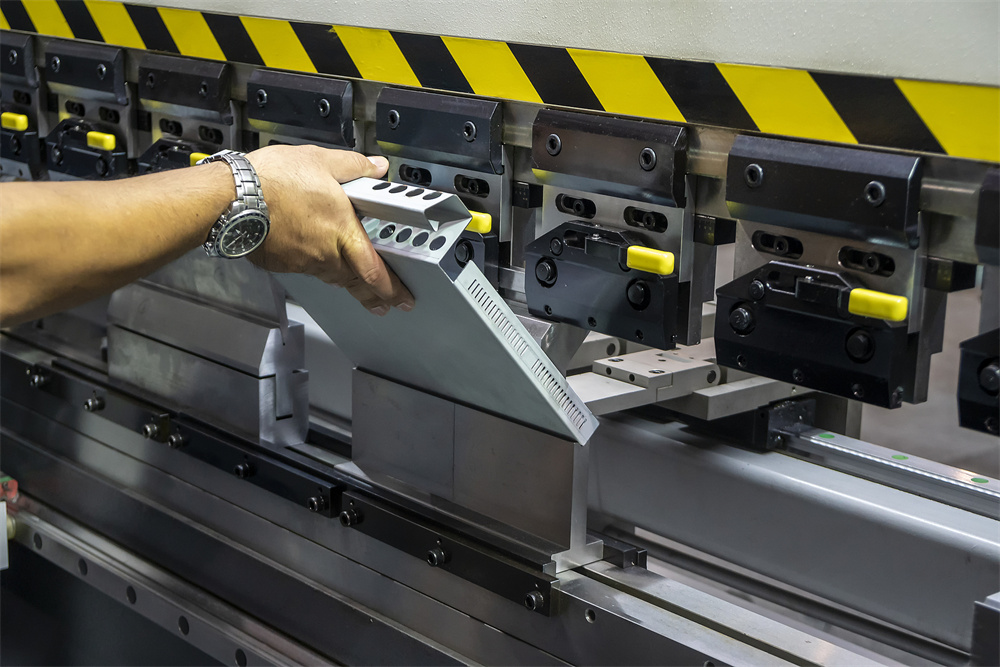
To master the art of finding the best value press brakes, you must look under the hood. The primary cost driver in any press brake is the frame construction. A heavy-duty, stress-relieved steel frame is essential for maintaining accuracy under load. Cheaper machines often use lighter frames that may deflect during high-tonnage operations, leading to inconsistent bend angles and increased rework. When evaluating price, always prioritize the structural weight and the quality of the welding process.
The hydraulic system is the second major cost driver. High-quality proportional valves and reliable pumps ensure smooth, repeatable movement of the ram. Inexpensive hydraulic systems often suffer from pressure fluctuations, which can cause variations in bend depth. Investing in a machine with a robust hydraulic circuit ensures that your press brake remains accurate over years of service, rather than just the first few months of operation.
The CNC controller is the “brain” of the machine and a significant factor in the total price. Modern controllers offer intuitive interfaces, 3D simulation, and offline programming capabilities. While a basic controller might save you money upfront, it can cost you in terms of setup time and operator training. A high-value controller reduces the learning curve and allows for faster job changeovers, which is a hidden performance benefit that directly impacts your bottom line.
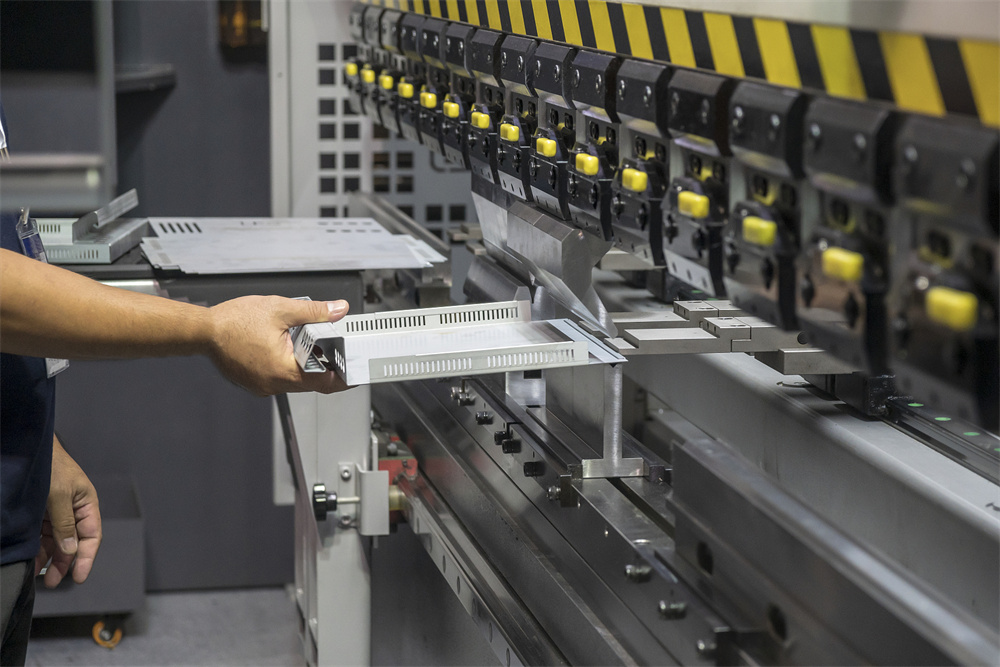
Backgauge complexity also dictates price. A simple one-axis backgauge is sufficient for basic bending, but as your requirements grow, you will need multi-axis (X, R, Z1, Z2) systems. These allow for complex, multi-stage bends without manual repositioning. When evaluating the best value press brakes, consider whether the backgauge system is modular and upgradeable, allowing you to start with a simpler setup and add axes as your business needs evolve.
Finally, the quality of the tooling and the clamping system cannot be overlooked. High-precision, hardened tooling is an investment that pays for itself through longevity and consistent bend quality. Quick-change clamping systems, while more expensive, drastically reduce downtime during tool changes. These components are often where manufacturers cut costs to lower the sticker price, so be sure to inspect the quality of the included tooling package.
Configuration Impact: Tailoring Performance to Your Needs
Configuration is where the search for the best value press brakes becomes highly personalized. A machine configured for thin-gauge sheet metal will have vastly different requirements than one designed for heavy plate fabrication. The tonnage capacity is the most obvious configuration choice, but it is also the most common area for over-spending. Buying a 200-ton machine when your maximum requirement is 80 tons is a waste of capital and energy.
Bending length is another critical configuration factor. While it is tempting to buy the longest bed possible to accommodate “future projects,” a longer bed increases the machine’s footprint and the cost of the frame. If 95% of your work is under 8 feet, a 10-foot or 12-foot machine may be an unnecessary expense. Focus on your core product range and consider outsourcing the occasional oversized job rather than paying for excess capacity every day.
The number of axes is a performance multiplier. For shops doing simple 90-degree bends, a 3-axis machine is perfect. However, if you are producing complex enclosures or parts with multiple flanges, a 6-axis or 8-axis machine will provide significantly higher value by reducing the number of times a part must be handled. The ability to automatically adjust the backgauge position for each bend is a game-changer for productivity.
Safety features are non-negotiable, but they also impact the price. Laser light curtains, safety mats, and integrated light guards are essential for operator protection. While these add to the initial cost, they are vital for compliance and reducing insurance premiums. When looking for the best value, ensure the machine meets international safety standards without compromising the operator’s ability to work efficiently.
Energy efficiency is an increasingly important configuration aspect. Servo-hydraulic systems, which only consume power when the ram is moving, offer significant long-term savings compared to traditional constant-running hydraulic pumps. While the initial investment for servo-driven technology is higher, the reduction in electricity consumption and hydraulic oil maintenance makes it a superior value proposition for high-volume shops.
Hidden Costs: The Total Cost of Ownership
When calculating the best value press brakes, the purchase price is only the beginning. The Total Cost of Ownership (TCO) includes installation, training, maintenance, and energy consumption. Many buyers overlook the cost of foundation work. Larger machines require reinforced concrete pads, which can add thousands of dollars to the installation process. Always verify the floor requirements with the manufacturer before finalizing your purchase.
Training is another hidden cost that is often underestimated. A sophisticated machine is only as good as the operator using it. If your team requires weeks of training to master the CNC software, that is lost production time. Look for manufacturers that provide comprehensive on-site training and intuitive software interfaces that minimize the learning curve. The best value machines are those that can be operated effectively by your existing staff with minimal downtime.
Maintenance and spare parts availability are critical for long-term value. A cheap machine that requires proprietary parts from overseas can become a nightmare if it breaks down. Always ask about the availability of local service technicians and the lead time for common wear parts like seals, filters, and electronic components. A slightly more expensive machine from a manufacturer with a strong local support network is almost always a better value than a bargain-bin import with no support.
Consumables, such as hydraulic oil and filters, should be factored into your annual budget. Some machines are designed for easier maintenance access, which reduces the labor cost of routine service. Additionally, consider the software licensing fees. Some modern press brakes require ongoing subscriptions for advanced features or offline programming software. Ensure these costs are transparent before you sign the contract.
Finally, consider the resale value. High-quality, well-maintained press brakes from reputable brands hold their value significantly better than generic models. If you plan to upgrade your equipment in five to ten years, the resale value of your current machine will offset a portion of the cost of your next purchase. This “residual value” is a key component of the total cost of ownership equation.
ROI Calculation: Justifying the Investment
To justify the purchase of a new press brake, you must perform a rigorous Return on Investment (ROI) calculation. Start by analyzing your current production bottlenecks. Are you losing time due to manual backgauge adjustments? Is your scrap rate high due to inconsistent bend angles? Calculate the cost of these inefficiencies in terms of labor hours and wasted material. A new machine that reduces setup time by 30% can pay for itself in just a few years through labor savings alone.
Next, consider the potential for new business. A more capable press brake allows you to take on more complex, higher-margin projects that you previously had to turn away. If a new machine allows you to enter a new market or offer a new service, the ROI calculation should include the projected revenue from these new opportunities. This is often the most significant driver of growth for fabrication shops.
Factor in the reduction in secondary operations. A high-precision press brake can often eliminate the need for secondary processes like grinding or welding to fix inaccuracies. By producing parts that are “right the first time,” you save on labor and material costs. This improvement in quality control is a direct contributor to your bottom line and should be quantified in your ROI analysis.
Don’t forget to include tax incentives and depreciation. Many governments offer tax credits or accelerated depreciation schedules for capital investments in manufacturing equipment. Consult with your accountant to understand how these financial tools can reduce the effective cost of your new machine. These incentives can significantly shorten the payback period and improve the overall financial health of your investment.
Finally, compare the ROI of different machine configurations. Sometimes, spending an extra $10,000 on a more advanced controller or a more precise backgauge can lead to a much faster payback because of the increased throughput. Use a spreadsheet to model different scenarios—conservative, moderate, and optimistic—to see how the machine’s performance impacts your profitability over a five-year period.
Buying Advice: A Checklist for Success
When you are ready to purchase, follow this checklist to ensure you find the best value press brakes for your shop. First, define your requirements clearly. List the maximum material thickness, the longest bend length, and the types of materials you work with most frequently. Having this data ready will help you avoid being upsold on features you don’t need.
Second, request a demonstration. Never buy a press brake without seeing it in operation. If possible, bring your own material and have the manufacturer perform a test bend. This will give you a firsthand look at the machine’s speed, accuracy, and ease of use. Pay attention to how the machine handles different material thicknesses and how quickly the operator can switch between jobs.
Third, research the manufacturer’s reputation. Look for reviews, talk to other fabricators, and check the company’s history of support. A manufacturer that has been in the industry for decades and has a proven track record of reliability is a safer bet than a new entrant to the market. HARSLE, for example, has built a reputation for providing robust, high-performance machinery backed by dedicated technical support.
Fourth, negotiate the package, not just the price. Ask for a bundle that includes extra tooling, a set of spare parts, and extended training. Often, manufacturers are more willing to include these value-added items than to lower the base price. This can save you thousands of dollars in the long run and ensure you have everything you need to hit the ground running.
Finally, get everything in writing. Ensure the contract includes clear terms regarding delivery, installation, training, and warranty coverage. A detailed contract protects you from unexpected costs and ensures that the manufacturer is held accountable for the performance of the machine. By following these steps, you can confidently navigate the market and find the best value press brake for your specific needs.
FAQ: Frequently Asked Questions
- What is the most important factor when choosing a press brake? The most important factor is matching the machine’s capabilities to your specific production needs. Don’t over-buy on tonnage or length, but don’t under-buy on precision and reliability.
- How often should I perform maintenance on my press brake? Routine maintenance should be performed according to the manufacturer’s schedule, typically every 500 to 1,000 hours of operation. This includes checking hydraulic oil levels, cleaning filters, and inspecting the ram and backgauge for wear.
- Is it better to buy a new or used press brake? A new machine offers the latest technology, a full warranty, and reliable support. A used machine can be a good value if you have the expertise to inspect it and the budget for potential repairs, but it carries higher risk.
- How do I know if I need a CNC press brake? If you perform complex bends, require high repeatability, or want to reduce setup time, a CNC press brake is a necessary investment. Manual machines are only suitable for very simple, low-volume work.
- What is the difference between down-stroking and up-stroking press brakes? Down-stroking machines are the industry standard for precision and safety. Up-stroking machines are older technology and are generally less accurate and harder to use for complex parts.