
Electric Press Brake Price Guide: Is It Worth the Investment?


Electric Press Brake Price Range Overview
In the modern metal fabrication landscape, the transition from traditional hydraulic systems to electric-driven technology is more than just a trend—it is a strategic shift toward precision and sustainability. When evaluating the Electric Press Brake Price: Is It Worth Investment?, it is essential to understand that these machines represent a premium tier of manufacturing technology. Unlike hydraulic models that rely on oil-based pressure systems, electric press brakes utilize high-torque servo motors and ball screw assemblies to deliver force. This fundamental difference in engineering dictates the initial capital expenditure.
Generally, the entry-level price for a compact, high-precision electric press brake starts in the range of $45,000 to $60,000 for smaller tonnage machines (typically 30-50 tons). As you scale up to mid-range industrial machines capable of handling 100-150 tons, the investment typically climbs to between $80,000 and $150,000. For heavy-duty, large-format electric press brakes designed for complex, high-speed production lines, prices can easily exceed $200,000 depending on the automation integration and tooling packages included.
While these figures may seem daunting compared to entry-level hydraulic alternatives, the price reflects the elimination of hydraulic oil, cooling systems, and complex valve maintenance. The market for electric press brakes is segmented by precision requirements and production volume. For shops focusing on high-mix, low-volume production, the higher initial cost is often offset by the machine’s ability to switch between jobs with minimal setup time. Conversely, for high-volume production, the speed and repeatability of electric systems provide a competitive edge that justifies the premium.
It is also important to note that the global supply chain and technological advancements have made these machines more accessible than they were a decade ago. HARSLE and other leading manufacturers have optimized production processes to bring high-end electric bending technology to a wider audience. When assessing the price, buyers should look beyond the sticker price and consider the total cost of ownership over a ten-year period, which often reveals that electric machines are surprisingly cost-effective.
Main Cost Drivers in Electric Press Brakes
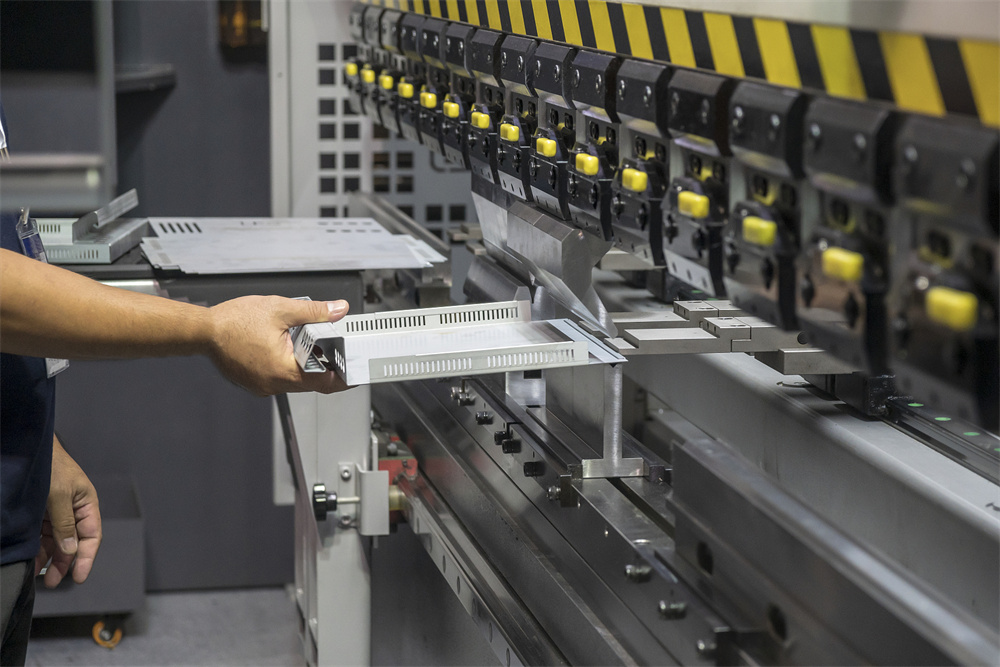
The primary driver behind the electric press brake price is the sophisticated drive system. Servo motors and ball screws are the heart of the machine, and their quality directly correlates to the machine’s longevity and bending accuracy. High-quality servo motors provide instantaneous response times and precise ram positioning, which are critical for complex bends. Manufacturers invest heavily in these components to ensure that the machine can maintain micron-level accuracy over millions of cycles, which is a significant cost factor compared to standard hydraulic components.
Another major cost driver is the control system. Modern electric press brakes are equipped with advanced CNC controllers that integrate seamlessly with CAD/CAM software. These controllers do more than just manage the bending angle; they calculate spring-back compensation, manage multi-axis backgauge positioning, and provide real-time diagnostics. The software development and the hardware required to run these complex algorithms add a significant layer to the total machine cost, but they are essential for modern “Industry 4.0” manufacturing environments.
Structural rigidity is the third pillar of cost. Because electric press brakes operate at high speeds, the frame must be exceptionally rigid to prevent deflection and ensure consistent bending force across the entire bed length. This requires high-grade steel, precision welding, and stress-relieving processes that are more intensive than those used for lighter-duty machines. The weight and material quality of the frame are direct indicators of the machine’s durability and, consequently, its price point.
Finally, safety features and ergonomic design play a role in the final price. Electric press brakes often come standard with laser light curtains, safety interlocks, and advanced foot pedals that meet stringent international safety standards. While these features increase the initial investment, they significantly reduce the risk of workplace accidents and insurance premiums, providing long-term value that is often overlooked during the initial procurement phase.
Configuration Impact on Total Investment
When discussing the Electric Press Brake Price: Is It Worth Investment?, one must consider how specific configurations influence the bottom line. A standard machine might be sufficient for basic bending, but most industrial applications require custom configurations. For instance, the number of backgauge axes can significantly alter the price. A simple 2-axis backgauge is standard, but adding 4, 6, or even 8 axes allows for the bending of complex, multi-faceted parts in a single setup. Each additional axis adds complexity to the drive system and the controller, increasing the cost.
Tooling packages are another critical configuration factor. Electric press brakes often require specialized tooling to take full advantage of their speed and precision. Investing in high-quality, hardened, and ground tooling ensures that the machine’s accuracy is not compromised by poor tool fitment. While it is tempting to use legacy tooling, upgrading to modern, quick-change clamping systems can drastically reduce setup times, which is where the real return on investment is realized.
Automation integration is perhaps the most significant variable in the configuration price. Many manufacturers are now opting to pair their electric press brakes with robotic loading and unloading systems. While this can double or triple the initial investment, it transforms the machine into a 24/7 production cell. For shops struggling with labor shortages or needing to maintain consistent output, this level of configuration is not just an expense—it is a necessity for survival in a competitive market.
Lastly, the choice of throat depth and open height can impact the price. Machines with larger throat depths allow for the bending of larger, more complex parts, but they require a more robust frame to maintain rigidity. Similarly, a larger open height provides more flexibility for deep-box bending but requires longer cylinders and more complex guiding systems. Buyers should carefully analyze their current and projected part portfolio to avoid over-specifying, which leads to unnecessary capital expenditure.
Hidden Costs and Long-Term Maintenance
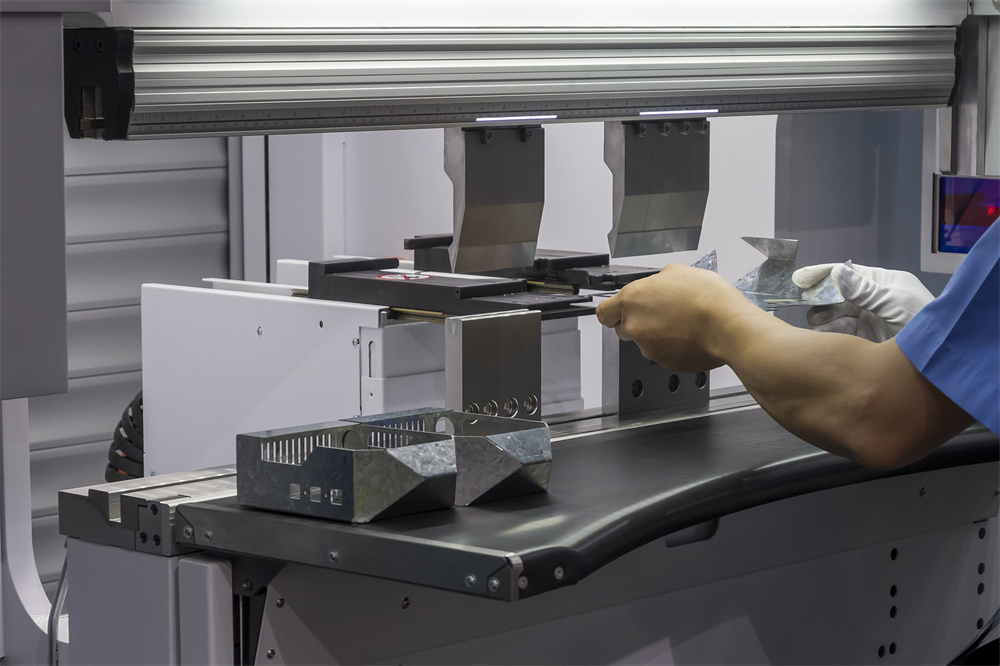
When evaluating the Electric Press Brake Price: Is It Worth Investment?, it is vital to account for hidden costs that appear after the machine is installed. Unlike hydraulic machines, electric press brakes do not require hydraulic oil changes, filter replacements, or the disposal of hazardous waste. This eliminates a recurring maintenance cost that can amount to thousands of dollars over the machine’s lifespan. However, electric machines do require periodic inspection of the ball screws and lubrication of the drive components, which should be factored into the annual maintenance budget.
Energy consumption is a major hidden benefit rather than a cost. Electric press brakes only consume power when the ram is moving. In contrast, hydraulic machines often keep the pump running continuously, consuming electricity even when the machine is idle. Over a year of operation, the energy savings of an electric press brake can be substantial, often paying for the price difference between an electric and a hydraulic machine within a few years. This is a critical point for businesses looking to reduce their carbon footprint and operational overhead.
Training is another often-overlooked cost. Because electric press brakes are more technologically advanced, operators may require specialized training to utilize the full capabilities of the CNC controller and the machine’s speed. Investing in professional training from the manufacturer ensures that the team can operate the machine safely and efficiently, minimizing downtime and tool breakage. This is an upfront cost that pays dividends in productivity and machine longevity.
Finally, consider the cost of software updates and technical support. Modern machines are essentially computers, and keeping the software updated is essential for compatibility with new CAD/CAM formats and for accessing the latest features. Choosing a reputable manufacturer like HARSLE ensures that you have access to reliable technical support and software updates, which protects your investment from becoming obsolete as technology evolves.
ROI Calculation: Making the Business Case
To determine if the electric press brake price is worth the investment, you must perform a thorough ROI calculation. Start by calculating the labor savings. Because electric press brakes are faster and easier to set up, your operators can produce more parts per hour. If you can reduce your setup time by 30% and increase your bending speed by 20%, the cumulative increase in throughput is significant. Multiply this by your hourly shop rate to see the immediate impact on your bottom line.
Next, factor in the reduction in scrap rates. The high repeatability of electric press brakes means that the first part is often as accurate as the hundredth part. By minimizing trial-and-error bending, you save on material costs and reduce the time spent on quality control. For shops working with expensive materials like stainless steel or aluminum, the reduction in scrap alone can justify the investment in an electric machine within a very short timeframe.
Consider the floor space and environmental impact. Electric press brakes are generally more compact than their hydraulic counterparts, freeing up valuable floor space in your facility. Furthermore, the absence of hydraulic oil means a cleaner, safer work environment, which can lead to lower insurance premiums and higher employee morale. These qualitative benefits, while harder to quantify, contribute to the overall health and profitability of your business.
Finally, calculate the total cost of ownership (TCO) over a 5-10 year period. Include the initial purchase price, financing costs, energy consumption, maintenance, and the value of increased production capacity. When compared to a hydraulic machine, which may have lower initial costs but higher operational and maintenance expenses, the electric press brake often emerges as the more economical choice for modern, high-precision fabrication shops.
Buying Advice: Selecting the Right Machine
When you are ready to invest, the first step is to define your specific needs. Do not buy a machine based on what you might need in five years; buy based on your current production requirements and realistic growth projections. Analyze your part portfolio—what is the maximum thickness, length, and complexity of the parts you bend? This will dictate the tonnage and bed length you require. Over-specifying leads to wasted capital, while under-specifying leads to machine failure and production bottlenecks.
Research the manufacturer’s reputation for support and service. An electric press brake is a long-term asset, and you need a partner who will be there for maintenance, parts, and technical guidance. Look for companies that provide comprehensive training, remote diagnostic capabilities, and a strong local presence. HARSLE, for example, offers extensive support networks to ensure that your machine remains operational and productive throughout its entire lifecycle.
Request a demonstration or a test bend. There is no substitute for seeing the machine in action. Bring your own material and drawings to the manufacturer’s showroom to see how the machine handles your specific applications. Pay attention to the ease of programming, the speed of the backgauge, and the overall build quality. This hands-on experience will give you the confidence that the machine is capable of meeting your quality standards.
Finally, explore financing options. Many manufacturers offer leasing or financing programs that can make the initial investment more manageable. By spreading the cost over several years, you can align your payments with the increased revenue generated by the machine’s higher productivity. Always consult with your financial advisor to understand the tax implications of your purchase, such as depreciation and investment credits, which can further improve the ROI of your new electric press brake.
Frequently Asked Questions (FAQ)
- Is an electric press brake faster than a hydraulic one? Yes, electric press brakes generally offer faster ram speeds and quicker response times, leading to higher production rates.
- Do I need special training to operate an electric press brake? While the basic principles of bending remain the same, operators will need training on the specific CNC controller and the unique features of the electric drive system.
- How long do the servo motors last? With proper maintenance and operation within the machine’s rated capacity, servo motors are designed for long-term industrial use, often lasting for many years without issue.
- Can I bend thick plate on an electric press brake? Yes, electric press brakes are available in various tonnages, including heavy-duty models capable of bending thick plate, though hydraulic machines are sometimes preferred for extremely heavy-duty, large-scale structural work.
- What is the main advantage of an electric press brake? The primary advantages are precision, energy efficiency, speed, and the elimination of hydraulic oil maintenance.
- Is the higher price of an electric press brake justified? For most modern fabrication shops, the combination of energy savings, reduced scrap, and higher productivity makes the investment highly cost-effective over the machine’s lifespan.












