
Shearing Machine Price Ranges Explained: Hydraulic, Mechanical, and CNC Models


Shearing Machine Price Ranges Explained: Hydraulic, Mechanical, and CNC Models
Investing in a high-quality shearing machine is a pivotal decision for any metal fabrication facility. Whether you are a small job shop or a large-scale industrial manufacturer, understanding the market landscape is essential for balancing budget constraints with production requirements. The shearing machine price ranges explained: hydraulic, mechanical, and CNC models, serve as a roadmap for procurement managers and shop owners looking to optimize their capital expenditure.
Prices for shearing machines vary drastically based on technology, capacity, and automation levels. Entry-level mechanical shears may start at a few thousand dollars, while high-end, fully automated CNC hydraulic systems can reach six figures. This guide breaks down these costs to help you navigate the complex market of metal fabrication equipment.

Main Cost Drivers in Shearing Technology
The primary factor influencing the cost of a shearing machine is the drive mechanism. Mechanical shears, which utilize a flywheel and clutch system, are generally the most affordable. They are designed for high-speed, repetitive cutting of thinner materials. Because their internal architecture is less complex than hydraulic systems, they offer a lower barrier to entry for startups.
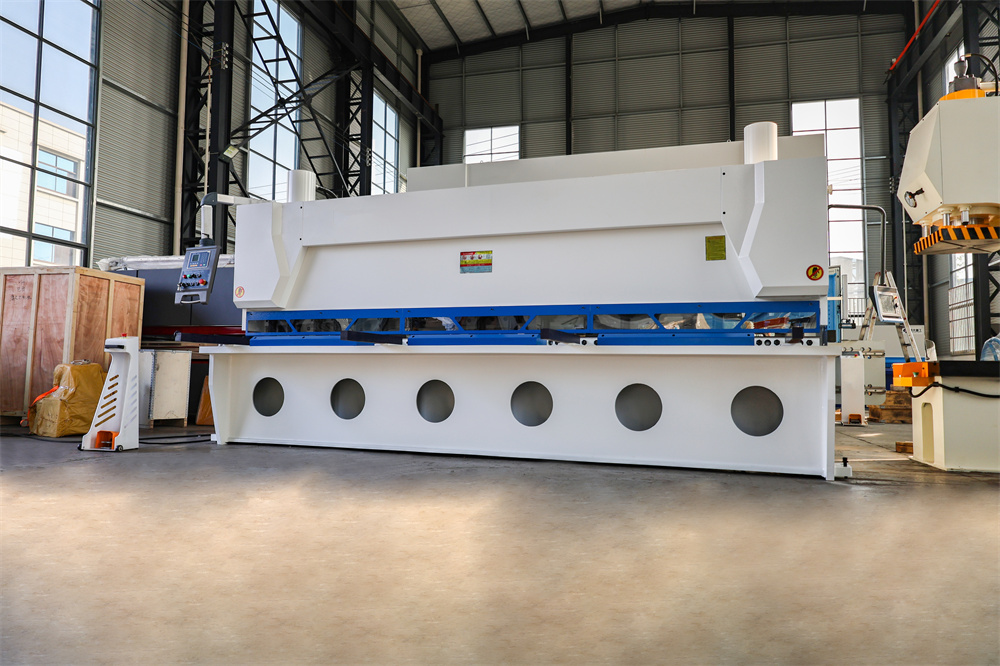
Hydraulic shearing machines represent the industry standard for versatility and power. These machines use hydraulic cylinders to drive the cutting beam, providing consistent force throughout the entire stroke. The cost of these machines is driven by the quality of the hydraulic components, such as pumps, valves, and seals. High-pressure systems capable of cutting thick plate steel command a premium due to the robust structural requirements of the frame.
CNC integration acts as a significant multiplier for the base price of any shearing machine. A manual machine requires the operator to set the backgauge and blade clearance by hand, which is time-consuming and prone to human error. CNC-controlled shears automate these adjustments, allowing for rapid batch processing and high-precision repeatability. The cost here is not just in the hardware, but in the sophisticated software and servo-motor systems required for precision control.
Material capacity—specifically the maximum thickness and length of the cut—is the final major cost driver. A machine designed to shear 20mm thick mild steel requires a much heavier frame, larger cylinders, and more powerful motors than one designed for 6mm sheet metal. As capacity increases, the weight of the machine increases, leading to higher manufacturing, shipping, and installation costs.
Configuration Impact on Total Investment
Beyond the core machine type, the configuration of your shearing machine significantly impacts the final price tag. Features such as variable rake angle adjustment allow the operator to change the angle of the upper blade to minimize distortion when cutting thin materials. While this feature adds to the initial cost, it provides immense value in terms of part quality and versatility.
Backgauge sophistication is another critical configuration choice. A basic motorized backgauge is standard on many mid-range models, but advanced CNC-controlled backgauges with multi-axis movement allow for complex, tapered cuts. Investing in a high-precision backgauge reduces scrap rates and increases throughput, which often justifies the higher initial investment over the machine’s lifecycle.
Safety features and ergonomic enhancements are often overlooked during the initial quote phase but are essential for long-term operational efficiency. Light curtains, laser safety guards, and shadow-line lighting systems add to the cost but are vital for compliance with international safety standards. These features protect your workforce and reduce liability, making them a necessary investment for any professional fabrication shop.
Finally, consider the tooling and blade material. High-carbon, high-chrome blades are essential for cutting stainless steel or high-tensile materials. These specialized blades are more expensive than standard tool steel blades but offer significantly longer service life between sharpenings. Choosing the right blade configuration at the time of purchase can save thousands in maintenance costs over the first few years of operation.
Hidden Costs: Installation, Maintenance, and Training
When analyzing shearing machine price ranges, it is easy to focus solely on the sticker price. However, the total cost of ownership includes several hidden expenses. Shipping and rigging are often significant, especially for heavy-duty hydraulic shears that require specialized transport and crane services for installation. Always request a detailed quote that includes delivery to your shop floor.
Foundation requirements are another often-ignored cost. High-capacity shearing machines generate significant vibration and require a reinforced concrete foundation to maintain precision. If your current shop floor does not meet the manufacturer’s specifications, you may need to invest in site preparation, which can add a substantial amount to your project budget.
Training and integration are essential for realizing the ROI of a CNC shearing machine. If your operators are not trained to use the CNC interface effectively, the machine will operate at a fraction of its potential capacity. Factor in the cost of professional training sessions, either on-site or at the manufacturer’s facility, to ensure your team can maximize the machine’s capabilities from day one.
Maintenance contracts and spare parts inventory should also be part of your budget. While modern machines are designed for reliability, they still require periodic calibration, oil changes, and blade sharpening. Establishing a relationship with a reliable service provider and keeping a stock of critical wear parts will prevent costly downtime in the future.
ROI Calculation for Metal Fabrication Equipment
Calculating the Return on Investment (ROI) for a shearing machine requires looking beyond the initial purchase price. Start by evaluating your current labor costs. If your current process involves manual cutting or outsourcing, calculate the cost per part. A CNC shearing machine can reduce cutting time by 50% or more, allowing you to reallocate labor to higher-value tasks.
Consider the reduction in material waste. Precision shearing machines with advanced backgauges allow for tighter nesting of parts, significantly reducing scrap rates. In an era of fluctuating steel prices, even a 5% reduction in material waste can result in thousands of dollars of savings annually, effectively paying for the machine over a few years.
Increased capacity and capability allow you to take on new types of projects. If you are currently limited to thin-gauge sheet metal, a high-capacity hydraulic shear opens the door to heavy plate fabrication, a more lucrative market segment. The ability to offer faster turnaround times also provides a competitive advantage, allowing you to charge a premium for your services.
Finally, consider the resale value. High-quality hydraulic and CNC shearing machines from reputable manufacturers like HARSLE retain their value remarkably well. When it comes time to upgrade, a well-maintained machine can be sold on the secondary market, recouping a significant portion of the original investment. This residual value should be factored into your long-term financial planning.
Buying Advice: Selecting the Right Model
Choosing the right shearing machine requires a clear understanding of your production needs. Start by auditing your current workload. What is the thickest material you cut? What is the most common length? If 90% of your work is under 6mm, buying a 20mm capacity machine is an unnecessary expense that will result in higher energy consumption and lower efficiency.
Evaluate the manufacturer’s support network. A shearing machine is a long-term asset. You need a partner who provides responsive technical support, readily available spare parts, and expert advice. HARSLE prides itself on offering comprehensive support, ensuring that your machine remains operational and productive throughout its lifespan.
Request a demonstration or visit a reference site. Seeing a machine in action allows you to assess its build quality, noise levels, and ease of use. Pay attention to the user interface—is it intuitive? Can your operators learn it quickly? A machine that is difficult to program will become a bottleneck in your production line, regardless of its technical specifications.
Lastly, don’t be afraid to ask for a customized configuration. Many manufacturers can tailor the backgauge length, throat depth, or safety features to meet your specific requirements. By working closely with the manufacturer, you can ensure that you are paying for the features you need and nothing you don’t, resulting in the most cost-effective solution for your business.
FAQ: Shearing Machine Price Ranges Explained
What is the typical price difference between mechanical and hydraulic shears?
Mechanical shears are generally 30-50% cheaper than hydraulic models of similar capacity. However, hydraulic shears offer superior control, safety, and versatility, making them the preferred choice for most modern fabrication shops.
How much does CNC integration add to the cost of a shear?
CNC integration can add anywhere from $5,000 to $20,000 to the base price of a machine, depending on the complexity of the controller and the number of axes controlled. The investment is usually recovered quickly through increased productivity and reduced scrap.
Are there hidden costs when buying a shearing machine?
Yes, hidden costs include shipping, rigging, foundation preparation, electrical installation, operator training, and the initial stock of spare parts. Always account for these in your total budget.
How often should I sharpen the blades on my shearing machine?
Blade life depends on the material type, thickness, and frequency of use. As a general rule, blades should be inspected every 500-1,000 hours of operation. Regular maintenance prevents damage to the machine frame and ensures clean, burr-free cuts.
Why is the rake angle important for shearing machine pricing?
Variable rake angle adjustment allows the machine to handle a wider range of material thicknesses with minimal distortion. Machines with this feature are more expensive but offer significantly higher quality results, which is essential for high-precision fabrication.
What is the expected lifespan of a professional shearing machine?
With proper maintenance, a high-quality hydraulic shearing machine can last 15 to 25 years. Investing in a reputable brand like HARSLE ensures access to parts and support for the entire duration of the machine’s life.












