Best Value Shearing Machines: Price Guide for Metal Fabrication Buyers


Price Range Overview
When evaluating the market for industrial metal fabrication equipment, understanding the price landscape for shearing machines is the first step toward a sound capital investment. The cost of a shearing machine is rarely a flat figure; it is a reflection of engineering precision, material capacity, and automation capabilities. For small-to-medium enterprises (SMEs), entry-level hydraulic swing beam shears typically range from $15,000 to $30,000. These machines are designed for standard workshop tasks, offering reliable performance for mild steel up to 6mm thickness.
Moving into the mid-range category, buyers can expect to invest between $35,000 and $75,000. These machines often feature variable rake angles and motorized backgauge adjustments, which significantly increase versatility. This price bracket is the sweet spot for many fabrication shops that require a balance between high-volume throughput and the ability to handle diverse material types, including stainless steel and aluminum, without constant manual recalibration.
For high-production environments, heavy-duty guillotine shears can exceed $100,000. These systems are engineered for continuous operation, featuring advanced CNC controllers, automatic blade gap adjustment, and integrated material handling systems. When researching the Best Value Shearing Machines: Price Metal Fabrication Buyers should consider, it is essential to look beyond the sticker price and evaluate the machine’s longevity and the manufacturer’s support network.
Market volatility in steel prices and global logistics can influence these ranges. It is advisable to request quotes that include shipping, installation, and commissioning, as these can add 5-15% to the total project cost. By establishing a clear budget early, buyers can filter out machines that do not meet their specific operational requirements, ensuring that every dollar spent contributes to long-term productivity.
Main Cost Drivers
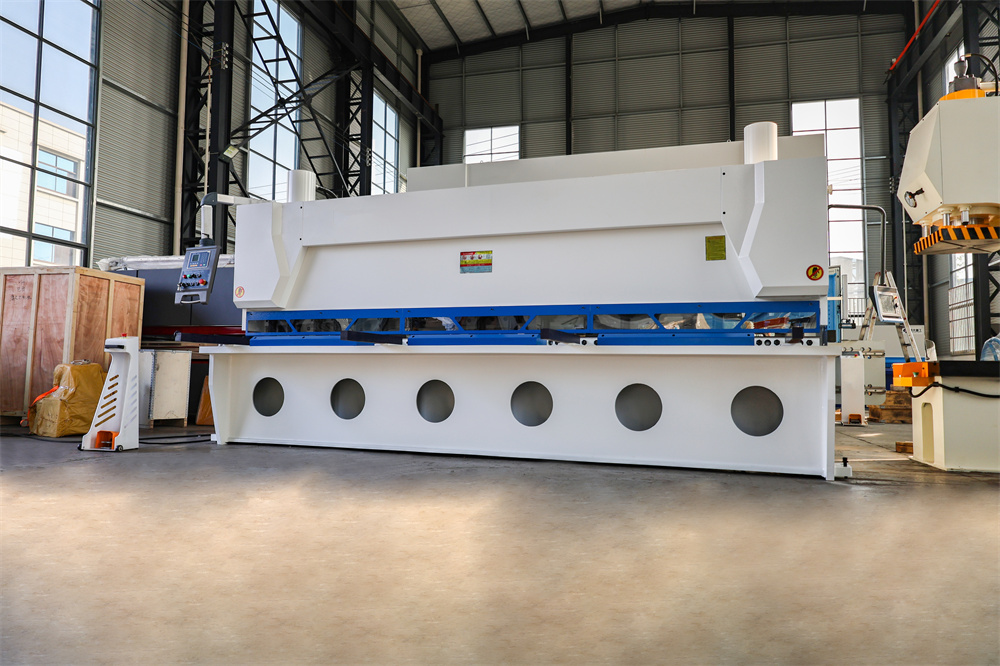
The primary driver of a shearing machine’s price is its cutting capacity, defined by both the thickness of the material and the length of the shear. A machine capable of cutting 12mm thick plate over a 3-meter length will naturally command a higher price than a 6mm capacity machine due to the increased structural steel required to prevent frame deflection. Frame rigidity is paramount; a machine that flexes during the cut will produce burrs and inconsistent edges, leading to costly secondary processing.
Another significant cost factor is the hydraulic system and component quality. Premium shearing machines utilize high-grade hydraulic valves, pumps, and seals from reputable international brands. While cheaper alternatives may exist, they often suffer from premature leaks, pressure fluctuations, and shorter service lives. Investing in a machine with high-quality hydraulics ensures consistent cutting force and reduces the frequency of maintenance interventions.
The control system also plays a pivotal role in pricing. A basic machine might feature simple push-button controls and a manual backgauge, which is cost-effective but limits productivity. Conversely, a CNC-controlled shear allows for programmable cutting sequences, automatic blade gap adjustment, and storage for hundreds of job files. While the initial cost is higher, the reduction in setup time and operator error often justifies the premium for high-volume shops.
Finally, the origin of manufacturing and the level of after-sales support significantly impact the total cost of ownership. Machines manufactured with rigorous quality control standards, such as those produced by HARSLE, offer better value over time. Buyers should weigh the cost of the machine against the availability of spare parts, technical support, and the manufacturer’s reputation for reliability in the metal fabrication industry.
Configuration Impact
Configuration is where the ‘value’ in Best Value Shearing Machines: Price Metal Fabrication Buyers truly resides. A machine configured correctly for your specific workflow will outperform a more expensive, generic machine every time. For instance, if your shop primarily processes thin sheets, a machine with a fixed rake angle might be sufficient. However, if you handle a wide range of thicknesses, a variable rake angle configuration is non-negotiable to prevent material distortion.
Blade quality and material are often overlooked during the configuration phase. High-carbon, high-chrome blades are standard, but for shops cutting abrasive materials or high-tensile steel, specialized blade coatings or materials can extend the time between sharpenings. While these add to the upfront cost, they drastically reduce downtime and maintenance expenses, providing better value over the machine’s lifecycle.
Automation features, such as pneumatic sheet supports, are essential for thin materials. Without support, thin sheets tend to sag, leading to inaccurate cuts and potential safety hazards. Adding a sheet support system to your configuration might increase the price by several thousand dollars, but it significantly improves the accuracy and safety of your production line, making it a high-value addition for shops focusing on precision.
Connectivity and Industry 4.0 readiness are becoming standard in modern fabrication. Machines that can integrate with existing ERP or CAD/CAM software allow for seamless data transfer, reducing the risk of manual input errors. When configuring your machine, consider the long-term benefits of digital integration. A machine that can communicate with your design software is an asset that grows with your business, rather than a static piece of equipment that eventually becomes obsolete.
Hidden Costs
When calculating the budget for a new shearing machine, many buyers focus solely on the purchase price, ignoring the ‘hidden’ costs that can arise during installation and operation. Foundation requirements are a common oversight. Heavy-duty shears often require a reinforced concrete foundation to dampen vibrations and ensure leveling. If your existing floor is not suitable, the cost of excavation and concrete work can be substantial.
Electrical infrastructure is another factor. High-capacity shearing machines require specific voltage and amperage, which may necessitate an upgrade to your facility’s electrical panel or the installation of a dedicated transformer. Additionally, the cost of consumables—such as hydraulic oil, filters, and replacement blades—should be factored into your annual operating budget. Neglecting these can lead to unexpected cash flow issues.
Training and labor costs are frequently underestimated. Even the most advanced machine is only as effective as its operator. Investing in professional training for your staff ensures that the machine is used safely and efficiently, minimizing the risk of damage and maximizing output. Many manufacturers offer training packages; these are rarely an ‘extra’ but rather a necessary investment in your human capital.
Finally, consider the cost of downtime. If a machine breaks down and spare parts are not readily available, the cost of lost production can quickly exceed the savings gained from choosing a cheaper, less reliable machine. Always verify the manufacturer’s lead time for critical components and their policy on technical support. A slightly higher price for a machine backed by a robust service network is almost always the better financial decision.
ROI Calculation
Calculating the Return on Investment (ROI) for a shearing machine requires a holistic view of your production metrics. Start by determining the cost per cut. This involves dividing the total annual cost of the machine (including depreciation, maintenance, energy, and labor) by the total number of cuts performed. By comparing this to your current outsourcing costs or the cost of using an older, less efficient machine, you can clearly see the financial benefit of the upgrade.
Efficiency gains are the primary driver of ROI. A modern shearing machine with a fast backgauge and automated features can reduce setup time by 30-50%. If your shop performs multiple job changes throughout the day, this time saving translates directly into increased throughput and higher revenue. Quantify these hours saved and multiply them by your shop’s hourly rate to see the immediate impact on your bottom line.
Material waste reduction is another critical component of ROI. Modern shears are designed for high precision, which minimizes the need for trimming and reduces scrap rates. Even a 1-2% reduction in material waste can result in significant annual savings, especially when working with expensive materials like stainless steel or aluminum. Factor these material savings into your ROI calculation to get a more accurate picture of the machine’s value.
Finally, consider the potential for new business. A high-quality, reliable shearing machine allows you to take on more complex projects, handle thicker materials, and meet tighter tolerances. This expanded capability opens up new market segments and revenue streams. When presenting the ROI case to stakeholders, emphasize not just the cost savings, but the growth potential that a modern, high-value shearing machine provides to your fabrication business.
Buying Advice
When searching for the Best Value Shearing Machines: Price Metal Fabrication Buyers should prioritize, start by defining your ‘must-have’ features versus your ‘nice-to-have’ features. Focus on the core requirements: cutting length, material thickness, and the type of material you process most frequently. Do not pay for advanced automation if your production volume does not justify it, but do not skimp on structural integrity or safety features.
Request demonstrations or visit existing installations if possible. Seeing a machine in action provides insights that brochures cannot. Observe the noise level, the ease of material handling, and the quality of the cut edge. Ask the operator about their experience with the machine—what they like, what they find frustrating, and how easy it is to perform routine maintenance. This ‘real-world’ feedback is invaluable.
Evaluate the manufacturer’s support ecosystem. A machine is a long-term partner in your business. Check for the availability of local technicians, the ease of ordering spare parts, and the quality of the technical documentation. A manufacturer that provides comprehensive support, like HARSLE, ensures that your investment remains productive for years to come, which is the hallmark of a true value purchase.
Finally, look for flexibility. Can the machine be upgraded later with additional features like a sheet support system or a more advanced controller? A machine that offers a path for future upgrades is a safer investment than one that is ‘locked’ in its current configuration. By choosing a modular and well-supported system, you ensure that your shearing machine remains a competitive advantage as your business evolves.
FAQ
- What is the typical lifespan of an industrial shearing machine? With proper maintenance, a high-quality hydraulic shearing machine can last 15 to 20 years or more.
- How often should I sharpen the blades? This depends on the material type and thickness. Generally, blades should be inspected every 6 months and sharpened or replaced when the cut quality begins to degrade or burrs appear.
- Is a CNC controller worth the extra cost? Yes, for shops that handle frequent job changes or require high precision, the time saved and the reduction in errors make CNC controllers a high-value investment.
- What safety features should I look for? Essential features include light curtains, rear safety guards, emergency stop buttons, and foot pedal controls with protective covers.
- How do I determine the correct cutting capacity? Always choose a machine with a capacity slightly higher than your maximum requirement to avoid running the machine at its limit, which reduces wear and tear.