Shearing Machine Pricing Factors: Capacity, Blade Length, and Automation


Price Range Overview
Investing in a high-quality shearing machine is a significant capital expenditure for any metal fabrication facility. Understanding the market landscape is the first step toward making an informed procurement decision. Generally, the price of a shearing machine can range from $15,000 for entry-level, manual-swing beam models to upwards of $200,000 for high-precision, fully automated CNC hydraulic guillotine shears. This wide variance is not arbitrary; it reflects the machine’s ability to handle specific material thicknesses, lengths, and production throughput requirements.
For small-to-medium enterprises (SMEs), the sweet spot often lies in the $30,000 to $70,000 range, where hydraulic swing beam shears offer a balance of reliability and cost-effectiveness. These machines are ideal for general-purpose fabrication shops that handle diverse material types but do not require 24/7 high-speed automation. Conversely, large-scale industrial operations often prioritize heavy-duty guillotine shears that can handle thick plate steel, where the investment is justified by reduced downtime and superior edge quality.
It is essential to view the purchase price not just as an upfront cost, but as a long-term operational investment. A cheaper machine may seem attractive initially, but if it lacks the structural rigidity to maintain accuracy over time, the cost of scrap material and rework will quickly erode any initial savings. HARSLE emphasizes that the total cost of ownership includes energy consumption, maintenance intervals, and the longevity of the blades, which are critical factors in the long-term profitability of your fabrication line.
When evaluating quotes, always ensure you are comparing “apples to apples.” Some manufacturers include essential safety features and backgauge systems in their base price, while others list them as optional add-ons. A transparent pricing structure is a hallmark of a reputable manufacturer. Always request a detailed breakdown of the machine configuration to ensure that the quoted price aligns with your specific production needs and safety standards.
Main Cost Drivers
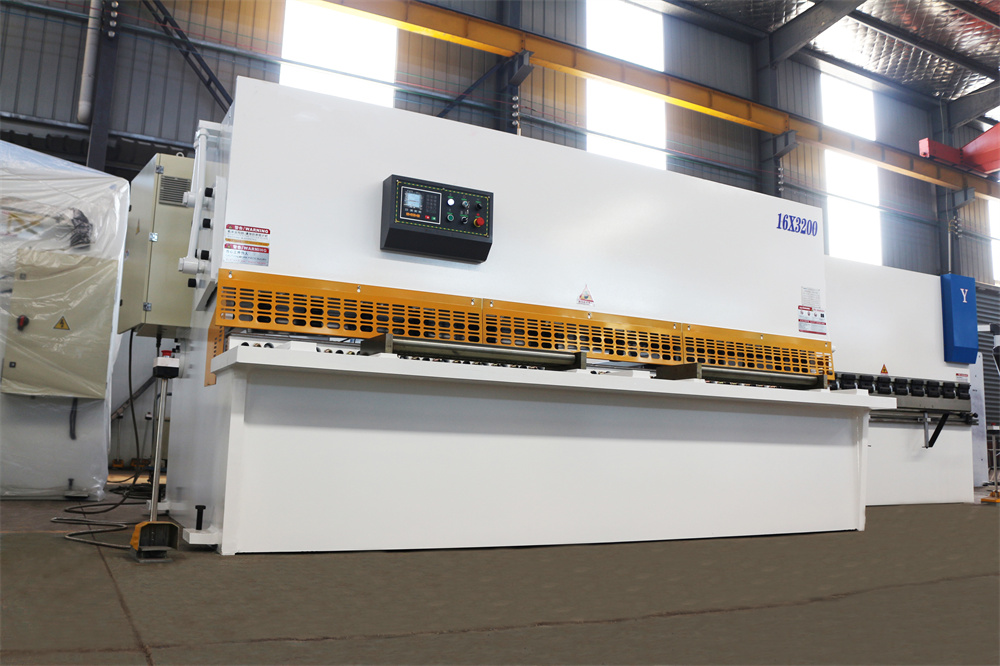
The primary driver of any shearing machine’s cost is its cutting capacity. Capacity is defined by the maximum thickness of the material the machine can shear, typically measured in mild steel. As the required thickness increases, the machine requires a more robust frame, larger hydraulic cylinders, and a more powerful motor to generate the necessary force. This increase in structural mass directly correlates to higher manufacturing costs and, consequently, a higher price tag for the end user.
Blade length is the second major cost driver. A machine designed to cut 3-meter sheets is significantly cheaper than one designed for 6-meter sheets. The length of the cutting table dictates the size of the machine frame, the complexity of the blade alignment system, and the length of the backgauge assembly. Longer machines require higher precision in manufacturing to ensure that the blade gap remains consistent across the entire length of the cut, which adds to the engineering and production costs.
The type of shearing mechanism—swing beam versus guillotine—also plays a significant role in pricing. Swing beam shears are generally more affordable due to their simpler mechanical design, where the upper blade carrier pivots on a fixed axis. While excellent for many applications, they have limitations regarding the rake angle. Guillotine shears, which move the upper blade vertically, offer superior cutting quality and versatility, particularly for thicker materials, but they are more complex to manufacture and thus command a higher price.
Material quality and component sourcing are often overlooked but critical cost drivers. High-quality hydraulic components from reputable global brands, hardened and ground blades, and heavy-duty steel frames contribute to the machine’s lifespan. HARSLE utilizes high-grade steel and precision-engineered components to ensure that our machines maintain their accuracy over years of intensive use. Choosing a machine with inferior components might save money today, but it will likely result in higher maintenance costs and reduced machine availability in the future.
Configuration Impact
Automation is the most significant differentiator in modern shearing machine pricing. Basic machines rely on manual adjustments for the backgauge and blade gap, which are time-consuming and prone to human error. In contrast, CNC-controlled shearing machines allow operators to input material thickness and length, with the machine automatically adjusting the backgauge position and the blade gap clearance. This level of automation significantly increases throughput and consistency, justifying the higher initial investment.
The backgauge system is a critical component of the machine’s configuration. A simple, motorized backgauge is standard, but advanced systems include programmable multi-axis backgauges that can handle tapered cuts or complex sheet geometries. The more axes and the higher the precision of the backgauge, the more expensive the machine becomes. However, for shops dealing with high-mix, low-volume production, the ability to quickly switch between jobs via CNC programming is an invaluable asset that reduces setup time to near zero.
Blade gap adjustment is another area where configuration impacts price. Manual adjustment requires the operator to physically turn a handwheel or adjust a lever, which can be imprecise. Automatic blade gap adjustment, controlled by the CNC system, ensures that the gap is perfectly matched to the material thickness, which is vital for achieving a clean, burr-free edge. This feature not only improves the quality of the finished part but also extends the life of the blades by preventing excessive wear caused by incorrect gap settings.
Additional features such as sheet support systems, pneumatic or hydraulic hold-downs, and scrap removal conveyors further enhance the machine’s capabilities. A sheet support system, for instance, prevents thin sheets from sagging, ensuring that the backgauge can accurately position the material. While these features add to the upfront cost, they are essential for high-precision work and can significantly reduce the amount of scrap generated during the shearing process, providing a clear return on investment through material savings.

Hidden Costs
When budgeting for a new shearing machine, it is easy to focus solely on the purchase price, but there are several hidden costs that must be accounted for. Installation and commissioning are often excluded from the base price. This includes the cost of specialized rigging to move the machine into your facility, the preparation of a reinforced concrete foundation, and the electrical and hydraulic connections required to get the machine operational. Depending on the machine’s size, these costs can range from a few thousand to tens of thousands of dollars.
Training is another critical, yet often underestimated, cost. Even the most advanced CNC shearing machine is only as effective as the operator using it. Investing in comprehensive training for your staff ensures that they can safely operate the machine, perform routine maintenance, and utilize the CNC features to their full potential. Neglecting training can lead to operator error, safety incidents, and suboptimal machine performance, all of which represent significant financial losses.
Maintenance and spare parts should be factored into your long-term budget. Blades will eventually dull and require sharpening or replacement. Hydraulic oil, filters, and seals have a finite lifespan and must be replaced according to the manufacturer’s schedule. Choosing a machine from a manufacturer with a strong local support network and readily available spare parts is crucial. HARSLE provides extensive documentation and support to ensure that your maintenance costs remain predictable and manageable throughout the machine’s lifecycle.
Finally, consider the cost of energy and consumables. Modern machines with energy-efficient hydraulic systems and standby modes can significantly reduce electricity consumption over time. Additionally, the quality of the blades you choose will impact how often they need to be sharpened. Investing in high-quality, wear-resistant blades may have a higher upfront cost, but the reduced frequency of maintenance and the improved cut quality often result in a lower total cost of ownership compared to cheaper, lower-quality alternatives.
ROI Calculation
Calculating the Return on Investment (ROI) for a shearing machine requires a holistic view of your production process. Start by analyzing your current labor costs associated with manual shearing or the costs incurred by outsourcing your cutting requirements. If a new, automated machine can reduce the time required for each cut by 30% and eliminate the need for secondary deburring operations, the labor savings alone can be substantial. Calculate the hourly rate of your operators and multiply it by the time saved per shift to determine the annual labor savings.
Material waste reduction is another key component of the ROI calculation. A high-precision shearing machine with an accurate backgauge and proper blade gap adjustment minimizes scrap. If your current process results in a 5% scrap rate due to inaccuracies, and a new machine reduces this to 1%, the value of the saved material can be significant, especially when working with expensive alloys or high-grade steel. Over the course of a year, these material savings can contribute significantly to the machine’s payback period.
Consider the impact on production capacity and lead times. A faster, more reliable machine allows you to take on more work and meet tighter deadlines, which can lead to increased revenue and improved customer satisfaction. If the new machine allows you to enter new markets or handle thicker materials that you previously had to outsource, the additional revenue generated should be included in your ROI analysis. A well-chosen machine is not just a cost center; it is a revenue-generating asset.
Finally, factor in the machine’s resale value. High-quality, well-maintained shearing machines from reputable brands like HARSLE retain their value much better than generic or low-end models. When calculating the ROI, consider the machine’s expected lifespan and its potential value at the end of that period. A machine that lasts 15 years with minimal downtime and a high resale value will always provide a better return on investment than a cheaper machine that needs to be replaced after 5 years.
Buying Advice
Before purchasing a shearing machine, conduct a thorough audit of your current and future production needs. What is the thickest material you currently cut, and what do you anticipate cutting in the next five years? It is often wise to purchase a machine with slightly more capacity than you currently need to accommodate future growth. However, avoid over-specifying; buying a machine that is far too large for your typical work will result in higher energy costs and a larger footprint than necessary.
Evaluate the manufacturer’s support and service capabilities. A shearing machine is a long-term investment, and you need a partner who can provide technical support, spare parts, and maintenance advice when needed. Look for manufacturers with a proven track record, positive customer testimonials, and a clear commitment to quality. HARSLE prides itself on providing comprehensive support to our customers, ensuring that their machines remain productive and reliable for years to come.
Request a demonstration or visit a facility where a similar machine is in operation. Seeing the machine in action will give you a much better understanding of its build quality, ease of use, and cutting performance. Pay close attention to the noise level, the stability of the machine during the cut, and the quality of the finished edge. These practical observations are often more informative than any brochure or specification sheet.
Finally, don’t be afraid to ask questions about the machine’s safety features. Modern shearing machines should be equipped with light curtains, safety interlocks, and emergency stop buttons to protect your operators. Safety is not an area where you should compromise. Ensure that the machine meets all relevant safety standards in your region. A safe working environment is not only a legal requirement but also a fundamental aspect of a productive and sustainable fabrication shop.
FAQ
- What is the difference between a swing beam and a guillotine shear? A swing beam shear uses a pivoting upper blade, which is simpler and more cost-effective for general use. A guillotine shear moves the blade vertically, offering higher precision and better performance for thicker materials.
- How often should I sharpen my shearing blades? The frequency depends on the material type, thickness, and volume of cuts. As a general rule, inspect blades for wear every 500-1000 hours of operation.
- Is CNC automation worth the extra cost? Yes, if you have high-mix production or require high precision. The reduction in setup time and material waste typically provides a fast ROI.
- What foundation is required for a shearing machine? Most industrial shears require a reinforced concrete slab. Always consult the manufacturer’s foundation drawing for specific requirements based on the machine’s weight and vibration characteristics.
- How do I choose the right capacity for my shop? Analyze your material thickness requirements and add a 10-20% safety margin to ensure the machine is not constantly operating at its limit, which can lead to premature wear.