
Industrial Shearing Machine Price Guide for Workshops and Factories

Price Range Overview: Understanding the Investment
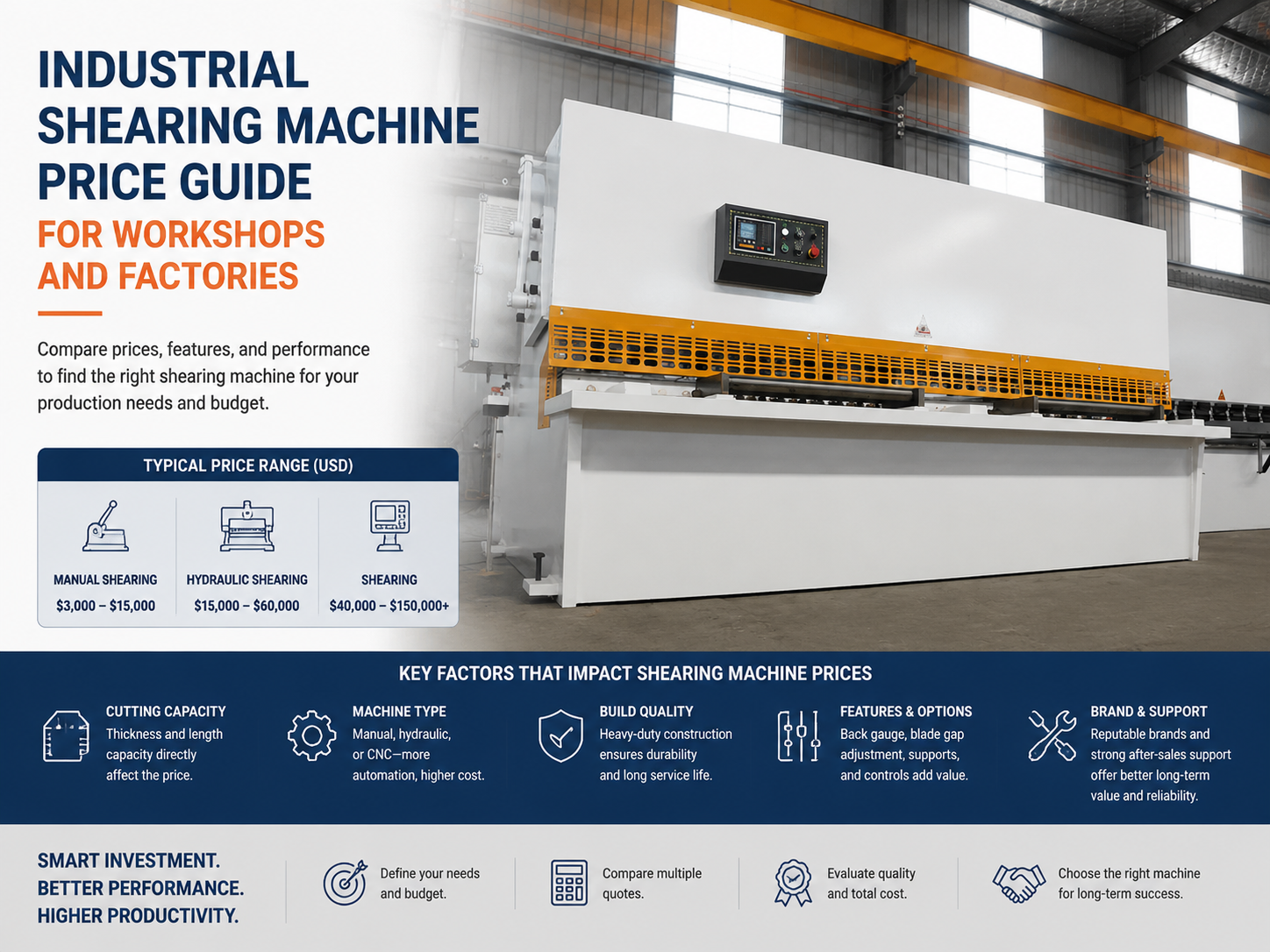
Investing in an industrial shearing machine is a significant capital expenditure that requires a deep understanding of the market landscape. For workshops and factories, the industrial shearing machine price workshops factories vary drastically based on the machine’s capacity, automation level, and build quality. Generally, entry-level mechanical shearing machines for small workshops can range from $8,000 to $15,000, while high-end, CNC-controlled hydraulic guillotine shears for heavy-duty factory production can exceed $100,000.
The market is segmented into three primary tiers. The first tier consists of light-duty mechanical shears, ideal for thin-gauge sheet metal processing in small job shops. The second tier includes mid-range hydraulic swing-beam shears, which offer a balance between precision and cost, typically priced between $20,000 and $45,000. These are the workhorses for most medium-sized fabrication facilities.
The third tier represents high-precision, variable-rake hydraulic guillotine shears. These machines are designed for continuous, high-volume industrial production. Prices here reflect the integration of advanced CNC controllers, automatic blade gap adjustment, and sophisticated backgauge systems. When evaluating the industrial shearing machine price workshops factories, it is essential to look beyond the sticker price and consider the total cost of ownership over a ten-year period.
HARSLE provides a diverse range of solutions tailored to these specific tiers. Whether you are a small business owner looking for your first machine or a factory manager upgrading a production line, understanding these price brackets is the first step in your procurement journey. Always remember that the cheapest machine often leads to higher maintenance costs and lower throughput, which can negate initial savings.

Main Cost Drivers: What Influences the Price Tag?
Several technical specifications act as primary cost drivers for industrial shearing machines. The most significant factor is the cutting capacity, defined by both the maximum thickness of the material and the length of the blade. A machine capable of shearing 20mm thick steel plate will naturally command a much higher price than one limited to 6mm, due to the structural reinforcement required to handle the increased cutting force.
The drive system—mechanical versus hydraulic—is another major differentiator. Mechanical shears are simpler and cheaper to manufacture but are limited in their versatility and material thickness capacity. Hydraulic systems, conversely, offer superior force control, adjustable rake angles, and better energy efficiency, justifying their higher price point in professional factory environments.
Automation and control systems represent the fastest-growing cost component. Modern factories demand high repeatability and minimal setup time. CNC controllers that allow for programmable backgauge positioning, automatic blade gap adjustment, and stroke length control add significant value. These features reduce human error and increase the number of parts produced per hour, directly impacting the machine’s ROI.
Build quality and component sourcing also play a critical role. Machines utilizing high-grade, heat-treated steel frames and premium hydraulic components from reputable global brands will always be priced higher than those using generic, low-cost alternatives. HARSLE emphasizes the use of high-quality, durable components to ensure that our machines withstand the rigors of 24/7 industrial operation.
Configuration Impact: Tailoring the Machine to Your Needs
Customization is where the industrial shearing machine price workshops factories can fluctuate based on specific operational requirements. A standard machine might suffice for basic cutting, but adding specialized features can significantly enhance productivity. For instance, a pneumatic sheet support system is essential for thin materials to prevent sagging and ensure a clean, accurate cut across the entire length of the sheet.
The backgauge configuration is another critical area. A simple manual backgauge is inexpensive but slow to adjust. An automated, motorized backgauge with ball screws and linear guides offers high precision and speed, which is vital for factories handling frequent job changes. Investing in a high-quality backgauge system is often the difference between a profitable production run and one plagued by rework.
Blade material and quality also impact the long-term cost. High-carbon, high-chrome steel blades are standard, but for factories cutting stainless steel or high-tensile materials, specialized blade coatings or materials are necessary to prevent premature wear. While these options increase the initial purchase price, they significantly reduce the downtime associated with blade sharpening and replacement.
Finally, consider the integration of safety features. Modern industrial standards require light curtains, laser scanners, and interlocked safety guards. While these add to the overall cost, they are non-negotiable for modern safety compliance. HARSLE integrates these features as standard or optional upgrades to ensure that your factory meets international safety regulations without compromising on performance.
Hidden Costs: Beyond the Initial Purchase
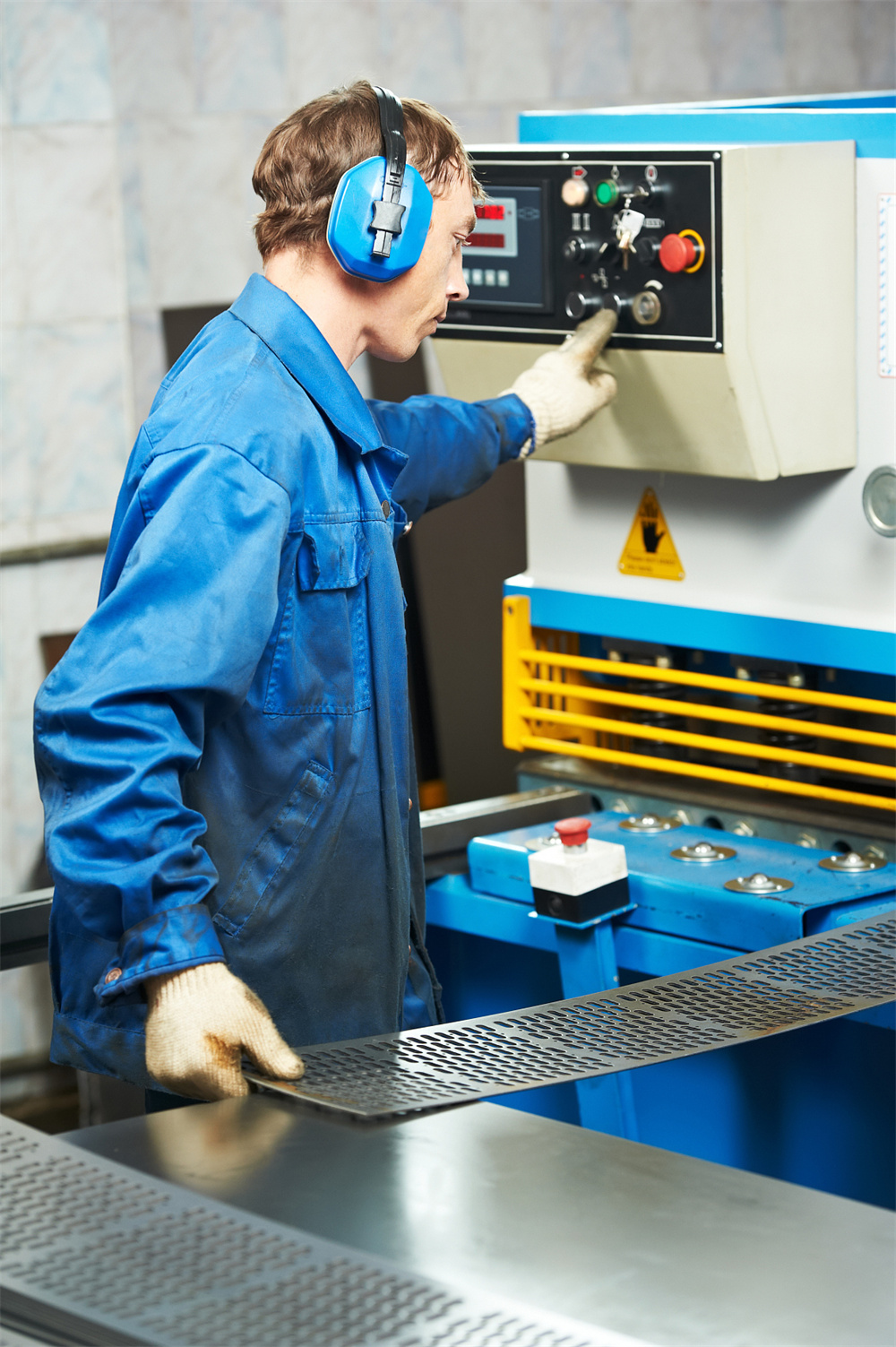
When budgeting for an industrial shearing machine, many buyers overlook the hidden costs associated with installation and ongoing operation. Shipping, rigging, and professional installation are significant expenses, especially for heavy-duty equipment that requires a reinforced concrete foundation. Always request a detailed quote that includes these logistics to avoid unexpected budget overruns.
Energy consumption is a recurring cost that varies by machine type. Hydraulic machines with variable frequency drives (VFDs) are significantly more energy-efficient than older, constant-speed models. Over the lifespan of the machine, the energy savings from a more efficient motor can offset a portion of the higher initial investment. It is wise to review the power requirements and energy efficiency ratings before finalizing your purchase.
Maintenance and spare parts availability are often underestimated. A machine that is cheap to buy but uses proprietary, hard-to-source parts can become a liability. HARSLE prides itself on maintaining a robust supply chain for spare parts, ensuring that your machine remains operational with minimal downtime. Factor in the cost of annual preventative maintenance contracts and the potential cost of training your staff to operate the new equipment.
Consumables, such as hydraulic oil, filters, and blade sharpening services, should also be included in your operational budget. Regular blade maintenance is crucial for the longevity of the machine and the quality of the cut. Neglecting these small, recurring costs can lead to catastrophic machine failure, resulting in expensive repairs that far exceed the cost of routine upkeep.
ROI Calculation: Justifying the Investment
Calculating the Return on Investment (ROI) for an industrial shearing machine requires a clear view of your production goals. Start by calculating the cost per cut. This involves dividing the total annual cost of the machine (purchase price amortized over 10 years, plus maintenance, energy, and labor) by the total number of parts produced per year. If your current manual or outsourced process has a higher cost per cut, the investment is justified.
Consider the impact on throughput. A high-speed, CNC-controlled shear can process material significantly faster than manual alternatives. If your factory is currently bottlenecked at the cutting stage, the increased output from a new machine can lead to faster lead times, higher customer satisfaction, and the ability to take on larger contracts. This revenue growth is a direct benefit of the investment.
Quality improvement is another factor. Precision shearing reduces the need for secondary finishing processes like grinding or deburring. By producing parts that are ready for the next stage of fabrication (such as bending or welding) immediately, you save on labor costs and reduce material waste. These savings accumulate rapidly in a high-volume production environment.
Finally, consider the resale value. High-quality industrial machinery from reputable brands like HARSLE retains its value significantly better than generic or low-end equipment. When it comes time to upgrade or expand, being able to sell your used machine for a substantial percentage of its original cost is a major advantage that should be factored into your long-term financial planning.
Buying Advice: Making the Right Choice
Before purchasing, conduct a thorough audit of your current and future material requirements. What is the maximum thickness, length, and type of material you will be cutting? Buying a machine that is too small will limit your growth, while buying one that is far beyond your needs is a waste of capital. Aim for a machine that covers your current needs with a 20-30% buffer for future growth.
Request demonstrations and test cuts. Never buy an industrial shearing machine based solely on a brochure. Ask the manufacturer to perform a test cut on your specific material to verify the quality of the edge and the accuracy of the dimensions. This is the best way to ensure the machine meets your quality standards before the final transaction.
Evaluate the manufacturer’s support network. Does the company offer remote technical support? How quickly can they dispatch a technician if a major issue arises? A machine is only as good as the support behind it. HARSLE provides comprehensive after-sales support, including remote diagnostics and a global network of service partners, to ensure your factory stays productive.
Finally, compare total value, not just the price. Look at the warranty terms, the availability of training for your operators, and the ease of use of the control interface. A machine that is easy to operate will reduce training time and minimize the risk of operator error. By focusing on these factors, you will make an informed decision that supports your business goals for years to come.
FAQ: Frequently Asked Questions
- What is the typical lifespan of an industrial shearing machine? With proper maintenance, a high-quality hydraulic shearing machine can last 15 to 20 years or more in a standard factory environment.
- How often should I sharpen the blades? This depends on the material type and volume. Generally, blades should be inspected every 3-6 months and sharpened when you notice burrs on the cut edge.
- Can I cut stainless steel on a standard shearing machine? Yes, but you must account for the higher tensile strength of stainless steel. You may need to reduce the maximum thickness capacity compared to mild steel.
- What is the difference between a swing-beam and a guillotine shear? A swing-beam shear uses a pivoting cutting beam, which is simpler and often more cost-effective. A guillotine shear moves the blade vertically, offering better precision and less distortion for thicker materials.
- How do I choose the right cutting capacity? Always choose a machine with a capacity slightly higher than your thickest regular material to avoid straining the machine and to extend blade life.
- Does HARSLE provide installation services? Yes, HARSLE offers professional installation and commissioning services to ensure your machine is set up correctly and safely from day one.












