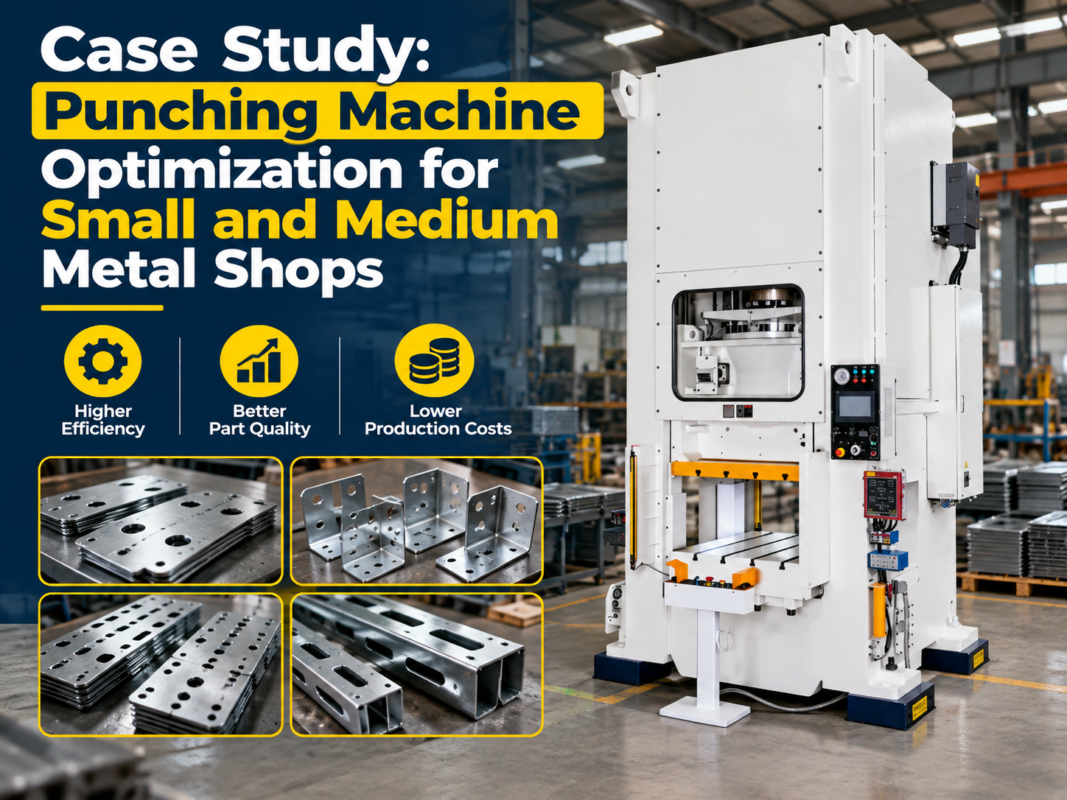
How a CNC Punching Machine Increased Precision in Automotive Sheet Metal Parts


Introduction
In the rapidly evolving automotive industry, the demand for lightweight, high-strength, and complex sheet metal components has reached an all-time high. Manufacturers are constantly seeking ways to optimize production cycles while maintaining the highest levels of dimensional accuracy. This is where the integration of advanced technology has become a game-changer. Specifically, how a CNC punching machine increased precision in automotive sheet metal parts has become a focal point for factory managers looking to reduce waste and improve assembly line consistency.
HARSLE has been at the forefront of this technological shift, providing high-performance CNC punching solutions that address the specific challenges of automotive manufacturing. Unlike traditional manual punching or older mechanical presses, modern CNC systems offer a level of repeatability that is essential for the tight tolerances required in vehicle chassis, body panels, and internal structural components. By automating the punching process, manufacturers can eliminate human error and ensure that every part meets rigorous quality control standards.
The transition to CNC technology is not merely about speed; it is about the integration of digital precision into the physical fabrication process. When we analyze how a CNC punching machine increased precision in automotive sheet metal parts, we see a direct correlation between software-driven tool positioning and the reduction of scrap rates. This article explores the technical nuances, strategic advantages, and selection criteria for implementing these machines in a modern automotive production environment.
As we delve deeper into the mechanics of these systems, it becomes clear that the synergy between CAD/CAM software and high-speed hydraulic or servo-driven punching heads is what defines modern automotive excellence. Whether it is for mass-producing brackets or intricate ventilation panels, the CNC punch press serves as the backbone of precision fabrication, ensuring that the automotive industry continues to innovate safely and efficiently.
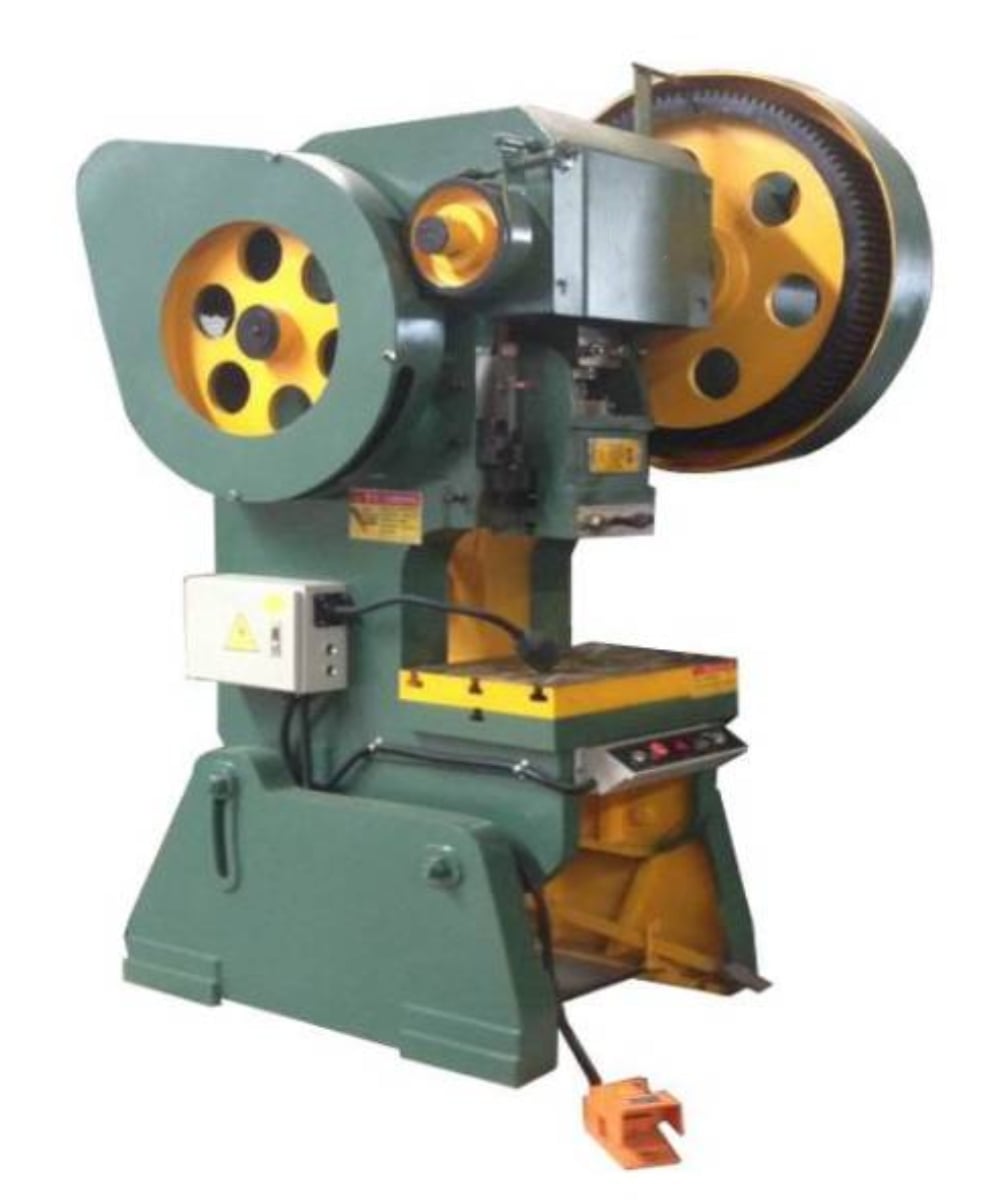
Key Considerations for Automotive Sheet Metal Fabrication
The automotive sector operates under strict requirements regarding material integrity and structural performance. When selecting equipment, engineers must consider the material thickness, tensile strength, and the complexity of the geometry. A CNC punching machine must be capable of handling various alloys, including high-strength steel and aluminum, without compromising the edge quality of the punched holes or the flatness of the sheet.
Repeatability is perhaps the most critical factor in automotive manufacturing. When a vehicle assembly line requires thousands of identical parts, even a fraction of a millimeter of deviation can lead to significant assembly issues. CNC systems utilize high-precision ball screws and servo motors to ensure that the punch head is positioned with micron-level accuracy. This consistency is the primary reason why a CNC punching machine increased precision in automotive sheet metal parts across global manufacturing hubs.
Another key consideration is the flexibility of the tooling system. Automotive designs change frequently, requiring manufacturers to adapt their production lines rapidly. Modern CNC punching machines feature automatic tool changers (ATC) that allow for a wide variety of punch and die sets to be swapped in seconds. This flexibility ensures that manufacturers can switch between different part designs without extensive downtime, maintaining high throughput while keeping precision intact.
Finally, the integration of software is paramount. The ability to import complex 3D designs directly into the machine’s controller allows for optimized nesting, which minimizes material waste. By maximizing the use of each sheet, manufacturers not only save on raw material costs but also reduce the thermal stress on the metal, which can otherwise lead to warping or inaccuracies in the final part. HARSLE’s control systems are designed to bridge the gap between design intent and physical output seamlessly.
Technical Details: The Mechanics of Precision
At the heart of the precision improvement is the servo-hydraulic or servo-electric drive system. Unlike older mechanical presses that rely on flywheels and clutches, servo-driven CNC machines offer full control over the ram’s stroke, speed, and position. This allows for ‘soft’ punching, which reduces noise and vibration, and prevents the micro-cracking that can occur in high-tensile automotive steels when using traditional impact methods.
The turret design also plays a vital role. High-end CNC punching machines utilize a multi-station turret that can hold dozens of tools simultaneously. The indexing capability of these stations allows the machine to rotate tools to any angle, enabling the creation of complex shapes, louvers, and embossed features in a single setup. This eliminates the need for secondary operations, which are often where precision is lost due to manual handling or re-clamping of the workpiece.
Furthermore, the clamping system is a critical technical component. Automotive sheets are often large and can be prone to bowing or shifting during the punching process. Modern CNC machines use programmable, heavy-duty hydraulic clamps that adjust their pressure based on the material thickness. This ensures that the sheet remains perfectly flat and stationary throughout the entire punching cycle, preventing the ‘walking’ effect that often plagues manual or semi-automatic punching operations.
Advanced lubrication systems also contribute to the precision of the process. By applying a precise amount of lubricant to the punch and die at the exact moment of impact, the machine reduces friction and heat buildup. This not only extends the life of the tooling but also ensures that the punched edges are clean and burr-free, which is essential for automotive parts that require powder coating or robotic welding later in the assembly process.
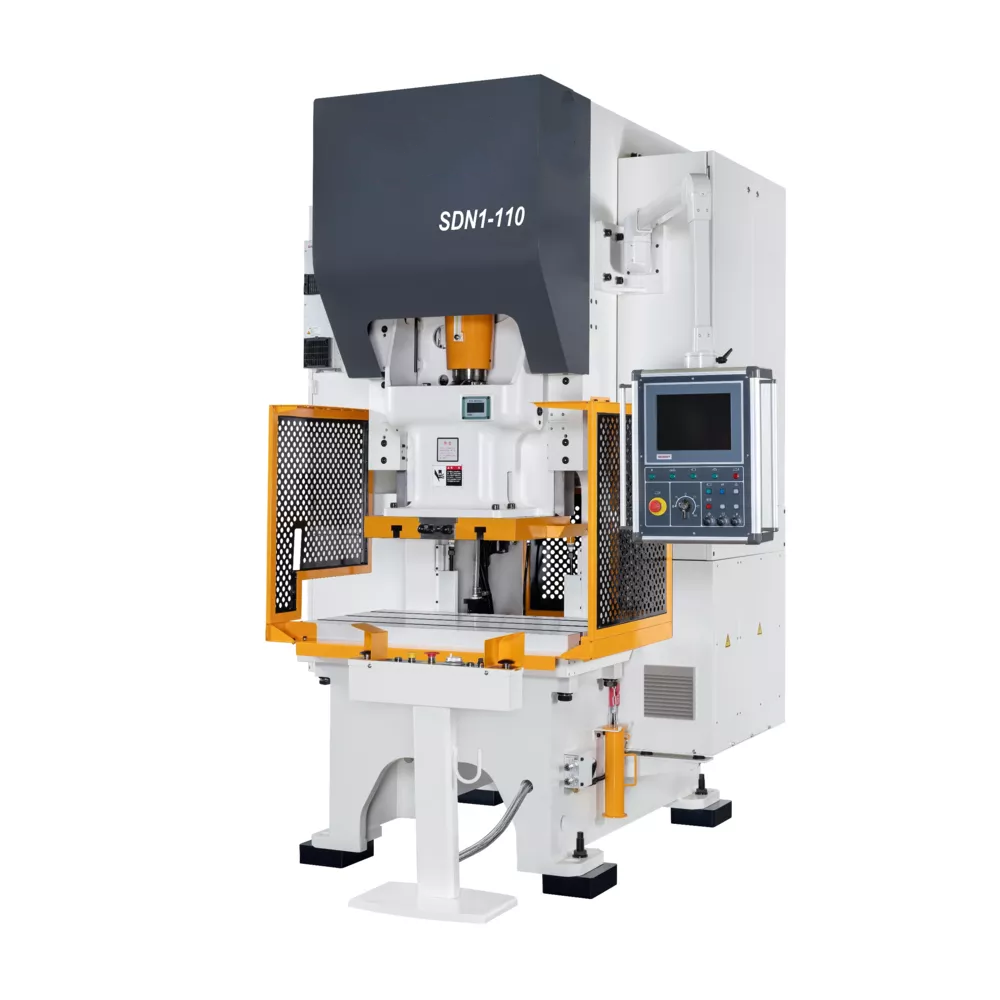
Selection Advice: Choosing the Right Equipment
When evaluating how a CNC punching machine increased precision in automotive sheet metal parts for your specific facility, you must first assess your production volume. High-volume automotive lines benefit from machines with high-speed turret rotation and rapid tool changing capabilities. Conversely, if your facility focuses on prototyping or low-volume, high-complexity parts, you should prioritize a machine with a larger tool capacity and advanced software features for rapid programming.
Consider the throat depth and the maximum sheet size the machine can handle. Automotive parts can vary significantly in size, from small brackets to large structural panels. A machine that is too small for your largest parts will force you to use secondary operations, which increases the risk of error. Always opt for a machine that provides a buffer in terms of working area to accommodate future design changes or larger component requirements.
The reputation of the manufacturer and the availability of technical support are just as important as the machine’s specifications. HARSLE provides comprehensive training and maintenance support, ensuring that your team can operate the machine at peak efficiency. Precision is not just a feature of the hardware; it is a result of well-maintained equipment and skilled operators who understand how to leverage the machine’s capabilities.
Finally, look for energy efficiency and environmental impact. Modern CNC punching machines are designed to consume less power while delivering higher force. This is not only good for the environment but also reduces operational costs. When calculating the return on investment, consider the long-term savings in material, energy, and the reduction of defective parts that would otherwise need to be scrapped or reworked.
Frequently Asked Questions
- How does a CNC punching machine improve precision compared to manual methods?
CNC machines use computer-controlled servo systems to position the material and the punch with micron-level accuracy, eliminating the human error associated with manual layout and punching. - Can a CNC punching machine handle high-strength automotive steel?
Yes, modern CNC punching machines are designed with robust frames and high-force ram systems specifically to handle high-tensile materials used in modern vehicle manufacturing. - What is the role of the turret in precision punching?
The turret holds multiple tools and allows for rapid, automated tool changes and indexing, which ensures that complex geometries are punched with consistent alignment and minimal setup time. - How often should a CNC punching machine be calibrated?
Calibration frequency depends on usage, but for high-precision automotive parts, it is recommended to perform routine checks every 6 to 12 months, or whenever there is a noticeable deviation in part tolerances. - Does HARSLE provide software support for their CNC machines?
Yes, HARSLE provides integrated CAD/CAM software solutions that allow for seamless design-to-production workflows, ensuring that the precision programmed in the office is replicated on the shop floor.
Conclusion
The evidence is clear: the integration of advanced CNC technology is the primary driver behind the increased quality and consistency in modern automotive fabrication. By understanding how a CNC punching machine increased precision in automotive sheet metal parts, manufacturers can make informed decisions that elevate their production capabilities. From the initial design phase to the final punched component, these machines provide the stability, speed, and accuracy required to compete in the global automotive market.
HARSLE remains committed to providing the industry with the tools necessary to achieve these high standards. By investing in reliable, high-precision punching equipment, automotive suppliers can reduce their scrap rates, improve their assembly efficiency, and ultimately deliver safer, more durable vehicles to the end consumer. As technology continues to advance, the role of the CNC punch press will only become more vital, serving as the cornerstone of precision metal fabrication for years to come.