How to Solve Punching Machine Overheating Problems and Keep Operations Stable


Introduction
In the high-stakes environment of modern metal fabrication, the punching machine serves as the backbone of production efficiency. However, even the most robust HARSLE punching machines can face operational hurdles, with thermal management being one of the most critical. When you need to solve punching machine overheating problems and keep operations stable, understanding the root causes is the first step toward long-term reliability. Overheating is not merely a nuisance; it is a precursor to catastrophic component failure, reduced precision, and costly downtime.
Thermal stress affects every aspect of the machine, from the hydraulic fluid viscosity to the integrity of electronic control panels. When a machine runs consistently above its optimal temperature range, seals begin to degrade, lubricants lose their protective properties, and metal components expand beyond their design tolerances. This article provides a comprehensive guide for shop floor managers and maintenance engineers on how to identify, mitigate, and prevent thermal issues in industrial punching equipment.
By implementing a proactive maintenance strategy, you can ensure that your equipment remains within safe operating parameters. Whether you are dealing with a hydraulic punching press or a high-speed mechanical turret punch, the principles of heat dissipation remain consistent. We will explore the technical nuances of cooling systems, the importance of fluid quality, and the operational habits that contribute to a stable, high-performance manufacturing environment.
Key Considerations for Thermal Management
The primary objective when you aim to solve punching machine overheating problems and keep operations stable is to maintain a balanced thermal equilibrium. Heat is a byproduct of friction and energy conversion, but when it exceeds the capacity of the machine’s cooling system, it becomes a liability. The first consideration is the ambient environment of the factory floor. High humidity and poor ventilation can significantly reduce the efficiency of heat exchangers, forcing the machine to work harder to maintain its internal temperature.
Secondly, the duty cycle of the machine plays a pivotal role. Running a punching machine at 100% capacity for extended periods without adequate cooling intervals will inevitably lead to heat buildup. Operators must be trained to monitor temperature gauges and recognize the early warning signs of thermal stress, such as sluggish cycle times or unusual noises emanating from the hydraulic pump. Establishing a baseline temperature for your specific machine model is crucial for early detection.
Thirdly, the quality and condition of the hydraulic fluid are paramount. Hydraulic oil acts as both a power transmission medium and a coolant. Over time, oil breaks down, loses its thermal conductivity, and accumulates contaminants that can clog filters and heat exchangers. Regularly testing the oil for viscosity changes and particulate matter is a non-negotiable aspect of keeping operations stable. If the fluid is degraded, no amount of external cooling will suffice to keep the machine running optimally.
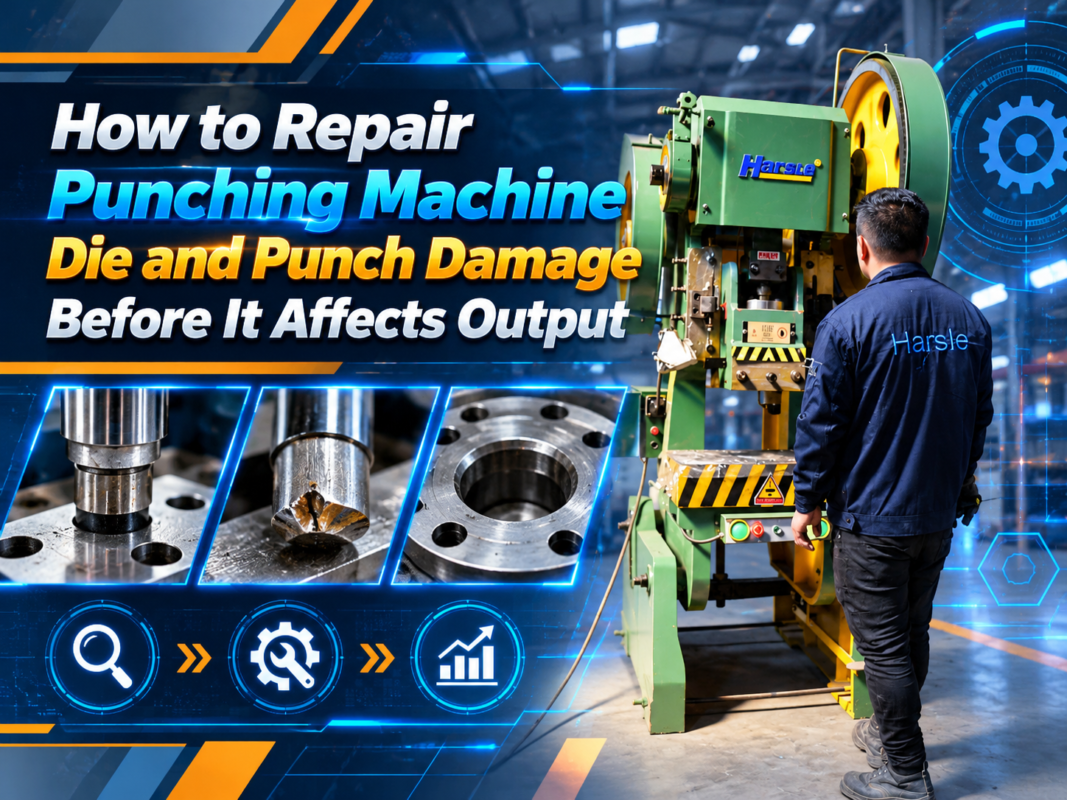
Finally, consider the mechanical load. Punching thicker materials or using dull tooling increases the force required for each stroke, which directly correlates to higher energy consumption and increased heat generation. Ensuring that your tooling is sharp and correctly aligned is not just about part quality; it is a fundamental strategy for reducing the thermal load on the entire system. A well-maintained machine is a cool-running machine.
Technical Details: Diagnosing and Fixing Overheating
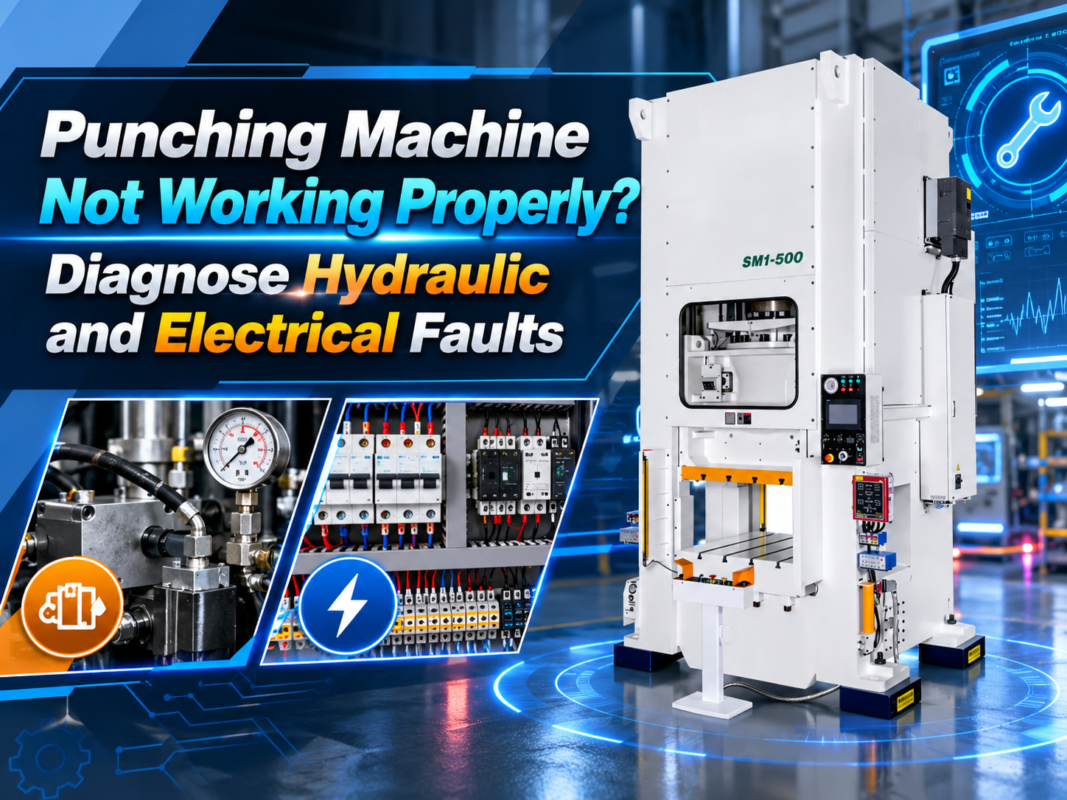
To effectively solve punching machine overheating problems and keep operations stable, one must look deep into the hydraulic and electrical architecture. The hydraulic system is usually the first point of failure. Check the hydraulic oil cooler—often a fan-cooled radiator—to ensure it is free of dust and debris. A clogged radiator is the most common cause of overheating in industrial environments. Use compressed air to clean the fins regularly, ensuring maximum airflow across the cooling surface.
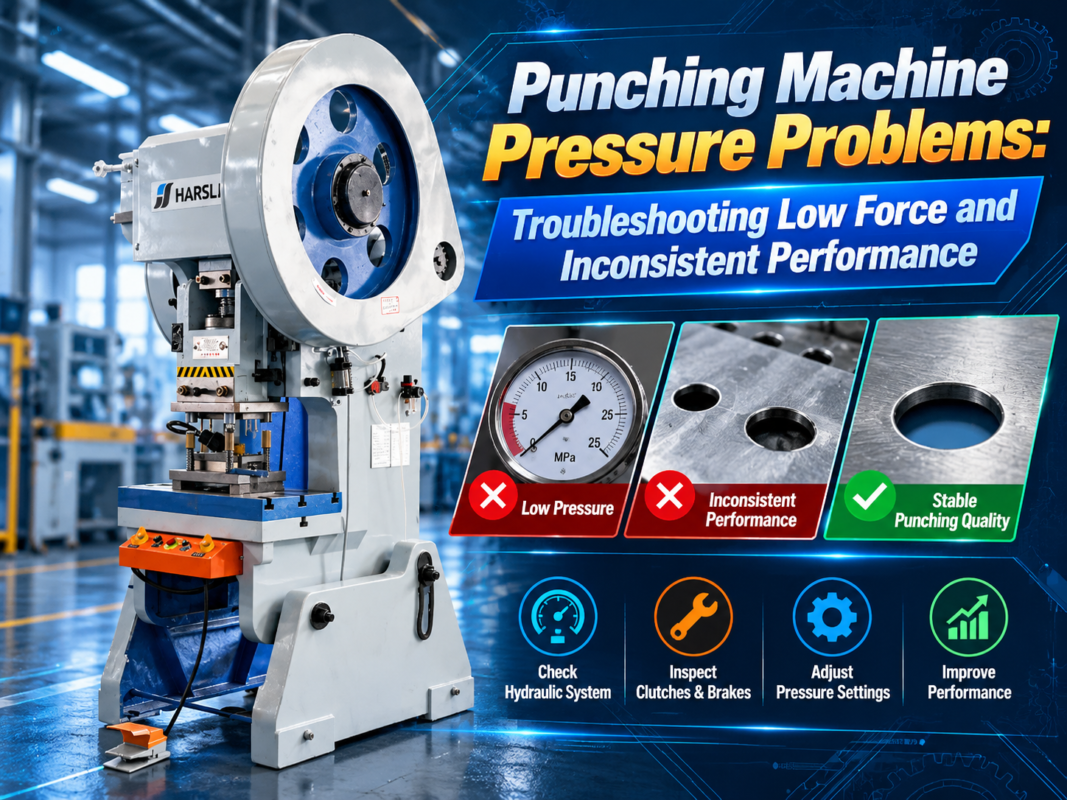
Another technical area to inspect is the hydraulic relief valve. If the relief valve is set incorrectly or is stuck in a partially open position, the pump will continuously circulate oil at high pressure, generating immense heat even when the machine is not actively punching. This is known as “bypassing,” and it is a silent killer of hydraulic systems. Verify the pressure settings against the manufacturer’s specifications to ensure the pump is not working against unnecessary resistance.
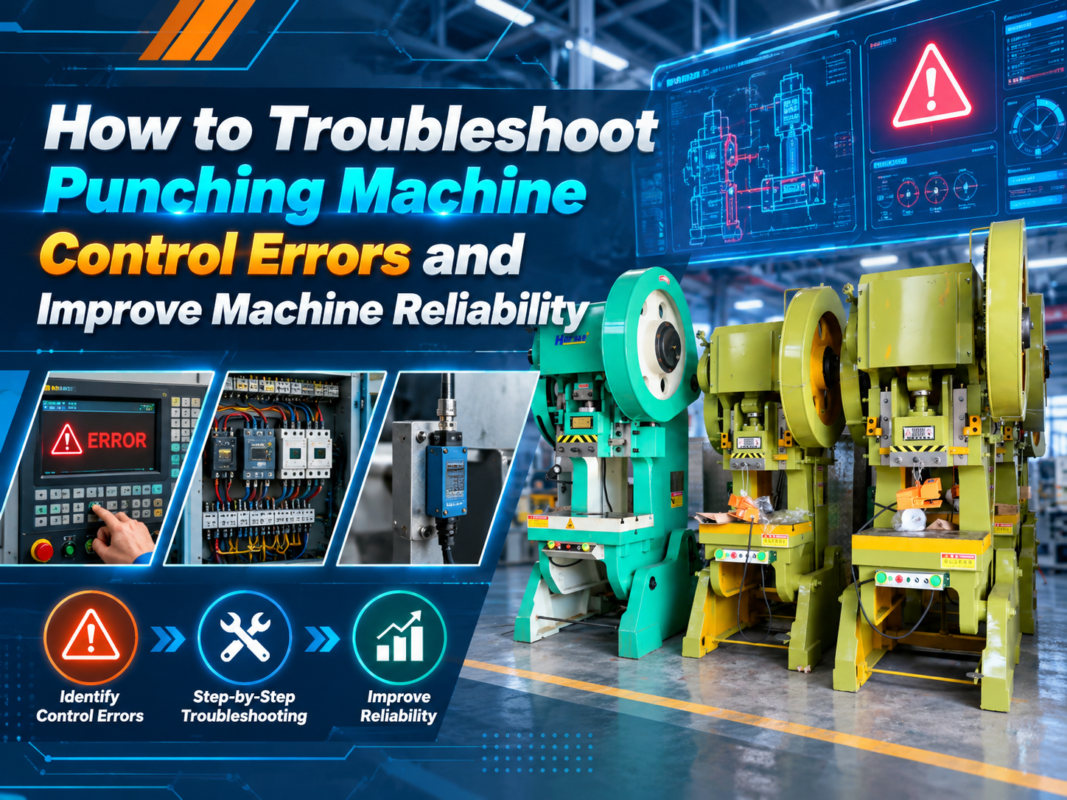
Electrical control cabinets also require attention. Modern punching machines rely on sophisticated PLCs and servo drives that generate heat. If the cabinet cooling fans are failing or the air filters are blocked, the internal temperature can spike, leading to erratic behavior or complete system shutdowns. Ensure that the cabinet is sealed properly to prevent metal dust from entering, while also ensuring that the internal ventilation system is functioning correctly.
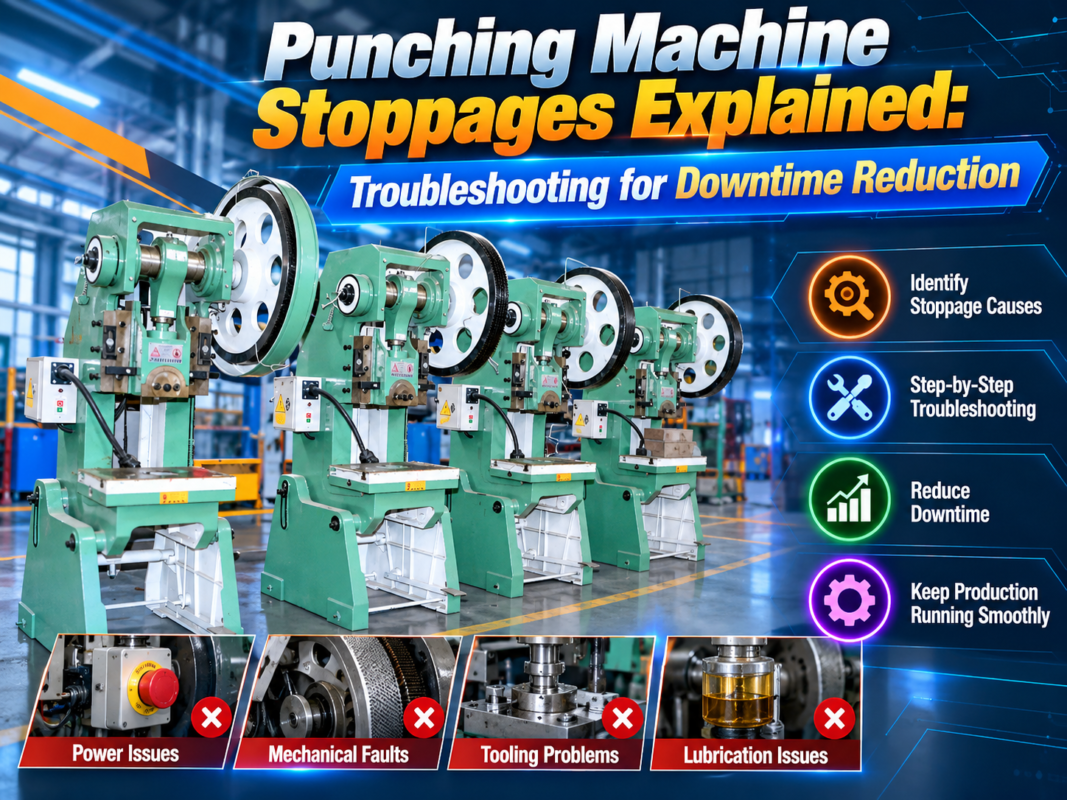
Furthermore, consider the lubrication system. Friction is a major source of heat in the ram and guide assemblies. If the automatic lubrication system is not delivering the correct amount of oil to the sliding surfaces, friction increases exponentially. Check the lubrication lines for blockages and ensure that the pump is cycling as programmed. A well-lubricated machine runs smoother, cooler, and with significantly less wear on critical components.
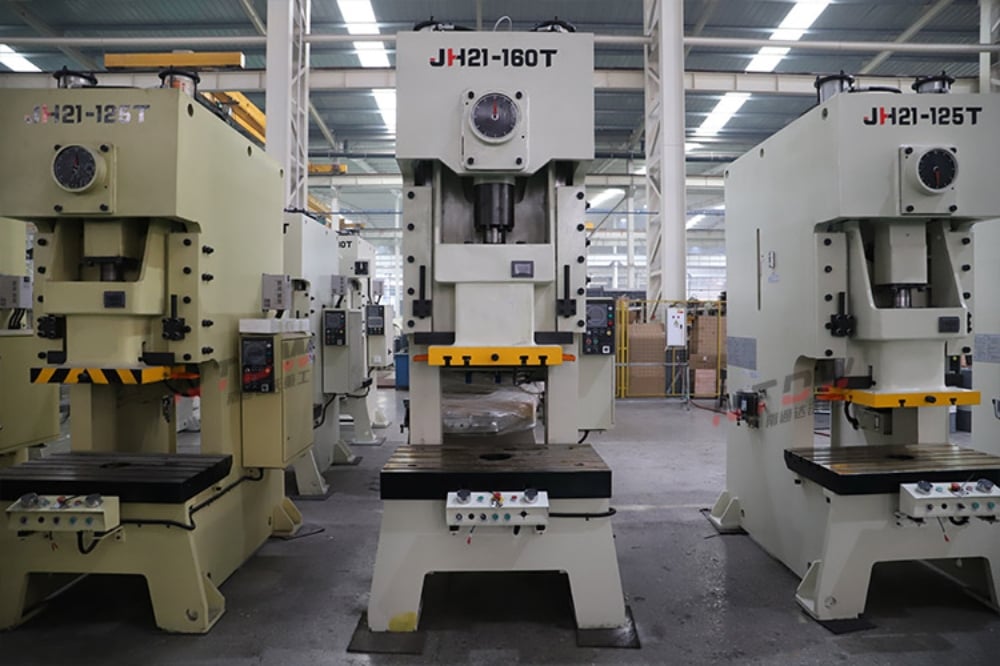
Selection Advice: Choosing the Right Equipment
When investing in new metal fabrication equipment, the ability to manage heat should be a top priority. Not all punching machines are built with the same thermal capacity. When selecting a machine, look for models that feature oversized heat exchangers or integrated oil chilling systems. These features are essential for high-production environments where the machine will be running for multiple shifts. HARSLE offers various configurations designed to handle heavy workloads while maintaining thermal stability.
Consider the type of drive system. Servo-electric punching machines generally generate less heat than traditional hydraulic machines because they do not require a constant-running hydraulic pump. If your production requirements allow, transitioning to servo-electric technology can be a highly effective way to solve punching machine overheating problems and keep operations stable. These machines only consume energy during the actual punching stroke, significantly reducing the idle heat generation.
Evaluate the machine’s duty cycle rating. A machine rated for continuous operation will have a more robust cooling system than one designed for intermittent use. Do not be tempted to purchase a machine that is “just enough” for your current needs; always factor in a 20-30% buffer for future growth and peak production demands. This buffer ensures that the machine is never pushed to its absolute thermal limit, which extends its service life significantly.
Finally, look for machines with advanced diagnostic capabilities. Modern HARSLE punching machines often come equipped with sensors that monitor oil temperature, motor load, and cabinet climate. These systems can provide real-time alerts to the operator before a critical overheating event occurs. Investing in technology that provides visibility into the machine’s health is one of the smartest decisions a fabrication shop can make to ensure long-term stability.
FAQ: Common Questions on Overheating
- Q: How often should I change the hydraulic oil to prevent overheating?
A: Generally, hydraulic oil should be changed every 2,000 to 4,000 operating hours, or sooner if analysis shows degradation. Regular oil changes prevent sludge buildup that hinders heat dissipation. - Q: Can ambient temperature affect my punching machine’s performance?
A: Yes. If your factory floor exceeds 35°C (95°F), the cooling system’s efficiency drops. Consider installing industrial air conditioning or improving ventilation around the machine. - Q: Why does my machine overheat only during long production runs?
A: This is likely due to the cooling system being unable to keep up with the heat accumulation rate. Check for blocked air filters, low oil levels, or a failing cooling fan. - Q: Is it safe to continue running a machine if the oil temperature light is on?
A: No. Continuing to operate while the machine is overheating will cause permanent damage to seals, pumps, and valves. Stop the machine immediately and investigate the cause. - Q: How does tooling condition relate to overheating?
A: Dull punches require more force to penetrate the material. This increased force puts more strain on the hydraulic system, leading to higher energy consumption and increased heat generation.
Conclusion
To solve punching machine overheating problems and keep operations stable, a holistic approach is required. It is not enough to simply fix a broken fan or change the oil; you must cultivate a culture of maintenance and awareness. By monitoring your machine’s thermal health, ensuring proper lubrication, and choosing equipment that is appropriately sized for your production needs, you can avoid the pitfalls of overheating and ensure that your HARSLE punching machine remains a reliable asset for years to come.
Remember that heat is the enemy of precision and longevity. Every degree of temperature reduction you achieve through better maintenance and smarter operation translates into higher part quality, lower energy costs, and fewer emergency repairs. Use the strategies outlined in this guide to audit your current processes and implement a more robust thermal management plan. Your commitment to these practices will directly reflect in the stability and profitability of your metal fabrication operations.
If you find that your machine continues to struggle with thermal issues despite your best efforts, do not hesitate to reach out to professional support. HARSLE’s technical team is always available to assist with advanced diagnostics and cooling system upgrades. Keeping your operations stable is our priority, and with the right knowledge and tools, you can master the thermal challenges of industrial punching.