
Press Brake Uses for Structural Components in Energy and Power Equipment: A Comprehensive Guide


Introduction to Press Brake Uses for Structural Components in Energy and Power Equipment
The energy and power sector serves as the backbone of modern infrastructure, requiring components that are not only robust but also manufactured to extreme precision. From wind turbine towers and solar panel mounting systems to massive electrical transformer housings and hydroelectric turbine components, the demand for high-strength, accurately formed metal parts is relentless. In this context, press brake uses for structural components in energy and power equipment have become a cornerstone of modern fabrication.
A press brake is a machine tool for bending sheet and plate material, most commonly sheet metal. By applying force to a workpiece via a punch and die set, manufacturers can achieve precise angles and complex geometries necessary for structural integrity. In the energy sector, where components are often subjected to extreme environmental conditions, thermal expansion, and heavy mechanical loads, the quality of the bend directly correlates to the safety and longevity of the power infrastructure.
HARSLE, as a leader in metal fabrication equipment, recognizes that the energy industry requires more than just standard bending capabilities. It demands high-tonnage machines, advanced CNC synchronization, and the ability to handle thick, high-tensile steel plates. This article explores how press brake technology is applied to create the structural backbone of our power grids, renewable energy installations, and traditional power plants.
As we delve into the technical requirements of these applications, it becomes clear that the synergy between operator skill and machine capability is vital. Whether it is a small bracket for a solar inverter or a massive structural beam for a wind turbine base, the press brake remains the most versatile tool in the fabricator’s arsenal. Understanding these applications allows energy equipment manufacturers to optimize production, reduce material waste, and ensure compliance with rigorous international safety standards.
Key Considerations for Energy Sector Fabrication
When discussing press brake uses for structural components in energy and power equipment, one must first consider the material properties. Energy equipment often utilizes high-strength low-alloy (HSLA) steels, stainless steel, and sometimes specialized aluminum alloys. These materials are chosen for their corrosion resistance and strength-to-weight ratios, but they present significant challenges during the bending process, such as high springback and the risk of cracking if the bend radius is too tight.
Another critical consideration is the scale of the components. Power equipment often involves large-format plates that require significant tonnage to form. A standard workshop press brake may not suffice for the heavy-duty structural members found in hydroelectric dams or nuclear power plant casings. Consequently, fabricators must look for machines that offer high-tonnage capacity combined with deep throat depths to accommodate large workpieces without interference.
Precision is non-negotiable. In power generation, structural components must fit together with near-zero tolerance to ensure that welds are sound and that the assembly can withstand vibration and thermal cycling. This requires advanced CNC control systems that can compensate for material thickness variations and springback in real-time. HARSLE’s synchronized hydraulic systems ensure that the ram remains parallel to the bed throughout the entire stroke, which is essential for uniform bending across long lengths.
Safety and regulatory compliance also play a major role. The energy industry is heavily regulated, and every structural component must be traceable and manufactured to specific codes (such as ASME or ISO standards). Modern press brakes equipped with laser safety systems and data logging capabilities allow manufacturers to document the bending process, ensuring that every part meets the required specifications for quality control and certification.
Technical Details of Modern Press Brake Applications
The technical evolution of press brakes has transformed how energy equipment is built. Modern machines utilize multi-axis backgauges, which allow for complex, multi-bend parts to be produced in a single setup. This is particularly useful for electrical enclosures and cable management systems, where multiple bends are required to create rigid, protective housings for sensitive power electronics.
One of the most significant technical advancements is the use of crowning systems. When bending long structural members, the press brake bed and ram can deflect under load, leading to an inconsistent bend angle across the length of the part. Hydraulic or mechanical crowning systems compensate for this deflection, ensuring that the bend angle remains constant from one end of the plate to the other. This is critical for the structural integrity of wind turbine tower segments and large-scale solar racking.
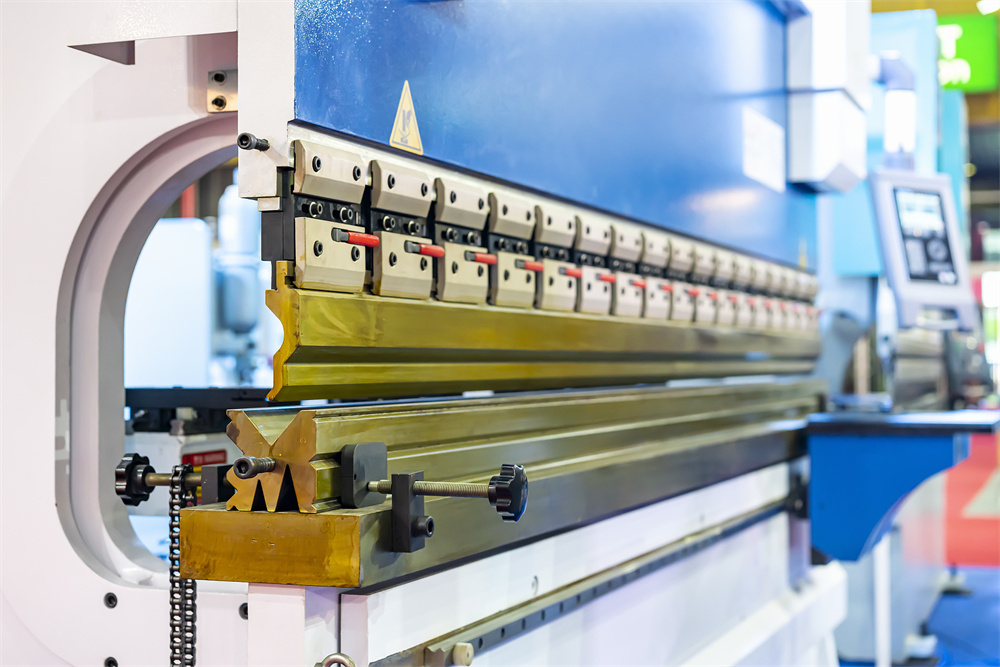
Tooling selection is another technical pillar. For energy applications, specialized tooling is often required. This includes hardened punches and dies designed to withstand the high pressures of bending thick plate, as well as segmented tooling that allows for the creation of box-shaped components. The geometry of the punch tip and the width of the die opening must be carefully calculated based on the material thickness and the desired bend radius to prevent structural weaknesses.
Furthermore, the integration of offline programming software has revolutionized the workflow. Engineers can now simulate the bending process in a 3D environment before a single piece of metal is cut. This allows for collision detection, bend sequence optimization, and material utilization analysis. By identifying potential issues in the virtual space, manufacturers can avoid costly mistakes and ensure that the structural components are produced efficiently and accurately on the shop floor.
Selection Advice: Choosing the Right Equipment
Selecting the right press brake for energy and power equipment manufacturing is a strategic investment. The first step is to define the maximum material thickness and length that your facility will handle. It is always advisable to choose a machine with a slightly higher tonnage capacity than your current requirements to allow for future growth and the ability to handle harder, high-tensile materials that may be introduced in future projects.
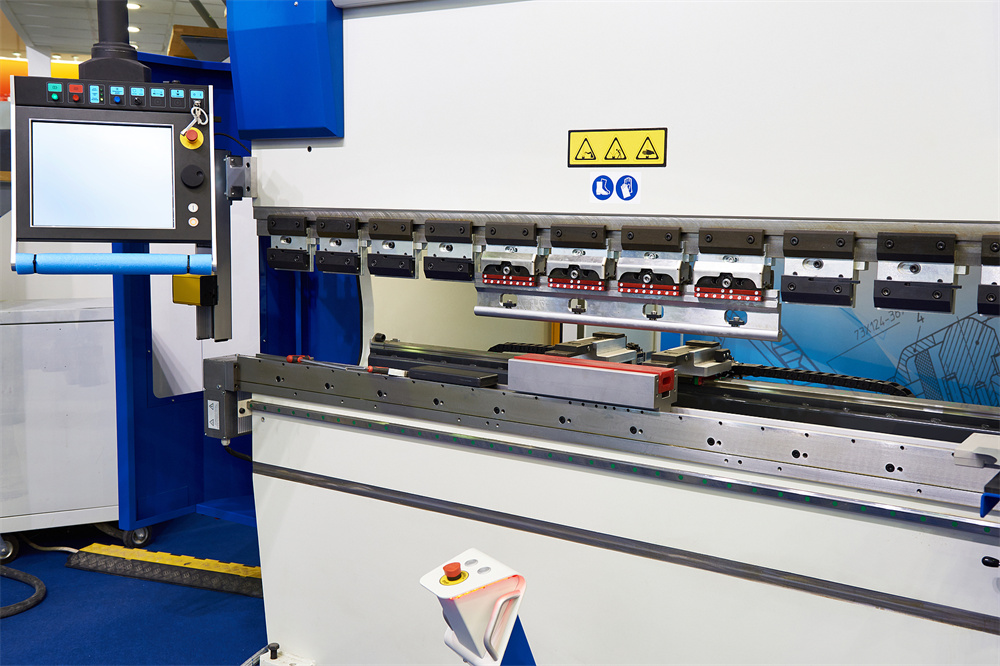
Consider the control system interface. For complex structural components, a user-friendly, intuitive CNC controller is essential. It should support 2D/3D graphics, automatic bend sequence calculation, and integration with CAD/CAM software. HARSLE’s range of controllers offers these features, enabling operators to transition between different jobs quickly, which is vital for high-mix, low-volume production environments often found in custom power equipment fabrication.
Energy efficiency is another factor that is becoming increasingly important. Modern servo-hydraulic press brakes offer significant energy savings compared to traditional hydraulic systems. They only consume power when the ram is in motion, reducing electricity costs and lowering the carbon footprint of the manufacturing facility. Given that the energy sector itself is focused on sustainability, choosing energy-efficient machinery aligns with the broader goals of the industry.
Finally, consider the support and service infrastructure. A press brake is a long-term asset. You need a partner who provides comprehensive training, readily available spare parts, and responsive technical support. HARSLE prides itself on providing end-to-end support, ensuring that your equipment remains operational and productive throughout its lifecycle. When evaluating suppliers, look for those who understand the specific demands of the energy sector and can provide customized solutions for your unique structural fabrication needs.
FAQ: Frequently Asked Questions
What is the most important factor when bending thick plates for power equipment?
The most important factor is managing the tonnage and the tooling geometry. Thick plates require high force, and the tooling must be designed to handle that stress without deforming. Additionally, using a machine with a robust crowning system is essential to ensure consistent bend angles across the entire length of the plate.
How does CNC technology improve the production of structural components?
CNC technology allows for precise control over the ram position, backgauge movement, and pressure. This ensures repeatability, which is critical for structural components that must fit together perfectly. It also allows for complex, multi-bend parts to be produced with minimal manual intervention, increasing productivity and reducing human error.
Why is springback a concern in the energy industry?
Springback occurs when the material tries to return to its original shape after the bending force is removed. In energy equipment, where structural precision is vital, uncontrolled springback can lead to misaligned components and structural failure. Modern CNC press brakes use advanced algorithms to calculate and compensate for springback, ensuring the final angle is accurate.
Can a standard press brake handle all energy equipment components?
While a standard press brake is versatile, energy equipment often requires specialized features such as increased daylight, longer stroke lengths, and heavy-duty backgauges. It is important to assess the specific requirements of your components—such as the need for deep box bending—before selecting a machine.
What maintenance is required for a press brake used in heavy-duty fabrication?
Regular maintenance includes checking hydraulic fluid levels, inspecting seals for leaks, lubricating moving parts, and ensuring the tooling is clean and free of debris. Additionally, periodic calibration of the CNC system and backgauge is necessary to maintain the high level of accuracy required for structural components.
Conclusion
The role of press brake uses for structural components in energy and power equipment cannot be overstated. As the world transitions toward more complex and sustainable energy solutions, the demand for high-quality, precision-engineered metal components will only increase. By leveraging advanced CNC press brake technology, manufacturers can meet these challenges head-on, producing components that are safe, durable, and efficient.
HARSLE remains committed to providing the metal fabrication industry with the tools necessary to build the future of energy. From high-tonnage hydraulic press brakes to intelligent software solutions, our equipment is designed to handle the toughest materials and the most demanding structural requirements. By focusing on precision, efficiency, and reliability, fabricators can ensure that their contribution to the energy sector is built on a foundation of excellence.
Investing in the right technology is the first step toward success. Whether you are manufacturing wind turbine components, solar racking, or electrical infrastructure, understanding the nuances of press brake operation and selection will give you a competitive edge. We invite you to explore the HARSLE range of metal fabrication equipment and discover how we can help you achieve your production goals in the ever-evolving energy and power industry.












