
Why Is My Punching Machine Making Unusual Noise? Troubleshooting Guide


Introduction: Understanding Punching Machine Acoustics
In the high-precision world of metal fabrication, the sound of a machine is often the first indicator of its operational health. For operators and maintenance managers, the question, “Is my punching machine making unusual noise? Troubleshooting guide needed,” is a common concern that requires immediate attention. A healthy punching machine should produce a consistent, rhythmic mechanical sound. When that rhythm is disrupted by grinding, squealing, banging, or irregular clanking, it is a clear signal that something within the mechanical or hydraulic system is under stress.
HARSLE understands that downtime is the enemy of productivity. When your equipment begins to deviate from its baseline acoustic profile, it is not just a nuisance; it is a warning of potential component failure. Ignoring these sounds can lead to catastrophic damage, expensive repairs, and significant safety risks for your workshop personnel. This guide is designed to help you navigate the complexities of machine diagnostics, ensuring your fabrication line remains efficient and safe.
The importance of proactive maintenance cannot be overstated. By learning to identify the specific nature of the noise—whether it is high-pitched, low-frequency, intermittent, or constant—you can narrow down the source of the problem before it escalates. This article will walk you through the systematic process of troubleshooting your punching machine, helping you distinguish between normal operational sounds and critical warning signs.
Whether you are operating a mechanical turret punch or a high-tonnage hydraulic punching press, the principles of noise diagnosis remain largely the same. We will explore the mechanical, hydraulic, and electrical components that typically contribute to noise issues. By the end of this guide, you will have a comprehensive understanding of how to maintain your equipment and when to call in professional technicians.
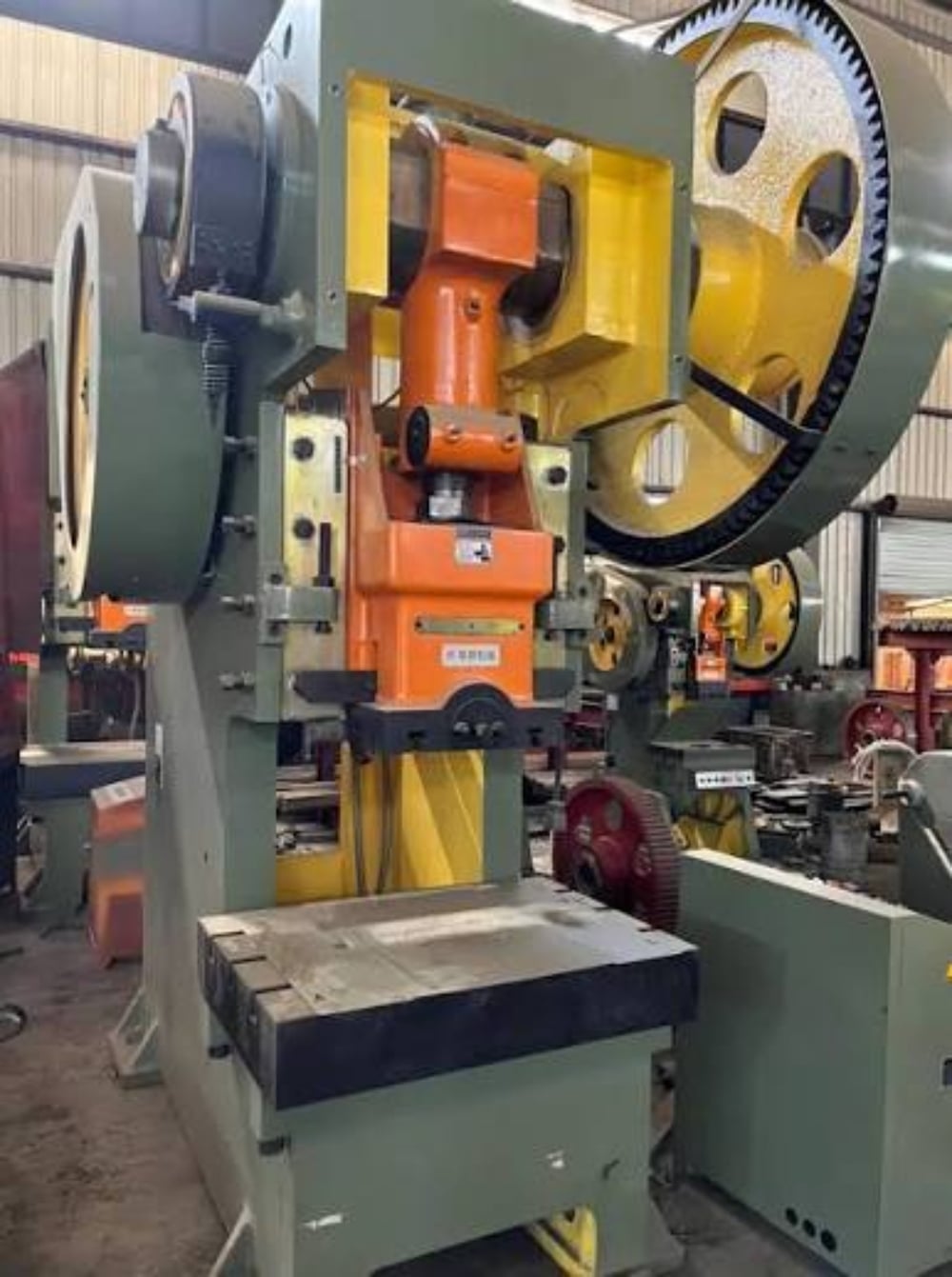
Key Considerations: Identifying the Source of the Noise
When you ask, “Is my punching machine making unusual noise? Troubleshooting guide,” the first step is to isolate the sound. Noise in a punching machine rarely comes from a single source. It is often a combination of vibration, friction, and fluid dynamics. To effectively troubleshoot, you must first determine if the noise occurs during the idle phase, the punching stroke, or the return stroke. Each phase involves different mechanical components.
Start by performing a visual and auditory inspection while the machine is running at a low speed, if possible. Listen for sounds coming from the drive motor, the flywheel, the clutch, or the ram assembly. If the noise is a sharp, metallic “clack,” it often points to loose tooling or excessive clearance in the ram guides. If the noise is a low-frequency hum or vibration, it may be related to the motor mounts or the hydraulic pump assembly.
Environmental factors also play a significant role. Is the machine level? Are the anchor bolts tight? A machine that is not properly secured to the floor will amplify even minor mechanical vibrations, turning a small internal issue into a loud, workshop-wide disturbance. Always check the foundation and leveling of your punching machine as part of your initial troubleshooting routine.
Furthermore, consider the material being processed. Are you punching thicker gauge material than the machine is rated for? Overloading the machine causes structural strain, which manifests as groaning or straining noises. Ensure that your material thickness and tensile strength are within the manufacturer’s specifications. If the noise only occurs during specific operations, the issue is likely related to the tooling or the load capacity rather than a mechanical failure.
Technical Details: Common Causes of Unusual Punching Machine Noise
To answer the question, “Is my punching machine making unusual noise? Troubleshooting guide,” we must look at the specific mechanical culprits. One of the most frequent causes of noise is improper lubrication. Metal-on-metal contact in the ram guides, gears, or bearings creates a high-pitched screeching or grinding sound. If the lubrication system is clogged or the oil level is low, the friction increases exponentially, leading to rapid wear and loud, alarming noises.
Another common issue is the condition of the punch and die set. If the clearance between the punch and the die is incorrect, or if the tooling is dull, the machine must exert significantly more force to penetrate the metal. This results in a loud “snap” or “bang” upon impact. Dull tooling also causes the machine to vibrate excessively, which can loosen other components over time, creating a cascading effect of noise and mechanical instability.
Hydraulic systems are another major source of noise. If your punching machine is hydraulic, air in the system can cause a phenomenon known as cavitation. This sounds like gravel rattling inside the pump. Cavitation is extremely damaging to hydraulic pumps and valves. Check your hydraulic fluid levels, inspect for leaks, and ensure that the suction filters are clean. A noisy pump is often a sign that it is struggling to maintain pressure due to fluid contamination or air ingress.
The drive train, including belts, chains, and gears, should also be inspected. Worn-out belts will often squeal, especially during the start-up or the peak of the punching stroke. Loose chains will slap against their guards, creating a rhythmic clattering. Gearboxes, if not properly lubricated or if the teeth are chipped, will produce a distinct grinding or growling noise that changes pitch with the speed of the motor. Regular inspection of these drive components is essential for long-term machine health.
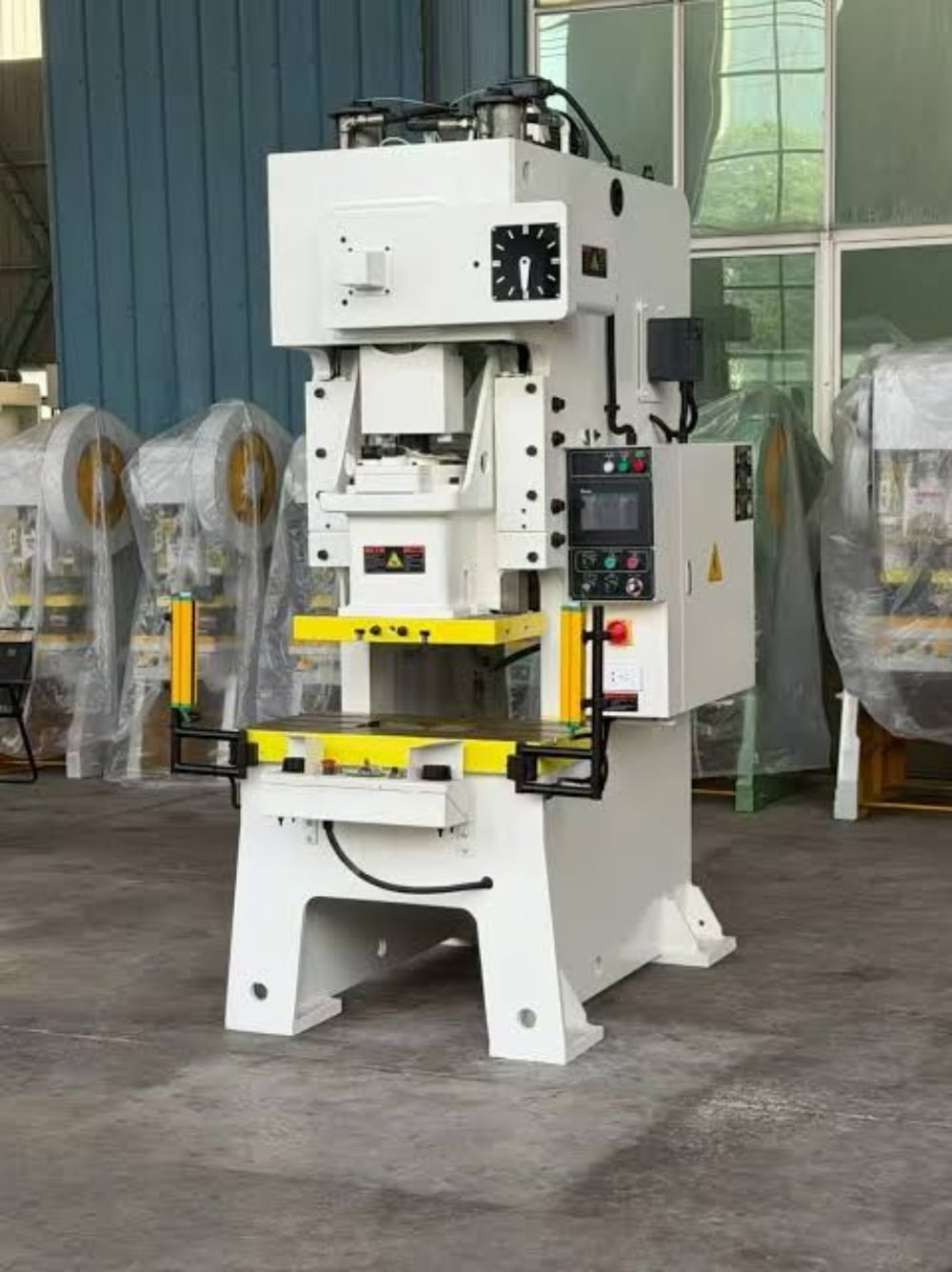
Selection Advice: Choosing Reliable Equipment to Minimize Noise
When investing in new metal fabrication equipment, noise levels should be a factor in your decision-making process. High-quality punching machines from reputable manufacturers like HARSLE are engineered with noise reduction in mind. They feature precision-ground gears, vibration-dampening frames, and high-efficiency hydraulic systems that operate within optimal acoustic ranges. When selecting a machine, look for features that indicate superior build quality.
Consider the rigidity of the frame. A heavy-duty, stress-relieved steel frame is less prone to vibration than a lighter, thinner construction. The more rigid the frame, the more effectively it absorbs the energy of the punching stroke, resulting in a quieter operation. Additionally, look for machines with integrated lubrication systems that provide automated, consistent oiling to all critical friction points, reducing the likelihood of noise caused by dry components.
The type of drive system also impacts noise. Servo-driven punching machines are generally quieter than traditional mechanical or hydraulic presses. They offer better control over the ram speed and force, which minimizes the impact shock that typically generates noise. If your workshop environment requires low noise levels, a servo-electric punching machine might be the ideal investment for your facility.
Finally, consider the manufacturer’s support and maintenance documentation. A machine that comes with a detailed maintenance schedule and easy access to spare parts will be easier to keep in top condition. HARSLE provides comprehensive manuals and technical support to ensure that your machine remains quiet and efficient throughout its service life. Choosing a machine with a reputation for reliability is the best way to avoid the need for constant troubleshooting.
FAQ: Frequently Asked Questions
1. Why does my punching machine make a loud bang when it hits the metal?
A loud bang is often caused by dull tooling or incorrect clearance between the punch and die. When the tooling is dull, it requires more force to penetrate the material, causing a sudden release of energy upon breakthrough. Ensure your tooling is sharp and the clearance is set according to the material thickness.
2. Can low hydraulic fluid cause noise?
Yes, low hydraulic fluid can lead to air entering the pump, causing cavitation. This sounds like gravel or rattling inside the pump and can cause severe damage if not addressed immediately. Check your fluid levels and inspect for leaks regularly.
3. How often should I lubricate my punching machine?
Lubrication frequency depends on the machine’s usage and the manufacturer’s recommendations. Generally, critical points should be checked daily, and a full lubrication cycle should be performed according to the maintenance schedule provided in your machine’s manual.
4. Is a slight hum normal for a punching machine?
A low-frequency hum from the motor or electrical cabinet is usually normal. However, if the hum becomes a loud vibration or changes pitch, it may indicate an issue with the motor mounts, electrical components, or the drive system.
5. What should I do if the noise is coming from the gearbox?
If you suspect the noise is coming from the gearbox, stop the machine immediately. Check the oil level and quality. If the oil is contaminated with metal shavings, you likely have internal gear damage and should contact a professional technician for repair.
Conclusion: Maintaining a Quiet and Efficient Workshop
Addressing the question, “Is my punching machine making unusual noise? Troubleshooting guide,” is a vital part of industrial maintenance. By staying vigilant and listening to your equipment, you can catch minor issues before they turn into expensive failures. Remember that a well-maintained machine is not only quieter but also more accurate, safer, and more productive. Regular lubrication, tooling inspections, and monitoring of hydraulic systems are the cornerstones of a successful maintenance program.
At HARSLE, we are committed to providing the highest quality metal fabrication equipment and the support you need to keep your operations running smoothly. If you encounter a noise that you cannot diagnose, do not hesitate to consult your machine’s manual or reach out to our technical support team. Proactive care is the best investment you can make in your machinery, ensuring that your workshop remains a place of precision and efficiency for years to come.
By following the steps outlined in this guide, you can systematically troubleshoot your punching machine and maintain the high standards of your fabrication business. Keep your equipment clean, keep it lubricated, and always listen to what your machine is telling you. Your attention to detail today will prevent the costly downtime of tomorrow.












