
Punching Machine Overheating Issues: Troubleshooting Motors, Hydraulics, and Lubrication


Introduction to Punching Machine Overheating
In the high-precision world of metal fabrication, the punching machine serves as the backbone of production efficiency. However, even the most robust HARSLE equipment can encounter operational hurdles, with thermal management being one of the most critical. Punching machine overheating issues: troubleshooting motors, hydraulics, and lubrication is a vital skill set for any maintenance engineer or shop floor manager. When a machine operates beyond its thermal threshold, it risks catastrophic failure, decreased component lifespan, and significant downtime that impacts your bottom line.
Overheating is rarely the result of a single factor; it is often a cascading effect where one minor inefficiency leads to increased friction, higher power draw, and eventually, thermal runaway. Whether you are operating a mechanical turret punch or a high-tonnage hydraulic press, understanding the relationship between mechanical stress and heat generation is essential. This guide provides a comprehensive deep dive into identifying, diagnosing, and resolving thermal issues before they escalate into expensive repairs.
By maintaining optimal operating temperatures, you ensure that your HARSLE machinery maintains the tight tolerances required for modern metal fabrication. From the viscosity of your hydraulic fluid to the cooling efficiency of your drive motors, every element plays a role in the machine’s thermal equilibrium. Let us explore the technical nuances of keeping your equipment running cool, efficient, and productive.
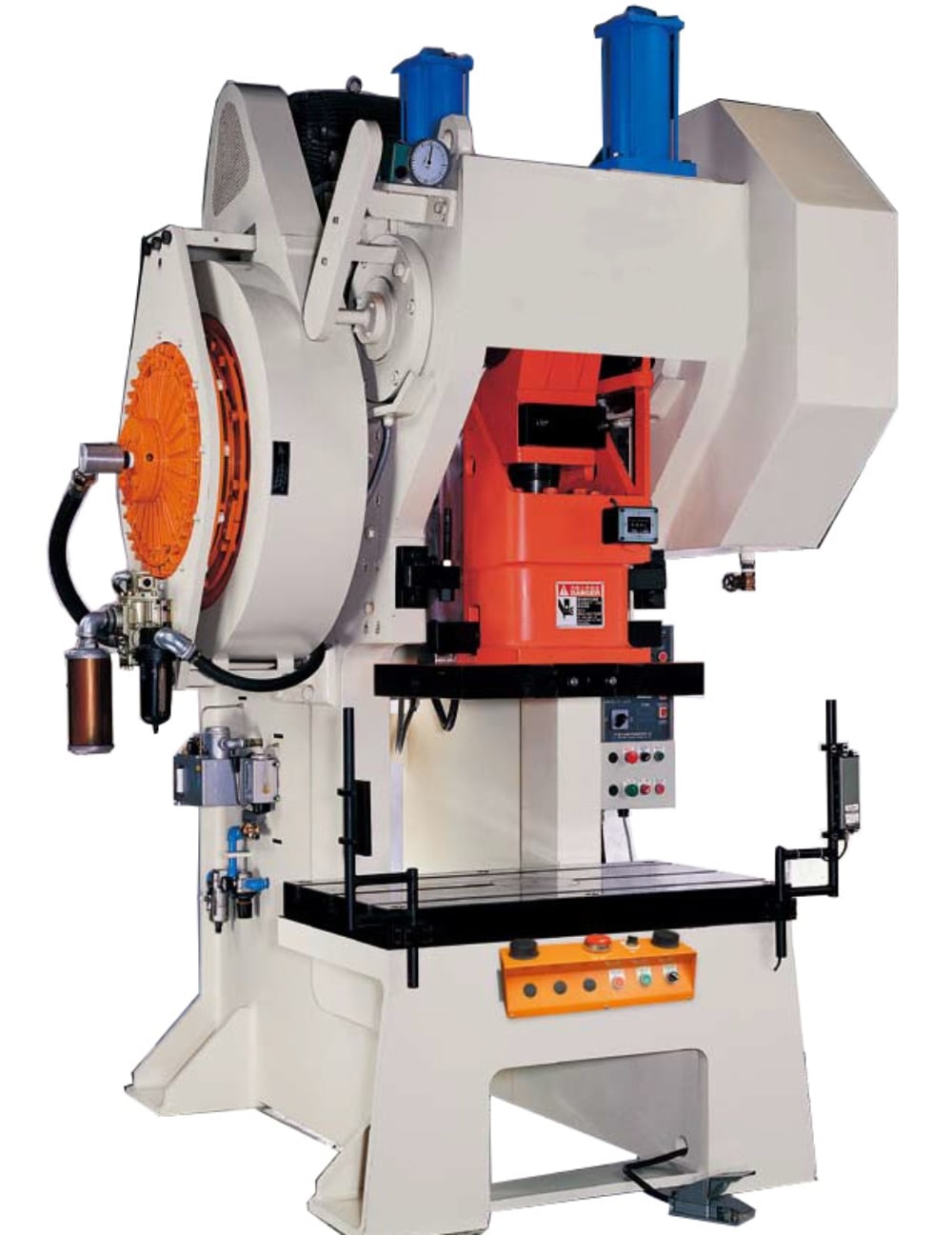
Key Considerations for Thermal Management
The first step in addressing punching machine overheating issues is recognizing the early warning signs. Operators should be trained to listen for unusual motor hums, observe changes in cycle times, and monitor temperature gauges on the hydraulic reservoir. Heat is energy, and in a machine, wasted heat is almost always a sign of wasted energy and mechanical resistance. If the machine feels hot to the touch or if the ambient temperature in the electrical cabinet is rising, immediate investigation is required.
Environmental factors play a significant role in thermal stability. A punching machine located in a poorly ventilated facility or one exposed to direct sunlight will naturally struggle to dissipate heat. Ensure that your HARSLE machine is positioned with adequate clearance for airflow around the electrical cabinets and the hydraulic power unit. Dust accumulation on cooling fins and heat exchangers acts as an insulator, trapping heat inside the machine and accelerating the degradation of sensitive electronic components.
Duty cycles are another critical consideration. Every punching machine has a rated capacity and duty cycle. Pushing the machine to its absolute limit for extended periods without adequate rest cycles will inevitably lead to heat buildup. When planning production schedules, consider the thermal recovery time required for the hydraulic fluid and the motor windings. Balancing throughput with machine longevity is the hallmark of a well-managed fabrication shop.
Finally, consider the quality of the power supply. Voltage fluctuations can cause motors to draw excessive current, leading to internal heating that is not immediately visible. Installing voltage stabilizers or monitoring power quality can prevent these hidden thermal stressors. By addressing these environmental and operational factors, you create a stable foundation for the more technical troubleshooting steps that follow.
Troubleshooting Hydraulic Systems
The hydraulic system is often the primary culprit in punching machine overheating issues. Hydraulic fluid serves two purposes: it transmits power and acts as a coolant. When the fluid degrades or the system faces internal resistance, the temperature spikes rapidly. The most common cause of hydraulic overheating is a clogged or failing oil cooler. Over time, debris and sludge can block the cooling fins, preventing the heat exchanger from effectively transferring heat to the ambient air.
Internal leakage is another major factor. If a hydraulic valve or cylinder seal is worn, high-pressure fluid may leak internally, bypassing the actuator and returning to the tank. This process converts high-pressure energy directly into heat. To troubleshoot this, use an infrared thermometer to check for localized hot spots along the hydraulic lines and valves. A significant temperature differential across a valve usually indicates an internal leak that requires immediate attention.
Fluid viscosity is equally important. Using the wrong grade of hydraulic oil can lead to excessive friction or cavitation. If the oil is too thick, the pump works harder to move it, generating heat. If it is too thin, it fails to provide a proper lubricating film, leading to metal-on-metal contact and friction-induced heat. Always adhere to HARSLE’s recommended specifications for hydraulic fluid and ensure that the oil is changed at the intervals specified in your maintenance manual.
Finally, check the hydraulic pump itself. A pump that is nearing the end of its service life will often exhibit increased noise levels and higher operating temperatures. As the internal tolerances of the pump wear down, its volumetric efficiency drops, forcing the motor to work harder to maintain the required pressure. If you suspect pump failure, perform a flow test to compare the actual output against the manufacturer’s specifications. If the output is significantly lower, it is time for a rebuild or replacement.
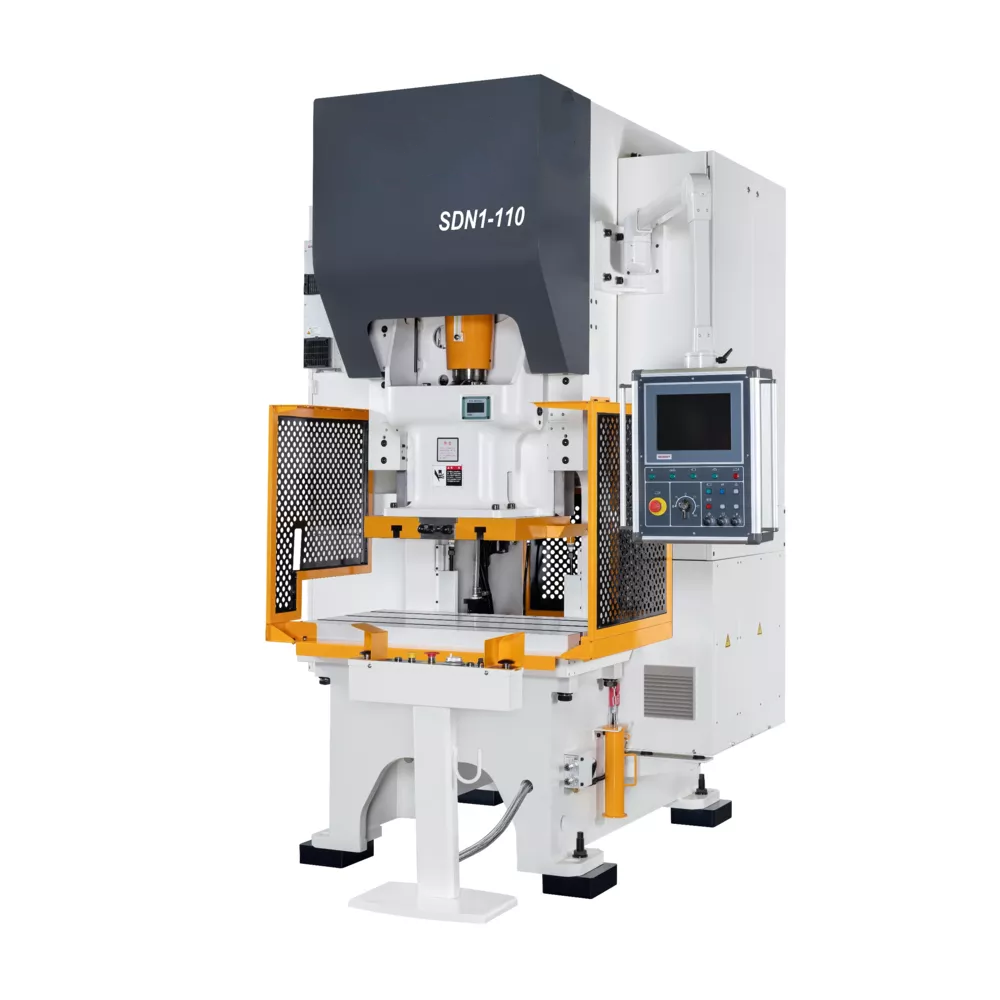
Motor and Electrical Troubleshooting
Electric motors are the heart of the punching machine, and they are highly susceptible to thermal stress. Overheating in motors is frequently caused by electrical overload, poor ventilation, or bearing failure. If the motor is drawing more current than its rated full-load amperage (FLA), it will generate excessive heat. This can be caused by mechanical binding in the drive train, a dull punch tool requiring more force, or an electrical fault within the motor windings.
Check the motor cooling fan. In many industrial environments, these fans become clogged with metal dust and debris. A fan that cannot move air across the motor housing will cause the motor to overheat within minutes of operation. Clean the cooling vents regularly using compressed air, and ensure that the fan blades are intact and spinning at the correct speed. If the fan is damaged, replace it immediately; the cost of a fan is negligible compared to the cost of a motor rewind.
Bearing health is another critical factor. As bearings wear, they create friction, which manifests as heat at the motor shaft. Use a vibration analyzer or a simple stethoscope to listen for grinding or clicking sounds. If the motor runs hot even when disconnected from the load, the issue is almost certainly internal to the motor, such as a failing bearing or a shorted winding. In such cases, professional repair or replacement is the only viable path forward.
Electrical connections should also be inspected. Loose or corroded terminals create resistance, which leads to voltage drops and localized heating. Use a thermal imaging camera to inspect the electrical cabinet and motor junction boxes while the machine is under load. Any connection that appears significantly hotter than the surrounding wires should be tightened or cleaned. This simple preventive measure can save you from catastrophic electrical fires and motor burnout.
Lubrication and Friction Management
Friction is the enemy of efficiency. In a punching machine, the ram, guide rails, and turret indexing mechanisms rely on precise lubrication to operate smoothly. If the lubrication system fails, friction increases exponentially, generating heat that can warp precision components and cause the machine to seize. Troubleshooting lubrication issues begins with verifying that the automatic lubrication system is actually delivering oil to all designated points.
Check the oil reservoir levels and the condition of the lubricant. If the oil appears milky or contains metallic particles, it indicates contamination or internal wear. Contaminated oil loses its lubricating properties and can actually accelerate wear by acting as an abrasive paste. Always use the high-quality lubricants recommended by HARSLE, and ensure that the delivery lines are not kinked, blocked, or leaking.
The guide rails and ram assembly are particularly sensitive to lubrication issues. If these components run dry, the heat generated can cause the metal to expand, leading to binding and further heat generation. Regularly inspect the wipers and seals on the ram. If these are worn, they allow metal dust and debris to enter the sliding surfaces, which destroys the lubrication film and causes rapid overheating. Replace these seals as part of your routine preventive maintenance schedule.
Finally, consider the application of grease in the turret indexing system. Over-greasing can be just as detrimental as under-greasing. Excessive grease creates drag, which forces the motor to work harder and increases operating temperatures. Follow the manufacturer’s guidelines regarding the quantity and frequency of lubrication. A well-lubricated machine runs cooler, quieter, and lasts significantly longer, providing a better return on your investment.
Selection Advice for Long-Term Reliability
When selecting a new HARSLE punching machine, consider the thermal management features built into the design. Modern machines often include advanced cooling systems, such as oil chillers and high-efficiency motors, which are designed to handle the rigors of continuous production. Don’t just look at the tonnage and speed; look at the cooling capacity and the accessibility of maintenance points. A machine that is easy to maintain is a machine that will be maintained.
Evaluate the machine’s duty cycle ratings against your production requirements. If you are running high-volume, 24/7 operations, invest in a machine with an oversized hydraulic system and heavy-duty cooling components. While the initial capital expenditure might be higher, the reduction in downtime and maintenance costs will pay for the difference in a very short time. Always consult with HARSLE technical representatives to ensure the machine configuration matches your specific application.
Consider the integration of IoT and predictive maintenance sensors. Many modern HARSLE machines come equipped with sensors that monitor motor temperature, hydraulic pressure, and vibration levels in real-time. These systems can alert you to potential overheating issues long before they cause a failure, allowing you to schedule maintenance during planned downtime rather than reacting to an emergency breakdown.
Finally, prioritize training for your maintenance staff. A machine is only as reliable as the people who look after it. Invest in training programs that cover the specific thermal management needs of your equipment. When your team understands the relationship between lubrication, electrical load, and hydraulic pressure, they become your best defense against overheating and premature machine failure.
Frequently Asked Questions (FAQ)
- Why does my hydraulic oil get hot so quickly? Usually, this is due to a failing oil cooler, internal leakage in the valves, or the use of incorrect hydraulic fluid viscosity. Check the cooler for debris first.
- How often should I check the motor cooling fans? In a standard metal fabrication environment, you should inspect and clean the motor cooling fans at least once a month. In high-dust environments, this should be done weekly.
- Can a dull punch tool cause the machine to overheat? Yes. A dull tool requires significantly more force to penetrate the material, which increases the load on the hydraulic system and the drive motor, leading to higher heat generation.
- What is the ideal operating temperature for hydraulic fluid? Most hydraulic systems operate best between 40°C and 60°C (104°F – 140°F). Temperatures consistently above 70°C (158°F) will cause rapid fluid degradation and seal failure.
- How do I know if my motor bearings are failing? Listen for abnormal noise, such as grinding or clicking. You can also use a vibration analyzer or check for excessive heat at the motor shaft housing.
Conclusion
Punching machine overheating issues: troubleshooting motors, hydraulics, and lubrication is a multifaceted challenge that requires a proactive approach. By understanding the thermal dynamics of your HARSLE equipment, you can prevent the majority of overheating problems before they impact your production schedule. Remember that heat is a symptom of inefficiency; by maintaining your cooling systems, ensuring proper lubrication, and monitoring electrical loads, you are not just fixing a problem—you are optimizing your entire fabrication process.
Regular maintenance is the key to longevity. Do not wait for a thermal alarm to sound before inspecting your hydraulic filters, cleaning your motor fans, or checking your lubrication lines. By integrating these troubleshooting steps into your daily and weekly routines, you ensure that your punching machine remains a reliable, high-performance asset for years to come. If you encounter persistent issues, always reach out to HARSLE support for expert guidance tailored to your specific machine model.












