
Troubleshooting Common Punching Machine Problems Through Routine Maintenance


The Critical Importance of Maintenance in Metal Fabrication
In the high-stakes environment of modern metal fabrication, the punching machine serves as the backbone of production efficiency. Whether you are operating a high-speed CNC turret punch or a robust hydraulic ironworker, the reliability of your equipment directly dictates your bottom line. Troubleshooting Common Punching Machine Problems Through Routine Maintenance is not merely a reactive task; it is a proactive strategy designed to maximize uptime, ensure operator safety, and extend the operational lifespan of your investment.
Neglecting routine maintenance often leads to catastrophic failures that could have been avoided with simple, scheduled inspections. When a machine experiences unexpected downtime, the costs extend far beyond repair bills. You face missed production deadlines, wasted raw materials, and potential safety hazards for your workforce. By integrating a structured maintenance program, HARSLE users can identify wear patterns before they escalate into critical malfunctions.
A well-maintained punching machine operates with higher precision, ensuring that every hole, notch, and form meets exact specifications. This consistency is vital for maintaining quality control standards in industries ranging from automotive manufacturing to architectural metalwork. Furthermore, regular maintenance preserves the resale value of your equipment, making it a sound financial decision for any growing fabrication shop.
Ultimately, the goal of maintenance is to create a predictable manufacturing environment. When you understand the health of your machine, you can plan repairs around production cycles rather than reacting to emergency breakdowns. This article serves as your comprehensive guide to mastering the nuances of machine care, ensuring your HARSLE equipment remains a powerhouse of productivity for years to come.
Daily Inspection Protocols for Punching Machines
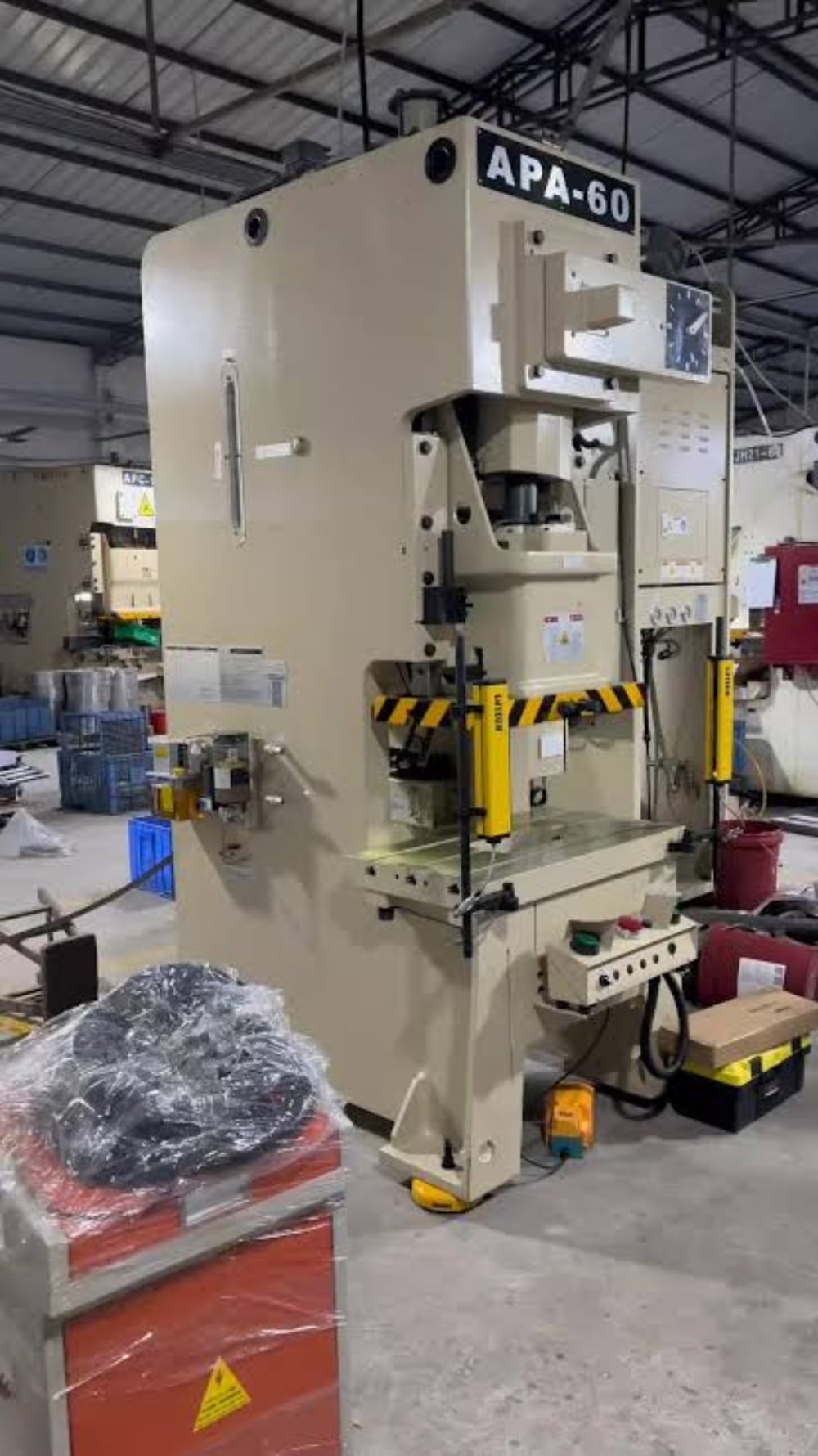
The first line of defense in Troubleshooting Common Punching Machine Problems Through Routine Maintenance is the daily inspection. Before the machine is powered up for a shift, operators should perform a visual and functional walkthrough. This routine helps in identifying loose components, fluid leaks, or unusual noises that might indicate an underlying issue before the machine begins its heavy-duty cycle.
Start by checking the tool stations. Ensure that the punches and dies are properly aligned and free from debris or metal chips. A buildup of scrap metal in the die cavity is a common cause of tool breakage and poor edge quality. Use compressed air or a soft brush to clear the area, ensuring that the seating surfaces are clean and free of burrs that could compromise the precision of the punch.
Next, examine the hydraulic hoses and electrical cables. Look for signs of fraying, cracking, or leakage. Even a minor hydraulic weep can lead to a significant loss of pressure over time, affecting the force applied during the punching process. Ensure that all emergency stop buttons are functional and that the safety guards are securely in place, as these are non-negotiable components of a safe working environment.
Finally, monitor the machine’s control panel for any warning lights or error codes. Modern HARSLE punching machines are equipped with sophisticated diagnostic systems that provide early warnings for potential issues. Ignoring these alerts is a common mistake that leads to more severe damage. By documenting these daily checks in a logbook, you create a historical record that can be invaluable for long-term troubleshooting and maintenance planning.
Hydraulic, Electrical, and Mechanical System Checks
Deep-dive maintenance requires a systematic approach to the three core systems of your punching machine: hydraulic, electrical, and mechanical. The hydraulic system is the heart of the machine, providing the force necessary to penetrate thick metal sheets. Regularly check the oil level and quality; if the oil appears cloudy or smells burnt, it is time for a change. Contaminated oil can damage seals and valves, leading to erratic machine behavior.
The electrical system demands equal attention. Over time, vibrations can cause terminal connections to loosen, leading to intermittent power issues or sensor failures. Periodically inspect the control cabinet to ensure that all connections are tight and that the cooling fans are operational. Dust buildup in the cabinet can cause overheating, which is a leading cause of premature electronic component failure in industrial environments.
Mechanically, the focus should be on the drive systems, guides, and bearings. Punching machines generate significant vibration, which naturally works to loosen bolts and fasteners. Conduct a monthly check of all critical mounting bolts, ensuring they are torqued to the manufacturer’s specifications. Check the linear guides and ball screws for signs of wear or lack of lubrication, as these components are essential for the accuracy of the punch positioning.
When troubleshooting, always look for the “path of least resistance.” If the machine is struggling to punch through material, it is rarely the machine itself that is at fault; it is often a dull punch, a misaligned die, or a hydraulic pressure setting that has drifted. By systematically checking these three areas, you can isolate the problem and apply the correct fix without unnecessary downtime.
Developing a Comprehensive Lubrication Plan
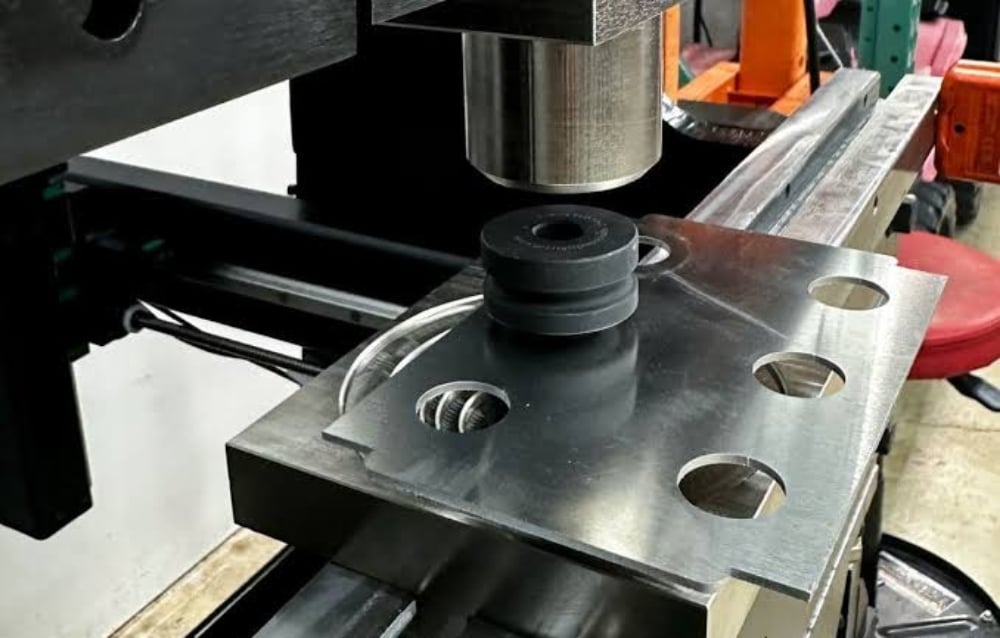
Lubrication is the lifeblood of any metal fabrication machine. Without proper lubrication, friction will rapidly degrade the precision components of your punching machine, leading to increased heat and eventual seizure. A comprehensive lubrication plan should be tailored to your specific machine model and the intensity of your production schedule.
Identify all lubrication points on the machine, including guide rails, ball screws, and pivot points. Use only the high-quality lubricants recommended by HARSLE. Using the wrong type of grease or oil can be just as damaging as using none at all, as it may not provide the necessary viscosity or heat resistance required for high-pressure punching operations.
Establish a strict schedule for lubrication. Some points may require daily attention, while others might only need weekly or monthly service. Use a color-coded tagging system on the machine to indicate which points need attention and when. This visual aid helps operators stay on track and ensures that no critical point is overlooked during busy production shifts.
Keep a detailed log of all lubrication activities. This log should include the date, the specific point lubricated, the type of lubricant used, and the name of the technician who performed the task. This data is essential for Troubleshooting Common Punching Machine Problems Through Routine Maintenance, as it allows you to correlate machine performance issues with the timing of your last lubrication cycle.
Troubleshooting Signals: Interpreting Machine Behavior
Your punching machine is constantly communicating its health through various signals. Learning to interpret these signals is a key skill for any maintenance professional. For example, a change in the sound of the machine during a punch cycle often indicates a dull tool or a lack of lubrication in the guide system. A sharp, metallic “clack” is a warning sign that should never be ignored.
Vibration is another critical indicator. While all punching machines produce some level of vibration, an increase in intensity or a change in frequency can signal loose mechanical components or an unbalanced tool set. Use your senses—sight, sound, and touch—to monitor the machine’s performance. If the machine feels “rough” or if you notice chatter marks on the edges of the punched holes, it is time to stop and investigate.
Temperature is also a vital diagnostic tool. If the hydraulic reservoir or the motor housing feels excessively hot to the touch, it could indicate an overworked system, a cooling fan failure, or a hydraulic fluid issue. Always compare current operating temperatures to the baseline established when the machine was new or recently serviced.
Finally, pay attention to the quality of the finished product. Burrs, uneven hole shapes, or inconsistent punch depths are all symptoms of underlying problems. By addressing these symptoms early, you can prevent the machine from causing damage to the workpiece and, more importantly, prevent the machine from causing damage to itself.
Maintenance Schedule Table
| Component | Frequency | Action Required |
|---|---|---|
| Tooling (Punch/Die) | Daily | Clean, inspect for wear, sharpen if necessary |
| Hydraulic Oil | Monthly | Check level, inspect for contamination |
| Linear Guides | Weekly | Clean and apply fresh lubricant |
| Electrical Cabinet | Quarterly | Vacuum dust, check terminal tightness |
| Safety Guards | Daily | Test emergency stop and interlocks |
| Fasteners/Bolts | Monthly | Check for tightness and vibration wear |
| Cooling System | Monthly | Clean filters and check fan operation |
Frequently Asked Questions (FAQ)
How often should I sharpen my punching tools?
Tool sharpening frequency depends on the material thickness, the type of metal being punched, and the number of hits. As a rule of thumb, sharpen tools when you notice a burr height exceeding 0.1mm or when the punch force increases significantly.
What is the most common cause of hydraulic pressure loss?
The most common cause is a leak in the hose connections or a failing seal in the hydraulic cylinder. Regularly inspect all fittings for signs of oil seepage and ensure that your hydraulic fluid is free of debris.
Why is my machine making a loud noise during the punch cycle?
Loud, unusual noises are often caused by dull tooling, improper die clearance, or a lack of lubrication on the guide rails. Check these three areas first before investigating internal mechanical issues.
Can I use generic lubricants for my HARSLE machine?
We strongly recommend using only the lubricants specified in your HARSLE operation manual. Generic lubricants may not meet the viscosity or additive requirements, which can lead to premature wear and void your warranty.
What should I do if the machine shows an error code?
Consult the error code section in your HARSLE user manual immediately. If the code indicates a sensor or electrical fault, turn off the machine and contact a certified technician to avoid further damage to the control system.
How does ambient temperature affect my punching machine?
Extreme temperatures can affect the viscosity of hydraulic oil and the performance of electronic components. Ensure your facility maintains a stable operating temperature to keep your machine running at peak efficiency.












