How to Improve Cutting Accuracy on a Metal Shearing Machine: A Comprehensive Technical Guide


Technical Overview
Achieving high-level precision in metal fabrication is the hallmark of a professional workshop. When discussing how to improve cutting accuracy on a metal shearing machine, operators must first understand the mechanical interplay between the blade clearance, the rake angle, and the structural rigidity of the machine frame. A shearing machine functions by applying a concentrated force through a moving blade against a stationary bed, creating a shearing action that separates the material. If any of these variables are misaligned, the result is burrs, deformation, or dimensional inaccuracies.
The HARSLE engineering team emphasizes that accuracy is not merely about the machine’s initial build quality but also about the ongoing calibration of its core components. Factors such as thermal expansion, blade wear, and hydraulic pressure stability play significant roles in the final output. By understanding the physics of the shear, operators can transition from basic operation to high-precision manufacturing, ensuring that every cut meets the tightest tolerances required by modern industrial standards.
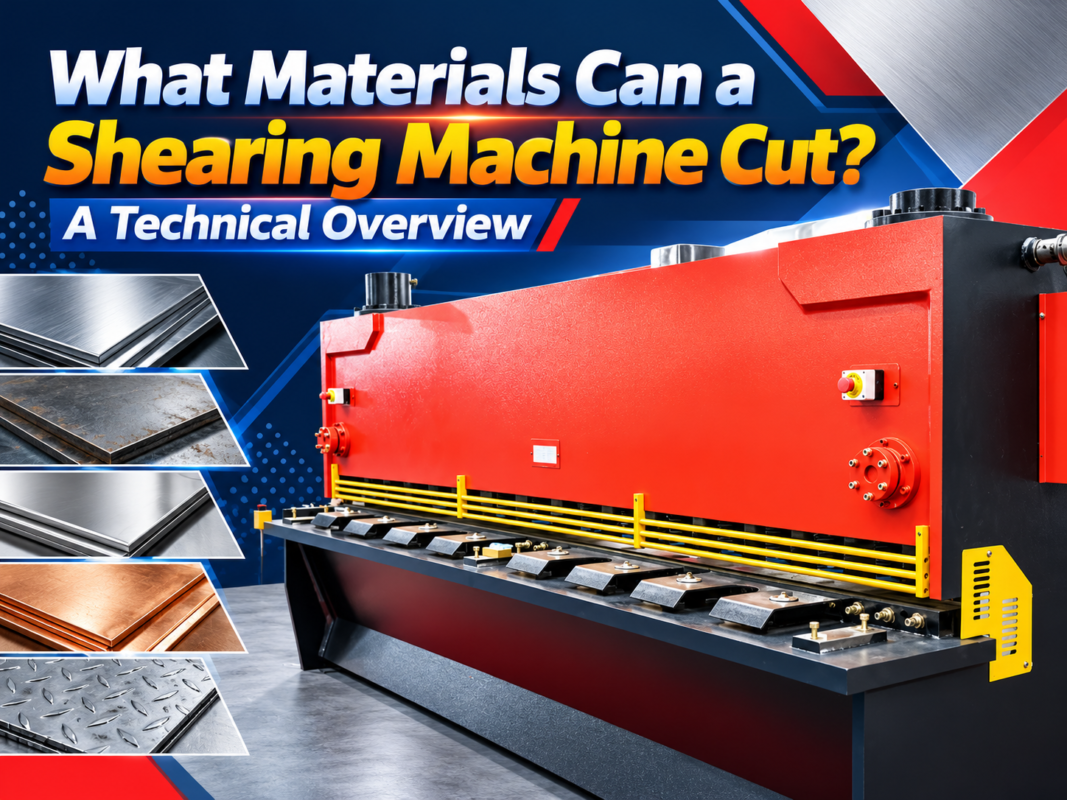
Furthermore, the material properties themselves—such as tensile strength, ductility, and thickness—dictate how the machine should be configured. A machine set for 10mm mild steel will perform poorly if the same settings are applied to 3mm stainless steel. This technical guide explores the systematic approach required to maintain consistency across varying material types and thicknesses, providing a roadmap for operators to optimize their workflow.
Finally, the integration of CNC backgauge systems has revolutionized how we approach accuracy. Modern HARSLE shearing machines utilize advanced controllers that compensate for material spring-back and blade deflection. However, even the most advanced software cannot compensate for mechanical neglect. Therefore, this guide focuses on the synergy between digital control and physical machine maintenance to ensure peak performance.

Core Parameters
To improve cutting accuracy on a metal shearing machine, one must master the three pillars of shearing geometry: blade clearance, rake angle, and backgauge positioning. Blade clearance is arguably the most critical parameter. It refers to the gap between the upper and lower blades. If the clearance is too wide, the material will be pulled into the gap, causing heavy burrs and potential blade damage. If it is too narrow, the machine will experience excessive stress, leading to premature wear and potential cracking of the material.
The rake angle, or the angle of the upper blade relative to the lower blade, determines the shearing force distribution. A smaller rake angle is generally preferred for thinner materials to minimize distortion and twisting, while a larger rake angle is necessary for thicker plates to reduce the total force required for the cut. Balancing these angles is essential for maintaining a clean, square edge across the entire length of the sheet.
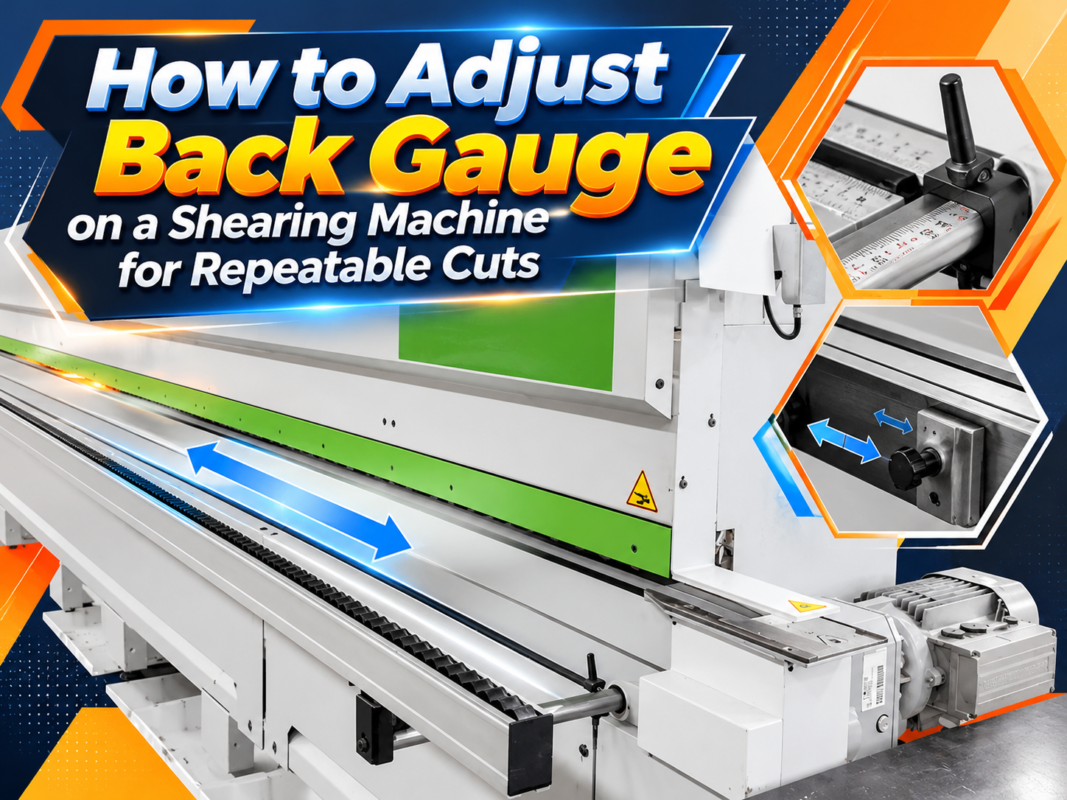
Backgauge accuracy is the third pillar. The backgauge acts as the reference point for the workpiece. Any deviation in the parallelism of the backgauge to the cutting line will result in a trapezoidal cut rather than a rectangular one. Modern HARSLE machines feature motorized backgauges with ball screws and linear guides to ensure that the positioning is accurate to within 0.1mm, but these must be regularly checked for squareness.
Hydraulic pressure and clamping force also play a role. The hold-down cylinders must exert sufficient pressure to keep the sheet metal firmly against the table before the blade makes contact. If the sheet shifts during the cut, even by a fraction of a millimeter, the accuracy is compromised. Ensuring that the hold-down system is functioning uniformly across the entire length of the shear is vital for consistent results.
Calculation Method
Calculating the optimal blade clearance is a mathematical process that depends on the material’s shear strength and thickness. A common rule of thumb for mild steel is to set the clearance at approximately 5% to 10% of the material thickness. For harder materials like stainless steel, this percentage may need to be increased to account for the material’s higher resistance to deformation.
To calculate the required force, use the formula: F = L * t^2 * σ / (2 * sin(α)), where L is the length of the cut, t is the thickness, σ is the shear strength of the material, and α is the rake angle. By understanding these variables, operators can avoid overloading the machine, which is a common cause of frame deflection and subsequent loss of accuracy. When the machine frame deflects, the blade alignment shifts, leading to inconsistent cuts.
Another critical calculation involves the compensation for material spring-back. When cutting, the material undergoes elastic deformation before the shear occurs. High-end HARSLE controllers often have built-in algorithms to calculate this, but manual operators should account for it by performing test cuts on scrap material of the same batch. Measuring the deviation between the set backgauge position and the actual cut dimension allows for the application of a correction factor.
Finally, thermal compensation is a factor in high-production environments. As the hydraulic oil heats up, the viscosity changes, which can affect the speed and pressure delivery of the cylinders. Monitoring the oil temperature and allowing for a warm-up cycle before starting high-precision production runs is a standard practice for maintaining accuracy throughout the shift.
Parameter Table
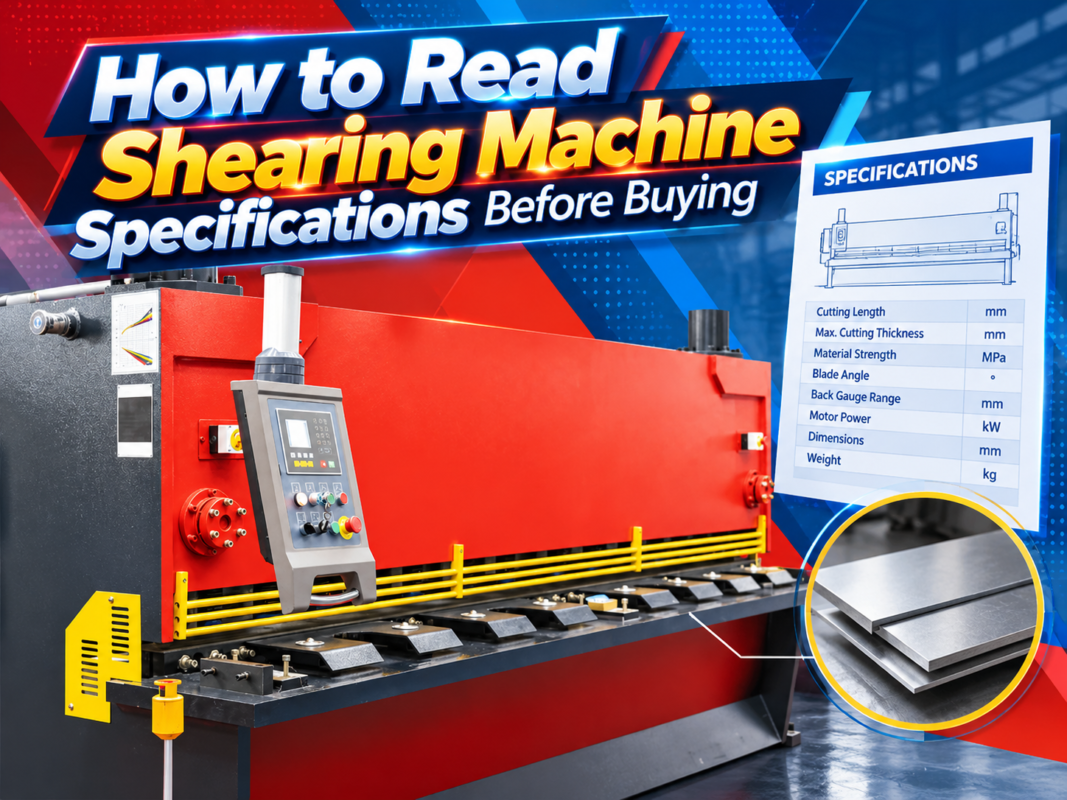
| Parameter | Recommended Range | Impact on Accuracy |
|---|---|---|
| Blade Clearance | 5% – 10% of material thickness | High: Prevents burrs and edge deformation |
| Rake Angle | 0.5° – 3° | Medium: Affects twist and distortion |
| Backgauge Parallelism | ± 0.05mm | Critical: Determines squareness of the cut |
| Hold-down Pressure | 100 – 150 bar | High: Prevents sheet slippage |
| Blade Sharpness | N/A (Inspect regularly) | Critical: Prevents material tearing |
Common Engineering Mistakes
One of the most frequent mistakes operators make is failing to adjust the blade clearance when switching between different material thicknesses. It is tempting to leave the machine at a “general purpose” setting, but this leads to poor edge quality and increased wear on the blades. Every time the material thickness changes, the clearance must be re-verified using a feeler gauge.
Another common error is neglecting the maintenance of the hold-down cylinders. Over time, the rubber or polyurethane pads on the hold-downs can wear down or become contaminated with metal chips. This prevents the hold-downs from exerting uniform pressure, causing the sheet to “walk” during the cutting process. This movement is a primary cause of inaccurate dimensions and non-square cuts.
Operators often overlook the importance of blade orientation and mounting. If the blades are not perfectly shimmed or if the mounting bolts are not torqued to the manufacturer’s specifications, the blades can vibrate or shift under load. This micro-vibration is often invisible to the naked eye but results in a wavy or jagged cut edge that fails quality control inspections.
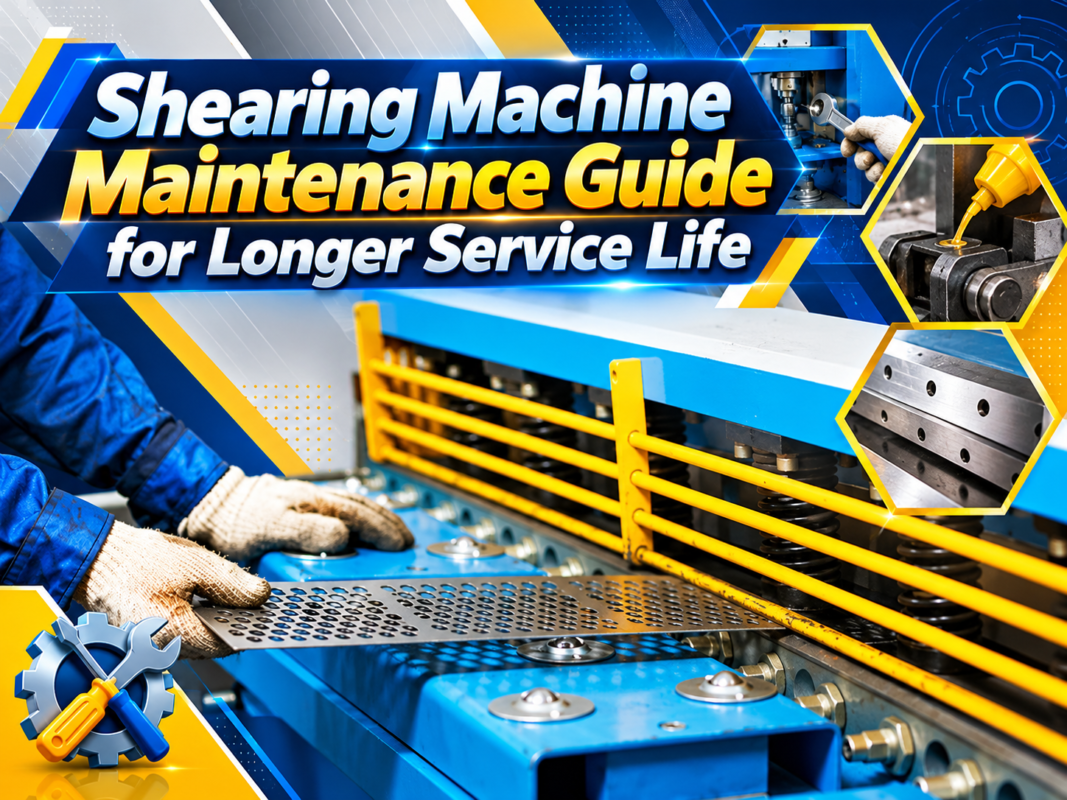
Finally, ignoring the lubrication schedule is a recipe for disaster. The shearing machine relies on precision linear guides and sliding surfaces. If these components are not properly lubricated, friction increases, leading to jerky movements and inconsistent positioning of the backgauge. A strict adherence to the HARSLE maintenance manual is the most effective way to prevent these common engineering pitfalls.
Selection Checklist
When selecting a metal shearing machine to ensure long-term accuracy, consider the following factors:
- Frame Rigidity: Look for a heavy-duty, stress-relieved steel frame that minimizes deflection under maximum load.
- CNC Controller: Opt for a system that offers automatic blade clearance adjustment and backgauge compensation.
- Blade Quality: Ensure the machine uses high-carbon, high-chrome steel blades suitable for the specific materials you intend to cut.
- Backgauge System: Prioritize systems with ball screw drives and linear guides for maximum repeatability.
- Safety Features: Ensure the machine includes light curtains and interlocked guards to protect the operator without hindering the workflow.
- Support and Service: Choose a manufacturer like HARSLE that provides comprehensive technical support and readily available spare parts.
FAQ
Q: How often should I check the blade clearance?
A: You should check the blade clearance every time you change the material thickness or type. For high-volume production, it is recommended to check it at the start of every shift.
Q: Why does my material have a burr on the bottom edge?
A: A burr on the bottom edge usually indicates that the blade clearance is too large. Reduce the clearance according to the material thickness.
Q: Can I use the same blades for stainless steel and mild steel?
A: While the same blades can be used, stainless steel is harder and will dull the blades faster. You may need to adjust the clearance and rake angle to accommodate the different material properties.
Q: What is the most common cause of non-square cuts?
A: The most common cause is a misalignment of the backgauge. Ensure the backgauge is perfectly parallel to the cutting line using a precision square.
Q: How does HARSLE ensure machine accuracy?
A: HARSLE machines are built with high-rigidity frames, precision-ground blades, and advanced CNC controllers that allow for fine-tuned adjustments, ensuring consistent accuracy across all industrial applications.