Shearing Machine Vs Laser Cutting: Which Is Better For Your Workshop?


Technical Overview: Understanding the Fundamentals
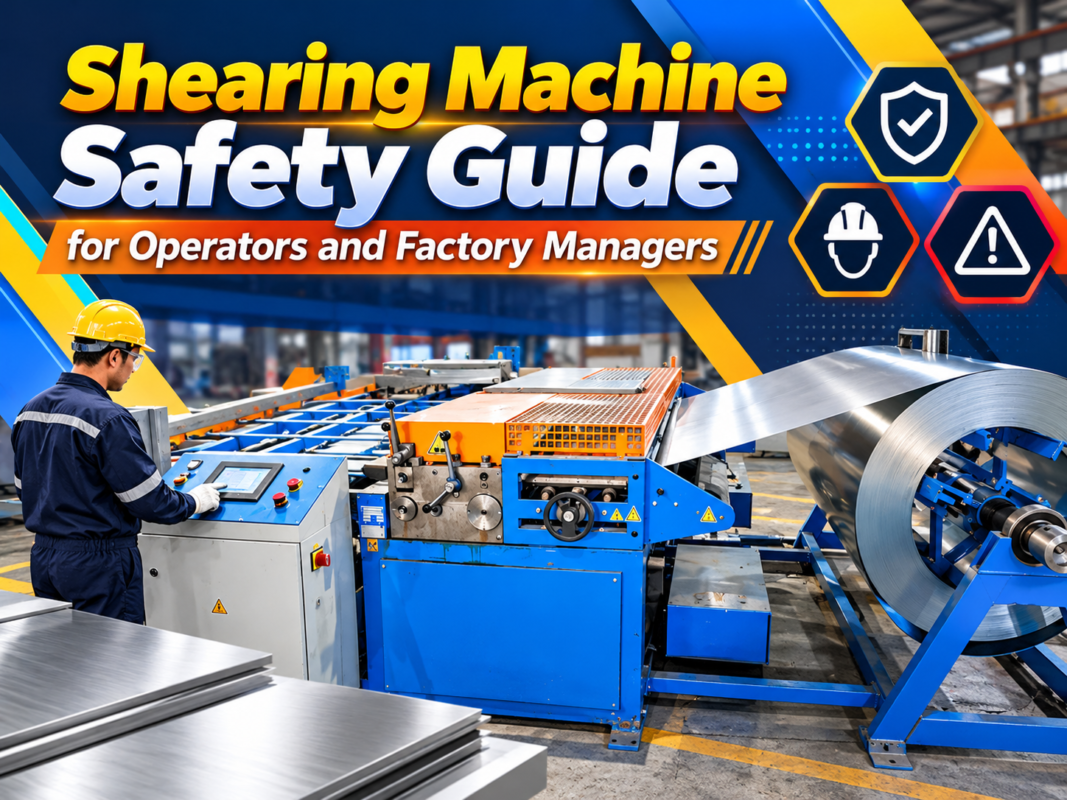
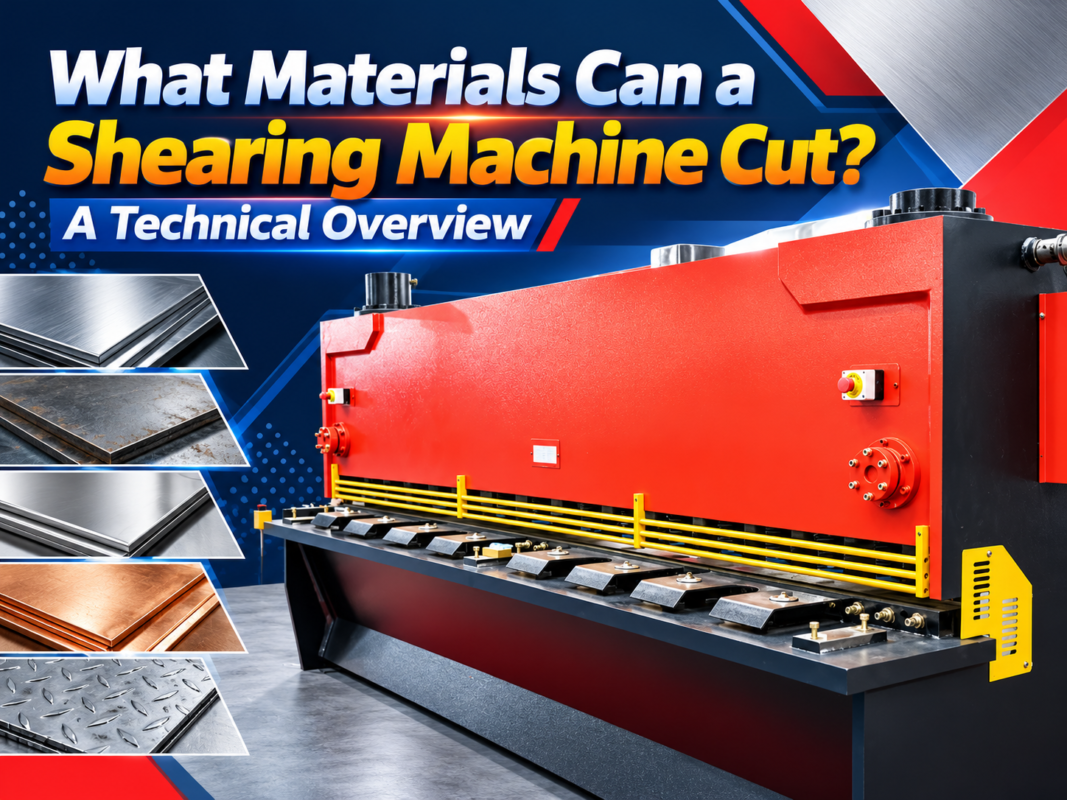
In the competitive landscape of modern metal fabrication, choosing the right cutting technology is a pivotal decision that impacts your workshop’s efficiency, overhead costs, and output quality. When evaluating the debate of Shearing Machine Vs Laser Cutting: Which Is Better For Your Workshop?, it is essential to understand that these two technologies serve fundamentally different purposes, despite both being used for metal separation. A shearing machine, typically a hydraulic or mechanical guillotine, operates on the principle of mechanical force, using a moving blade to cut through sheet metal in a straight line. It is a high-speed, high-volume solution designed for repetitive, linear cuts.
Conversely, laser cutting technology utilizes a high-powered, focused beam of light to melt, burn, or vaporize material. This process is computer-controlled (CNC), allowing for intricate geometries, complex contours, and high-precision holes that a mechanical shear simply cannot replicate. While a shearing machine is limited to straight-line cuts, a laser cutter offers unparalleled design flexibility. Understanding these core differences is the first step in optimizing your production floor.
For workshops focusing on heavy-duty, high-volume production of rectangular blanks, the shearing machine remains the gold standard. Its simplicity, speed, and low cost per cut make it an indispensable tool for primary processing. However, as design requirements shift toward complex parts with internal cutouts, the laser cutter becomes the superior choice. The decision often boils down to whether your workshop prioritizes throughput of simple parts or the versatility of complex, custom components.
Furthermore, the integration of these machines into a workflow is often complementary rather than mutually exclusive. Many high-end fabrication shops utilize shearing machines to prepare raw material into manageable blanks, which are then fed into laser cutters or CNC punch presses for final detailing. This hybrid approach maximizes the strengths of both technologies, ensuring that the expensive laser time is reserved for complex work, while the robust shear handles the heavy lifting of straight-line cutting.
Core Parameters: Comparing Performance Metrics
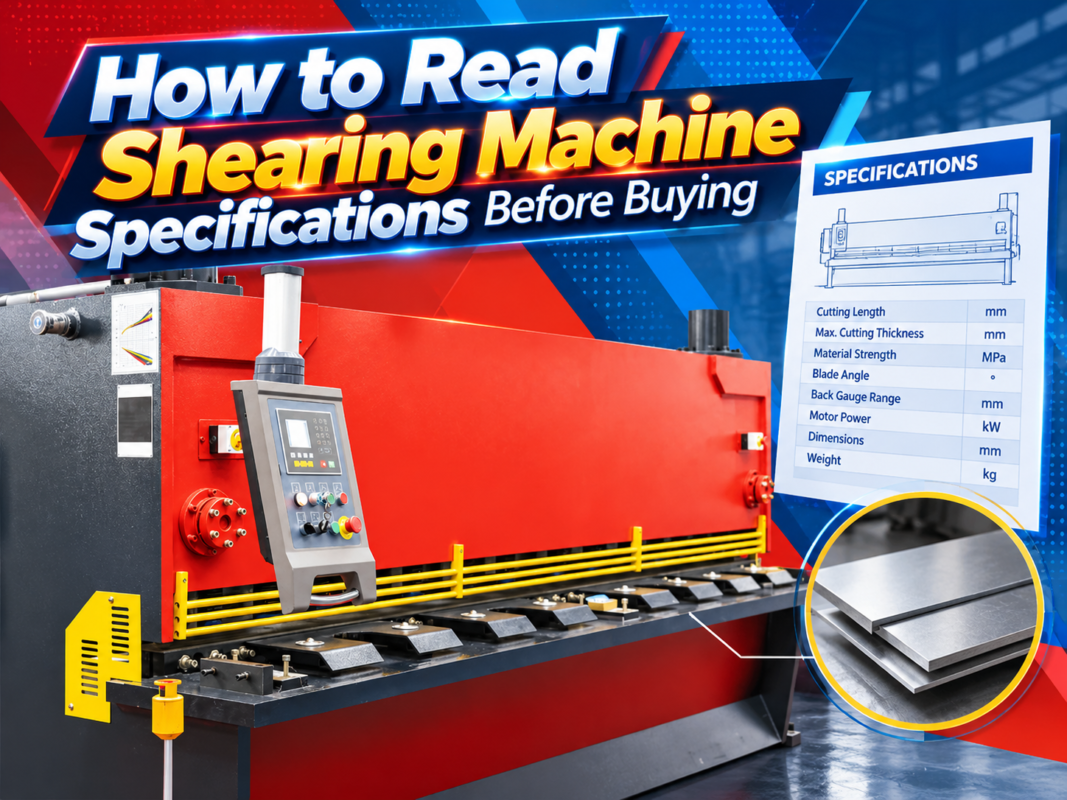
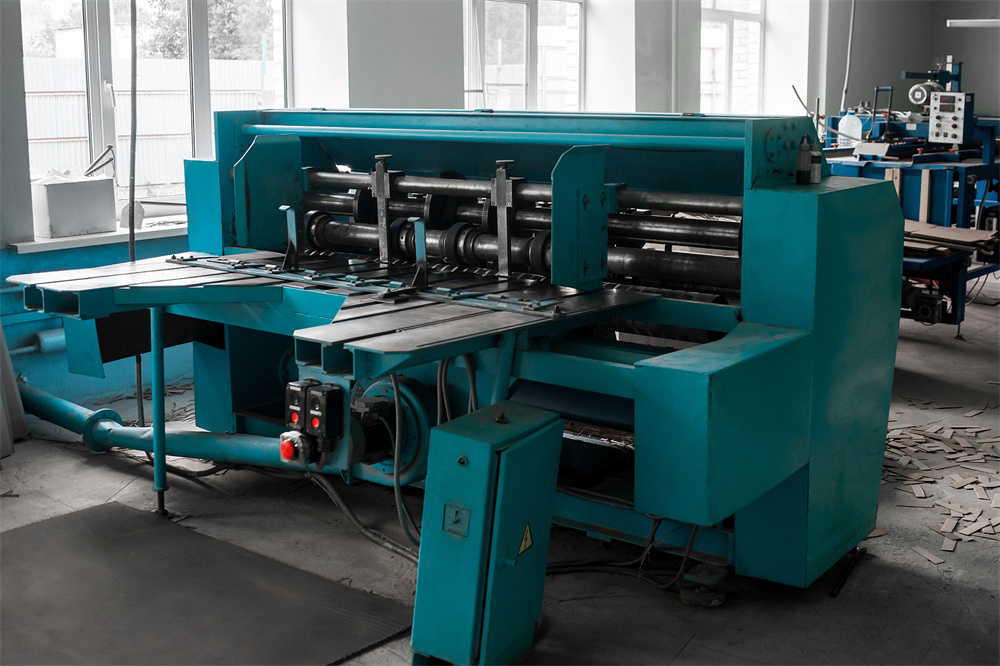
When analyzing Shearing Machine Vs Laser Cutting: Which Is Better Workshop?, you must look at the core performance parameters. For shearing machines, the primary metrics include cutting length, maximum plate thickness (shear capacity), rake angle, and stroke frequency. These machines are rated by their ability to handle specific tensile strengths of materials, such as mild steel or stainless steel. The rake angle is particularly important; a variable rake angle allows the operator to adjust the blade angle to minimize distortion on thinner materials while maintaining the power needed for thicker plates.
Laser cutting parameters are defined by laser source power (measured in kilowatts), beam quality, cutting speed, and positional accuracy. Fiber laser technology has revolutionized this sector, offering significantly higher speeds and lower maintenance requirements compared to older CO2 lasers. The ability to cut a wide range of materials, including reflective metals like aluminum, copper, and brass, is a major advantage of modern fiber laser systems. The precision of a laser is measured in microns, making it ideal for parts requiring tight tolerances.
Another critical parameter is the heat-affected zone (HAZ). In laser cutting, the intense heat can alter the metallurgical properties of the material near the cut edge, which may be a concern for specific aerospace or structural applications. Shearing, being a cold-cutting process, leaves the material’s microstructure intact. This is a significant advantage for industries where edge integrity and material properties must remain consistent throughout the fabrication process.
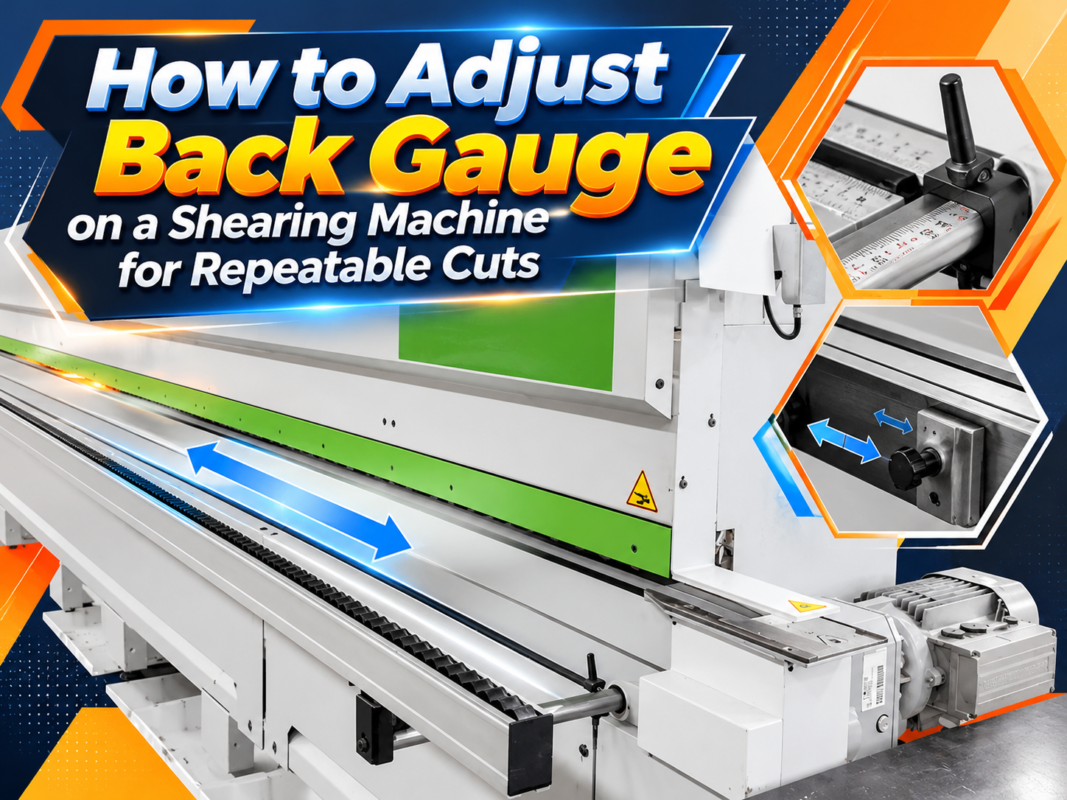
Finally, consider the setup and changeover time. Shearing machines are relatively simple to set up, requiring only the adjustment of the backgauge and blade clearance. Laser cutters, while highly automated, require more complex programming, nesting software management, and gas supply monitoring. For a workshop that switches between many different jobs throughout the day, the simplicity of a shearing machine can lead to higher overall uptime compared to a laser system that requires frequent file loading and calibration.
Calculation Method: Determining Cost-Per-Part
To determine which machine is better for your specific workshop, you must calculate the cost-per-part. For a shearing machine, the calculation is straightforward: (Machine Depreciation + Labor Cost + Energy Consumption + Blade Maintenance) / Number of Cuts per Hour. Because shearing is a high-speed mechanical process, the cost per linear meter of cut is exceptionally low. It is the most economical method for producing large quantities of rectangular plates or strips.
For laser cutting, the calculation is more complex: (Machine Depreciation + Laser Source Maintenance + Electricity + Assist Gas + Consumables like Nozzles/Lenses + Programming Time) / Number of Parts per Hour. Laser cutting involves higher operational costs due to the consumption of assist gases (nitrogen, oxygen, or compressed air) and the electricity required to power the laser source and chiller units. However, the ability to nest parts efficiently on a single sheet significantly reduces material waste, which can offset the higher hourly operating cost.
Material utilization is a key factor in your calculation. Laser cutting software uses advanced nesting algorithms to pack parts tightly together, often resulting in material savings of 10-20% compared to manual shearing. If your material costs are high, the laser’s ability to minimize scrap can make it the more cost-effective choice, even if the hourly operating cost is higher than that of a shearing machine.
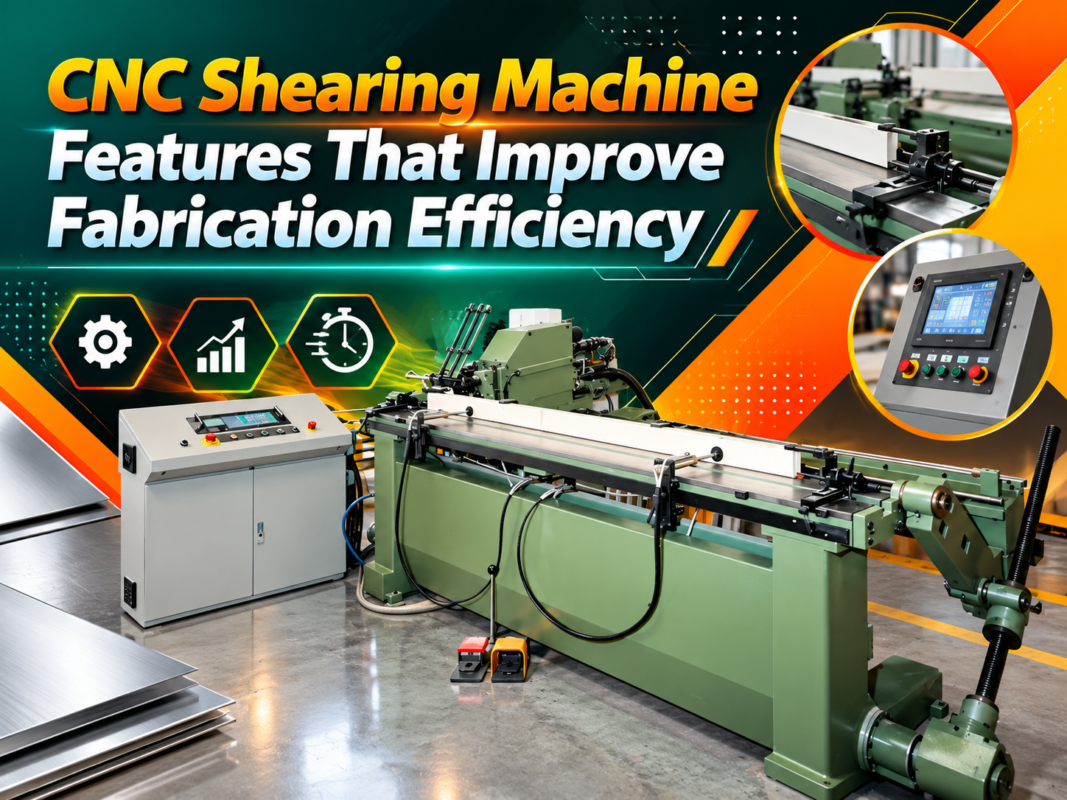
Labor costs also play a role. A shearing machine requires a skilled operator to handle heavy sheets and manage the backgauge, though modern CNC backgauges have automated much of this. Laser cutting is highly automated, often requiring only a technician to load the sheet and unload the finished parts. If your workshop struggles with finding skilled labor, the automation level of a laser cutter may provide a significant hidden benefit in terms of consistent output and reduced human error.
Parameter Table: Shearing Machine Vs Laser Cutting
| Feature | Shearing Machine | Laser Cutting |
|---|---|---|
| Cutting Method | Mechanical Force | Thermal/Light Energy |
| Material Thickness | High (up to 30mm+) | Medium (up to 25-30mm) |
| Cut Quality | Straight lines only | Complex contours/holes |
| Heat Affected Zone | None (Cold cut) | Present (Thermal) |
| Speed | Very High (Linear) | High (Contour dependent) |
| Material Waste | Moderate | Low (Nesting) |
| Operating Cost | Low | Moderate to High |
| Automation | Manual/Semi-auto | High (CNC/Auto-loading) |
Common Engineering Mistakes
One of the most common mistakes in the Shearing Machine Vs Laser Cutting: Which Is Better Workshop? debate is assuming that one machine can replace the other entirely. Many workshop owners purchase a high-end laser cutter and then find themselves wasting expensive laser time cutting simple rectangular blanks that could have been processed in seconds on a shear. This is a classic case of misallocating resources and inflating the cost-per-part for simple components.
Another frequent error is ignoring the importance of blade clearance on shearing machines. Operators often fail to adjust the clearance when switching between different material thicknesses. This leads to poor edge quality, burrs, and excessive wear on the blades. Similarly, in laser cutting, failing to maintain the correct nozzle distance or using contaminated assist gas can lead to poor cut quality and expensive lens damage, significantly increasing maintenance costs.
Underestimating the power requirements is also a major pitfall. A laser cutter requires a stable, high-capacity power supply and often a dedicated chiller system. If the workshop’s electrical infrastructure is not prepared, the machine will suffer from frequent downtime and performance issues. Conversely, shearing machines require a solid, vibration-free foundation. Installing a heavy-duty hydraulic shear on an inadequate floor can lead to structural damage to the machine and inconsistent cutting accuracy over time.
Finally, many shops fail to invest in the right software. For laser cutting, the software is the brain of the operation. Using outdated or inefficient nesting software can negate the material savings that the laser is supposed to provide. Similarly, for shearing, failing to use a programmable backgauge controller limits the machine’s ability to handle complex, multi-step cutting sequences, forcing the operator to perform manual adjustments that slow down production and increase the risk of errors.

Selection Checklist: Making the Right Choice
Before investing in new metal fabrication equipment, use this checklist to guide your decision-making process:
- Define Your Product Mix: Are you producing mostly rectangular blanks, or do you need complex shapes and internal cutouts?
- Evaluate Volume: Do you have high-volume, repetitive jobs that require the raw speed of a shearing machine?
- Assess Material Types: Does your work involve highly reflective materials that might require specific laser wavelengths?
- Analyze Budget: Consider both the initial capital expenditure and the long-term operational costs (electricity, gas, maintenance).
- Check Space Requirements: Does your workshop have the floor space and electrical capacity for a laser system, or is a compact shear more practical?
- Review Labor Skills: Do you have the staff to program and maintain a CNC laser, or is a simpler mechanical shear better suited to your team?
- Consider Future Growth: Will your product line expand into more complex designs that would eventually require laser capabilities?
FAQ: Frequently Asked Questions
Is a shearing machine always cheaper to operate than a laser cutter?
Generally, yes. Shearing machines have lower energy consumption, no gas requirements, and fewer consumables. However, if you factor in material waste and the labor required for secondary operations, the total cost-per-part may vary depending on the complexity of the job.
Can a laser cutter replace a shearing machine?
While a laser cutter can perform any cut a shearing machine can, it is often not the most efficient choice for simple, high-volume straight cuts. Using a laser for simple blanks is usually a waste of machine capacity and increases your cost-per-part.
What is the biggest advantage of a shearing machine?
The biggest advantage is the speed and efficiency of straight-line cutting. It is a robust, reliable, and cost-effective solution for primary metal processing that requires minimal setup and programming.
How often should I maintain my shearing machine?
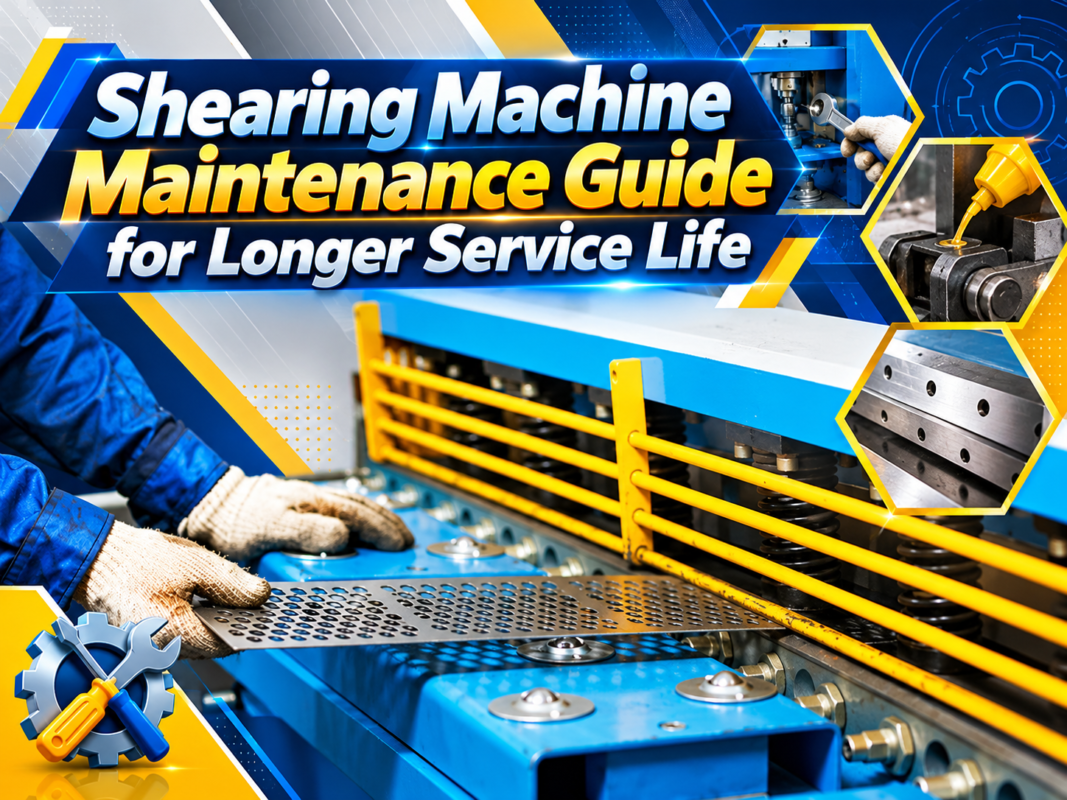
Maintenance schedules vary, but you should check blade clearance and sharpness regularly. Hydraulic systems should be inspected for leaks and oil quality every 6-12 months, depending on usage intensity.
Is fiber laser better than CO2 for my workshop?
For most modern workshops, fiber laser is the superior choice due to its higher energy efficiency, faster cutting speeds on thin-to-medium materials, and lower maintenance requirements compared to CO2 lasers.