Applications of CNC Shearing Machines in Smart Manufacturing: A Comprehensive Guide


Introduction to CNC Shearing in the Era of Smart Manufacturing
The landscape of industrial production is undergoing a seismic shift, driven by the principles of Industry 4.0. At the heart of this transformation lies the integration of advanced automation, data exchange, and precision engineering. Among the most critical tools in the modern metal fabrication shop is the CNC shearing machine. As we explore the Applications Of CNC Shearing Machines In Smart Manufacturing, it becomes clear that these machines are no longer just simple cutting tools; they are sophisticated, networked components of a larger digital ecosystem.
Smart manufacturing emphasizes efficiency, flexibility, and the reduction of waste. Traditional manual shearing processes, while functional, often struggle to meet the rigorous demands of high-speed, high-precision production lines. CNC (Computer Numerical Control) shearing machines bridge this gap by providing programmable control over every aspect of the cutting process. From blade gap adjustment to backgauge positioning, every movement is calculated to ensure maximum accuracy and repeatability.
HARSLE has been at the forefront of this technological evolution, developing shearing solutions that cater to the needs of smart factories worldwide. By incorporating IoT (Internet of Things) capabilities and advanced sensor technology, HARSLE machines allow operators to monitor performance in real-time, predict maintenance needs, and seamlessly integrate with factory-wide Management Execution Systems (MES). This introduction sets the stage for a deeper look into how these machines are redefining the standards of metal fabrication.
Key Considerations for Integrating CNC Shearing in Smart Factories
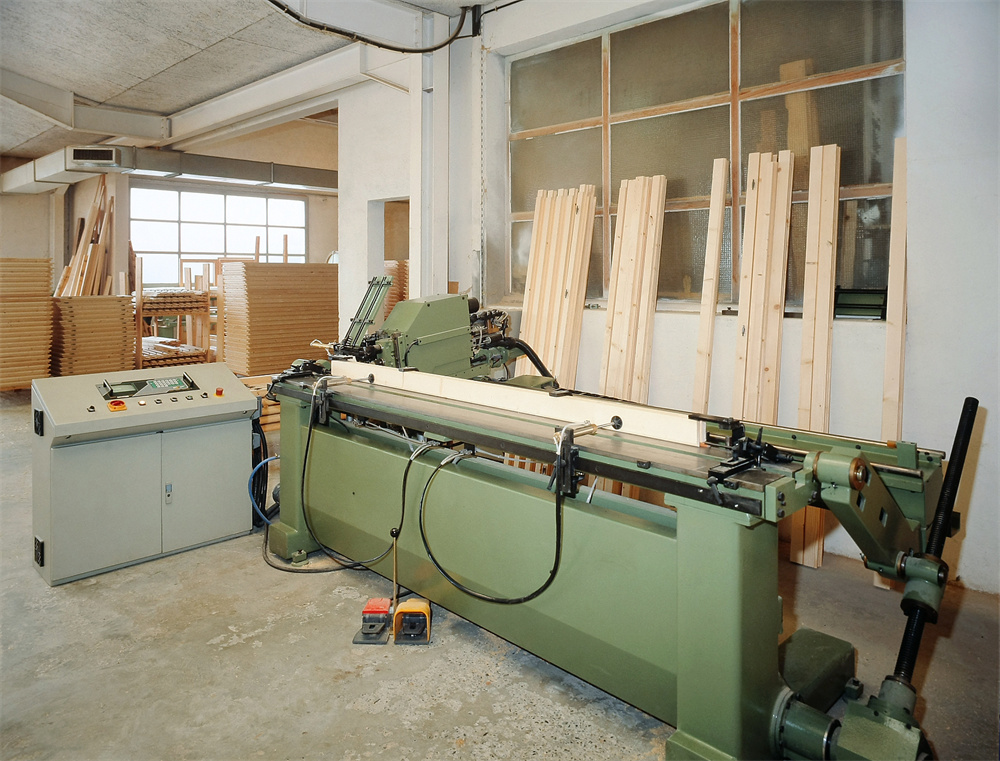
When transitioning to a smart manufacturing model, the selection and integration of a CNC shearing machine require careful planning. The first consideration is connectivity. A truly “smart” machine must be able to communicate with other equipment on the floor. This involves the use of standardized protocols that allow the shearing machine to receive instructions from a centralized control unit and send back data regarding its operational status, cycle times, and material usage.
Precision and repeatability are the cornerstones of smart production. In a smart factory, components are often designed with extremely tight tolerances to ensure they fit perfectly into automated assembly lines. CNC shearing machines must provide consistent results across thousands of cycles. This is achieved through high-quality hydraulic systems, rigid frame constructions, and precision-ground blades. The ability to automatically adjust the rake angle and blade gap based on the material type and thickness is a critical feature that minimizes distortion and burrs.
Another vital consideration is energy efficiency. Smart manufacturing is inherently linked to sustainability. Modern CNC shearing machines utilize variable-speed drives and optimized hydraulic circuits to reduce power consumption during idle times. By only using the energy required for the specific cut, these machines lower the overall carbon footprint of the manufacturing facility. Furthermore, the reduction in material waste—thanks to precision cutting—contributes significantly to the economic and environmental goals of the enterprise.
Finally, the user interface and ease of programming cannot be overlooked. In a fast-paced smart manufacturing environment, downtime for setup must be minimized. Modern CNC controllers, such as those found on HARSLE machines, feature intuitive touchscreens and graphical interfaces. Operators can quickly load cutting programs, simulate the process to check for errors, and make adjustments on the fly. This democratization of complex technology ensures that the workforce can remain productive even as the complexity of the tasks increases.
Technical Details: The Mechanics of Precision Shearing
To understand the Applications Of CNC Shearing Machines In Smart Manufacturing, one must delve into the technical specifications that make these machines so effective. There are two primary types of CNC shears: the Swing Beam Shear and the Guillotine Shear. Each has its specific advantages depending on the application. Swing beam shears are known for their simplicity and reliability, utilizing a circular arc movement for the upper blade. Guillotine shears, on the other hand, move the upper blade in a straight vertical line, allowing for adjustable rake angles which are essential for cutting thicker materials without twisting.
The backgauge system is perhaps the most critical mechanical component for accuracy. In a CNC environment, the backgauge is driven by high-precision ball screws and AC servo motors. This allows for positioning accuracy within fractions of a millimeter. Many HARSLE machines feature a “swing-away” backgauge design, which enables the operator to cut sheets that are longer than the maximum backgauge range, providing additional flexibility for diverse projects.
| Feature | Swing Beam Shear | Guillotine Shear |
|---|---|---|
| Blade Movement | Arc-shaped movement | Vertical linear movement |
| Rake Angle | Fixed | Adjustable (via CNC) |
| Material Thickness | Best for light to medium | Excellent for heavy-duty |
| Cutting Precision | High | Very High (minimal distortion) |
The hydraulic system in a CNC shearing machine is designed for high-frequency operation. It includes high-pressure pumps, logic valves, and cooling systems to maintain consistent oil temperature. In the context of smart manufacturing, these systems are often equipped with sensors that monitor pressure, temperature, and oil quality. If any parameter falls outside the optimal range, the CNC controller can alert the maintenance team before a failure occurs, embodying the principle of predictive maintenance.
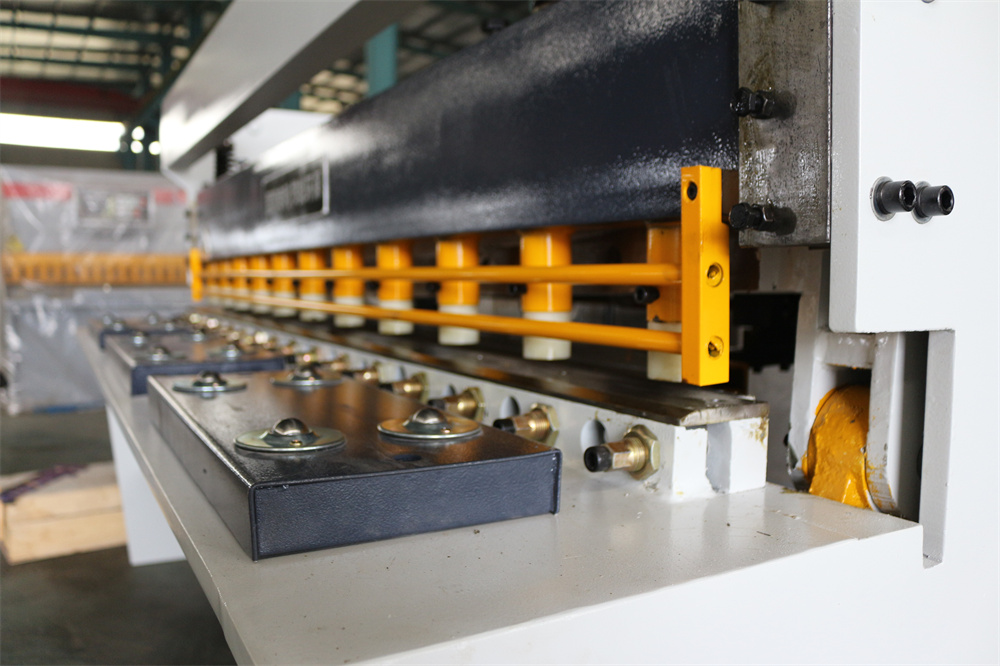
Blade material and quality also play a significant role. High-carbon, high-chrome blades are standard for cutting stainless steel and other hard alloys. The CNC system manages the blade gap—the distance between the upper and lower blades—automatically. By inputting the material type and thickness into the controller, the machine adjusts the gap to the micron, ensuring a clean cut and extending the life of the blades. This automation eliminates the human error associated with manual adjustments, which is a key requirement for smart factory operations.
Industry-Specific Applications of CNC Shearing
The Applications Of CNC Shearing Machines In Smart Manufacturing span across numerous high-growth industries. In the automotive sector, for instance, the demand for lightweight yet strong materials has led to the widespread use of high-strength steel and aluminum alloys. CNC shearing machines are used to create the initial blanks for body panels, chassis components, and internal reinforcements. The precision of the cut ensures that subsequent processes, such as deep drawing or robotic welding, proceed without interference caused by irregular edges.
In the aerospace industry, the requirements are even more stringent. Components made from titanium, Inconel, and specialized aluminum grades must be cut with zero thermal damage and minimal mechanical stress. CNC shears provide a cold-cutting solution that preserves the metallurgical properties of these expensive materials. The ability to track the “birth certificate” of each part—recording exactly when and how it was cut—is a major advantage for aerospace manufacturers who must adhere to strict regulatory and safety standards.
The electronics and telecommunications industry relies on CNC shearing for the production of enclosures, server racks, and heat sinks. These parts often require intricate layouts and very thin materials. The high-speed capabilities of modern CNC shears allow manufacturers to keep up with the rapid product cycles typical of the tech world. Furthermore, the integration of CNC shears with automated loading and unloading systems (such as vacuum lifters or robotic arms) allows for 24/7 “lights-out” manufacturing, significantly increasing throughput.
Renewable energy is another field where CNC shearing is indispensable. The production of solar panel frames and wind turbine internal components requires the processing of large volumes of galvanized steel and aluminum. Smart manufacturing setups allow these machines to adjust to different material batches automatically, ensuring that even if there are slight variations in material thickness from a supplier, the final cut remains within spec. This adaptability is crucial for maintaining the efficiency of the green energy supply chain.
Finally, the construction and HVAC (Heating, Ventilation, and Air Conditioning) industries utilize CNC shearing for the rapid fabrication of ductwork, roofing panels, and structural brackets. In these sectors, the ability to quickly switch between different cutting programs allows for high-mix, low-volume production, which is a hallmark of modern customized construction projects. By reducing the lead time from design to finished part, CNC shearing machines help construction firms meet tight project deadlines.
Selection Advice: Choosing the Right Machine for Your Smart Factory
Selecting the right CNC shearing machine is a strategic investment. The first step is to define your maximum material thickness and width. It is always advisable to choose a machine with a capacity slightly higher than your current maximum requirement to allow for future growth. For example, if you primarily cut 6mm mild steel, a machine rated for 8mm or 10mm will provide a longer service life and better cut quality due to the increased rigidity of the frame.
Consider the level of automation required. Does your facility use AGVs (Automated Guided Vehicles) or robotic arms? If so, you need a CNC shearing machine with an open architecture and compatible I/O ports. Look for machines that offer “Smart Support” features, such as remote diagnostics. This allows the manufacturer’s technicians to log into your machine from a different location to troubleshoot software issues or optimize settings, drastically reducing the need for on-site service visits.
The choice of CNC controller is also paramount. While there are many brands available, choosing a well-known controller like Delem, Cybelec, or ESA ensures that you will have access to a wide pool of trained operators and easy software updates. These controllers should support DXF file imports, allowing your design team to send cutting patterns directly from CAD software to the machine, eliminating manual data entry and the potential for errors.
Don’t overlook safety. In a smart manufacturing environment, safety systems must be integrated into the machine’s logic. Laser light curtains, emergency stop buttons, and interlocked rear gates are essential. HARSLE machines are designed to meet and exceed international safety standards (such as CE certification), ensuring that your most valuable asset—your workforce—is protected while maintaining high productivity levels.
Frequently Asked Questions (FAQ)
What is the main advantage of CNC shearing over manual shearing?
The main advantage is the combination of precision, repeatability, and automation. CNC machines automatically adjust the blade gap, rake angle, and backgauge position based on programmed data, which eliminates human error, reduces waste, and significantly increases production speed.
Can CNC shearing machines handle stainless steel?
Yes, CNC shearing machines are highly capable of cutting stainless steel. However, because stainless steel is harder than mild steel, you must ensure the machine has the appropriate high-quality blades (usually high-carbon, high-chrome) and that the machine’s capacity is rated correctly for the thickness of the stainless steel being cut.
How does a CNC shearing machine fit into an Industry 4.0 workflow?
In an Industry 4.0 workflow, the CNC shearing machine acts as a data-driven node. It receives digital instructions from CAD/CAM software, communicates its status to a central management system, and can be integrated with robotic loading/unloading systems for a fully automated production cycle.
What maintenance is required for a CNC shearing machine?
Regular maintenance includes checking hydraulic oil levels and quality, lubricating moving parts like ball screws and guides, inspecting blade sharpness, and ensuring the electrical connections are secure. Many modern CNC machines also offer predictive maintenance alerts through their control systems.
Is a Swing Beam or Guillotine shear better for my application?
Swing beam shears are generally more cost-effective and suitable for lighter gauges. Guillotine shears are preferred for heavier materials and applications requiring the highest precision, as they allow for rake angle adjustments which minimize part distortion (twisting and bowing).
Conclusion: The Future of Metal Fabrication with HARSLE
The Applications Of CNC Shearing Machines In Smart Manufacturing are expanding every day as technology advances. These machines have evolved from simple mechanical cutters into intelligent, high-precision instruments that are vital to the success of modern industrial operations. By investing in a HARSLE CNC shearing machine, manufacturers are not just buying a piece of equipment; they are investing in a future-proof solution that enhances productivity, ensures quality, and integrates seamlessly into the digital factory.
As we look forward, the role of AI and machine learning in shearing technology will likely grow, further optimizing cutting patterns to save material and predicting tool wear with even greater accuracy. For any business looking to stay competitive in the global market, embracing these smart shearing solutions is no longer optional—it is a necessity. HARSLE remains committed to leading this charge, providing the tools and support needed to turn the vision of smart manufacturing into a daily reality.