Best Shearing Machine for Sheet Metal Cutting: A Buyer’s Guide


Introduction to Sheet Metal Shearing Technology
In the world of metal fabrication, precision and efficiency are the cornerstones of profitability. Choosing the Best Shearing Machine Sheet Metal Cutting: A Buyer’s perspective requires a deep understanding of how these machines function and what specific features align with your production goals. A shearing machine is a critical investment that performs the primary task of cutting large sheets of metal into smaller, manageable sizes with high accuracy. Whether you are running a small workshop or a large-scale industrial plant, the right shearing machine can significantly reduce waste and improve the quality of your finished products.
HARSLE has been at the forefront of providing high-quality metalworking machinery, and this guide is designed to help you navigate the complexities of the market. From understanding the mechanical differences between swing beam and guillotine shears to calculating the long-term return on investment, we cover every aspect necessary to make an informed decision. The evolution of shearing technology has introduced CNC controls, automated backgauges, and advanced hydraulic systems that have transformed the industry from manual labor-intensive processes to high-speed automated production lines.
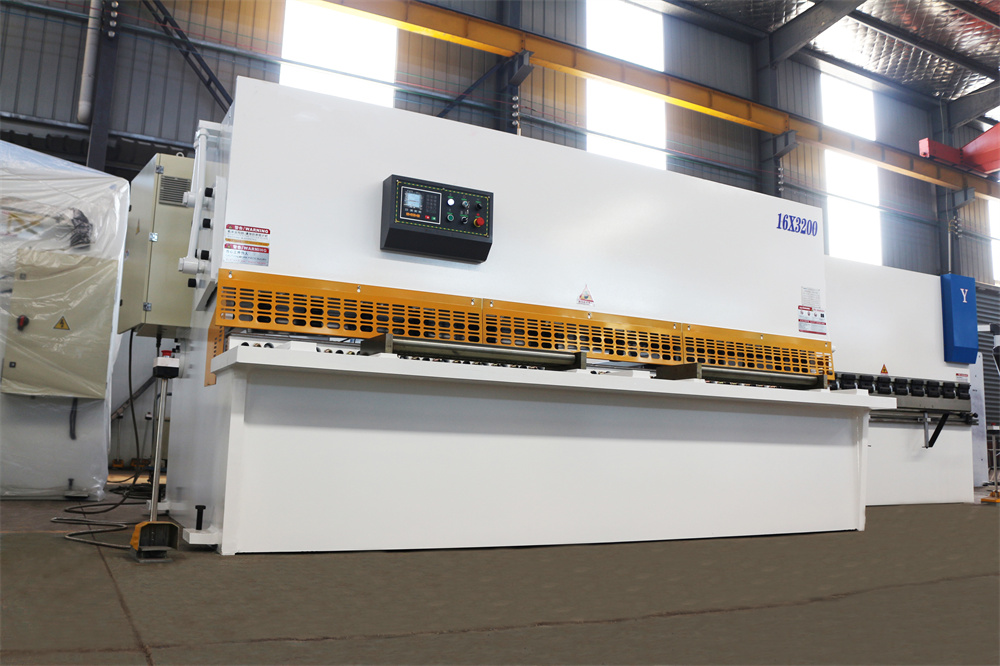
Price Range Overview: What to Expect
The cost of a shearing machine varies widely based on its capacity, technology, and brand reputation. When searching for the Best Shearing Machine Sheet Metal Cutting: A Buyer’s guide often highlights that price is not just an upfront cost but a reflection of the machine’s capabilities. Generally, the market is divided into three main price tiers:
- Entry-Level (Manual and Mechanical Shears): These machines typically range from $2,000 to $8,000. They are suitable for thin gauge materials and low-volume production. While affordable, they lack the precision and safety features of hydraulic models.
- Mid-Range (Hydraulic Swing Beam Shears): Ranging from $8,000 to $25,000, these are the workhorses of the industry. Models like the HARSLE QC12Y series offer a balance of power and affordability, capable of handling thicknesses from 4mm to 20mm with ease.
- High-End (CNC Hydraulic Guillotine Shears): These machines start at $25,000 and can exceed $100,000 for large-format or highly automated systems. They feature variable rake angles, CNC-controlled backgauges, and automatic blade gap adjustment, ensuring the highest precision for heavy-duty applications.
It is important to note that these prices are estimates and can fluctuate based on global steel prices, shipping costs, and specific customization requirements. When budgeting, always consider the total cost of ownership rather than just the sticker price.
Main Cost Drivers in Shearing Machines
Several factors influence the final price of a shearing machine. Understanding these drivers helps you prioritize features that matter most to your operations. The primary driver is the cutting capacity, which includes both the maximum thickness of the material and the maximum cutting length. A machine designed to cut 20mm thick carbon steel requires a much more robust frame, larger hydraulic cylinders, and higher motor power than one designed for 4mm sheets.
The quality of the blades is another significant factor. High-quality blades made from materials like 6CrW2Si or Cr12MoV are essential for cutting stainless steel and maintaining a sharp edge over thousands of cycles. Cheaper blades will dull quickly, leading to burrs on the metal and increased maintenance costs. Additionally, the hydraulic system components play a role; machines equipped with world-class brands like Bosch Rexroth or Sunny pumps tend to be more expensive but offer superior reliability and smoother operation.
Finally, the frame construction impacts the price. A heavy-duty, stress-relieved welded frame ensures that the machine does not deflect under high pressure. This structural integrity is vital for maintaining accuracy over the lifespan of the machine. HARSLE utilizes advanced welding and machining techniques to ensure that every frame meets rigorous industrial standards.
Configuration Impact: Swing Beam vs. Guillotine
One of the most critical decisions in finding the Best Shearing Machine Sheet Metal Cutting: A Buyer’s journey is choosing between a swing beam and a guillotine design. Each has its advantages depending on the application.
Hydraulic Swing Beam Shears (QC12Y/K)
In a swing beam shear, the upper blade moves in an arc. This design is simpler and generally more cost-effective. It is excellent for general-purpose cutting where the material thickness does not vary wildly. However, because the blade moves in an arc, the rake angle is fixed. This can lead to slight distortion or “twist” in very narrow strips of thin material. For most standard fabrication tasks, the swing beam shear provides excellent value and durability.
Hydraulic Guillotine Shears (QC11Y/K)
The guillotine shear moves the upper blade in a straight vertical line. This allows for a variable rake angle. By adjusting the rake angle (the angle at which the blade hits the metal), the operator can minimize distortion. A lower rake angle is used for thin sheets to prevent twisting, while a higher rake angle is used for thick plates to reduce the required shearing force. Guillotine shears also typically feature easier blade gap adjustment, which is crucial for achieving a clean, burr-free cut across different material types.

Hidden Costs of Ownership
When calculating the budget for the Best Shearing Machine Sheet Metal Cutting: A Buyer’s checklist must include hidden costs that often go overlooked during the initial purchase phase. These costs can significantly impact your bottom line if not accounted for.
- Shipping and Logistics: Industrial machinery is heavy and often requires specialized transport. For international purchases, consider ocean freight, customs duties, and local inland transportation from the port to your facility.
- Installation and Foundation: Large shearing machines require a stable, level concrete foundation. Some high-capacity models may even require a dedicated pit. Professional installation and leveling are mandatory to ensure the machine operates within its specified tolerances.
- Power Consumption: High-capacity hydraulic motors consume significant electricity. Investing in a machine with an efficient motor or an inverter-driven system can lead to substantial energy savings over time.
- Consumables and Maintenance: Hydraulic oil needs to be changed periodically, and filters must be replaced. Furthermore, blades will eventually need to be sharpened or replaced. The cost of a spare set of blades should be factored into the initial investment.
- Operator Training: A CNC shearing machine is only as good as its operator. Budgeting for professional training ensures that your staff can utilize all the machine’s features safely and efficiently, reducing the risk of accidental damage.
ROI Calculation: Is the Investment Worth It?
To determine if a specific machine is the Best Shearing Machine Sheet Metal Cutting: A Buyer’s choice for your business, you must calculate the Return on Investment (ROI). This involves comparing the total cost of the machine against the projected savings and revenue increases.
1. Increased Productivity: A modern hydraulic shear can perform cuts much faster than manual methods or older mechanical shears. Calculate the number of cuts per hour and multiply by your labor rate to see the direct savings. For example, moving from 5 cuts per minute to 15 cuts per minute triples your throughput.
2. Material Savings: Precision cutting reduces scrap. If a CNC backgauge allows you to nest parts more efficiently or reduces the margin of error, the material savings can add up to thousands of dollars annually, especially when working with expensive materials like stainless steel or aluminum.
3. Secondary Process Reduction: A clean cut from a high-quality shearing machine often eliminates the need for secondary grinding or deburring. This saves labor time and reduces the wear on finishing tools.
4. Formula: A simple ROI formula is: (Annual Gains from Machine – Annual Cost of Ownership) / Total Investment Cost. Most HARSLE customers find that their machines pay for themselves within 12 to 24 months through a combination of these factors.
Buying Advice: How to Choose the Right Model
Choosing the Best Shearing Machine Sheet Metal Cutting: A Buyer’s guide wouldn’t be complete without a practical checklist for the selection process. Follow these steps to ensure you get the best machine for your needs:
- Define Your Material Specs: Know the maximum thickness and width you will ever need to cut. It is always better to have a machine with slightly more capacity than you currently need to allow for future growth.
- Evaluate the Controller: For simple tasks, an E21S digital display might suffice. For complex, high-volume work, a DAC-310 or DAC-360 CNC system provides automated control over the backgauge, stroke length, and blade gap, significantly reducing setup time.
- Check Safety Features: Ensure the machine complies with local safety regulations. Look for emergency stop buttons, rear light curtains, and finger guards. Safety is not just about compliance; it protects your most valuable asset—your employees.
- Inspect the Backgauge: A high-quality backgauge with a ball screw and linear guide is essential for precision. Check the range of the backgauge to ensure it accommodates your largest workpieces.
- Research the Manufacturer: Look for a manufacturer like HARSLE that offers a robust warranty and has a reputation for after-sales support. Ask for customer references and check online reviews.
Frequently Asked Questions (FAQ)
What is the difference between a mechanical and a hydraulic shearing machine?
Mechanical shearing machines use a flywheel and clutch system to deliver the cutting force. They are fast but can be noisy and offer less control over the cutting process. Hydraulic shearing machines use hydraulic cylinders to move the blade, providing smoother operation, better control over the stroke, and higher cutting capacities. Most modern industrial applications prefer hydraulic systems for their reliability and safety.
How often should I sharpen the shearing blades?
The frequency of sharpening depends on the material being cut and the volume of production. Cutting stainless steel will dull blades much faster than mild steel. Generally, you should inspect the blades every 6 months. If you notice a decrease in cut quality, such as increased burrs or the machine struggling to cut, it is time for a sharpen. Most blades have four cutting edges and can be rotated before needing a full regrind.
Can a shearing machine cut stainless steel?
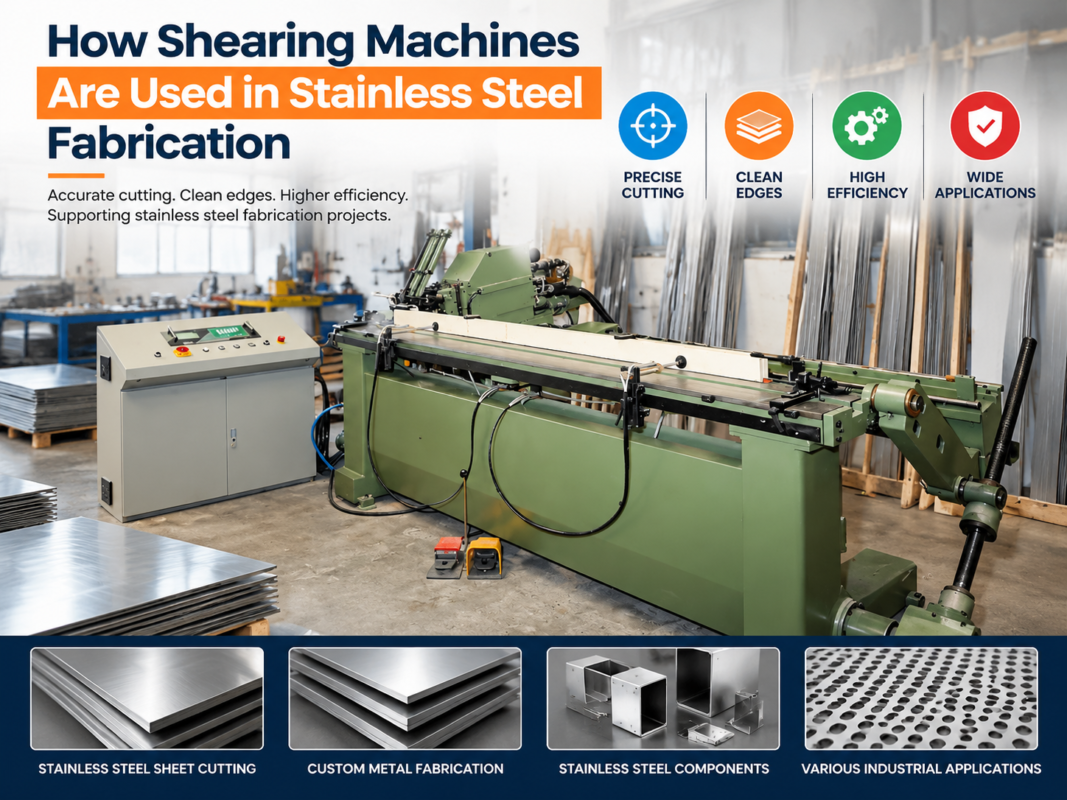
Yes, but you must ensure the machine is rated for it. Stainless steel is much harder than mild steel. Typically, a machine’s capacity is rated for mild steel (e.g., 6mm). When cutting stainless steel, that capacity is usually reduced by about 50% (e.g., to 3mm). You also need blades specifically designed for high-strength materials, such as those made from Cr12MoV.
What is the purpose of the rake angle?
The rake angle is the angle of the upper blade relative to the lower blade. A higher rake angle reduces the force required to cut the metal, allowing the machine to cut thicker plates. However, a high rake angle can cause thin strips of metal to twist or bow. Guillotine shears allow you to adjust this angle to find the perfect balance between cutting power and part quality.
Why is blade gap adjustment important?
The blade gap is the distance between the upper and lower blades as they pass each other. If the gap is too wide, the metal will bend rather than cut, leaving a large burr. If the gap is too tight, the blades can clash, causing damage to the machine and the blades. Proper adjustment based on material thickness ensures a clean, square cut and prolongs the life of the machine.
What kind of maintenance does a hydraulic shearing machine require?
Regular maintenance includes checking hydraulic oil levels, inspecting hoses for leaks, lubricating moving parts like the backgauge and guides, and ensuring all bolts are tightened. It is also important to keep the machine clean of metal dust and debris, which can cause premature wear on the hydraulic seals and mechanical components.
Is CNC control necessary for a shearing machine?
While not strictly necessary for simple jobs, CNC control significantly increases efficiency for operations that require frequent changes in cut lengths or material thicknesses. A CNC controller can store programs, automatically adjust the backgauge, and even suggest the optimal blade gap and rake angle, reducing human error and setup time.