CNC Shearing Machine Cost Guide for Precision Sheet Metal Cutting


Price Range Overview: Understanding the Investment
Investing in a high-quality CNC shearing machine is a significant capital expenditure for any metal fabrication facility. The CNC shearing machine cost for precision sheet metal cutting varies widely based on the machine’s capacity, automation level, and brand reputation. Generally, entry-level hydraulic swing beam shears can start as low as $15,000 for basic manual-backgauge models, while high-end, fully automated CNC guillotine shears with advanced material handling systems can exceed $150,000 or more.
For small to medium-sized workshops, a mid-range CNC shearing machine typically falls within the $30,000 to $60,000 bracket. These machines offer a balance of precision, speed, and durability, making them ideal for standard industrial applications. It is crucial to view this cost not merely as an expense, but as a long-term investment in production efficiency and output quality.
When evaluating the market, buyers must distinguish between light-duty machines designed for occasional use and heavy-duty industrial shears built for 24/7 operation. The price gap between these two categories is substantial, driven by the quality of the hydraulic components, the rigidity of the frame, and the sophistication of the CNC controller. HARSLE provides a range of solutions tailored to different production scales, ensuring that businesses can find a machine that fits their budget without compromising on essential precision.
Market fluctuations, raw material costs for steel, and the integration of advanced electronics also influence the final price. As technology advances, the cost of entry for CNC-controlled systems has become more accessible, allowing smaller shops to compete with larger manufacturers. Understanding these price tiers is the first step in making an informed procurement decision for your fabrication shop.
Main Cost Drivers: What Influences the Price?
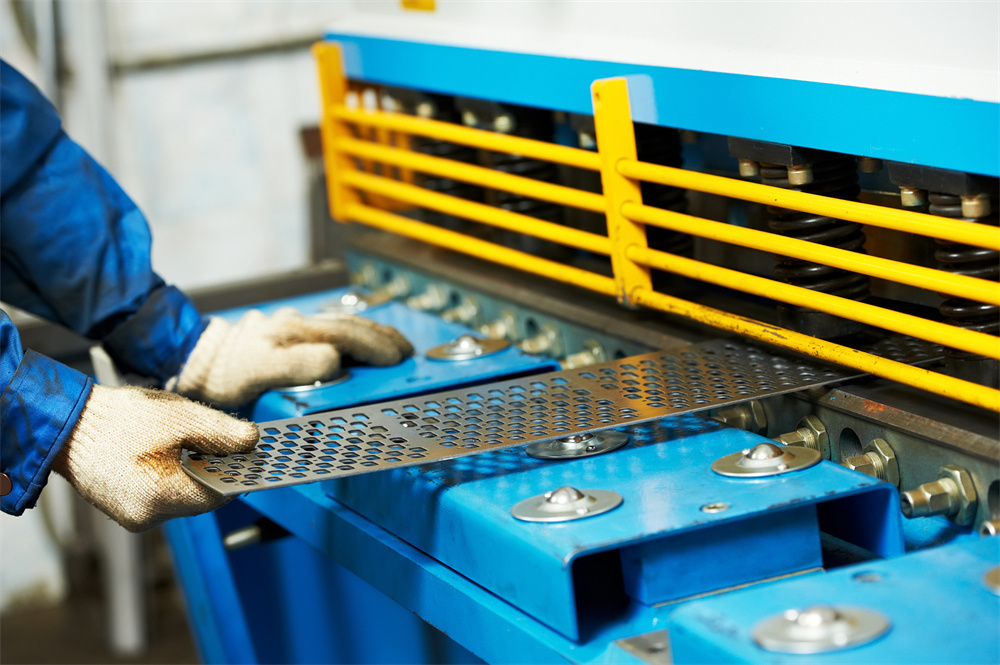
Several technical factors dictate the final price of a CNC shearing machine. The most significant driver is the cutting capacity, defined by the maximum thickness and length of the sheet metal the machine can process. A machine designed to cut 20mm thick mild steel requires a much heavier frame, more powerful hydraulic cylinders, and higher-grade blades compared to a machine limited to 6mm thickness.
The type of shearing mechanism—swing beam versus guillotine—also impacts the cost. Swing beam shears are generally more cost-effective and suitable for general-purpose cutting, while guillotine shears offer superior precision and vertical cutting angles, which are necessary for high-precision sheet metal cutting. The guillotine design is inherently more expensive due to the complex guide systems required to maintain blade clearance throughout the entire stroke.
Automation features represent another major cost component. A basic machine with a manual backgauge is significantly cheaper than one equipped with a programmable CNC controller that manages blade gap adjustment, cutting angle, and backgauge positioning. Advanced CNC systems allow for faster setup times, reduced scrap rates, and higher repeatability, which justifies the higher upfront cost for high-volume production environments.
Finally, the quality of the components—such as hydraulic valves, electrical sensors, and the blade material—plays a critical role. Premium brands utilize components from reputable global suppliers, ensuring longer service life and easier maintenance. While cheaper alternatives may exist, they often lead to higher long-term costs due to frequent breakdowns and poor cutting accuracy, which can compromise the quality of the final product.
Configuration Impact: Customizing for Precision
Customization is a key aspect of the CNC shearing machine cost guide for precision sheet metal cutting. Many manufacturers offer modular configurations that allow buyers to tailor the machine to their specific workflow. For instance, adding a pneumatic sheet support system is essential for thin sheets to prevent sagging and ensure a clean, accurate cut. This addition adds to the initial price but significantly improves the quality of thin-gauge metal processing.
The choice of blade material is another configuration factor. Standard blades are suitable for mild steel, but if your shop frequently processes stainless steel or high-tensile materials, you will need specialized, hardened blades. These blades are more expensive but offer better wear resistance and longevity, reducing the frequency of blade sharpening or replacement, which is a significant operational cost.
Integration with other machinery, such as automatic loading and unloading systems, can transform a standalone shear into a fully automated production cell. While this dramatically increases the initial investment, it reduces labor costs and increases throughput. For high-precision sheet metal cutting, the ability to program the blade gap and cutting angle via the CNC controller is non-negotiable. Machines that offer automatic adjustment of these parameters are more expensive but are vital for shops that handle a wide variety of material thicknesses.
Safety features also impact the configuration cost. Modern CNC shears are equipped with light curtains, laser scanners, and interlocked guarding systems to protect operators. While these features are standard on many high-end models, they can be added as optional upgrades to base models. Investing in advanced safety systems is not just a regulatory requirement; it is a critical component of risk management that prevents costly accidents and downtime.

Hidden Costs: Beyond the Sticker Price
When budgeting for a CNC shearing machine, it is easy to focus solely on the purchase price. However, there are several hidden costs that must be accounted for to get a true picture of the investment. Installation and commissioning are the first of these. Large industrial shears require professional installation, which may involve specialized rigging, electrical wiring, and foundation preparation. If your floor is not level or lacks the necessary load-bearing capacity, you may face additional civil engineering costs.
Training is another often-overlooked expense. Even the most advanced CNC shearing machine is only as effective as the operator using it. Investing in comprehensive training for your staff ensures that they can maximize the machine’s capabilities, maintain it properly, and troubleshoot minor issues. This training can be provided by the manufacturer or a third-party service provider, and it should be factored into your initial budget.
Maintenance and consumables represent ongoing costs that can accumulate over time. Blades need regular sharpening or replacement, and hydraulic fluids, filters, and seals require periodic maintenance. Additionally, if the machine experiences a breakdown, the cost of spare parts and service technician visits can be substantial. It is advisable to negotiate a service contract or a comprehensive warranty package at the time of purchase to mitigate these risks.
Energy consumption and floor space utilization are also indirect costs. High-performance machines require significant power, and inefficient machines can lead to higher utility bills. Furthermore, the footprint of the machine, including the space required for material handling and operator movement, should be considered. Optimizing your shop layout to accommodate the machine efficiently can save money in the long run by reducing material handling time and improving workflow.
ROI Calculation: Justifying the Investment
Calculating the Return on Investment (ROI) for a CNC shearing machine involves analyzing both direct and indirect financial benefits. The most obvious benefit is the increase in production capacity. By automating the cutting process, you can process more sheets per hour compared to manual or semi-automatic methods. This increased throughput translates directly into higher revenue potential.
Precision is another major factor in ROI. A high-quality CNC shear reduces material waste by ensuring accurate cuts, which minimizes the need for rework or scrapping of expensive raw materials. In industries where material costs are high, such as stainless steel or aluminum fabrication, even a small reduction in scrap rates can lead to significant annual savings. The consistency provided by CNC control also ensures that every part meets quality standards, reducing the risk of customer rejections.
Labor savings are also a critical component of the ROI calculation. A CNC shearing machine requires less operator intervention and skill compared to manual shears. This allows your skilled labor to focus on more complex tasks, such as welding or assembly, while the shear handles the repetitive cutting work. Over time, the reduction in labor hours per unit produced contributes to a lower cost per part, improving your competitive edge in the market.
Finally, consider the long-term value of the equipment. A well-maintained, high-quality CNC shearing machine from a reputable manufacturer like HARSLE retains its value better than cheaper, lower-quality alternatives. When it comes time to upgrade or expand, a high-quality machine can be sold on the secondary market, providing a partial recovery of the initial investment. When you combine increased throughput, reduced waste, lower labor costs, and potential resale value, the ROI of a precision CNC shear becomes clear.
Buying Advice: Selecting the Right Machine
Choosing the right CNC shearing machine requires a thorough assessment of your current and future production needs. Start by defining the maximum material thickness, length, and type of metal you intend to cut. It is often wise to purchase a machine with slightly more capacity than your current requirements to allow for future business growth and the ability to take on more challenging projects.
Evaluate the manufacturer’s support network. A machine is only as good as the service behind it. Look for companies that offer local technical support, readily available spare parts, and comprehensive training programs. HARSLE prides itself on providing excellent customer support, ensuring that our clients can maintain high uptime and productivity throughout the life of their equipment.
Request demonstrations and test cuts. Before making a final decision, ask the supplier to perform test cuts on the specific materials you use most frequently. This will allow you to evaluate the machine’s precision, edge quality, and ease of use in a real-world scenario. Pay close attention to the user interface of the CNC controller—is it intuitive? Does it allow for quick job setup? These factors will significantly impact your daily operations.
Finally, consider the total cost of ownership rather than just the initial price. A slightly more expensive machine that is more energy-efficient, requires less maintenance, and produces less scrap will almost always be more cost-effective over its lifespan. Consult with industry peers, read reviews, and compare specifications carefully. By taking a methodical approach to your purchase, you can ensure that your investment in a CNC shearing machine will pay dividends for years to come.
FAQ: Common Questions About Shearing Machines
- What is the difference between a swing beam and a guillotine shear? A swing beam shear uses a pivoting upper blade, which is simpler and more cost-effective. A guillotine shear uses a vertical cutting motion, providing higher precision and less distortion, making it ideal for high-precision sheet metal cutting.
- How often should I sharpen my shearing blades? The frequency depends on the material type, thickness, and volume of work. Generally, blades should be inspected every few months. Signs that sharpening is needed include burrs on the cut edge or increased cutting force.
- Can a CNC shearing machine cut non-metallic materials? Most industrial shearing machines are designed specifically for metal. Cutting non-metallic materials can damage the blades and the machine’s hydraulic system. Always consult the manufacturer’s specifications.
- What is the most important factor when buying a shearing machine? Precision and reliability are paramount. A machine that is accurate and rarely breaks down will provide the best long-term value for your business.
- How do I maintain my CNC shearing machine? Regular maintenance includes checking hydraulic oil levels, cleaning the blade area, lubricating moving parts, and ensuring the CNC controller software is updated. Follow the manufacturer’s maintenance schedule strictly.