Common Shearing Machine Applications for Precision Sheet Metal Cutting


Introduction to Precision Shearing in Modern Manufacturing
In the vast landscape of metal fabrication, the shearing machine stands as a fundamental pillar of production. Whether you are operating a small-scale workshop or a massive industrial plant, the ability to transform large metal sheets into precise, manageable components is essential. Common Shearing Machine Applications Precision Sheet Metal Cutting encompass a wide variety of industries, from automotive and aerospace to construction and consumer electronics. At HARSLE, we understand that the quality of the final product begins with the accuracy of the initial cut. A shearing machine, often referred to as a squaring shear or power shear, utilizes a moving blade and a fixed blade to apply a high-pressure cutting force, resulting in a clean, straight edge.
The evolution of shearing technology has moved from manual, labor-intensive processes to highly sophisticated CNC-controlled hydraulic systems. This transition has been driven by the increasing demand for tighter tolerances and higher production speeds. Precision sheet metal cutting is no longer just about separating metal; it is about ensuring that every piece is perfectly square, burr-free, and ready for subsequent processes like bending, welding, or assembly. In this comprehensive guide, we will explore the diverse applications of these machines and the technical nuances that make them indispensable in the modern industrial era.
Key Considerations for Precision Sheet Metal Cutting
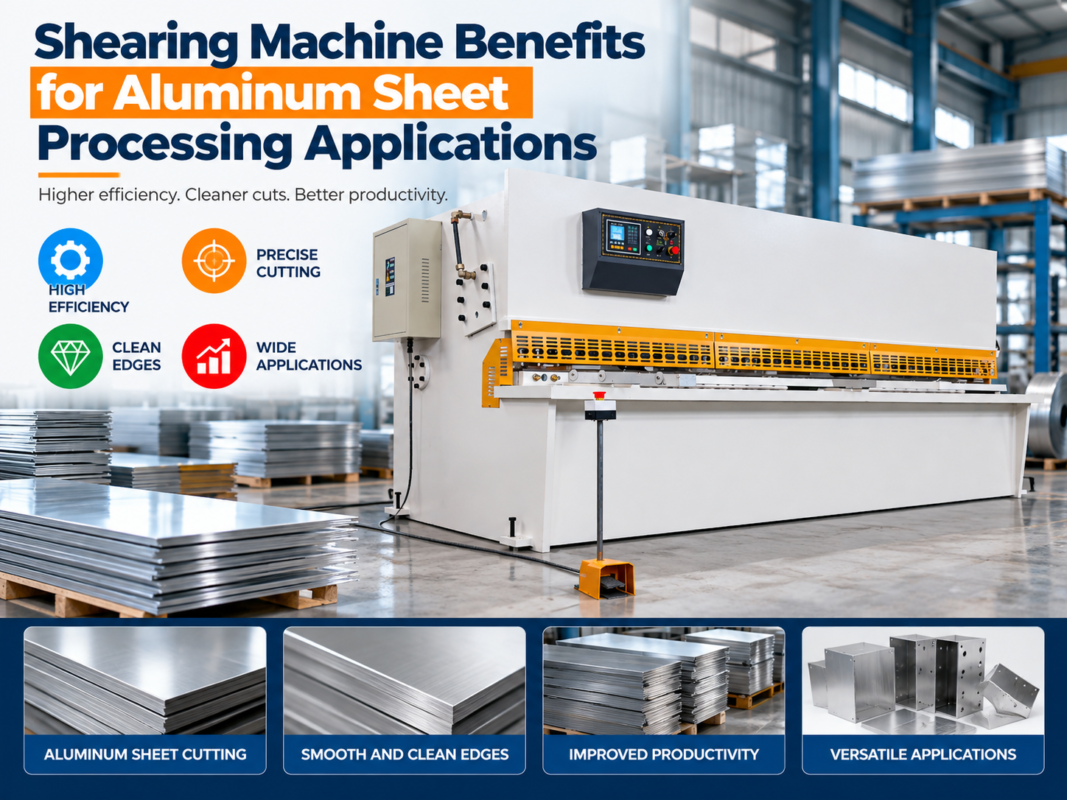
Achieving excellence in Common Shearing Machine Applications Precision Sheet Metal Cutting requires a deep understanding of several critical factors. The first and perhaps most important consideration is material compatibility. Different metals, such as stainless steel, aluminum, and carbon steel, exhibit varying levels of tensile strength and ductility. A machine set up for mild steel may struggle with the hardness of stainless steel or the softness of aluminum, leading to blade wear or material deformation. Operators must adjust the blade clearance—the gap between the upper and lower blades—based on the thickness and type of material being processed.
Another vital factor is the rake angle, which is the angle of the upper blade relative to the lower blade. A higher rake angle reduces the force required to cut thicker materials but can increase the risk of ‘bowing’ or ‘twisting’ in the cut piece. Conversely, a lower rake angle provides a flatter cut but requires significantly more hydraulic pressure. Modern HARSLE machines often feature adjustable rake angles to provide the best of both worlds. Furthermore, the backgauge system plays a crucial role in repeatability. For precision applications, a CNC-controlled backgauge ensures that every cut is identical, minimizing waste and maximizing efficiency across large production runs.
Environmental factors and maintenance also influence cutting precision. Thermal expansion of the blades during long shifts can affect tolerances, necessitating cooling systems or periodic adjustments. Regular lubrication of the guideways and sharpening of the blades are non-negotiable tasks for any facility aiming for high-precision output. By addressing these considerations, manufacturers can ensure that their shearing operations remain consistent, cost-effective, and capable of meeting the most demanding client specifications.
Technical Details of Modern Shearing Machines
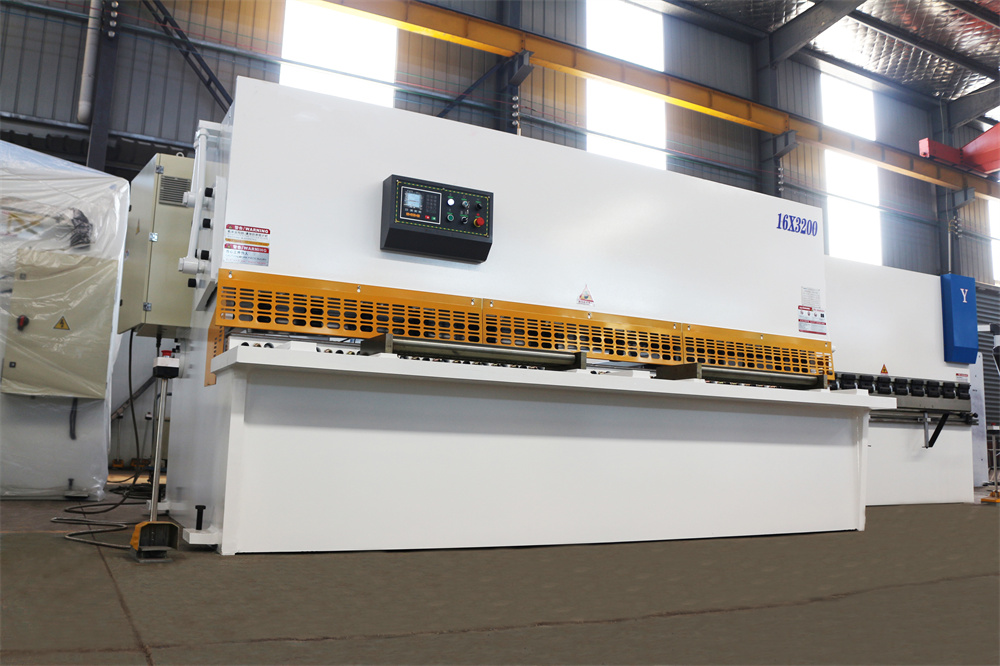
To understand the scope of Common Shearing Machine Applications Precision Sheet Metal Cutting, one must look under the hood of the machinery. Modern shearing machines are generally categorized into two main types: Swing Beam Shears and Guillotine Shears. Swing beam shears utilize a pivoting upper blade that moves in an arc. This design is robust and simple, making it ideal for many standard fabrication tasks. Guillotine shears, on the other hand, feature an upper blade that moves vertically in a straight line. This vertical movement allows for easier adjustment of the rake angle and generally provides higher precision for thicker materials.
The hydraulic system is the heart of the machine. High-quality valves, pumps, and cylinders ensure that the pressure is applied evenly across the entire length of the blade. Without uniform pressure, the sheet metal may slip or the cut may become uneven. To prevent material movement during the cut, hydraulic hold-downs are employed. These cylinders exert downward pressure on the sheet just before the blade descends, locking it firmly in place. This is particularly important when working with polished materials where any movement could result in surface scratches or inaccuracies.

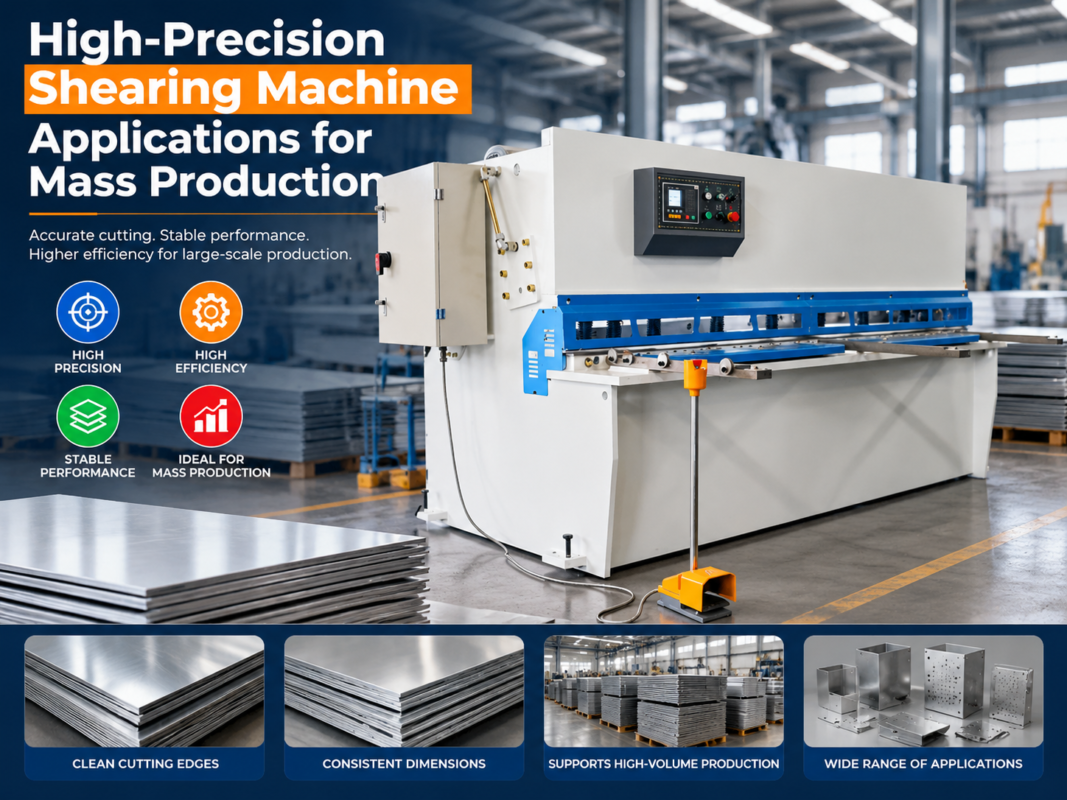
Control systems have also seen massive upgrades. Modern CNC interfaces allow operators to program multiple cut lengths, quantities, and even blade gap settings from a single touch screen. This reduces setup time and eliminates the human error associated with manual measurements. Safety features, such as light curtains, emergency stop buttons, and rear safety fences, are integrated into the machine’s logic to protect operators without hindering productivity. These technical advancements ensure that the shearing machine remains a safe, efficient, and highly accurate tool in the fabrication shop.
Common Shearing Machine Applications in Industry
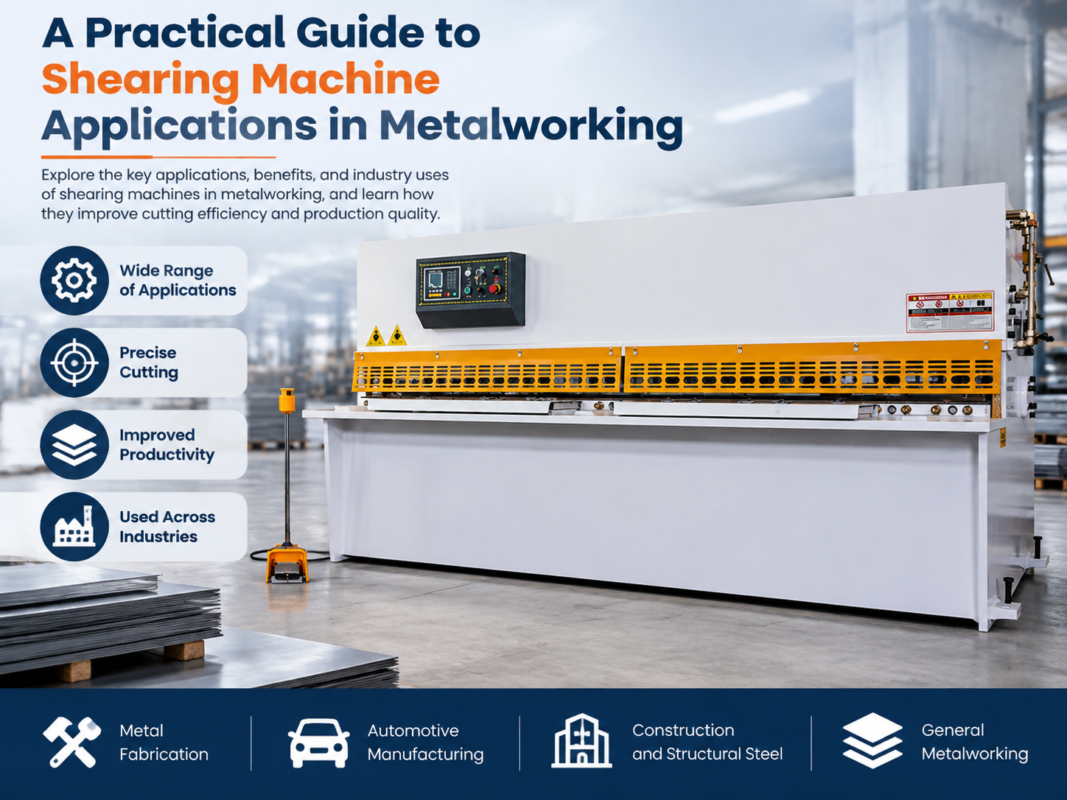
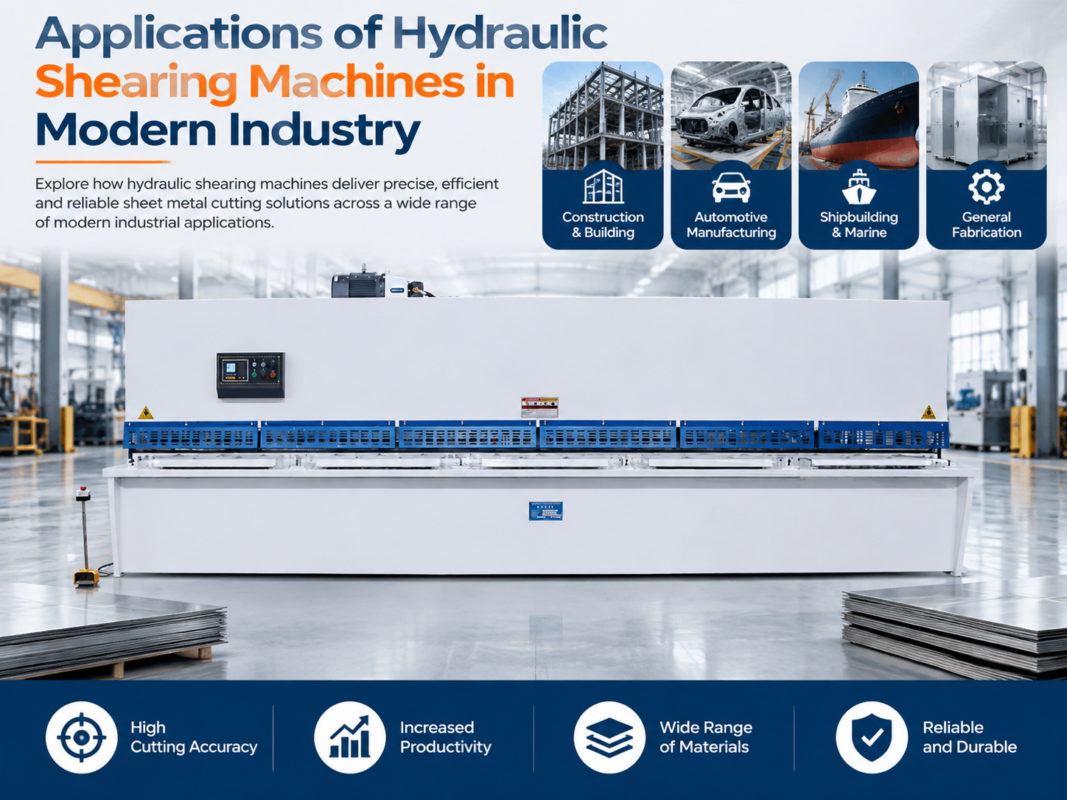
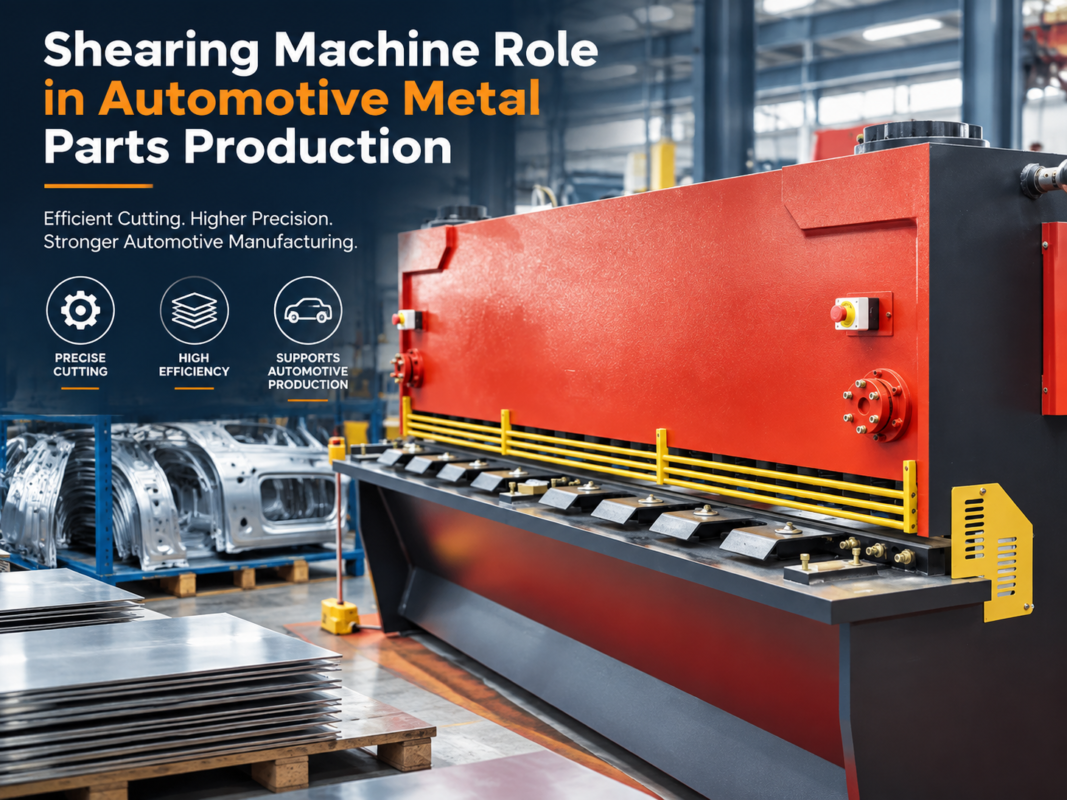
The versatility of shearing machines allows them to serve a multitude of sectors. One of the most prominent Common Shearing Machine Applications Precision Sheet Metal Cutting is in the Automotive Industry. Car manufacturers and tier-one suppliers use shearing machines to cut body panels, chassis components, and internal structural reinforcements. The high volume of parts required in automotive assembly lines demands machines that can operate continuously while maintaining strict dimensional tolerances. Precision is key here, as even a millimeter of deviation can lead to alignment issues during the robotic welding process.
In the Aerospace Sector, the requirements are even more stringent. Aerospace components often use specialized alloys like titanium or high-grade aluminum. Shearing machines in this industry are used to create the skins for aircraft wings and fuselages, as well as various internal brackets and housings. The focus is on achieving a burr-free edge to prevent stress fractures in the metal, which could be catastrophic in flight. The ability of HARSLE machines to provide clean, precise cuts makes them a preferred choice for aerospace fabricators.
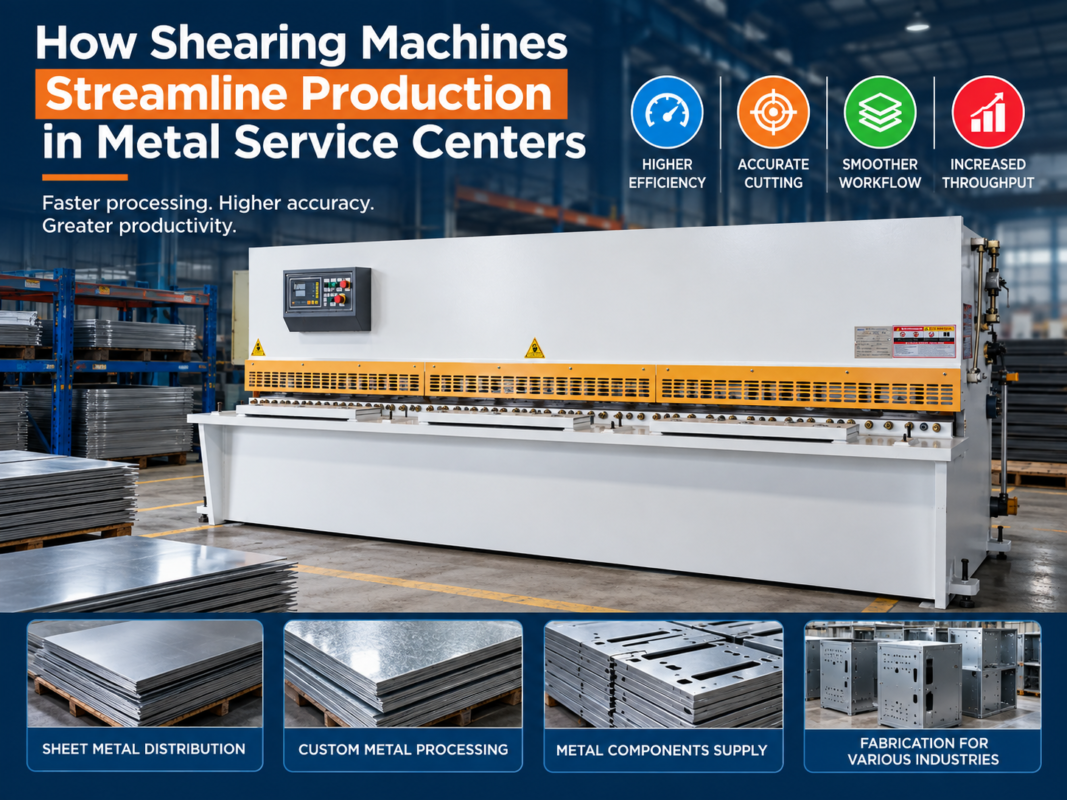
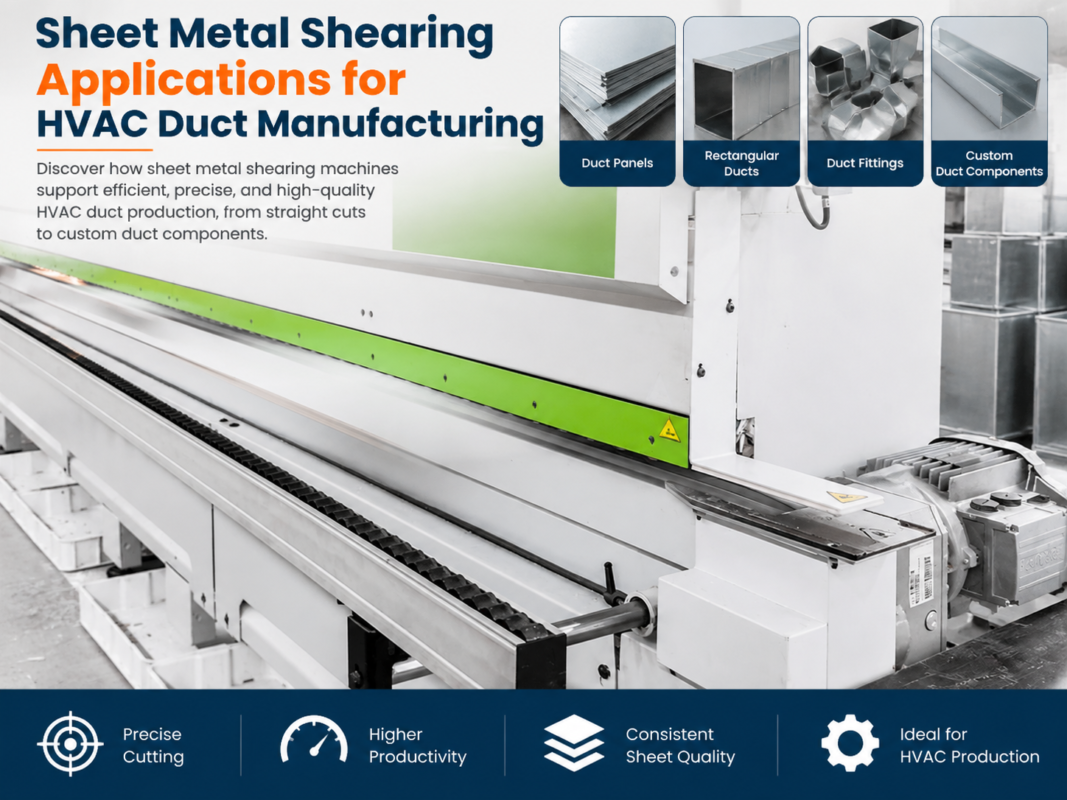
The HVAC and Ductwork Industry relies heavily on shearing for the production of ventilation shafts, air conditioning units, and furnace housings. Because these products often involve long, straight sections of galvanized steel, the shearing machine is the most efficient tool for the job. Similarly, in the Construction and Architecture fields, shearing machines are used to produce roofing panels, wall cladding, and structural steel plates. The speed of shearing compared to laser or plasma cutting makes it the go-to method for high-volume production of straight-edged components.
Other notable applications include:
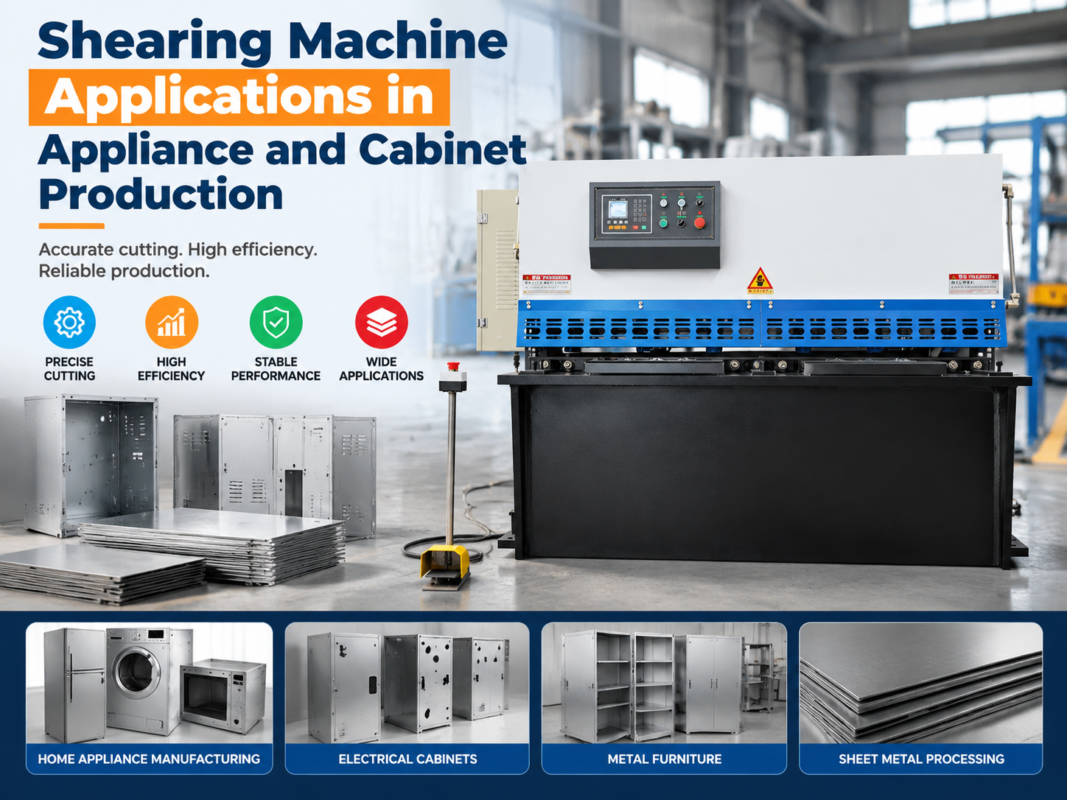
- Kitchenware and Appliances: Cutting stainless steel for refrigerators, ovens, and sinks.
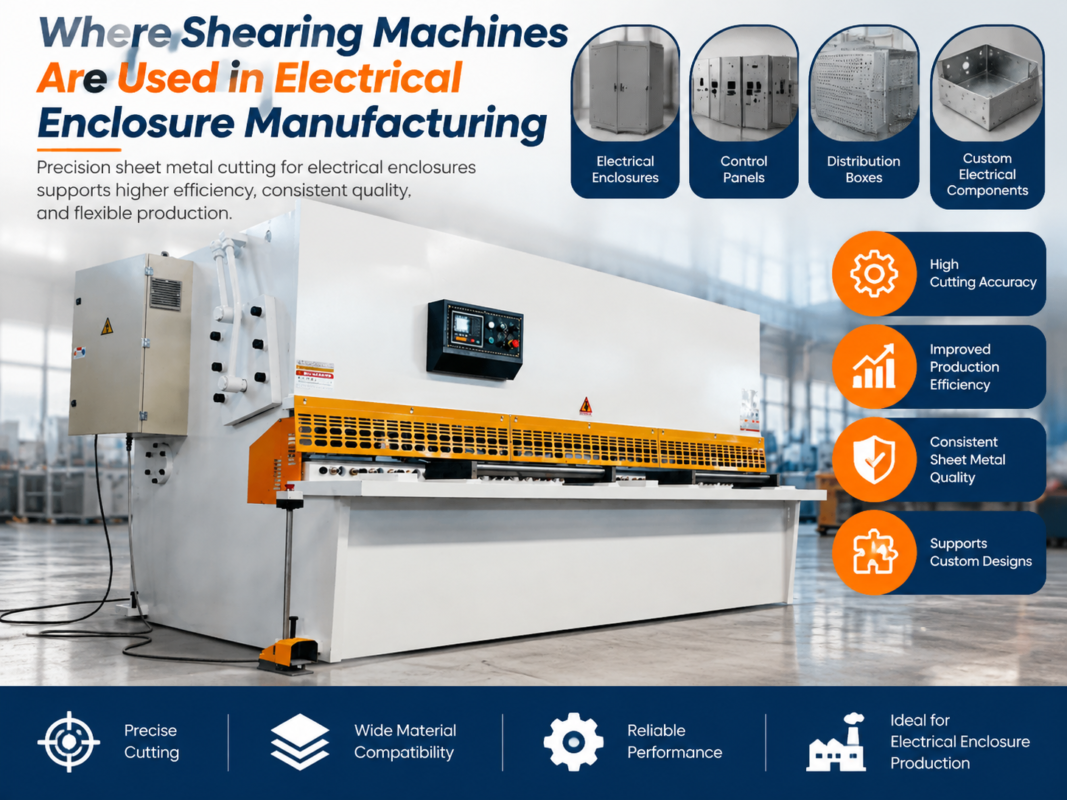
- Electrical Enclosures: Creating the panels for control boxes and server racks.
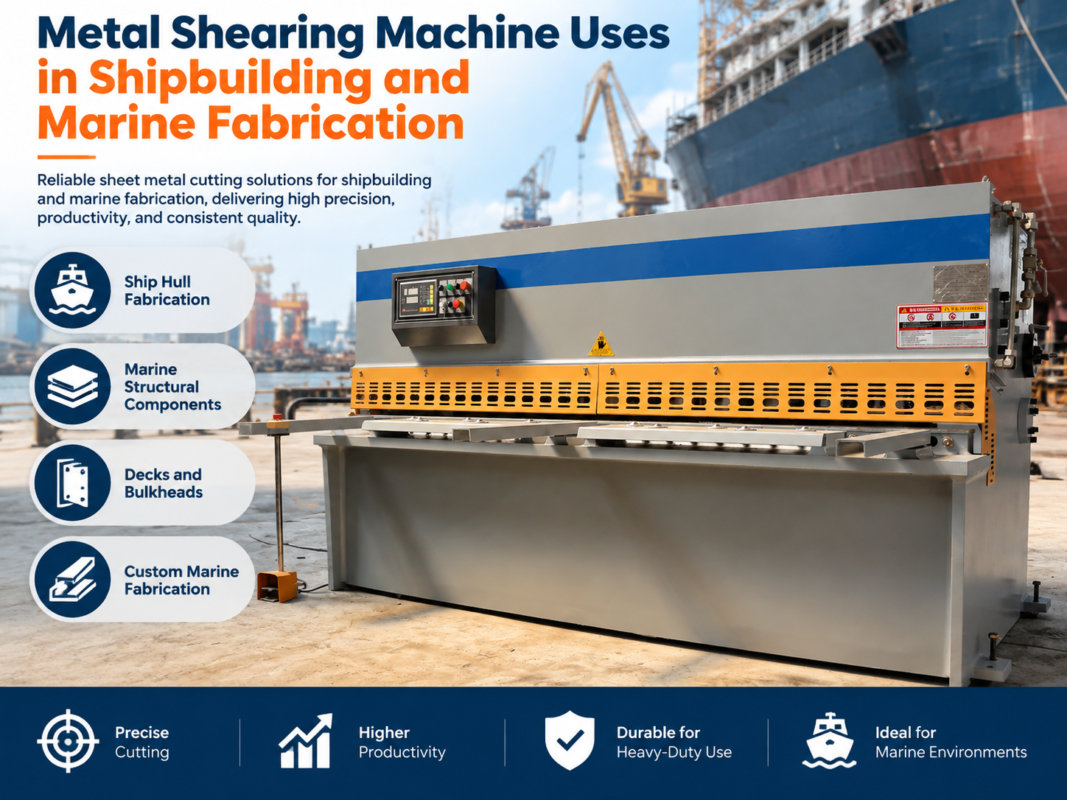
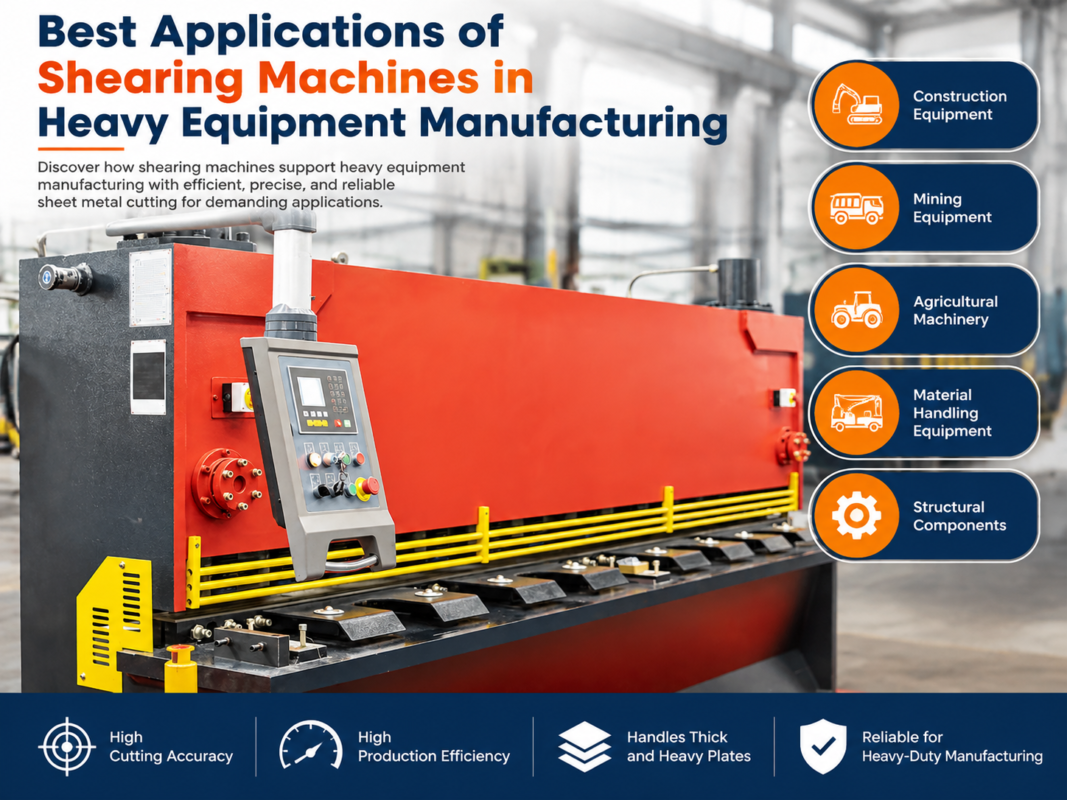
- Shipbuilding: Processing large, thick steel plates for hulls and decks.
- Furniture Manufacturing: Cutting metal frames for desks, chairs, and shelving units.
Selection Advice: Choosing the Right Shearing Machine
Selecting the appropriate equipment for Common Shearing Machine Applications Precision Sheet Metal Cutting involves more than just looking at the price tag. The first step is to define your maximum material thickness and width. It is always advisable to choose a machine with a capacity slightly higher than your thickest material to avoid straining the hydraulic system and to ensure a cleaner cut. For example, if you primarily cut 6mm mild steel, a 10mm capacity machine will provide greater longevity and better edge quality.
Consider the level of automation required for your workflow. If your shop produces a wide variety of small-batch parts, a CNC-controlled backgauge with a memory function will save hours of setup time. However, for a facility that cuts the same size sheet all day, a simpler NC control might suffice. You should also evaluate the blade material. High-carbon, high-chrome blades are standard for most applications, but if you are cutting a lot of stainless steel, you may need specialized blades designed to handle the increased toughness of the material.
Don’t overlook the importance of after-sales support and parts availability. A shearing machine is a long-term investment, and having access to expert technicians and genuine replacement parts is crucial for minimizing downtime. HARSLE provides comprehensive support to ensure your machine stays in peak condition. Finally, consider the footprint of the machine. Ensure your workshop has adequate space not only for the machine itself but also for the material handling equipment, such as forklifts or sheet loaders, that will be required to feed the shear.
Frequently Asked Questions (FAQ)
1. What is the difference between a swing beam and a guillotine shear?
A swing beam shear has an upper blade that moves in a circular arc, which is simpler and often more affordable. A guillotine shear moves the blade in a straight vertical line, allowing for adjustable rake angles and generally providing higher precision on thicker materials.
2. How often should I sharpen the blades on my shearing machine?
The frequency of sharpening depends on the material type and volume of use. Generally, if you notice increased burrs on the edges of your cuts or if the machine requires more pressure to cut the same material, it is time to inspect and likely rotate or sharpen the blades. Most blades have four cutting edges that can be rotated before needing a full regrind.
3. Can a shearing machine cut stainless steel?
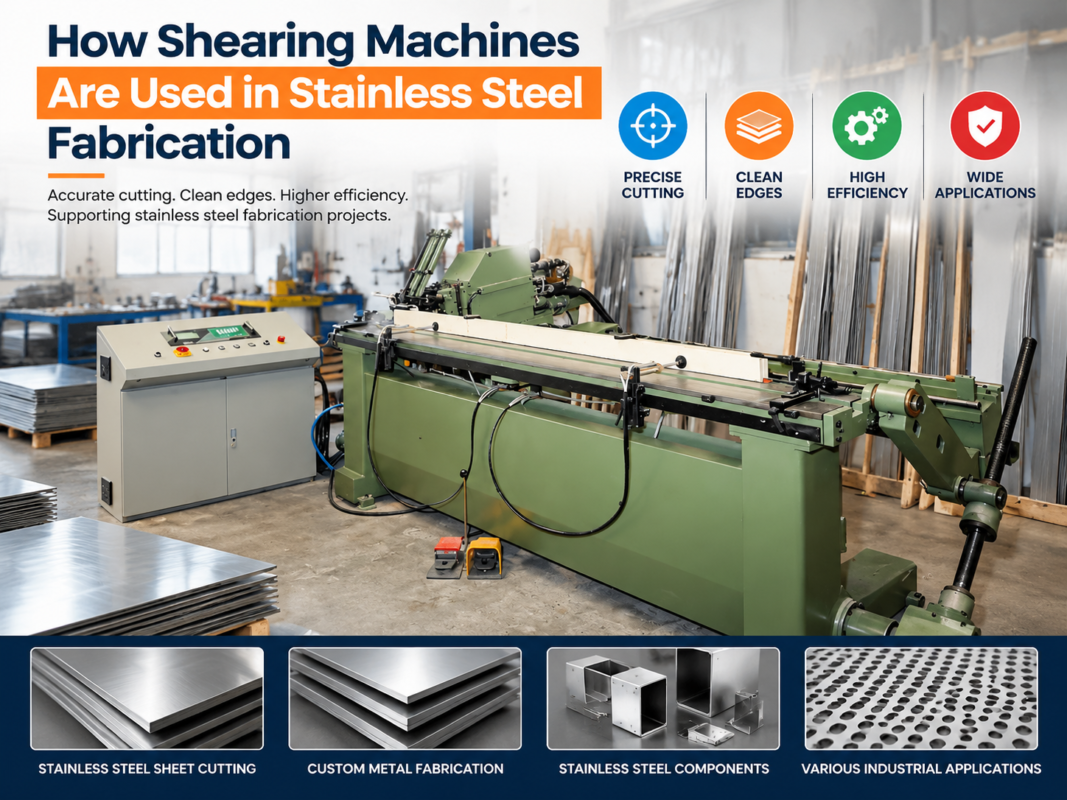
Yes, but it requires specific considerations. Stainless steel is much harder than mild steel, so the machine’s capacity is usually rated lower for stainless. You must also ensure the blade clearance is set correctly and that the blades are made of a grade suitable for stainless steel to prevent premature dulling.
4. Why is my sheet metal twisting after being cut?
Twisting is often caused by an incorrect rake angle or improper blade clearance. If the rake angle is too high for a thin material, it can cause the strip to twist. Adjusting the rake angle to a lower setting and ensuring the backgauge is square can help eliminate this issue.
5. What maintenance is required for a hydraulic shearing machine?
Key maintenance tasks include checking hydraulic oil levels and quality, lubricating all grease points, inspecting the blades for chips or dullness, and ensuring the backgauge remains calibrated. Regular maintenance prevents unexpected breakdowns and maintains cutting precision.
Conclusion: The Future of Shearing Technology
The role of Common Shearing Machine Applications Precision Sheet Metal Cutting in the industrial world cannot be overstated. As we have explored, these machines are the workhorses of the fabrication industry, providing the essential first step for countless products we use every day. From the cars we drive to the buildings we inhabit, the precision of a shearing machine’s cut is woven into the fabric of modern life. As technology continues to advance, we can expect even greater integration of AI and IoT in shearing machines, allowing for predictive maintenance and even more precise automated adjustments.
Choosing a HARSLE shearing machine means investing in a legacy of engineering excellence and a future of manufacturing efficiency. By understanding the technical requirements of your specific applications and selecting the right machine for the job, you can ensure that your production line remains competitive, accurate, and profitable. Whether you are cutting thin aluminum for electronics or thick steel for heavy machinery, the right shearing solution is the foundation of your success. Precision is not just a goal; it is a requirement, and with the right equipment, it is entirely achievable.