How to Fix Laser Cutting Machine Dross Buildup for Cleaner Metal Parts


Introduction
In the high-precision world of metal fabrication, achieving a clean, burr-free edge is the hallmark of quality. However, many operators frequently encounter the challenge of dross—the solidified molten metal that clings to the underside of a cut. When you need to know how to fix laser cutting machine dross buildup for cleaner metal parts, you are essentially looking at a combination of gas pressure, focal point calibration, and feed rate optimization. At KAVDO, we understand that downtime caused by secondary finishing processes like grinding or filing is a direct hit to your shop’s profitability.
Dross is not merely an aesthetic issue; it represents an inefficiency in the thermal cutting process. Whether you are working with mild steel, stainless steel, or aluminum, the presence of dross indicates that the molten material was not effectively ejected from the kerf. This guide explores the technical nuances of laser cutting dynamics, providing actionable insights to help you achieve pristine edges on every workpiece.
By mastering the variables of your laser cutting machine, you can transition from reactive maintenance to proactive process control. This article serves as an industrial-grade resource for operators and shop managers looking to optimize their production lines. We will delve into the physics of the cut, the importance of nozzle selection, and the critical role of gas purity in ensuring your parts meet the highest industrial standards.
Key Considerations for Dross Prevention
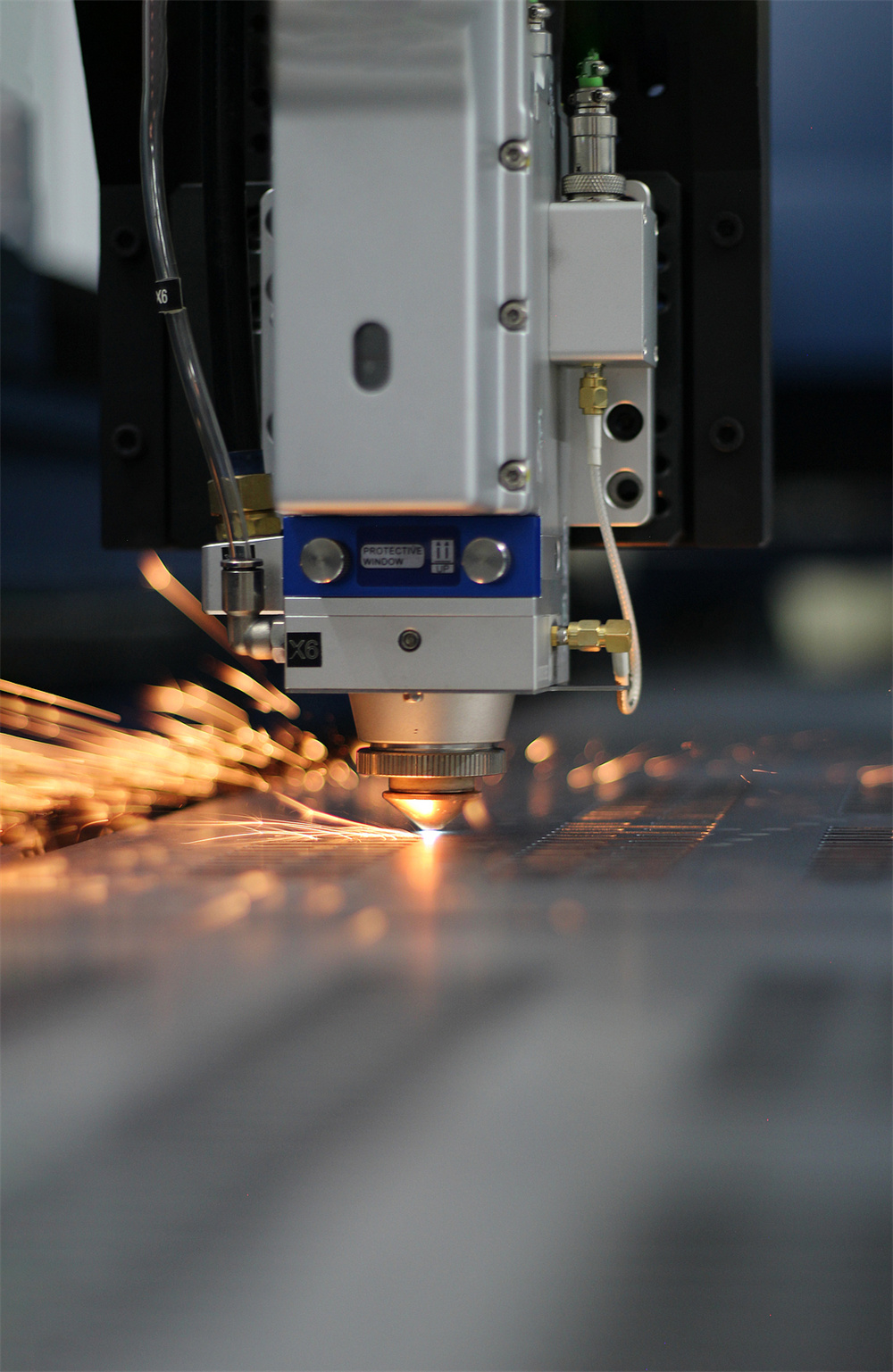
The first step to fix laser cutting machine dross buildup for cleaner metal parts is understanding the relationship between the laser beam and the assist gas. The assist gas serves two primary functions: it protects the lens from debris and, more importantly, it blows the molten metal out of the cut path. If the gas pressure is too low, the molten material remains in the kerf and solidifies on the bottom edge. Conversely, if the pressure is too high, it can cause turbulence, leading to uneven cutting and potential dross formation.
Material quality also plays a significant role. Impurities in the metal, such as high sulfur or silicon content, can alter the viscosity of the molten metal, making it harder to eject. Always ensure that your raw material is free from heavy rust, scale, or oil, as these contaminants interfere with the laser’s energy absorption and the assist gas’s ability to clear the kerf. A consistent supply of high-purity nitrogen or oxygen is non-negotiable for high-quality results.
The condition of your consumables is another critical factor. A damaged or worn nozzle will distort the gas flow, creating an asymmetrical jet that fails to clear the material uniformly. Regularly inspecting your nozzle for centering and damage is a simple yet effective way to maintain edge quality. Furthermore, the focal position of the laser beam must be adjusted based on the material thickness; an incorrect focal point will result in a wider kerf, making it significantly harder for the assist gas to remove the molten metal effectively.
Finally, consider the ambient environment of your shop. Temperature fluctuations and humidity can affect the performance of your laser source and the stability of your assist gas delivery. Maintaining a climate-controlled environment for your KAVDO laser cutting machine ensures that the parameters you set at the start of the shift remain consistent throughout the day. By standardizing these environmental and mechanical variables, you create a stable foundation for cleaner metal parts.
Optimizing Cutting Parameters
To effectively fix laser cutting machine dross buildup for cleaner metal parts, you must master the ‘sweet spot’ of your machine’s parameters. The cutting speed is perhaps the most sensitive variable. If the speed is too fast, the laser does not have enough time to melt the material completely, leaving a jagged edge. If the speed is too slow, the laser overheats the material, causing excessive melting and creating a ‘heavy’ dross that is difficult to remove.
The focal point position is equally vital. For thin materials, a focal point slightly above the surface is often preferred to create a narrow, clean cut. For thicker plates, the focal point should be moved deeper into the material to ensure the beam maintains sufficient energy density through the entire thickness of the sheet. Adjusting this parameter requires a systematic approach: start with the manufacturer’s recommended settings and perform test cuts, adjusting in small increments until the dross is minimized.
Assist gas pressure settings should be mapped to your material thickness and type. When cutting stainless steel with nitrogen, high pressure is required to blow away the molten metal before it can oxidize. If you notice dross on the bottom of your stainless steel parts, try increasing the nitrogen pressure slightly or checking for leaks in your gas delivery system. For mild steel cut with oxygen, the pressure is generally lower, as the oxygen assists in the combustion process; here, the focus is on balancing the exothermic reaction with the gas flow.

Nozzle selection is another technical detail that often goes overlooked. The diameter of the nozzle orifice dictates the gas flow velocity. A smaller orifice provides a higher velocity jet, which is excellent for thin sheets, while a larger orifice provides a broader gas stream, which is necessary for thicker materials. Ensure that your nozzle is perfectly centered with the laser beam; even a slight misalignment will cause the gas flow to hit the side of the nozzle, creating turbulence and leading to dross on one side of the cut.
Choosing the Right Equipment
When investing in metal fabrication equipment, the ability to control these parameters is paramount. A high-quality laser cutting machine from KAVDO offers advanced CNC controls that allow for precise, real-time adjustments. When selecting a machine, look for features like automatic nozzle changers and advanced focal height sensors. These features reduce human error and ensure that the machine remains in its optimal operating state throughout the production run.
Consider the power output of the laser source. A machine with insufficient power for your intended material thickness will struggle to maintain the necessary cutting speed, inevitably leading to dross. It is always better to have a slight surplus of power, which allows you to run the machine at its most efficient speed rather than pushing it to its limits. This not only improves edge quality but also extends the lifespan of your laser source and optics.
Software integration is another key selection criterion. Modern laser cutting machines utilize sophisticated nesting and cutting path software that can automatically adjust parameters based on the geometry of the part. For example, the software can slow down the cutting speed at sharp corners to prevent overheating and dross buildup. Investing in a machine with robust software support is one of the most effective ways to fix laser cutting machine dross buildup for cleaner metal parts in a high-volume production environment.
Finally, evaluate the support and training provided by the manufacturer. Even the best machine will produce dross if it is not operated correctly. KAVDO provides comprehensive training programs that cover everything from basic operation to advanced troubleshooting. Choosing a partner who understands the intricacies of laser cutting ensures that you have the technical backup needed to resolve issues quickly and keep your production line moving.
FAQ: Frequently Asked Questions
Why does my laser cut have dross only on one side?
Dross on one side of the cut is almost always caused by a misaligned nozzle. If the laser beam is not perfectly centered in the nozzle orifice, the assist gas flow will be uneven, causing the molten metal to be pushed toward one side of the kerf rather than being ejected cleanly.
How often should I change my laser nozzle?
You should inspect your nozzle daily. If you notice any signs of physical damage, pitting, or if the orifice has become misshapen, replace it immediately. Even if it looks fine, nozzles are inexpensive consumables; replacing them regularly is a cheap insurance policy against poor cut quality.
Does the purity of my nitrogen gas affect dross?
Yes, absolutely. If your nitrogen contains impurities, it can cause oxidation on the edge of the cut, which changes the viscosity of the molten metal and makes it harder to blow away. Always use high-purity nitrogen (99.999% or higher) for the best results in stainless steel cutting.
Can I fix dross by just increasing the speed?
Increasing the speed can help if the dross is caused by overheating, but if you increase it too much, you will create ‘drag lines’ and eventually lose the cut entirely. Speed must be balanced with laser power and gas pressure to achieve the perfect result.
Conclusion
Learning how to fix laser cutting machine dross buildup for cleaner metal parts is a journey of continuous improvement. By focusing on the fundamentals—nozzle alignment, gas pressure, focal point, and cutting speed—you can significantly enhance the quality of your output and reduce the need for costly secondary processing. Remember that every material and thickness requires a unique set of parameters; maintaining a detailed log of your successful settings will save you time and frustration in the long run.
At KAVDO, we are committed to providing the metal fabrication industry with the tools and knowledge necessary to achieve excellence. Whether you are a small job shop or a large-scale manufacturer, the principles outlined in this guide will help you maximize the efficiency of your laser cutting operations. If you continue to experience issues, don’t hesitate to reach out to our technical support team for a deeper analysis of your specific cutting process.
Investing in your process knowledge is just as important as investing in your machinery. By staying informed about the latest advancements in laser technology and adhering to best practices in maintenance and operation, you ensure that your shop remains competitive and capable of delivering the high-quality parts your customers demand. Keep your machine clean, your parameters precise, and your edges burr-free.