New Vs Used Laser Cutting Machine: Which Option Makes More Sense Business?


Introduction: The Strategic Choice of Laser Technology
In the competitive landscape of modern metal fabrication, the decision to invest in a laser cutting machine is often a turning point for a business. Whether you are a small job shop looking to bring production in-house or a large-scale manufacturer expanding your capacity, the central question remains: New Vs Used Laser Cutting Machine: Which Option Makes More Sense Business? This choice involves more than just the initial sticker price; it encompasses long-term operational efficiency, technological longevity, and the total cost of ownership.
The rapid evolution of fiber laser technology over the last decade has significantly shifted the market dynamics. While used machines might offer a lower entry point, the advancements in beam quality, cutting speeds, and energy efficiency found in newer models like those from HARSLE can often outweigh the upfront savings. This article provides a deep dive into the financial and technical considerations of both options to help you determine which path aligns with your specific business goals.
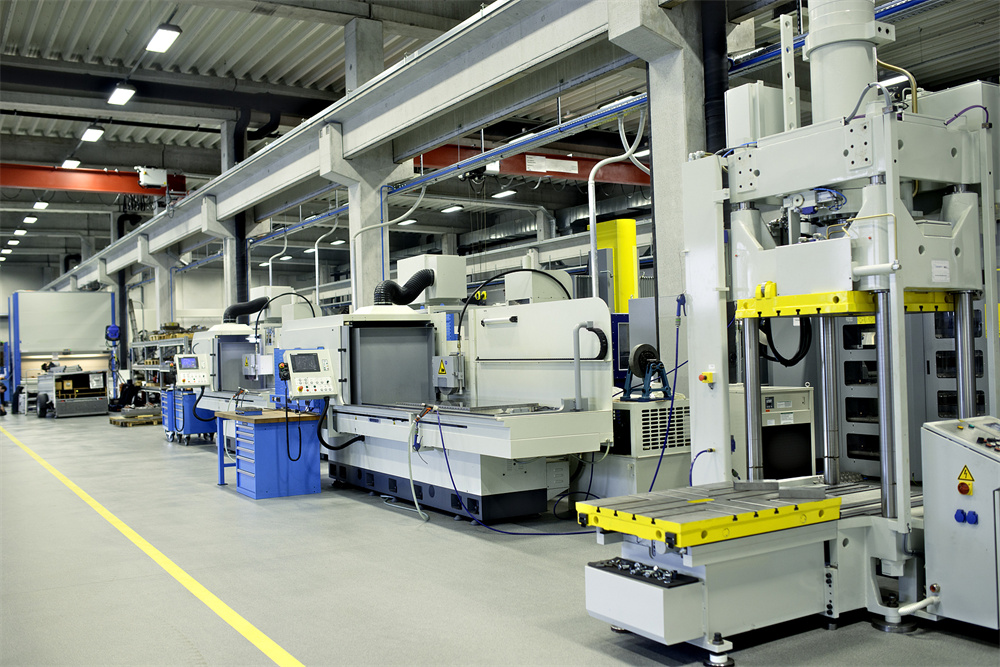
Price Range Overview: Initial Capital Expenditure
When evaluating the financial aspect of the New Vs Used Laser Cutting Machine: Which Option Makes More Sense Business? debate, the initial capital expenditure (CAPEX) is the most visible factor. Generally, a used fiber laser cutting machine can be found for 40% to 70% of the price of a brand-new equivalent. However, this price gap is narrowing as the cost of new fiber laser technology becomes more accessible due to increased competition and manufacturing efficiencies.
For a new entry-level 1kW to 3kW fiber laser machine, prices typically range from $30,000 to $60,000. In contrast, a used machine of similar power might be listed for $15,000 to $35,000. However, the used market is often flooded with older CO2 laser technology, which, while cheaper to buy, carries significantly higher operating costs. High-power machines (12kW and above) represent a larger investment, where a new unit might exceed $150,000, while a used unit from a reputable brand might still command $90,000 or more depending on its age and condition.
It is important to note that the “price” of a used machine rarely includes the costs of decommissioning, shipping, and re-installation. When these are factored in, the price gap between a used machine and a new HARSLE laser cutter—which includes a full warranty and factory support—often becomes negligible. Businesses must weigh the immediate cash flow benefits of a used machine against the comprehensive value package of a new one.
Main Cost Drivers in Laser Cutting Equipment
Understanding what drives the cost of a laser cutting machine is essential for making an informed decision. The most significant cost driver is the laser source itself. In the fiber laser era, the source (such as IPG, Raycus, or Max Photonics) accounts for a substantial portion of the machine’s value. A used machine with a laser source nearing the end of its lifespan (typically 100,000 hours) is a high-risk investment, as replacing the source can cost nearly as much as a new machine.
The second major cost driver is the motion control system, including the CNC controller, servo motors, and precision gear racks. High-end components from brands like Beckhoff or Yaskawa ensure long-term accuracy and speed. Used machines often suffer from wear and tear in these mechanical components, leading to a loss of precision that can result in scrapped parts and lost revenue. New machines come with the latest software and hardware integrations, ensuring peak performance from day one.
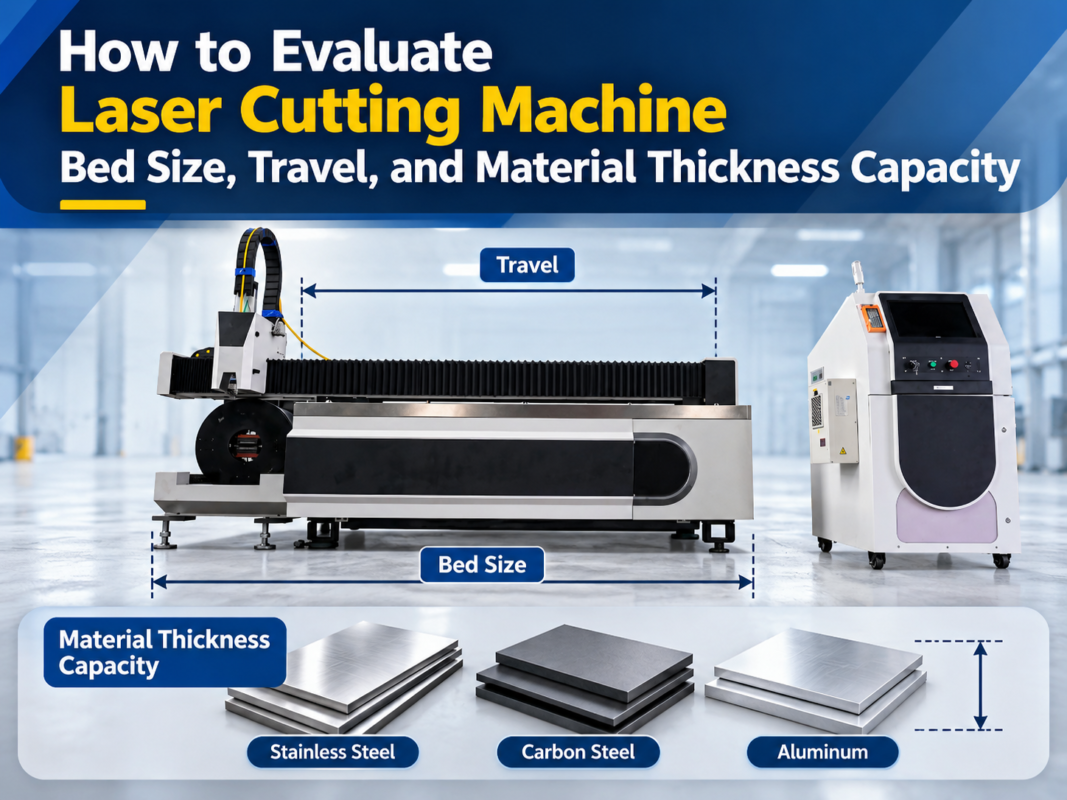
Finally, the frame construction and bed size influence the price. A heavy-duty, heat-treated machine bed is necessary to maintain stability during high-speed cutting. Over time, used machine beds can warp or suffer from structural fatigue if they were not maintained correctly or were operated in harsh environments. Investing in a new machine ensures that the structural integrity is uncompromised, providing a stable foundation for decades of production.
Configuration Impact: Technology and Performance
The configuration of the machine directly impacts its productivity. When asking New Vs Used Laser Cutting Machine: Which Option Makes More Sense Business?, you must consider the technological leap between generations. Modern fiber lasers are significantly more efficient than those produced even five years ago. For instance, a new 6kW fiber laser can often outperform an older 10kW model in terms of cutting speed and edge quality due to improvements in beam delivery and cutting head technology.
Configuration also includes the software ecosystem. New machines come with the latest nesting software, which optimizes material usage and reduces waste. Older used machines may run on outdated software that is no longer supported or is incompatible with modern CAD/CAM files. This can create a bottleneck in your workflow, requiring manual intervention or expensive software upgrades that eat into the initial savings of the used purchase.
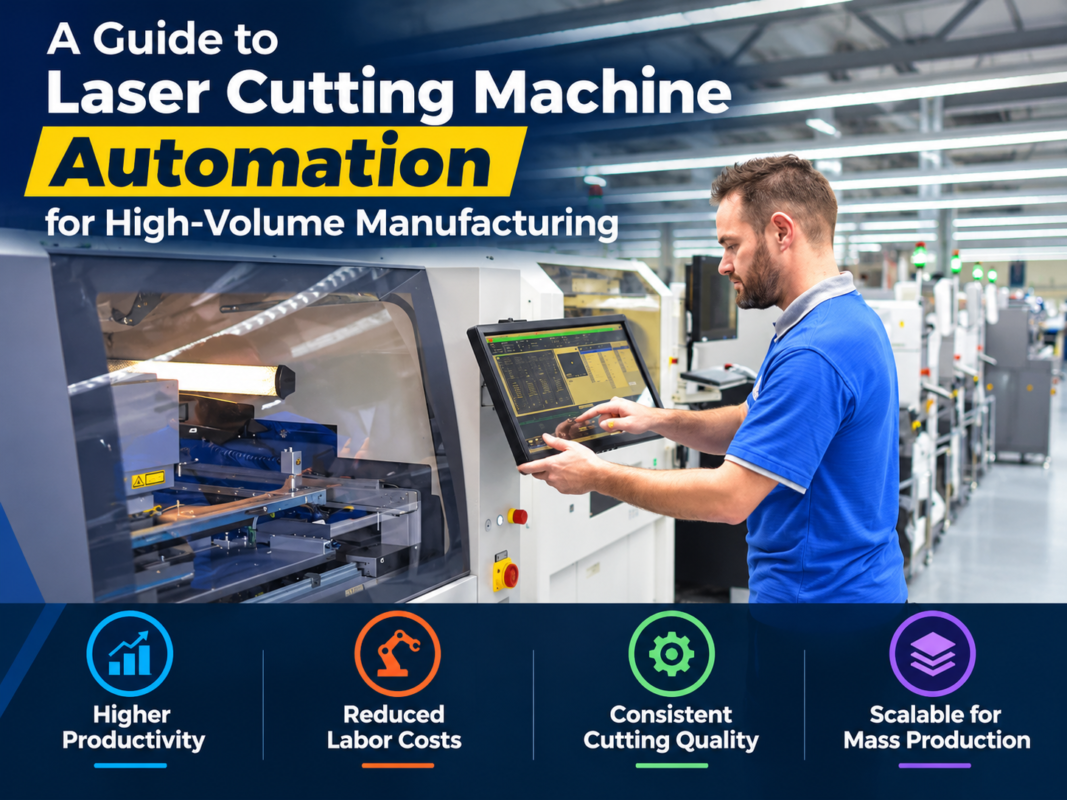
Furthermore, the availability of features like automatic nozzle changers, shuttle tables, and advanced sensor technology for piercing and cutting monitoring are standard on many new HARSLE models. These features significantly reduce downtime and labor costs. A used machine lacking these configurations will require more operator oversight and manual labor, increasing your cost per part over the long term.
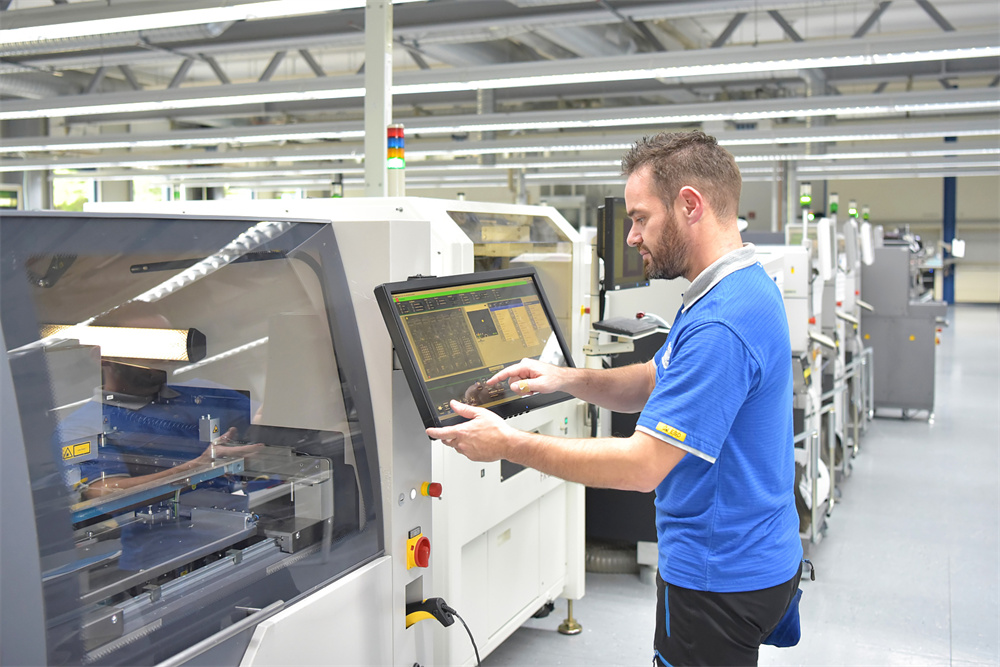
Hidden Costs of Used Machinery
The allure of a low purchase price for a used laser cutting machine often masks several hidden costs. The most prominent is the lack of a manufacturer’s warranty. If a critical component fails within the first month of operation, the repair costs are entirely the responsibility of the buyer. For a laser source or a high-precision cutting head, these repairs can easily run into the tens of thousands of dollars.
Maintenance and spare parts availability is another concern. As machines age, manufacturers may stop producing specific parts, forcing owners to rely on the secondary market or expensive custom-made replacements. Additionally, the history of a used machine is often a mystery. Was it run 24/7 in a dusty environment? Was the cooling system maintained? These unknowns represent a significant risk to operational stability.
Other hidden costs include:
- Rigging and Transportation: Moving a multi-ton laser machine requires specialized equipment and insurance.
- Installation and Calibration: A used machine must be leveled and calibrated by a technician to ensure it cuts accurately.
- Training: New machines usually include training for your staff. With a used machine, you may need to hire a third-party consultant to train your operators.
- Utility Consumption: Older machines are generally less energy-efficient, leading to higher monthly electricity bills.
ROI Calculation: Comparing the Payback Period
To truly answer New Vs Used Laser Cutting Machine: Which Option Makes More Sense Business?, a Return on Investment (ROI) calculation is necessary. While a used machine has a lower initial debt load, its ROI can be hampered by lower throughput and higher maintenance costs. A new machine, despite the higher monthly financing payment, often delivers a faster ROI through increased productivity and lower operating costs.
Consider a scenario where a new 3kW fiber laser cuts 30% faster than a five-year-old used model. Over a year, that 30% increase in speed translates to hundreds of additional billable hours. When you add the savings from reduced gas consumption (modern heads use gas more efficiently) and the elimination of unexpected repair costs, the new machine often pays for itself faster than the used one. Furthermore, new equipment often qualifies for tax incentives, such as Section 179 in the US, which allows businesses to deduct the full purchase price of qualifying equipment in the year it is purchased.
Reliability is the “silent” factor in ROI. Every hour a machine is down for repairs is an hour of lost profit and potential damage to customer relationships. New HARSLE machines are built for high uptime, backed by professional support teams that ensure your production line stays moving. When you calculate the cost of downtime, the “cheap” used machine often becomes the more expensive option over a three-to-five-year period.
Buying Advice: Making the Right Decision
If your budget is extremely tight and you only need to cut simple parts occasionally, a used machine might be a viable stepping stone. However, if you intend to build a competitive fabrication business, buying new is almost always the superior choice. Here is a checklist to guide your decision:
Checklist for Buying New:
- Warranty: Ensure the machine comes with at least a 1-2 year comprehensive warranty.
- Support: Verify that the manufacturer has a local or responsive remote support team.
- Future-Proofing: Choose a power level slightly higher than your current needs to allow for business growth.
- Training: Confirm that operator training is included in the purchase price.
Checklist for Buying Used:
- Service Logs: Request detailed maintenance records for the life of the machine.
- Hours on Source: Check the total “on” hours and “cutting” hours of the laser source.
- Test Cut: Always perform a test cut on the materials you plan to use most frequently.
- Inspection: Hire an independent technician to inspect the rails, gears, and electronics before finalizing the purchase.
At HARSLE, we specialize in providing high-quality, new fiber laser cutting machines that offer the perfect balance of performance and affordability. By choosing a new HARSLE machine, you eliminate the risks associated with the used market while gaining access to the latest innovations in metal fabrication technology.
Frequently Asked Questions (FAQ)
1. Is a used CO2 laser still a good investment?
Generally, no. While CO2 lasers were the industry standard for decades, they are significantly more expensive to operate and maintain than fiber lasers. The electricity consumption and gas requirements of CO2 lasers make them much less competitive in today’s market.
2. How long does a fiber laser source last?
Most high-quality fiber laser sources are rated for approximately 100,000 hours of operation. This equates to over 10 years of 24/7 use. However, their efficiency can degrade over time, and they are sensitive to environmental factors like dust and heat.
3. Can I upgrade the software on a used laser machine?
In some cases, yes, but it can be very expensive. Many older controllers are proprietary and do not easily interface with modern third-party software. It is always best to check with the original manufacturer before assuming an upgrade is possible.
4. What is the most common failure point in a used laser?
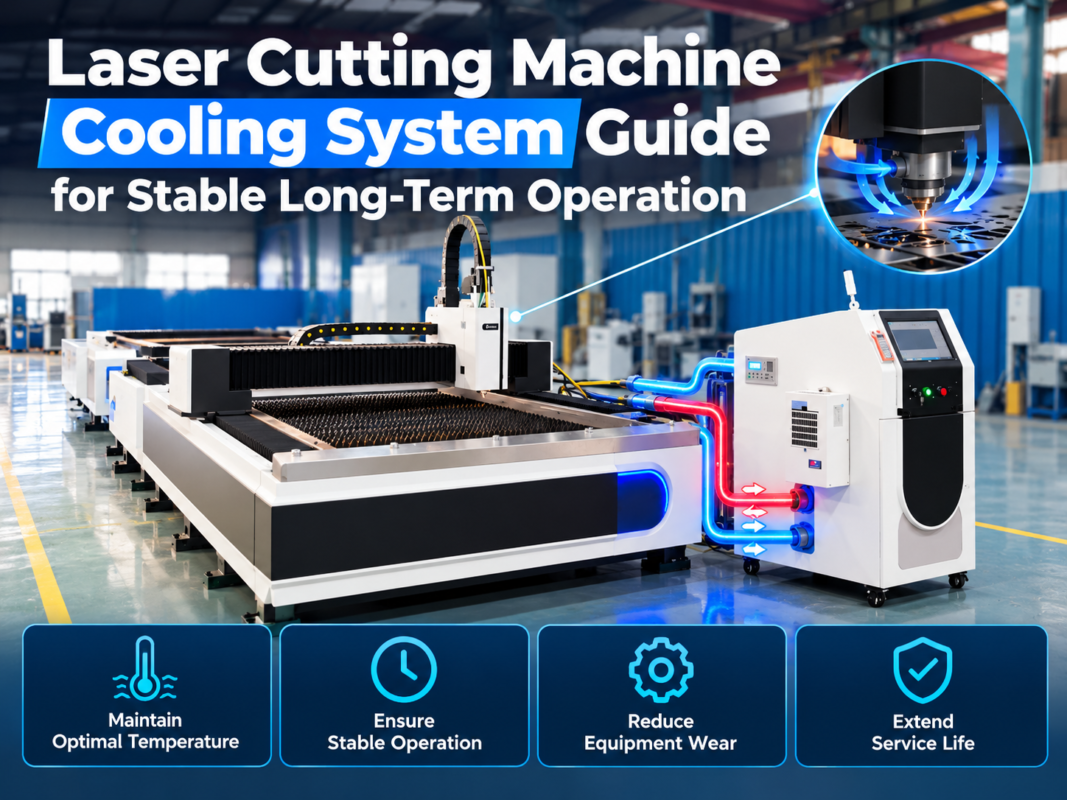
The cutting head and the fiber optic cable are common failure points due to contamination or improper handling. Additionally, the cooling system (chiller) often fails if it hasn’t been regularly flushed and maintained with the correct coolant.
5. Does HARSLE offer financing for new machines?
HARSLE works with various financial partners to provide flexible payment options, making it easier for businesses to invest in new technology without a massive upfront cash outlay. This often makes a new machine more financially accessible than a used one that requires a full cash payment.
6. How much training is required for a new fiber laser?
Modern CNC interfaces are very user-friendly. Most operators with basic computer skills can learn the fundamentals of a HARSLE laser cutting machine within 3 to 5 days of intensive training. Used machines with older, more complex interfaces may require a longer learning curve.