Press Brake Applications In Metal Cabinet And Rack Manufacturing: A Comprehensive Guide


Introduction to Press Brake Applications In Metal Cabinet And Rack Manufacturing
The modern infrastructure of data centers, telecommunications, and industrial storage relies heavily on the precision of metal enclosures. Whether it is a server rack housing sensitive electronics or a heavy-duty industrial cabinet, the structural integrity and aesthetic finish of these products depend entirely on the quality of sheet metal bending. Press brake applications in metal cabinet rack manufacturing represent the backbone of this industry, transforming flat sheet metal into rigid, functional, and precise enclosures.
HARSLE has long been at the forefront of providing high-performance bending solutions tailored to the unique demands of the enclosure industry. As cabinets and racks become more complex—incorporating ventilation patterns, cable management knockouts, and modular mounting points—the need for advanced press brake technology has never been greater. This guide explores how modern press brakes facilitate the production of high-quality metal cabinets and racks, ensuring consistency across high-volume production runs.
In the competitive landscape of metal fabrication, manufacturers must balance speed with extreme accuracy. A slight deviation in a bend angle can lead to misalignment during the assembly of a rack, causing structural instability or failing to meet the strict tolerances required for server mounting. By leveraging CNC-controlled press brakes, fabricators can achieve repeatable results that minimize waste and reduce the need for secondary finishing processes.
This article delves into the technical nuances of bending for the enclosure industry, the selection criteria for choosing the right machinery, and the maintenance practices that keep production lines moving. Whether you are a job shop owner or a large-scale manufacturer, understanding these applications is essential for optimizing your fabrication workflow and maintaining a competitive edge in the market.
Key Considerations for Enclosure Fabrication
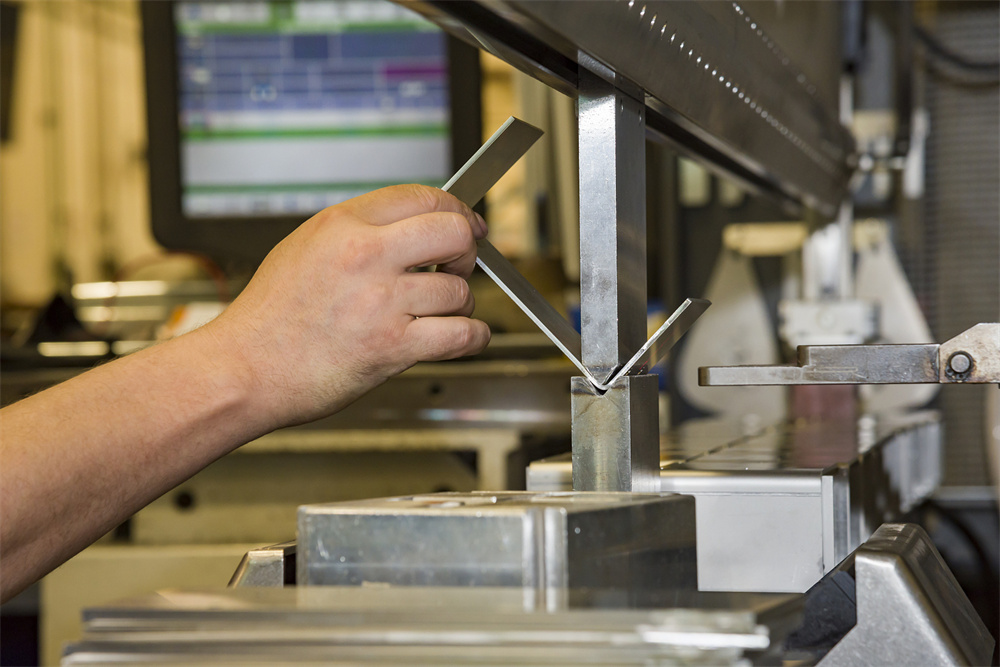
When discussing press brake applications in metal cabinet rack manufacturing, the primary challenge is the management of thin-gauge materials. Cabinets are typically manufactured from cold-rolled steel, stainless steel, or aluminum, often in thicknesses ranging from 1.0mm to 3.0mm. Bending these materials requires a machine that can provide consistent pressure across the entire length of the bed to prevent ‘bowing’ or ‘crowning’ effects that ruin the squareness of the cabinet frame.
Material springback is another critical factor. Because different alloys and thicknesses react differently to bending forces, the press brake must be equipped with advanced compensation systems. HARSLE’s CNC systems allow for real-time adjustments, ensuring that the final bend angle is exactly as programmed, regardless of the material’s yield strength. This is vital for ensuring that cabinet doors close flush and that side panels align perfectly with the frame.
Efficiency in the enclosure industry is often measured by the number of bends per part. A single cabinet panel might require ten or more bends, including flanges for rigidity and mounting tabs. Using a press brake with a fast tool-change system and multi-axis backgauge capabilities allows operators to complete complex parts in a single handling cycle. This reduces labor costs and significantly increases throughput in a high-mix, low-volume production environment.
Furthermore, the aesthetic requirements of modern server racks and cabinets cannot be ignored. Visible bend marks or surface scratches are unacceptable in high-end data center environments. Modern press brakes utilize specialized tooling and protective films to ensure that the surface finish remains pristine throughout the bending process. Choosing the right punch and die radius is essential to prevent cracking in the bend zone, especially when working with pre-painted or powder-coated materials.
Technical Details of Modern Bending Processes
The technical sophistication of press brake applications in metal cabinet rack manufacturing has evolved significantly with the integration of CNC technology. Modern machines utilize hydraulic or electric-servo systems to control the ram position with micron-level accuracy. For cabinet manufacturing, this precision is used to create ‘hems’—a common feature where the edge of a sheet is folded back on itself to provide a smooth, safe edge and added structural stiffness.
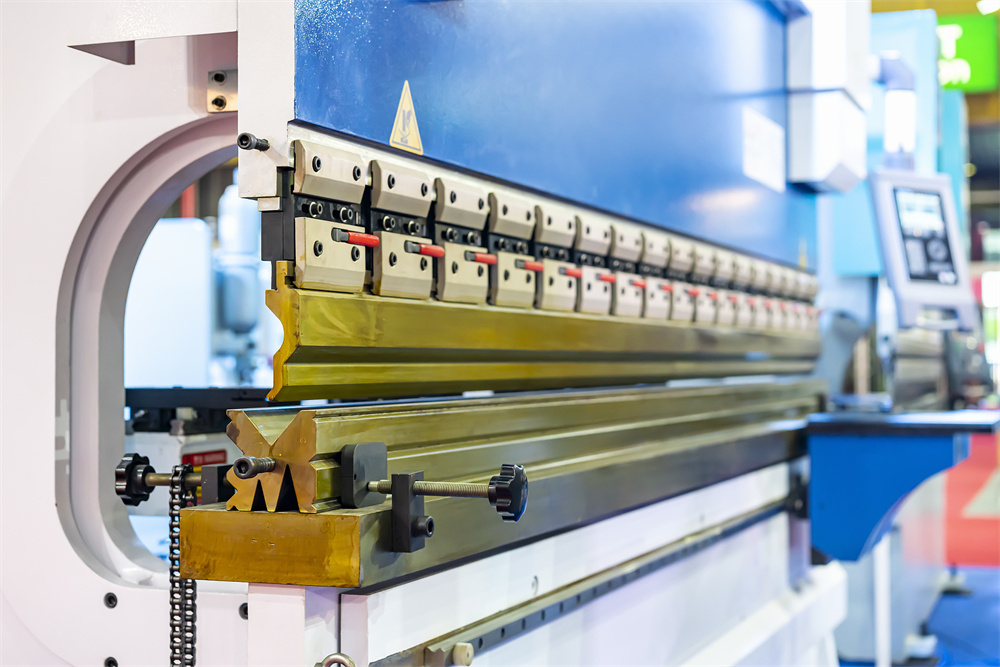
Backgauging is perhaps the most critical technical component for rack manufacturing. A multi-axis backgauge (X, R, Z1, Z2) allows the operator to position the sheet metal precisely for every bend, even when the part has complex geometries or non-parallel edges. This ensures that the cabinet’s height, width, and depth dimensions are perfectly consistent, which is a prerequisite for modular rack systems where multiple units must be bolted together.
Another technical advancement is the use of automatic crowning systems. In long-bed press brakes used for large server cabinets, the force of the bend can cause the center of the bed to deflect. HARSLE’s hydraulic crowning systems compensate for this deflection by applying an upward force to the die holder, ensuring that the bend angle remains uniform from one end of the cabinet to the other. This eliminates the need for time-consuming shimming and trial-and-error bending.
Integration with CAD/CAM software is the final piece of the technical puzzle. By importing 3D models directly into the press brake controller, the machine can automatically calculate the bend sequence, suggest the optimal tooling, and simulate the process to detect potential collisions. This ‘offline programming’ capability means that the machine is bending parts rather than sitting idle while the operator manually programs the next job.
Selection Advice: Choosing the Right Press Brake
Selecting the right equipment for press brake applications in metal cabinet rack manufacturing requires a thorough analysis of your production volume and part complexity. For manufacturers focusing on standard server racks, a high-speed hydraulic press brake with a robust backgauge system is usually the best investment. These machines offer the reliability needed for 24/7 operation and the speed required to keep up with laser cutting and punching stations.
Consider the tonnage requirements carefully. While cabinets are often made of thin material, the length of the bends can add up. A 3-meter cabinet panel requires significantly more force than a 1-meter bracket. HARSLE recommends calculating the maximum bending force based on the longest bend and the thickest material you intend to process, then adding a 20% safety margin to ensure the machine is not constantly operating at its limit, which extends the lifespan of the hydraulic components.
The type of controller is equally important. Look for a controller that supports 3D visualization and has a user-friendly interface. In the cabinet industry, where operators may need to switch between different rack designs frequently, the ability to save and recall programs instantly is a major productivity booster. Additionally, ensure that the machine is compatible with your existing tooling standards, such as European-style or American-style tool holders, to minimize transition costs.
Finally, evaluate the after-sales support and service availability. A press brake is a long-term capital investment. HARSLE provides comprehensive training for operators and maintenance staff, ensuring that your team can maximize the machine’s capabilities from day one. When selecting a supplier, prioritize those who offer remote diagnostics, readily available spare parts, and a proven track record in the metal fabrication industry.
Maintenance and Operational Best Practices
To maintain the high precision required for cabinet manufacturing, a strict maintenance schedule is non-negotiable. The hydraulic system is the heart of the press brake; regular oil analysis and filter changes prevent contamination that can lead to erratic ram movement. If the ram does not move smoothly, the bend angles will fluctuate, leading to rejected parts and wasted material.
Tooling maintenance is equally critical. Over time, punches and dies can wear down, especially when working with abrasive materials or high-strength steels. Inspect your tooling regularly for chips, cracks, or uneven wear. Using worn tooling not only compromises the quality of the cabinet but can also be a safety hazard. HARSLE recommends keeping a dedicated storage rack for tooling to prevent damage and ensure that the correct tools are always organized and ready for use.
The backgauge system should be calibrated periodically to ensure that the ‘zero’ position remains accurate. Even a 0.1mm deviation in the backgauge can result in a cabinet that does not square up during assembly. Use calibration blocks and follow the manufacturer’s guidelines for checking the alignment of the backgauge fingers relative to the die center. This simple step can save hours of troubleshooting during production.
Finally, encourage a culture of safety and cleanliness. A clean machine is easier to inspect for leaks or loose bolts. Ensure that all safety light curtains and emergency stop systems are tested daily. By integrating these maintenance habits into your daily workflow, you ensure that your press brake remains a reliable asset, capable of producing the high-quality cabinets and racks your customers demand.
FAQ: Common Questions About Press Brake Applications
- What is the most important factor when bending thin sheet metal for cabinets? The most important factor is controlling the bend angle consistency across the entire length of the part, which is achieved through proper crowning and high-precision backgauging.
- How does HARSLE ensure accuracy in high-volume rack production? HARSLE machines utilize advanced CNC controllers that offer real-time angle compensation and multi-axis backgauging to ensure every part is identical to the first.
- Can I use the same press brake for different types of metal? Yes, modern CNC press brakes allow you to input material properties (thickness, tensile strength) into the controller, which automatically adjusts the bending force and compensation parameters.
- How often should I calibrate my press brake? Calibration should be performed at least once a year, or more frequently if you notice inconsistencies in bend angles or if the machine has undergone heavy usage.
- What tooling is best for cabinet manufacturing? For most cabinet applications, a standard V-die with a radius punch is sufficient, but specialized ‘gooseneck’ punches are often required to clear previously bent flanges.
Conclusion
Press brake applications in metal cabinet rack manufacturing are essential for achieving the precision, structural integrity, and aesthetic quality required in today’s industrial and data-driven markets. By understanding the technical requirements—such as material springback, crowning, and backgauge accuracy—manufacturers can leverage modern HARSLE press brakes to streamline their production and reduce waste. Investing in the right machinery, combined with a commitment to regular maintenance and operator training, ensures that your fabrication facility remains a leader in the production of high-quality metal enclosures. As the industry continues to evolve toward more complex and modular designs, the role of the press brake will only become more vital, serving as the foundation for the infrastructure of the future.