Comprehensive Press Brake Lubrication Guide: What to Grease, Inspect, and Replace for Peak Performance


The Critical Importance of Press Brake Maintenance
In the high-precision world of metal fabrication, the press brake stands as a cornerstone of production. Whether you are operating a high-end CNC hydraulic press brake or a more traditional mechanical model, the longevity and accuracy of your equipment depend heavily on a rigorous maintenance regimen. The core of this regimen is the Press Brake Lubrication : Grease, Inspect, Replace cycle. Neglecting these fundamental tasks leads to more than just minor inconveniences; it results in accelerated wear on expensive components, loss of bending precision, and potentially catastrophic machine failure that can halt production for weeks.
Effective maintenance is not merely about fixing things when they break; it is about proactive preservation. For a machine like a HARSLE press brake, which is engineered for high-tonnage operations and micron-level accuracy, the friction generated during the bending process is immense. Without proper lubrication, the metal-on-metal contact at the guides, ball screws, and pivot points creates heat and abrasion. Over time, this abrasion alters the tolerances of the machine, leading to ‘ram drift’ or inconsistent flange lengths. By following a structured lubrication and inspection plan, fabricators can ensure that their investment continues to deliver a high return for decades.
Furthermore, a well-maintained machine is a safer machine. Many industrial accidents in fabrication shops are the result of mechanical failures—such as a sticking ram or a failing hydraulic seal—that could have been identified during a routine inspection. This guide provides a deep dive into the technical requirements of press brake upkeep, focusing on the specific areas that require greasing, the components that demand frequent inspection, and the parts that must be replaced to maintain operational integrity.
Daily Inspection: The First Line of Defense
The daily inspection is a non-negotiable ritual for any professional operator. Before the power is even turned on, a visual sweep of the machine can reveal issues that might have developed during the previous shift. Start by checking the work area for any signs of hydraulic fluid leaks. Even a small puddle can indicate a failing O-ring or a loose fitting in the high-pressure circuit. If left unaddressed, these minor leaks can lead to a loss of pressure, affecting the machine’s ability to reach its full tonnage.
Next, inspect the tooling—the dies and punches. Look for cracks, chips, or excessive wear on the radius of the punch. Tooling that is in poor condition not only produces poor-quality parts but also puts uneven stress on the press brake’s ram and bed. Ensure that the tooling is properly seated and clamped. A loose die can shift during a bend, causing damage to the machine’s surface and posing a significant safety risk to the operator.
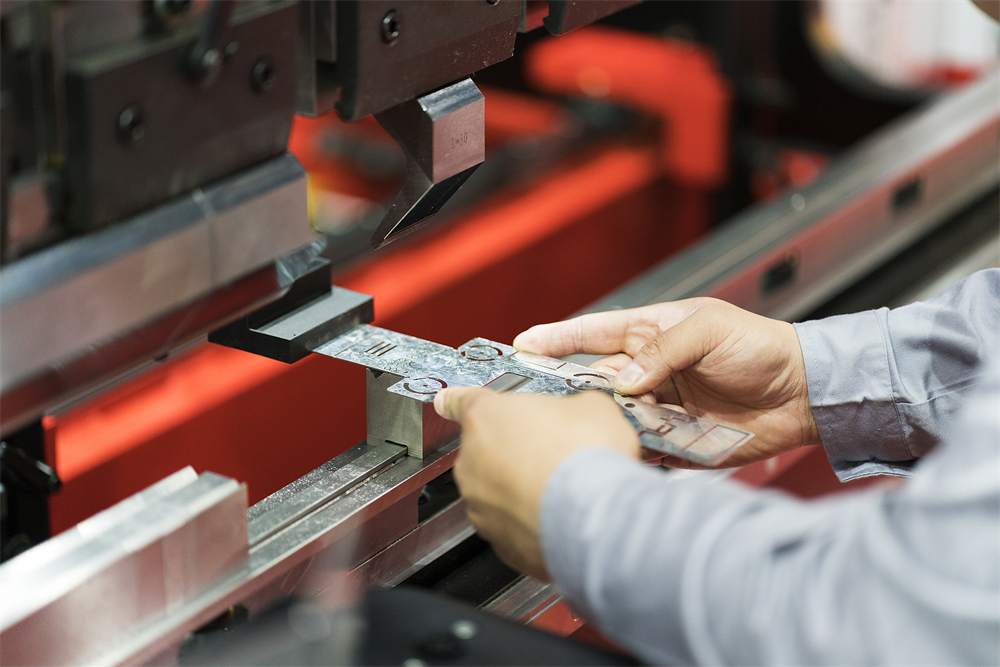
Cleanliness is another vital aspect of the daily routine. Dust, scale, and metal shavings are the enemies of precision machinery. Use a soft cloth or compressed air (carefully) to remove debris from the backgauge rails and the ram guides. If grit is allowed to mix with the lubricant, it forms an abrasive paste that will quickly score the precision-ground surfaces of the machine. Finally, verify that all safety devices, including light curtains and emergency stop buttons, are functioning perfectly. A press brake should never be operated if its safety systems are compromised.
Hydraulic, Electrical, and Mechanical Checks
Hydraulic System Integrity
The hydraulic system is the heart of the press brake. Maintaining the quality of the hydraulic oil is paramount. On a weekly basis, check the oil level in the reservoir; it should be within the specified range on the sight glass when the ram is in the up position. However, level is only half the story. Observe the color and clarity of the oil. If the oil appears milky, it likely contains water; if it is dark and smells burnt, it has undergone thermal degradation. In either case, the oil must be tested or replaced immediately.
Temperature management is also critical. Most modern press brakes include an oil temperature gauge. If the oil consistently runs too hot (typically above 60°C or 140°F), it loses its viscosity, leading to poor lubrication and seal damage. Check the cooling system, whether it is an air-cooled heat exchanger or a water-cooled system, to ensure it is not clogged with dust or scale. Additionally, the hydraulic filters should be replaced according to the manufacturer’s schedule—usually after the first 500 hours of operation for a new machine, and every 2,000 hours thereafter.
Electrical and Control Systems
While the mechanical parts do the heavy lifting, the electrical system provides the brainpower. Monthly inspections should include a check of the electrical cabinet. Ensure that all wire connections are tight, as vibrations from the machine can loosen terminals over time. Look for signs of overheating on contactors and relays, such as discoloration or a plastic-burning odor. Dust accumulation inside the cabinet can cause short circuits, so use a vacuum or low-pressure dry air to keep the components clean.
Calibration of the CNC system and sensors is another vital check. Ensure that the linear scales—which track the position of the ram—are clean and securely mounted. If the scales provide inaccurate feedback, the ram will not be level, resulting in inconsistent bend angles across the length of the workpiece. Similarly, check the backgauge sensors to ensure they are homing correctly and that there is no ‘play’ in the positioning motors.
Mechanical Structure and Alignment
The mechanical structure of the press brake must remain rigid and aligned. Periodically check the tightness of the foundation bolts and the bolts securing the bed to the side frames. Any movement in the frame will dissipate the bending force and lead to inaccuracies. Inspect the ram’s gibs (the guides that control the ram’s vertical movement). These should be adjusted so that there is no lateral movement, yet they must not be so tight that they cause excessive friction or binding.
The Detailed Lubrication Plan: What to Grease
A comprehensive Press Brake Lubrication : Grease, Inspect, Replace strategy requires knowing exactly where to apply lubricant and what type to use. Most industrial press brakes utilize a combination of manual grease points and automated lubrication systems. The goal is to maintain a thin, consistent film of lubricant between moving surfaces to minimize friction and heat.
Linear Guides and Ball Screws
The backgauge system relies on linear guides and ball screws for high-speed, high-precision positioning. These components are highly sensitive to contamination and lack of lubrication. Use a high-quality lithium-based grease with EP (Extreme Pressure) additives. For ball screws, the grease should be applied directly to the screw thread or through the grease nipple on the ball nut. Move the backgauge through its full range of motion after greasing to ensure even distribution. If your machine has an automatic lubrication system, verify that the lines are not pinched and that grease is actually reaching the injectors.
Ram Guides (Gibs)
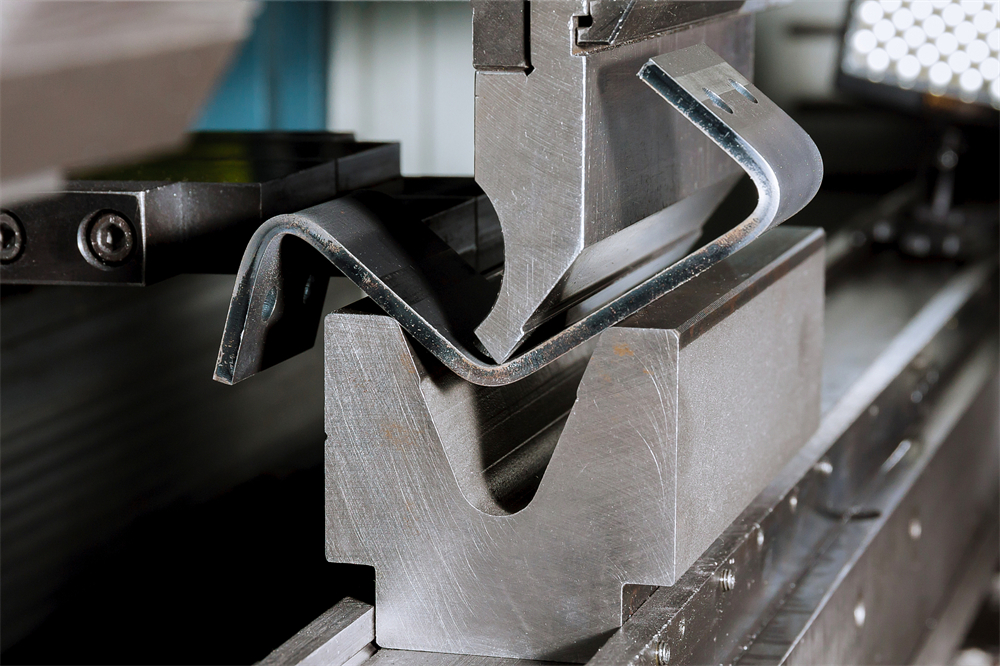
The ram guides endure the highest loads during the bending cycle. These areas require frequent attention. If the machine uses a sliding guide system (brass or plastic wear plates against steel), they must be kept coated with a heavy-duty grease. Some modern HARSLE machines use roller-bearing guides, which require less frequent but equally precise lubrication. Check the manufacturer’s manual for the specific grease grade, as using a grease that is too thick can prevent the ram from moving smoothly, while one that is too thin will squeeze out under high pressure.
Pivot Points and Bearings
Don’t forget the smaller pivot points, such as those on the linkage of a mechanical press brake or the hinge points of safety gates and backgauge fingers. These should be lubricated monthly to prevent squeaking and seizing. For enclosed bearings, check for any grease leakage, which could indicate a failed seal. If a bearing begins to make a grinding or clicking noise, lubrication may be too late, and replacement will be necessary.
Troubleshooting Signals: When to Take Action
Even with a perfect maintenance plan, components will eventually wear out. The key is to recognize the signals before a failure occurs. Noise is often the first indicator. A high-pitched squeal from the hydraulic pump might suggest cavitation (air in the system) or a clogged suction filter. A clunking sound during the ram stroke often points to loose mechanical components or worn-out guide bushings.
Heat is another major red flag. If a specific bearing or a section of the hydraulic manifold feels excessively hot to the touch, it is a sign of internal friction or a blockage. Vibration during the bending process can indicate that the machine is not level or that the internal valves are not shifting smoothly. Finally, watch for Accuracy Drift. If you find yourself constantly adjusting the CNC offsets to maintain a 90-degree bend, it is likely that a mechanical component is wearing out or that the lubrication has failed, causing the ram to stick slightly during its descent.
Comprehensive Maintenance Schedule Table
Use the following table as a baseline for your press brake maintenance program. Note that high-volume shops may need to increase the frequency of these tasks.
| Frequency | Component | Action Required | Notes |
|---|---|---|---|
| Daily | Tooling & Work Area | Clean and Inspect | Remove scale; check for chips in dies. |
| Daily | Safety Systems | Functional Test | Check light curtains and E-stops. |
| Daily | Hydraulic Level | Visual Check | Ensure level is within the sight glass. |
| Weekly | Backgauge Rails | Clean & Lubricate | Use recommended EP grease. |
| Weekly | Ram Guides | Inspect & Grease | Check for scoring on guide surfaces. |
| Monthly | Electrical Cabinet | Dust & Tighten | Ensure all connections are secure. |
| Monthly | Hydraulic Hoses | Inspect | Look for bulging, cracking, or weeping. |
| 6 Months | Hydraulic Oil | Analysis/Filter Change | Replace filters; test oil for contaminants. |
| Yearly | Machine Leveling | Verify & Adjust | Use a precision level to check bed alignment. |
| Yearly | Full System Calibration | CNC & Sensors | Recalibrate X, R, and Z axes. |
Frequently Asked Questions (FAQ)
1. What type of grease is best for my press brake?
Most manufacturers recommend a high-quality Lithium-based grease with Extreme Pressure (EP2) additives. This type of grease is designed to stay in place under high loads and resist being squeezed out of the bearing surfaces. Always refer to your HARSLE manual for specific brand recommendations to ensure compatibility with your machine’s seals.
2. How often should I change the hydraulic oil?
For a new press brake, the first oil change should typically occur after 2,000 hours of operation. After that, oil should be changed every 4,000 to 6,000 hours, or once every two years, whichever comes first. However, performing an annual oil analysis can help you determine if the oil can last longer or if it needs to be changed sooner due to contamination.
3. Can I use any hydraulic fluid?
No. Press brakes require specific hydraulic oils with anti-wear (AW) properties, usually ISO VG 32 or ISO VG 46, depending on the ambient temperature of your shop. Using the wrong viscosity can lead to sluggish performance in cold weather or excessive wear and leakage in hot weather.
4. Why is my backgauge making a grinding noise?
A grinding noise in the backgauge usually indicates that the ball screw or linear guides are dry or contaminated with metal dust. Clean the components thoroughly with a degreaser and re-apply the correct grease. If the noise persists, the bearings within the ball nut may be damaged and require replacement.
5. What are the signs that a hydraulic seal needs replacement?
The most obvious sign is visible oil leaking from the ram cylinders. Other signs include the ram ‘drifting’ down when the machine is powered off or the machine failing to maintain pressure during a ‘dwell’ cycle at the bottom of the bend. Replacing seals early prevents damage to the cylinder walls.
6. How do I know if my ram guides (gibs) are too tight?
If the gibs are too tight, you may notice the ram moving jerkily (stick-slip phenomenon), or the hydraulic system may labor more than usual to move the ram. You might also see excessive heat buildup on the guide surfaces. Gibs should be adjusted to the manufacturer’s clearance specifications, usually measured with a feeler gauge.
Conclusion
Maintaining a press brake is a commitment to quality and efficiency. By following the Press Brake Lubrication : Grease, Inspect, Replace protocol, you protect the intricate mechanical and hydraulic systems that allow for precision metal forming. Regular attention to grease points, vigilant inspection of hydraulic and electrical systems, and the timely replacement of wear parts like filters and seals will ensure that your HARSLE machinery remains a reliable asset in your shop for years to come. Remember, the cost of a tube of grease and an hour of inspection is a fraction of the cost of a major repair and lost production time.