
Punching Machine Price In 2026: A Complete Buying Guide For Fabrication Shops

Punching Machine Price In 2026: A Complete Buying Guide For Fabrication Shops
As we move deeper into 2026, the landscape of metal fabrication is undergoing a significant transformation. For shop owners and procurement managers, understanding the current market dynamics is essential for making informed capital investments. The punching machine price in 2026: a complete buying guide for fabrication shops is designed to help you navigate the complexities of machine acquisition, ensuring that your investment aligns with both your production requirements and your long-term financial goals.
The global manufacturing sector has seen shifts in supply chain logistics, material costs, and technological integration. These factors directly influence the pricing structures of CNC punching machines, turret punch presses, and hydraulic punching systems. Whether you are upgrading an aging fleet or expanding your capacity to meet new contract demands, this guide provides the clarity needed to evaluate quotes, negotiate effectively, and select the right equipment for your facility.
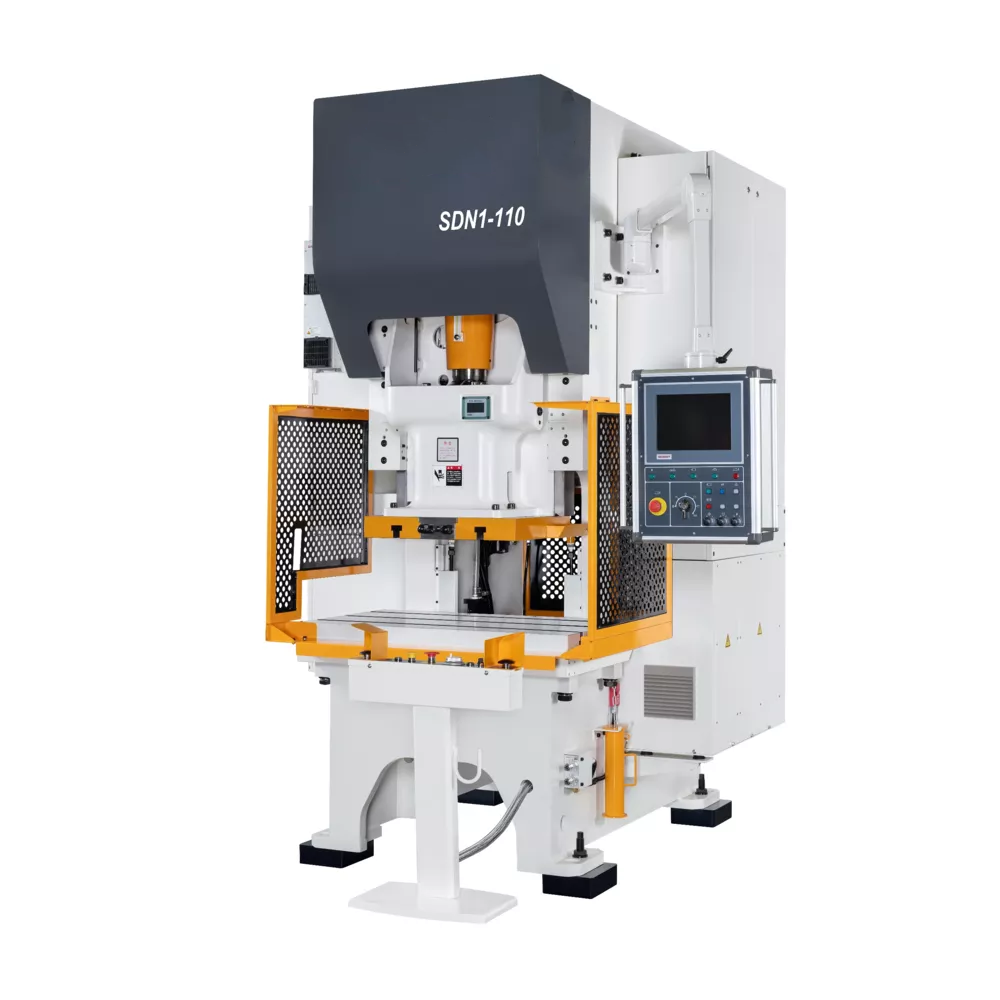
Price Range Overview
In 2026, the market for punching machines is segmented into three primary tiers: entry-level manual/hydraulic machines, mid-range CNC turret punch presses, and high-end automated punching cells. Entry-level hydraulic punching machines, often used for smaller job shops or specific secondary operations, typically range from $15,000 to $45,000. These machines are robust but lack the high-speed automation and complex tool-changing capabilities of their larger counterparts.
Mid-range CNC punching machines, which represent the workhorse of the average fabrication shop, generally fall between $80,000 and $220,000. This price bracket includes machines with automatic tool changers, high-speed indexing, and integrated software compatibility. These machines are designed for high-volume production and complex sheet metal geometries, offering a balance between initial capital outlay and operational throughput.
High-end automated punching cells, often integrated with robotic loading and unloading systems, can exceed $350,000 to $600,000. These systems are designed for lights-out manufacturing and maximum efficiency. When budgeting for 2026, it is crucial to look beyond the base price and consider the total cost of ownership, including installation, training, and long-term maintenance contracts, which can add 10-15% to the initial purchase price.
Market volatility in steel and electronic components has stabilized compared to previous years, but inflation and labor costs remain factors. Buyers should expect a 3-5% variance in pricing based on regional logistics and specific manufacturer lead times. Always request a detailed quote that breaks down the machine cost, shipping, commissioning, and warranty coverage to avoid surprises during the procurement process.
Main Cost Drivers
Several key factors influence the final price of a punching machine. The most significant driver is the tonnage capacity. A 30-ton machine is significantly cheaper than a 50-ton or 60-ton machine, but the higher tonnage is necessary for thicker materials and larger punch diameters. Choosing the right tonnage is a balance between your current workload and potential future projects that may require heavier duty cycles.
The complexity of the tool-changing system is another major cost factor. A simple manual tool change system keeps the price low but increases downtime. Conversely, an automatic tool changer (ATC) with 20 to 40 stations significantly increases the machine price but drastically improves productivity by reducing setup times. In 2026, the demand for high-speed indexing and multi-tool stations has made these features standard in mid-to-high-end models, further influencing the baseline cost.
Control systems and software integration also play a vital role. Modern CNC controllers are more powerful than ever, offering real-time diagnostics, cloud-based monitoring, and seamless integration with CAD/CAM software. While these features add to the upfront cost, they provide substantial savings in programming time and error reduction. Investing in a machine with a user-friendly, industry-standard controller can significantly shorten the learning curve for your operators.
Finally, the build quality and brand reputation impact the price. Machines manufactured with high-grade steel frames and premium hydraulic components from reputable manufacturers like HARSLE offer better longevity and higher resale value. While it may be tempting to opt for the lowest-priced machine, the long-term costs of frequent repairs and production downtime often outweigh the initial savings of a cheaper, lower-quality machine.
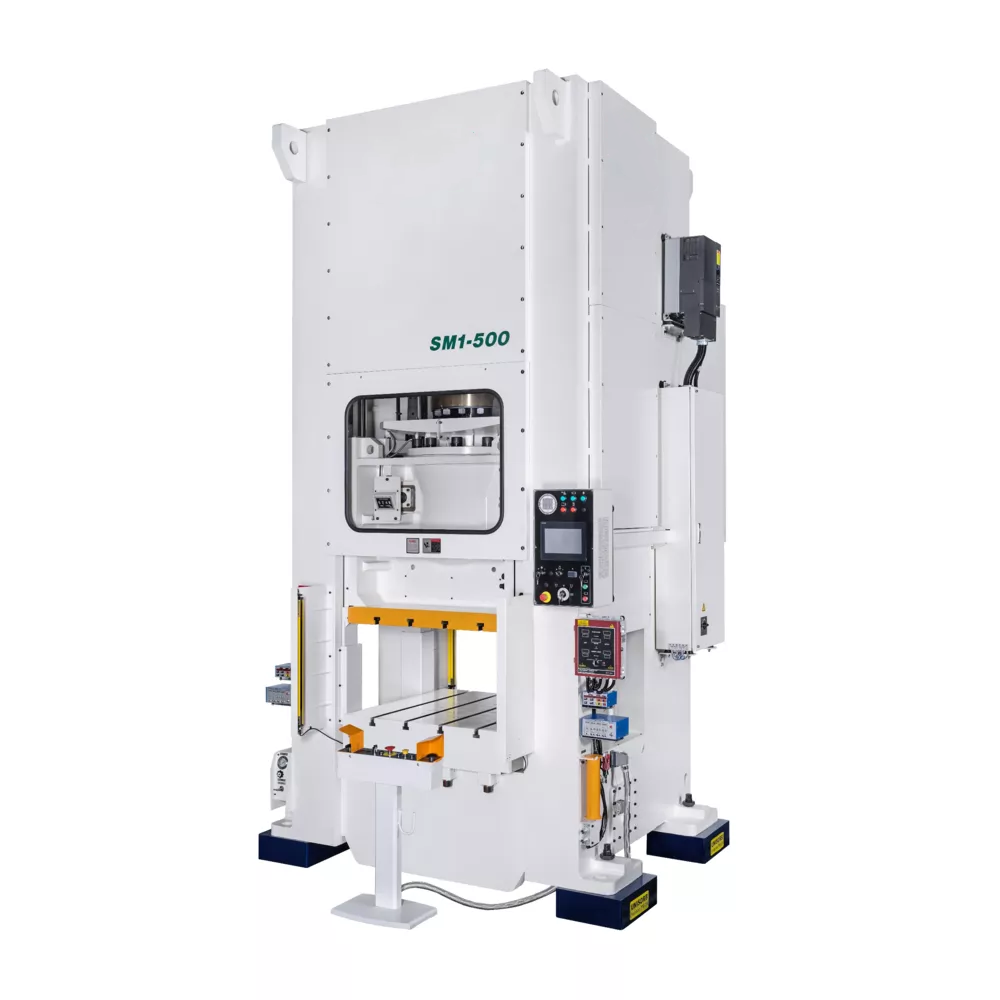
Configuration Impact
The configuration of your punching machine is where you can truly optimize your investment. A standard configuration might suffice for basic operations, but specialized configurations can unlock new revenue streams. For instance, adding a tapping station or a forming station to your punching machine allows you to perform secondary operations in a single setup, saving time and reducing material handling costs.
Consider the sheet size capacity. If your shop primarily processes 4×8 sheets, a machine configured for that size is more cost-effective than one designed for 5×10 sheets. However, if you anticipate growth or have clients requesting larger parts, investing in a larger bed size now can prevent the need for a costly machine upgrade in the future. Always evaluate your current and projected part sizes before finalizing your machine configuration.
Automation options, such as sheet loaders and part unloaders, significantly impact the machine’s footprint and price. While these additions increase the initial investment, they allow for unattended operation, which is a game-changer for shops struggling with labor shortages. In 2026, the trend is moving toward modular automation, where you can start with a standalone machine and add loading/unloading systems as your business grows.
Energy efficiency is another configuration aspect that is gaining importance. Modern hydraulic and electric-servo punching machines are designed to consume less power during idle times and optimize energy usage during the punching cycle. While these energy-efficient models might have a higher initial price, the reduction in electricity costs over the machine’s lifespan provides a compelling return on investment, especially in regions with high energy tariffs.
Hidden Costs
When calculating the punching machine price in 2026: a complete buying fabrication shops, many buyers overlook the hidden costs associated with installation and operation. Site preparation is a major factor; you may need to reinforce your concrete floor, install specialized electrical circuits, or provide compressed air lines with specific pressure and filtration requirements. These infrastructure upgrades should be factored into your total budget.
Training is another often-underestimated cost. Even if your operators are experienced, learning a new controller or a new machine interface takes time. Budget for professional training sessions provided by the manufacturer or a certified dealer. Additionally, consider the cost of tooling. A new machine often requires a new set of punches and dies, and high-quality tooling is essential for achieving the precision and surface finish your customers expect.
Maintenance and spare parts are ongoing expenses. Establish a relationship with a local service provider or ensure that the manufacturer has a robust support network in your region. Stocking a basic inventory of wear parts—such as seals, filters, and common punch inserts—can prevent extended downtime. Factor in the cost of annual service contracts, which can help keep your machine running at peak performance and extend its operational life.
Software licensing and updates should also be considered. Many modern machines require annual subscriptions for CAD/CAM software or machine monitoring platforms. Ensure you understand the long-term software costs before committing to a specific machine. By accounting for these hidden costs, you can create a realistic budget and avoid financial strain after the machine is delivered.
ROI Calculation
Calculating the Return on Investment (ROI) for a new punching machine requires a thorough analysis of your production data. Start by calculating the cost per part on your current equipment, including labor, energy, tooling, and maintenance. Then, estimate the cost per part on the new machine, taking into account the increased speed, reduced setup time, and lower scrap rates.
Consider the potential for increased capacity. If your current machine is a bottleneck, a new, faster machine can allow you to take on more work without increasing your labor force. Calculate the potential revenue increase from this additional capacity. Furthermore, consider the reduction in secondary operations; if the new machine can perform tasks that were previously outsourced or done on other machines, the savings in time and logistics contribute directly to your ROI.
Don’t forget to include tax incentives and depreciation in your ROI calculation. Many governments offer tax credits or accelerated depreciation for investments in new manufacturing equipment. Consult with your accountant to understand how these financial benefits can improve the payback period of your investment. A well-structured ROI analysis will not only help you justify the purchase to stakeholders but also provide a clear benchmark for success.
Finally, consider the intangible benefits of a new machine. Improved part quality, faster turnaround times, and the ability to handle more complex designs can enhance your reputation and help you win more competitive bids. These factors, while harder to quantify, are essential for the long-term growth and sustainability of your fabrication shop. A new machine is not just an expense; it is a strategic asset that positions your business for the future.
Buying Advice
When you are ready to purchase, start by defining your specific needs. Create a list of the materials you process, the thicknesses you work with, and the typical part geometries. Use this list to filter potential machines and focus on those that meet your requirements. Do not be swayed by features you do not need, as they only add to the cost without providing value to your specific operation.
Request demonstrations and, if possible, visit other shops that use the machines you are considering. Seeing a machine in action and talking to operators who use it daily provides insights that brochures and sales pitches cannot offer. Ask about the machine’s reliability, the ease of programming, and the quality of support provided by the manufacturer. A machine is only as good as the support behind it.
Negotiate the terms of the sale, including the warranty, delivery schedule, and installation support. Ensure that the contract clearly outlines what is included in the price and what is extra. If you are financing the purchase, compare offers from multiple lenders to ensure you get the best rates. A well-negotiated deal can save you thousands of dollars and provide peace of mind.
Finally, plan for the transition. Coordinate the delivery and installation of the new machine to minimize disruption to your current production. Ensure your team is prepared for the change and that you have a plan for disposing of or repurposing your old equipment. By following these steps, you can navigate the punching machine market with confidence and make an investment that drives your business forward in 2026 and beyond.
FAQ
- What is the average lead time for a new punching machine in 2026? Lead times vary by manufacturer and machine complexity, typically ranging from 8 to 20 weeks. It is advisable to order well in advance of your planned installation date.
- Should I buy a new or used punching machine? New machines offer the latest technology, warranties, and reliability. Used machines can be a cost-effective option for smaller shops, but they carry risks regarding wear and lack of support. Always have a used machine inspected by a qualified technician before purchasing.
- How often should I perform maintenance on my punching machine? Regular maintenance is critical. Follow the manufacturer’s recommended schedule, which typically includes daily, weekly, and monthly checks. Annual professional service is highly recommended to ensure long-term accuracy.
- Can I integrate a punching machine with my existing ERP system? Yes, most modern CNC punching machines support data integration. Check with the manufacturer to ensure compatibility with your specific ERP or shop management software.
- What is the most important feature to look for in a punching machine? The most important feature depends on your needs, but generally, look for a robust frame, a reliable controller, and an efficient tool-changing system. These three elements are fundamental to the machine’s performance and longevity.


