Punching and Shearing Machine Price Guide for Workshops and Plants


Introduction to Punching and Shearing Machine Investments
In the competitive landscape of modern metal fabrication, the efficiency of a workshop or industrial plant often hinges on the versatility and reliability of its core machinery. Among the most essential tools is the combined punching and shearing machine, frequently referred to as an ironworker. This multi-functional powerhouse integrates several fabrication processes—punching, shearing, section cutting, and sometimes notching—into a single footprint. For decision-makers, understanding the Punching Shearing Machine Price Workshops Plants need to budget for is critical for long-term financial health and operational scalability.
HARSLE has long been at the forefront of providing high-quality, cost-effective solutions for these needs. Whether you are a small custom shop or a high-volume manufacturing plant, the price of a punching and shearing machine is not merely a sticker figure; it is a reflection of the machine’s capacity, technology, and the value it adds to your production line. This guide aims to deconstruct the pricing landscape, helping you navigate the complexities of procurement in the metalworking industry.
Price Range Overview: From Small Workshops to Large Plants
The market for punching and shearing machines is diverse, with prices ranging significantly based on the machine’s tonnage and automation level. For a small workshop focusing on light repairs or custom architectural metalwork, an entry-level hydraulic ironworker might range from $5,000 to $12,000. These machines typically offer 40 to 60 tons of pressure and are designed for intermittent use on thinner materials.
As we move into medium-sized fabrication plants, the requirements shift toward higher duty cycles and greater material thickness capabilities. Machines in this category, often boasting 90 to 120 tons of force, generally fall within the $15,000 to $35,000 price bracket. These units feature more robust hydraulic systems and larger throat depths to accommodate bigger workpieces.
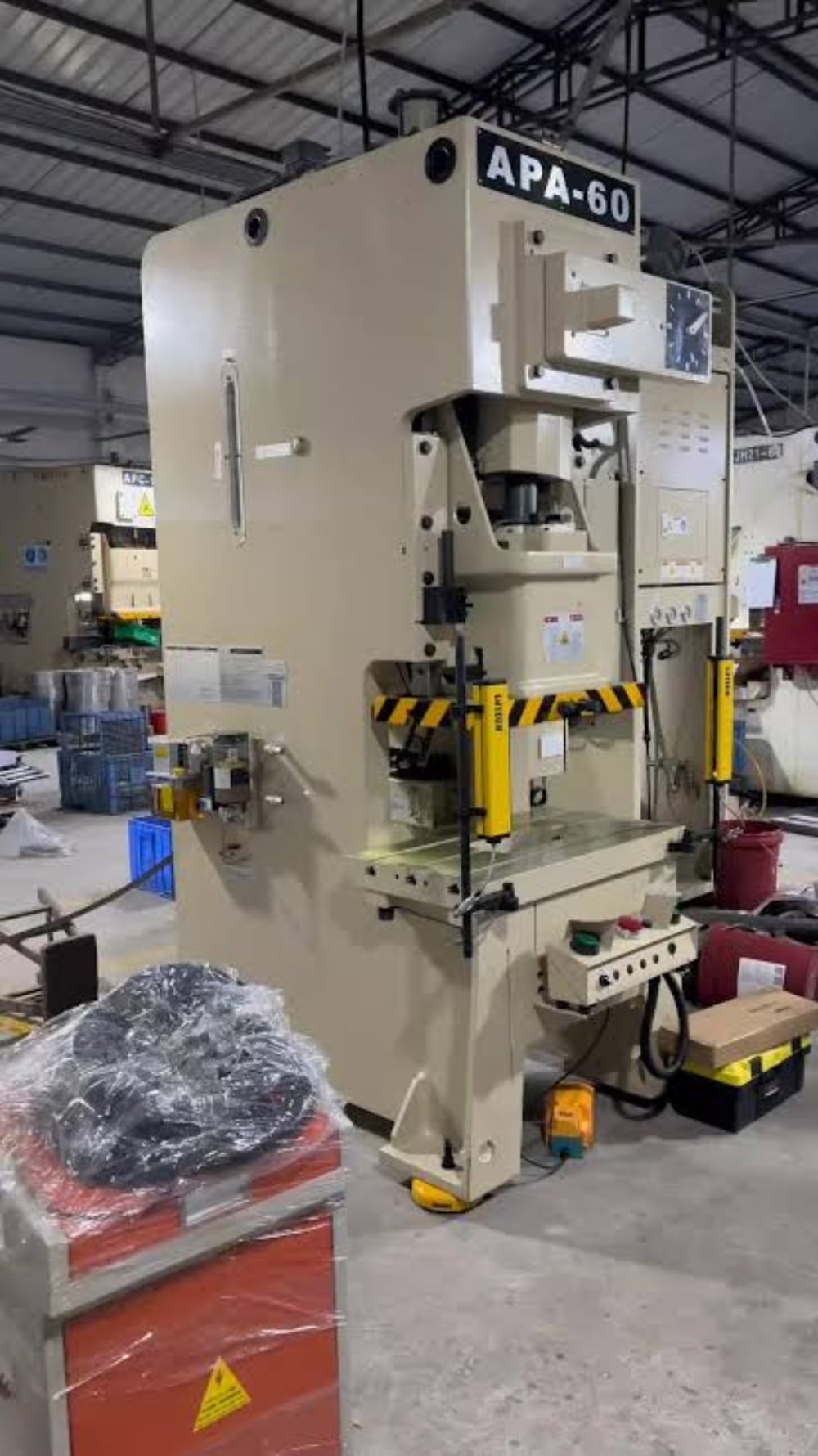
For large-scale industrial plants requiring continuous operation and precision, heavy-duty CNC-integrated punching and shearing machines can exceed $50,000. These high-end models offer 150 to 250 tons of pressure and include advanced features like automatic material feeding and programmable backgauges. The following table provides a general breakdown of the Punching Shearing Machine Price Workshops Plants can expect based on machine class:
| Machine Class | Tonnage Range | Estimated Price (USD) | Primary Application |
|---|---|---|---|
| Entry-Level / Small Workshop | 40T – 60T | $5,000 – $12,000 | Light fabrication, maintenance, and repair. |
| Mid-Range / Fabrication Shop | 70T – 110T | $15,000 – $30,000 | Structural steel work, medium-duty manufacturing. |
| Heavy-Duty / Industrial Plant | 120T – 250T+ | $35,000 – $75,000+ | High-volume production, heavy plate processing. |
Main Cost Drivers in Punching and Shearing Machines
Several technical factors dictate the final price of a punching and shearing machine. The most prominent is the Tonnage Capacity. The force required to punch through a specific thickness of steel determines the size of the hydraulic cylinders, the strength of the frame, and the power of the motor. A 100-ton machine requires significantly more raw material (steel) and more expensive hydraulic components than a 50-ton machine, naturally driving up the cost.
The Quality of Hydraulic Components is another major driver. High-end machines like those from HARSLE often utilize premium valves and pumps from reputable global brands (such as Rexroth or Schneider). While these components increase the initial purchase price, they offer superior reliability and easier sourcing of spare parts, which is vital for plants that cannot afford downtime.
Furthermore, the Frame Construction plays a silent but vital role in pricing. A machine built with a heavy, vibration-dampening monoblock frame will cost more than one with a bolted or lighter-weight frame. However, the heavier frame ensures greater accuracy over years of use by preventing deflection during high-pressure operations. This structural integrity is a hallmark of industrial-grade equipment designed for plants.
Configuration Impact: CNC vs. Manual Systems
The level of automation is perhaps the most significant variable in the Punching Shearing Machine Price Workshops Plants must consider. A standard manual machine requires the operator to position the material against mechanical stops. While affordable, this method is slower and prone to human error. In contrast, adding a CNC (Computer Numerical Control) system can increase the price by 30% to 100%.
CNC configurations often include an automated X and Y-axis positioning table for the punching station. This allows for complex hole patterns to be executed with extreme precision and speed. For a plant processing thousands of identical parts, the extra $15,000 spent on CNC integration can be recovered in just a few months through labor savings and reduced scrap rates.
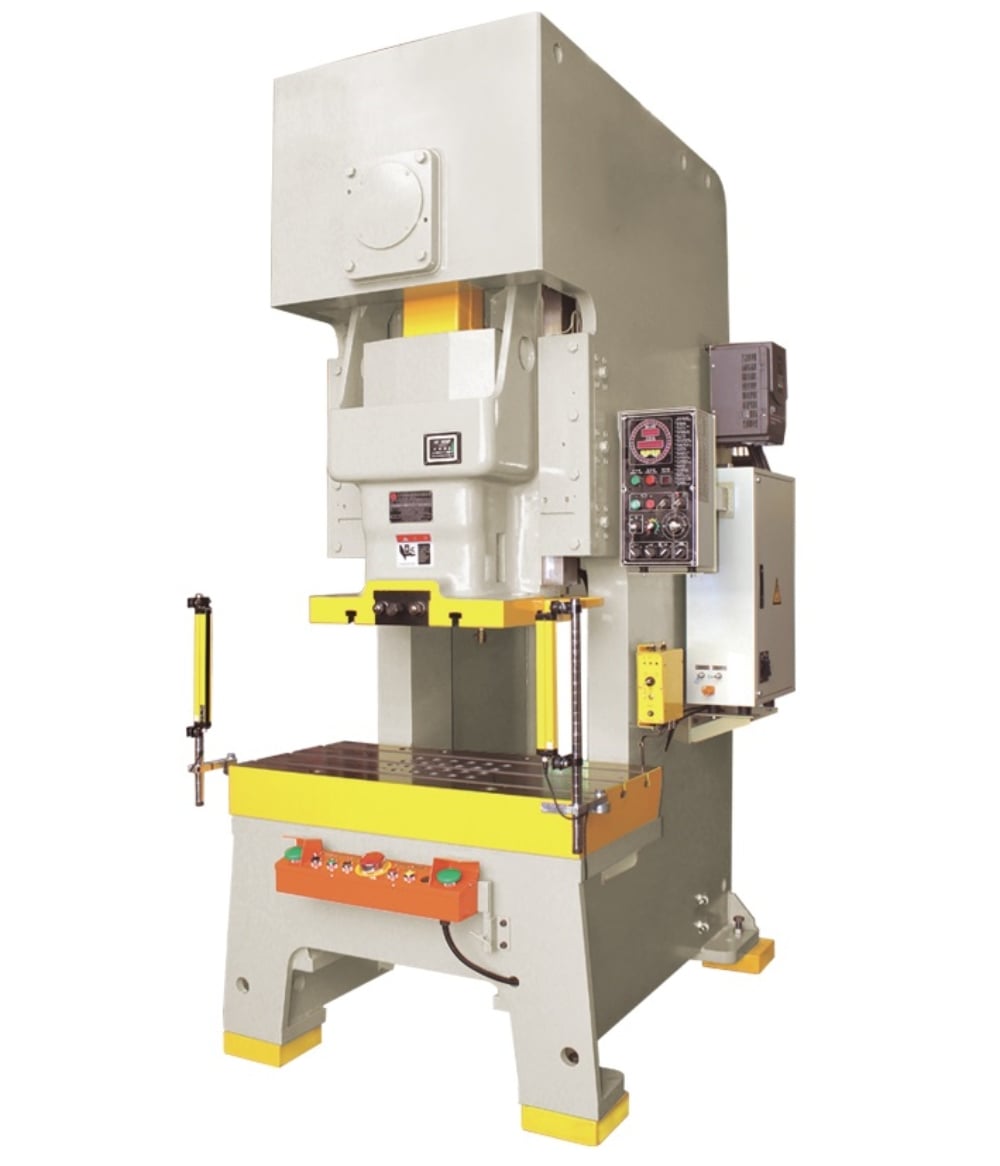
Beyond the controller, the Throat Depth also impacts the price. A “deep throat” machine allows for punching further into the center of a large sheet of metal. Increasing the throat depth requires a much stronger C-frame to maintain rigidity, which adds to the manufacturing cost. Workshops should carefully evaluate the maximum size of the parts they intend to process to avoid paying for unnecessary throat depth.
Hidden Costs: Beyond the Initial Purchase Price
When budgeting for a punching and shearing machine, the invoice price is only the beginning. Logistics and Shipping can be substantial, especially for heavy industrial machinery. Depending on the distance from the manufacturer or distributor, freight and rigging (the process of moving the machine into your facility) can cost anywhere from $500 to $5,000.
Installation and Training are also critical factors. While some small machines are “plug-and-play,” larger industrial units require professional setup, leveling, and hydraulic fluid filling. Training your staff to use the machine safely and efficiently—especially if it features a CNC interface—is an investment in both safety and productivity. Many manufacturers offer these services as an add-on or include them in a premium package.
Finally, consider Tooling and Consumables. A punching and shearing machine is only as useful as its dies and blades. While a basic set of punches and dies is usually included, specialized shapes (oblong, square, or custom sizes) and replacement blades for the shearing station represent ongoing costs. High-quality tool steel blades are expensive but last longer, reducing the long-term cost per cut.
ROI Calculation: Justifying the Investment
To justify the Punching Shearing Machine Price Workshops Plants must perform a Return on Investment (ROI) analysis. The primary source of ROI is Labor Consolidation. Because an ironworker can perform five different tasks, it eliminates the need for workers to move material between five different machines. This reduces material handling time by up to 40%.
Another factor is Material Utilization. Precision shearing and punching reduce the amount of wasted metal. In an era where raw material prices are volatile, saving even 5% of your steel through more accurate cuts can result in thousands of dollars in annual savings. For a plant operating two shifts, a $30,000 machine that saves $100 a day in labor and material pays for itself in less than a year.
Additionally, consider the Versatility Factor. Having the ability to take on diverse projects—from punching heavy base plates to shearing angle iron for frames—allows a workshop to bid on a wider variety of contracts. This expanded capability often leads to increased revenue that far outweighs the monthly financing cost of the machine.
Buying Advice for Workshop and Plant Managers
Choosing the right machine requires a balance between current needs and future growth. Here is a checklist for procurement:
- Assess Your Maximum Material Thickness: Always buy a machine with a capacity roughly 20% higher than your thickest material to avoid running the hydraulics at maximum pressure constantly.
- Evaluate the Workstation Layout: Ensure the machine provides enough space for long bars to be fed through the shearing station without hitting walls or other equipment.
- Check the Safety Features: Industrial plants must adhere to strict safety standards. Look for machines with proper guarding, emergency stops, and electric backgauges that keep hands away from the cutting zone.
- Verify After-Sales Support: A cheap machine becomes very expensive if you cannot find replacement seals or blades. Choose a reputable brand like HARSLE that offers documented manuals and accessible technical support.
For smaller workshops, a manual hydraulic ironworker is often the best starting point. For larger plants, investing in a double-cylinder machine is highly recommended. Double-cylinder models allow two operators to work simultaneously—one punching and one shearing—effectively doubling the machine’s output without doubling the footprint.
Frequently Asked Questions (FAQ)
1. How long does a typical punching and shearing machine last?
With proper maintenance, an industrial-grade machine from HARSLE can last 20 to 30 years. The key is regular hydraulic oil changes, blade sharpening, and ensuring the machine is not consistently overloaded beyond its rated tonnage.
2. Can I punch stainless steel with a standard machine?
Yes, but you must account for the hardness of the material. Generally, you should reduce the rated capacity by about 50% when working with stainless steel compared to mild steel. Specialized, hardened punches are also required to prevent premature tool wear.
3. Is it better to buy a new or used machine?
While used machines have a lower entry price, they often come with hidden wear in the hydraulic seals or warped frames. A new machine includes a warranty, modern safety features, and the latest efficiency standards, which usually provides better long-term value for a busy plant.
4. What is the difference between a single-cylinder and a double-cylinder machine?
A single-cylinder machine uses one hydraulic ram to power all stations, meaning only one operation can happen at a time. A double-cylinder machine has two independent rams, allowing two operators to use different stations (e.g., punching and shearing) simultaneously, which is ideal for high-volume plants.
5. How much should I budget for annual maintenance?
For a mid-range machine, budgeting $500 to $1,500 per year for hydraulic fluid, filters, and blade sharpening is a safe estimate. This prevents major breakdowns that could cost significantly more in lost production time.