Shearing Machine Capacity Comparison: How to Match Thickness and Length to Your Production


Introduction to Shearing Machine Capacity and Production Efficiency
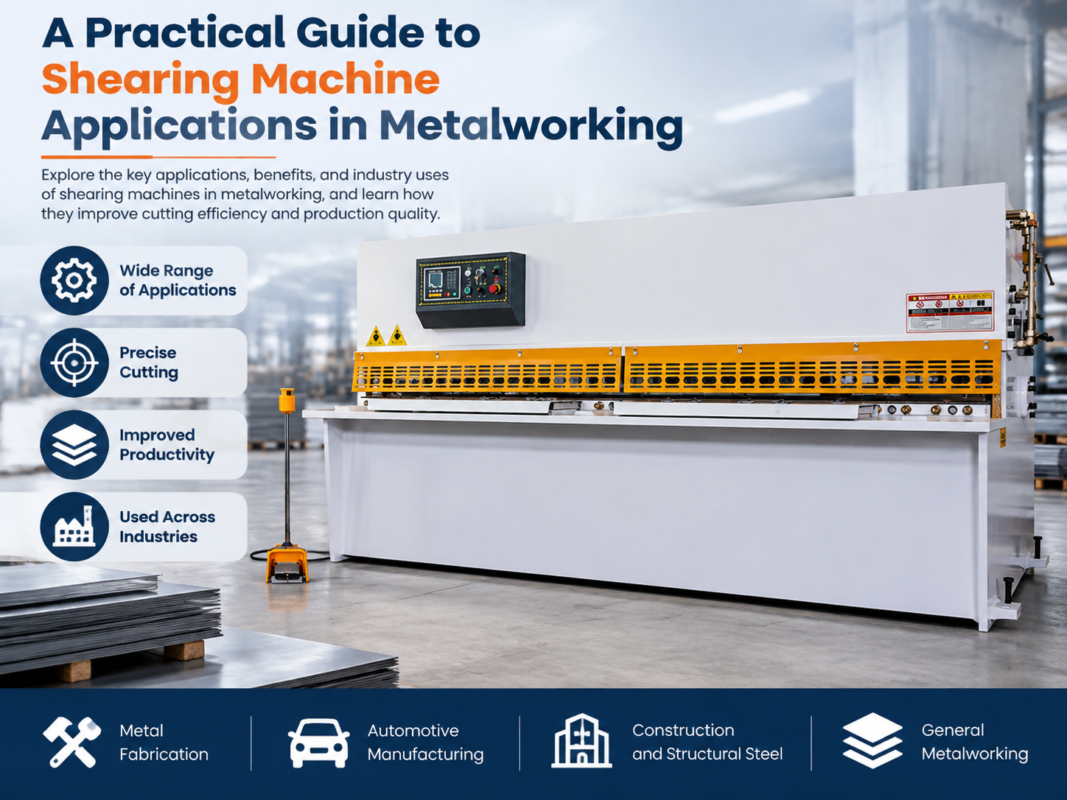
In the world of metal fabrication, the shearing machine is a cornerstone of production. Whether you are running a small job shop or a large-scale industrial manufacturing plant, the ability to accurately and efficiently cut sheet metal to size is critical. However, one of the most common challenges buyers face is understanding the nuances of Shearing Machine Capacity Comparison: Match Thickness Length Production. Choosing a machine that is underpowered leads to mechanical failure and poor cut quality, while over-investing in a machine with excessive capacity can drain your capital and increase operational costs unnecessarily.
Capacity in shearing is defined by two primary dimensions: the maximum thickness of the material and the maximum length of the cut. These two factors are inextricably linked. For instance, a machine rated for 10mm thickness at a 3000mm length may struggle if the material’s tensile strength exceeds standard mild steel ratings. Understanding how these variables interact with your specific production requirements is the key to optimizing your workflow. In this guide, we will break down the differences between the two most common types of shearing machines—Swing Beam and Guillotine—and provide a detailed framework for matching their specifications to your output goals.
Beyond just the physical dimensions, modern shearing technology incorporates CNC controls, automated backgauges, and variable rake angles. These features allow for greater flexibility but also add layers of complexity to the selection process. By the end of this article, you will have a clear roadmap for evaluating shearing machine capacities and selecting the HARSLE solution that best fits your industrial needs.
Comparison Summary: Swing Beam vs. Guillotine Shears
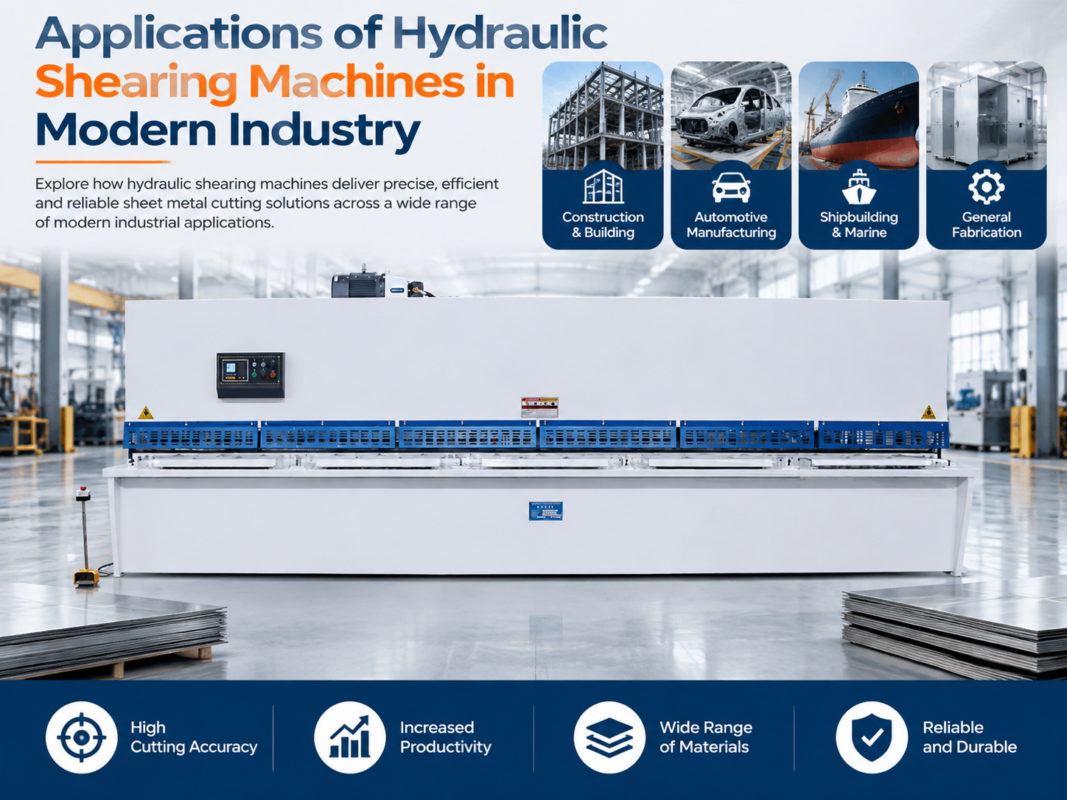
When comparing shearing machine capacities, the first major distinction is the mechanical design of the shear itself. The two industry standards are the Hydraulic Swing Beam Shear (QC12Y series) and the Hydraulic Guillotine Shear (QC11Y series). While both are designed to cut metal, they handle thickness and length in fundamentally different ways.
The Swing Beam shear operates on a pivot point. The upper blade moves in an arc, which provides a natural clearance for the material as it is cut. This design is generally more compact and cost-effective. However, because the blade moves in an arc, the rake angle (the angle of the blade relative to the plate) is fixed. This limits the machine’s ability to handle very thick materials without causing significant distortion or “twist” in the off-cut piece.
In contrast, the Guillotine shear moves the upper blade in a strictly vertical path using a set of heavy-duty gibs or rollers. This vertical movement allows for an adjustable rake angle. By increasing the rake angle, a guillotine shear can cut thicker materials with less force, though this may increase the distortion in the cut strip. Conversely, lowering the rake angle allows for incredibly precise, flat cuts on thinner materials. This versatility makes the guillotine shear the preferred choice for high-precision environments and heavy-duty applications where material thickness varies significantly.
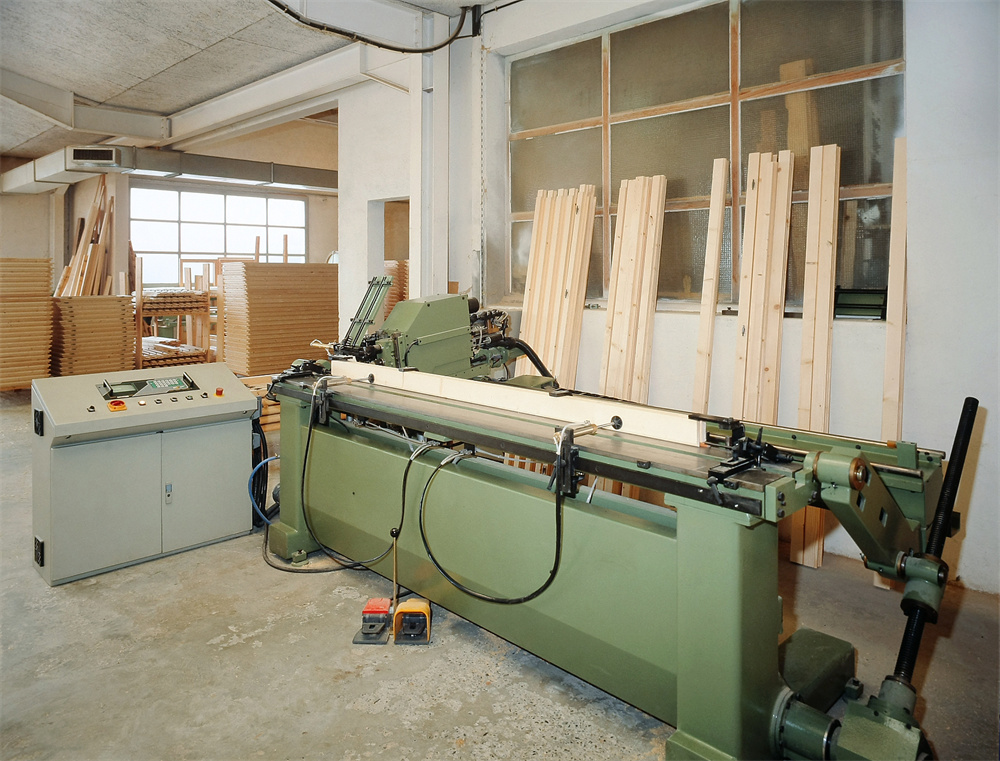
Machine A Overview: Hydraulic Swing Beam Shearing Machine
The Hydraulic Swing Beam Shearing Machine, such as the HARSLE QC12Y series, is the workhorse of the general fabrication industry. Its design is characterized by a moving upper beam that pivots on large bearings. This “swinging” motion is powered by two hydraulic cylinders. One of the primary advantages of this design is its simplicity. With fewer moving parts than a guillotine shear, the swing beam model is often easier to maintain and has a lower initial purchase price.
In terms of capacity, swing beam shears are typically optimized for mild steel thicknesses ranging from 4mm to 16mm and lengths from 2000mm to 6000mm. Because the blade gap (the distance between the upper and lower blades) is adjusted via a manual or motorized quick-set handle, operators can quickly transition between different gauges of metal. However, it is important to note that the fixed rake angle means that as you approach the maximum thickness capacity of the machine, the quality of the cut may show more “bow” or “twist” compared to a guillotine model.
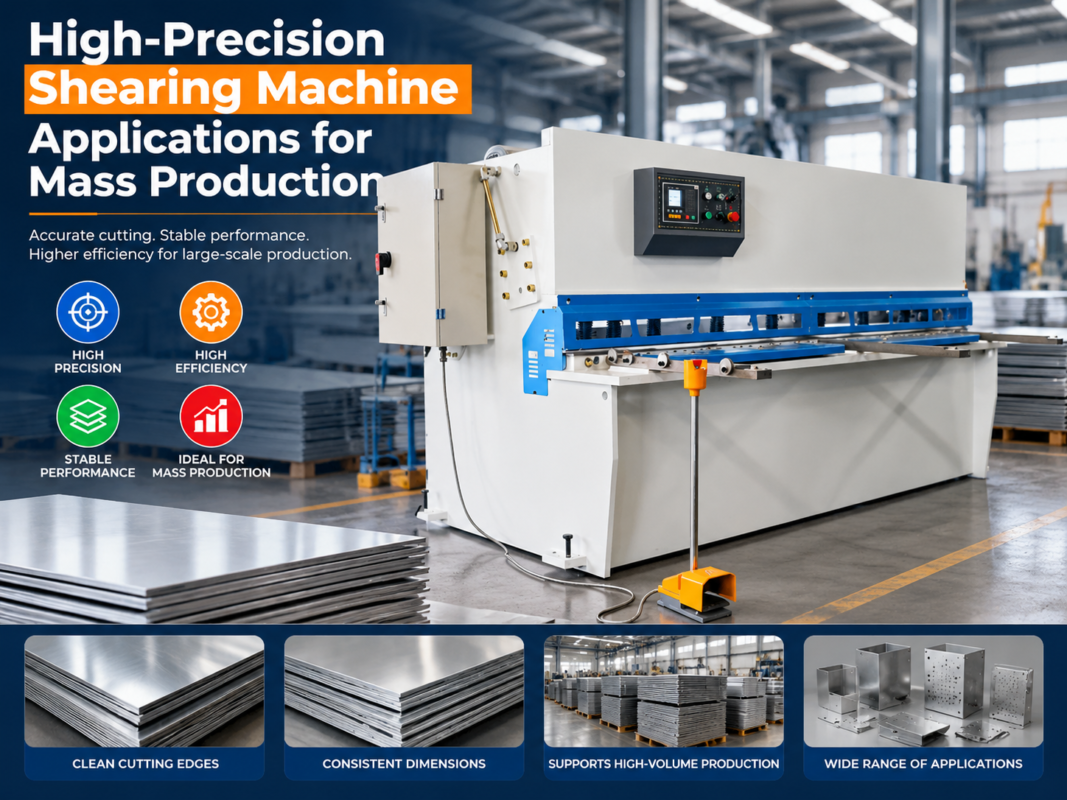
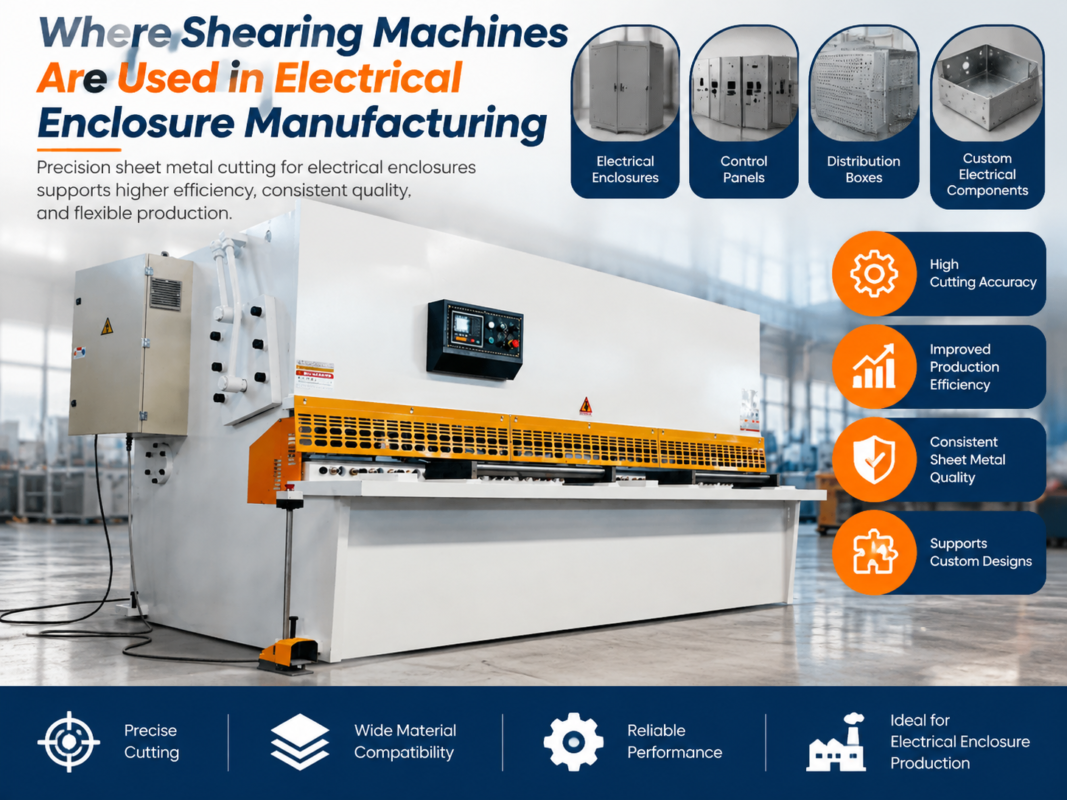
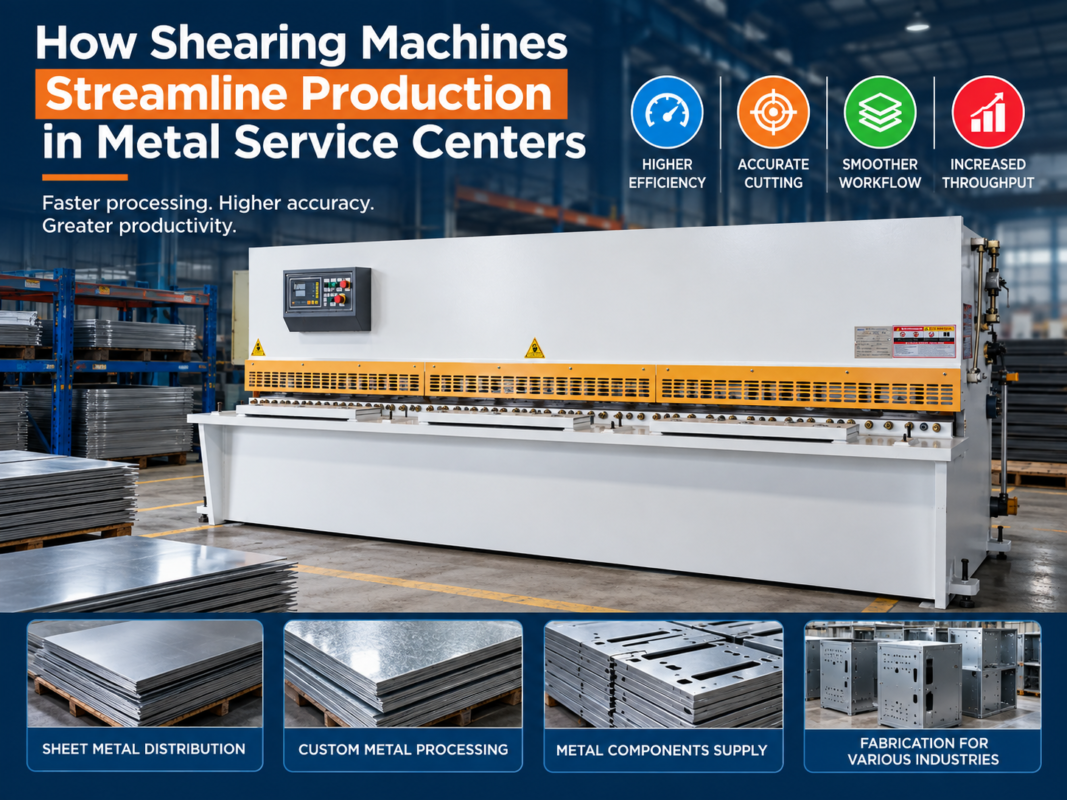
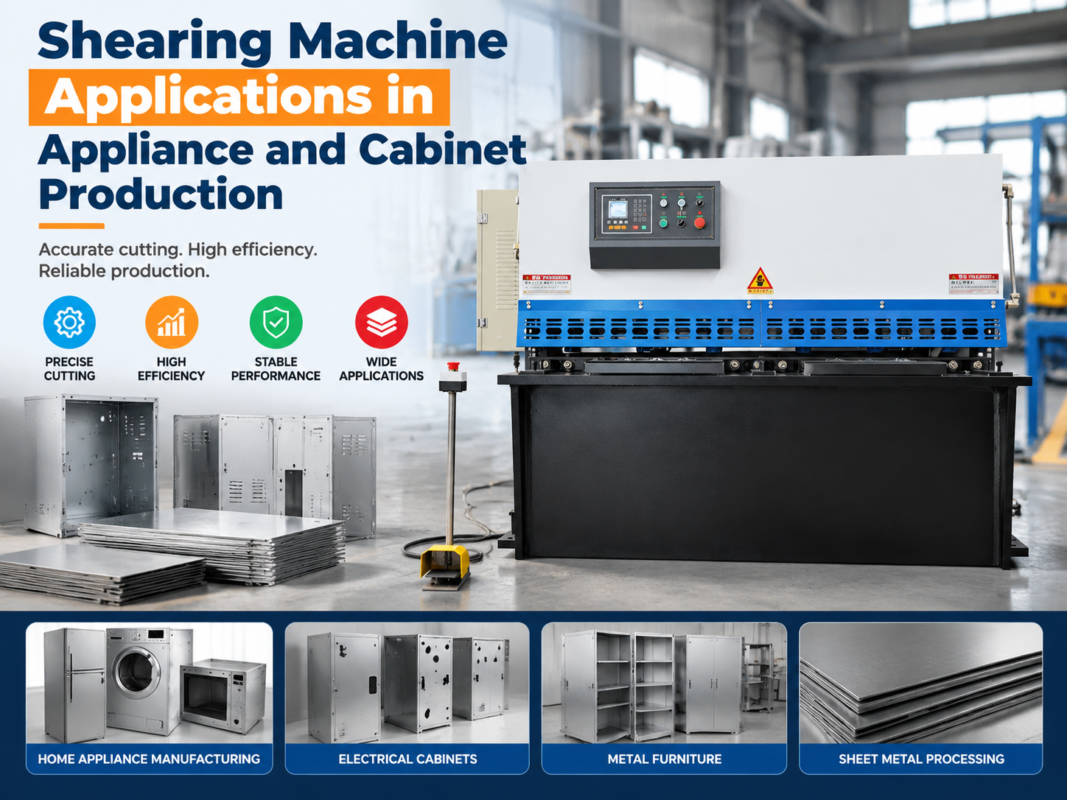
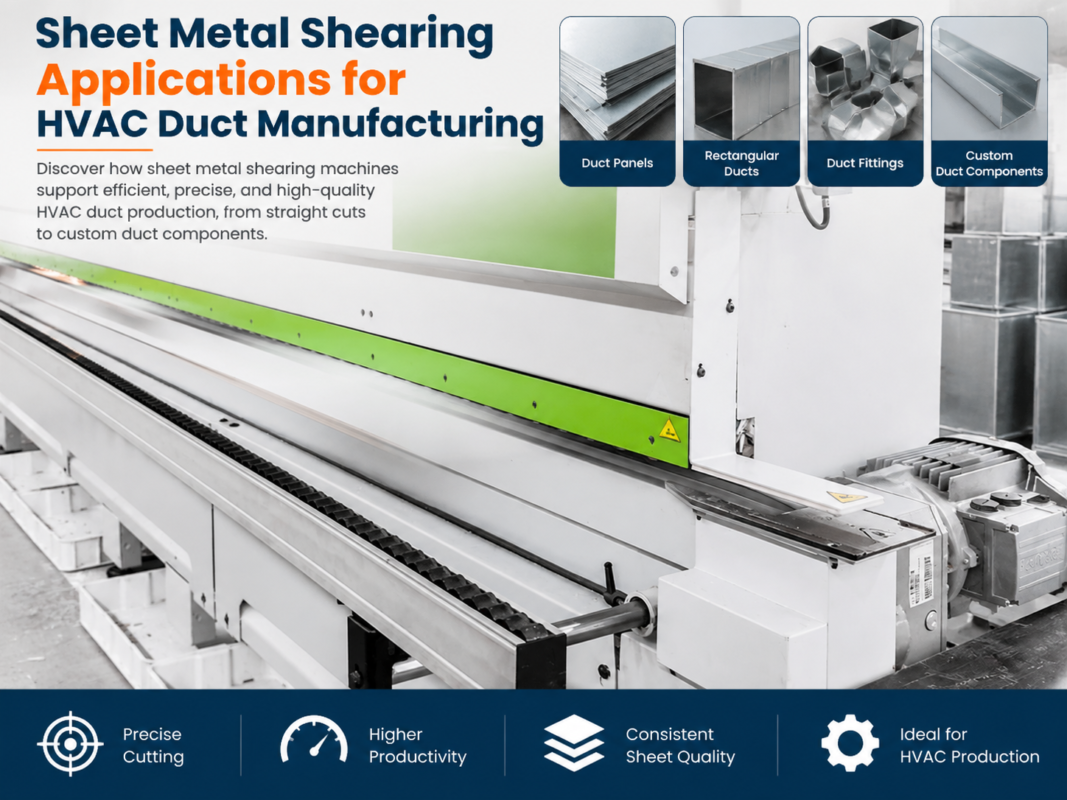
For production environments that primarily handle a consistent range of material thicknesses—such as HVAC ductwork, cabinet manufacturing, or light structural components—the swing beam shear offers an excellent balance of speed and reliability. It is a robust machine that can handle high-volume cycles without the complexity of variable rake systems. HARSLE’s swing beam models also feature integrated backgauges with digital readouts (like the E21S system), ensuring that length accuracy is maintained across thousands of cuts.
Machine B Overview: Hydraulic Guillotine Shearing Machine
The Hydraulic Guillotine Shearing Machine, represented by the HARSLE QC11Y series, is engineered for precision and heavy-duty performance. Unlike the swing beam, the guillotine’s blade moves straight down. This vertical travel is supported by a rigid frame and precision-ground guides, which eliminate the slight deflection inherent in a pivoting system. The standout feature of the guillotine shear is the adjustable rake angle, usually controlled via a CNC interface like the DAC360T.
Adjusting the rake angle is a game-changer for capacity management. When cutting thin sheets, a low rake angle (e.g., 0.5 degrees) ensures that the material remains perfectly flat with minimal distortion. When the production shift switches to heavy plate (e.g., 20mm or 25mm), the operator can increase the rake angle (up to 3 degrees or more). This reduces the required shearing force, allowing the machine to slice through thick steel that would stall a swing beam shear of similar size. This makes the guillotine shear the ultimate “all-rounder” for shops that take on diverse contracts.
Furthermore, guillotine shears often come equipped with more advanced blade gap adjustment systems. In many HARSLE models, the blade gap is automatically calculated and set by the CNC controller based on the material type and thickness entered by the operator. This reduces human error and significantly extends the life of the blades. If your production requires cutting high-tensile materials like stainless steel or AR400 wear plate, the rigidity and adjustability of a guillotine shear are indispensable.
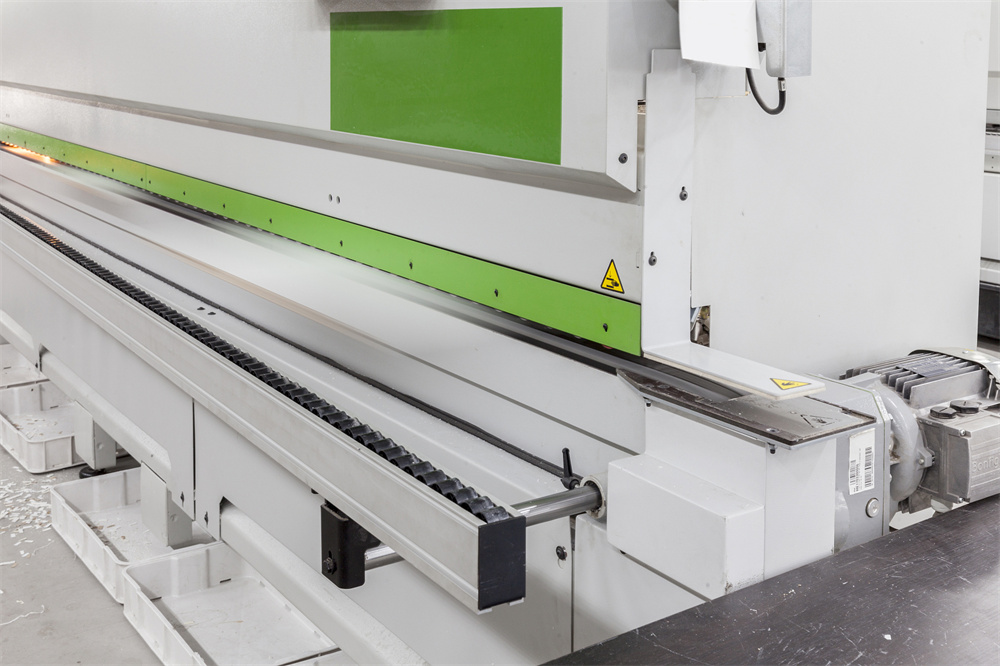
Specification Comparison Table
To help you visualize the Shearing Machine Capacity Comparison: Match Thickness Length Production, the following table outlines the typical specifications for standard HARSLE models. Note that these values are based on mild steel with a tensile strength of 450 N/mm².
| Feature | Swing Beam (QC12Y) | Guillotine (QC11Y) | Impact on Production |
|---|---|---|---|
| Max Thickness | 4mm – 16mm | 6mm – 40mm+ | Guillotine handles much heavier plates. |
| Max Length | 2000mm – 6000mm | 2000mm – 8000mm+ | Guillotine is better for extra-long plates. |
| Rake Angle | Fixed | Adjustable (0.5° – 3.5°) | Adjustable rake reduces plate distortion. |
| Blade Gap Adjustment | Manual/Motorized Handle | Automatic CNC Control | CNC provides faster setup and better accuracy. |
| Cut Quality | Good (some twist on thick) | Excellent (minimal distortion) | Guillotine is superior for narrow strips. |
| Maintenance | Low (Simple pivot) | Moderate (Guide rails) | Swing beam is easier for small shops. |
| Price Point | Economical | Premium | ROI depends on material variety and precision. |
Best-fit Applications for Different Capacities
Matching a shearing machine to your production isn’t just about the maximums; it’s about the daily reality of your workshop. If your production line is dedicated to a single product, such as 2mm galvanized steel panels for shelving, a high-speed, lower-capacity swing beam shear is the most efficient choice. The fixed rake angle is optimized for that thickness, and the fast cycle times will maximize your parts-per-hour output.
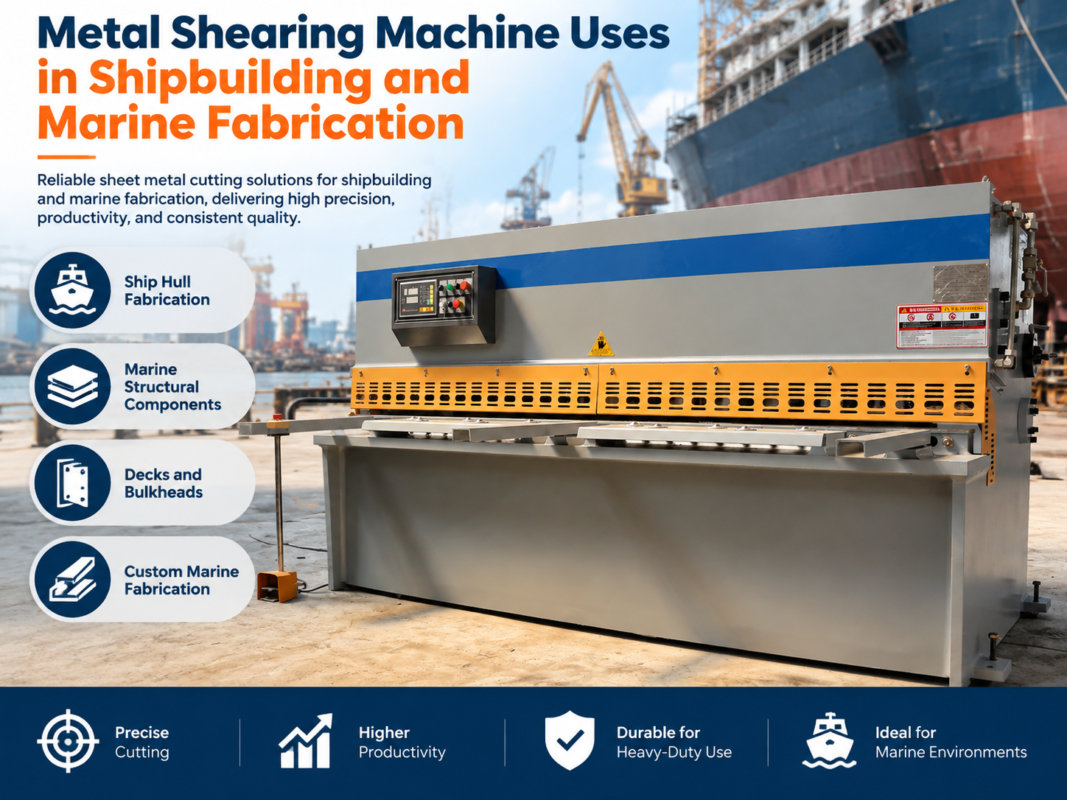
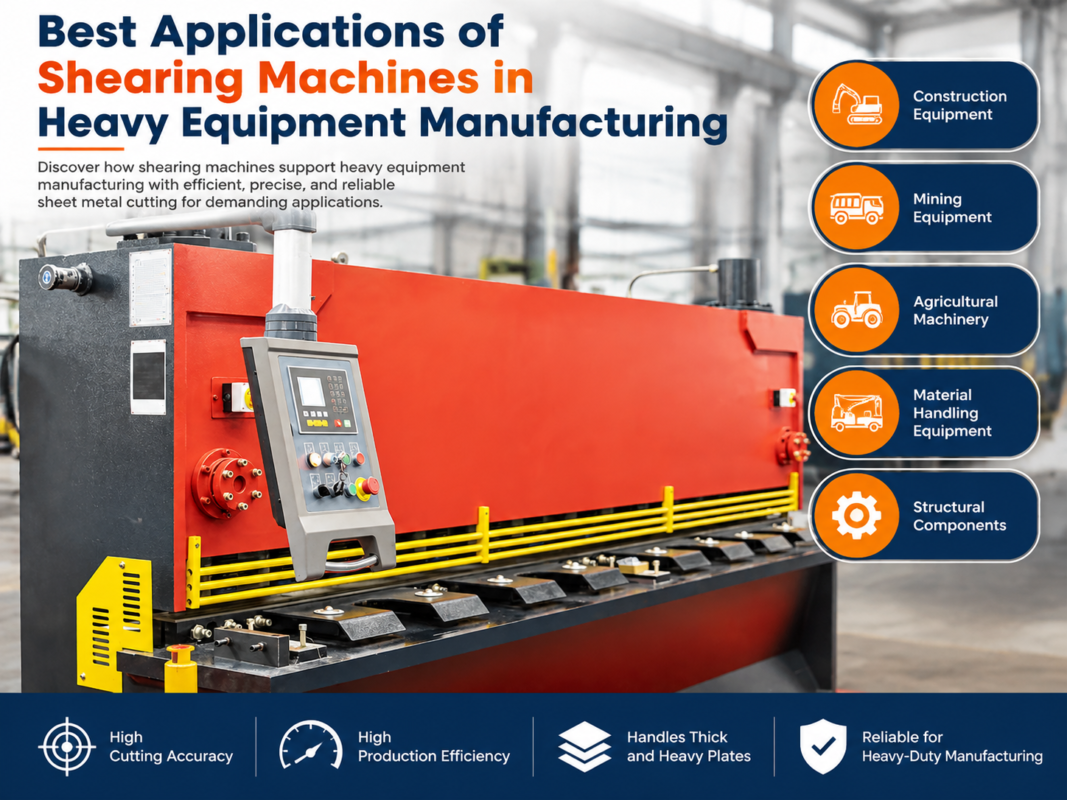
In contrast, heavy industries such as shipbuilding, bridge construction, and large-scale pressure vessel manufacturing require the massive capacity of a guillotine shear. These applications often involve plates that are 20mm thick and 6 meters long. The ability to adjust the rake angle ensures that even these massive cuts are straight and true, reducing the need for secondary grinding or straightening processes before welding. This saves hundreds of man-hours over the course of a project.
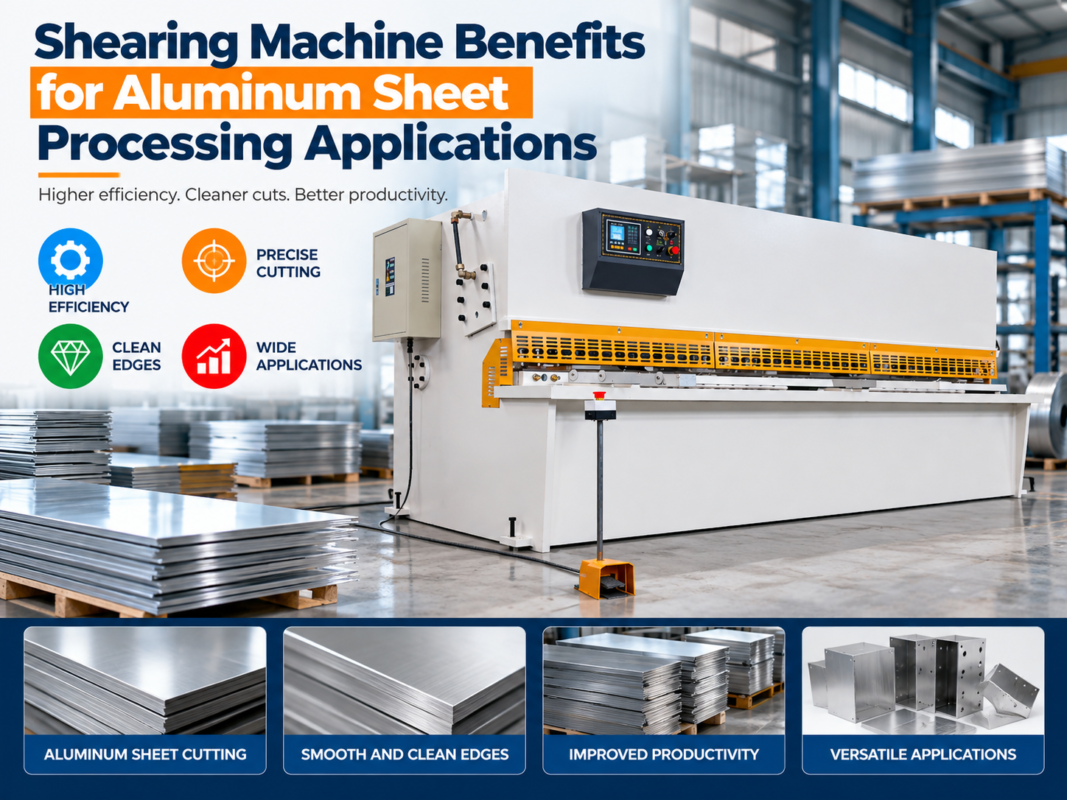
For general fabrication shops that act as “job shops,” the versatility of a mid-range guillotine shear (e.g., 12mm x 3200mm) is usually the best investment. One day you might be cutting 1mm aluminum, and the next, 10mm stainless steel. The CNC-controlled blade gap and rake angle allow the machine to adapt to these changes in seconds, ensuring that every job is profitable and meets quality standards. Additionally, consider the “backgauge depth.” If you are producing large panels, ensure the backgauge can travel far enough (typically 600mm to 1000mm) to accommodate your largest parts.
Cost and Maintenance Comparison
The total cost of ownership for a shearing machine includes the initial purchase price, energy consumption, and long-term maintenance. Swing beam shears are generally 20-30% less expensive than guillotine shears of the same length/thickness rating. This is due to the simpler frame design and the absence of the complex rake angle adjustment mechanism. For a startup or a shop with limited capital, the swing beam provides a faster path to ROI.
However, maintenance considerations favor the guillotine in high-precision environments. Because the guillotine moves vertically, the blades wear more evenly across their length. Furthermore, HARSLE guillotine blades typically have four cutting edges (the blade can be rotated four times before needing sharpening), whereas swing beam blades often only have two usable edges due to the arc of the cut. This means the cost of blade replacement and sharpening is effectively halved over the life of the machine.
Hydraulic maintenance is similar for both, requiring regular oil changes and filter replacements. However, the guillotine shear’s guide system (rollers or slides) requires periodic lubrication and inspection to ensure there is no play in the beam. A swing beam’s pivot bearings are usually sealed or require very infrequent greasing. When calculating your budget, factor in the cost of electricity; variable rake guillotine shears can sometimes be more energy-efficient because they don’t require maximum hydraulic pressure for thinner materials when the rake angle is optimized.
Recommendation: How to Choose Your HARSLE Shearing Machine
To make the final decision in the Shearing Machine Capacity Comparison: Match Thickness Length Production, follow this three-step checklist:
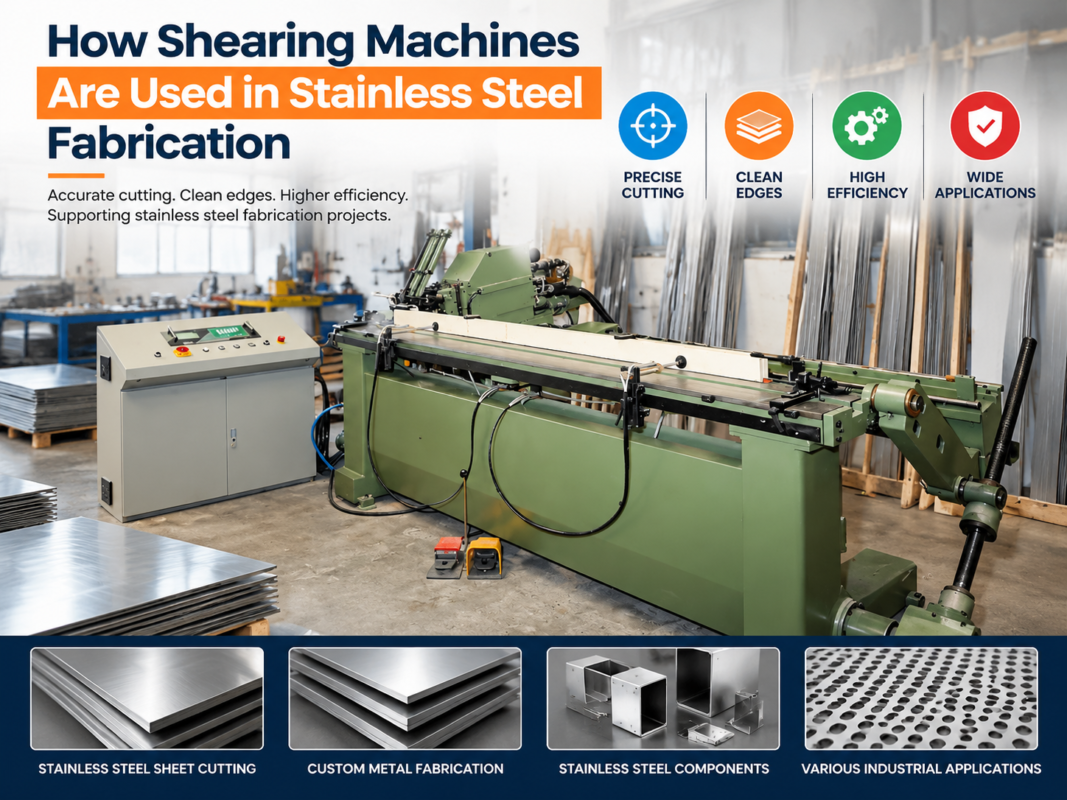
- Analyze Your Material Mix: If 90% of your work is under 6mm mild steel, a Swing Beam shear is your best value. If you regularly exceed 12mm or work with stainless steel, a Guillotine shear is mandatory to prevent machine strain and ensure cut quality.
- Evaluate Precision Requirements: If the sheared edge is the final edge of the product (e.g., for architectural panels), the guillotine’s ability to minimize twist and bow is essential. If the edge will be welded or hidden, the swing beam’s slight distortion is usually acceptable.
- Consider Future Growth: Always buy 20% more capacity than you currently need. If your thickest current material is 8mm, buy a 10mm or 12mm machine. This “buffer” ensures the machine isn’t constantly running at its mechanical limit, which significantly extends the lifespan of the hydraulics and the frame.
HARSLE offers a wide range of both QC12Y and QC11Y models. We recommend consulting with our technical team to provide your specific material grades (e.g., S235, S355, or Stainless 304) so we can calculate the exact tonnage and rake requirements for your production line. Investing in the right capacity today prevents the costly bottleneck of a machine that can’t keep up with your tomorrow.
Frequently Asked Questions (FAQ)
1. Can I cut stainless steel on a machine rated for mild steel?
Yes, but you must derate the capacity. Stainless steel is much harder and has higher tensile strength. Generally, a machine rated for 10mm mild steel can only safely cut about 5mm to 6mm of stainless steel. Always check the manufacturer’s conversion chart before attempting to cut harder alloys.
2. What is the “Rake Angle” and why does it matter?
The rake angle is the slope of the upper blade from one end to the other. A higher rake angle means only a small portion of the blade is in contact with the metal at any time, which reduces the force needed to cut. However, a high rake angle increases the “twist” in the cut strip. Guillotine shears allow you to adjust this angle to balance force and quality.
3. How often should I rotate or sharpen the shearing blades?
This depends on your production volume and material type. For standard mild steel, blades should be checked every 6-12 months. If you notice burrs on the edge of the metal or if the machine is making more noise than usual, it is time to rotate the blades to a fresh edge or send them for precision grinding.
4. Does the length of the machine affect its thickness capacity?
Indirectly, yes. A longer machine (e.g., 6 meters) experiences more frame deflection than a short machine (e.g., 2 meters). Manufacturers build longer machines with much heavier frames to compensate, but it is always harder to maintain a tight blade gap over a long distance. Always ensure your machine is perfectly leveled to maintain its rated capacity across the full length.
5. What is the benefit of a CNC backgauge?
A CNC backgauge, like those found on HARSLE machines, allows the operator to program multiple cuts of different lengths in a single sequence. This eliminates the need for manual measurements between cuts, significantly increasing production speed and reducing the margin for human error.