
How a Sheet Metal Fabricator Cut Production Time with a CNC Punching Machine

Introduction: The Evolution of Sheet Metal Productivity
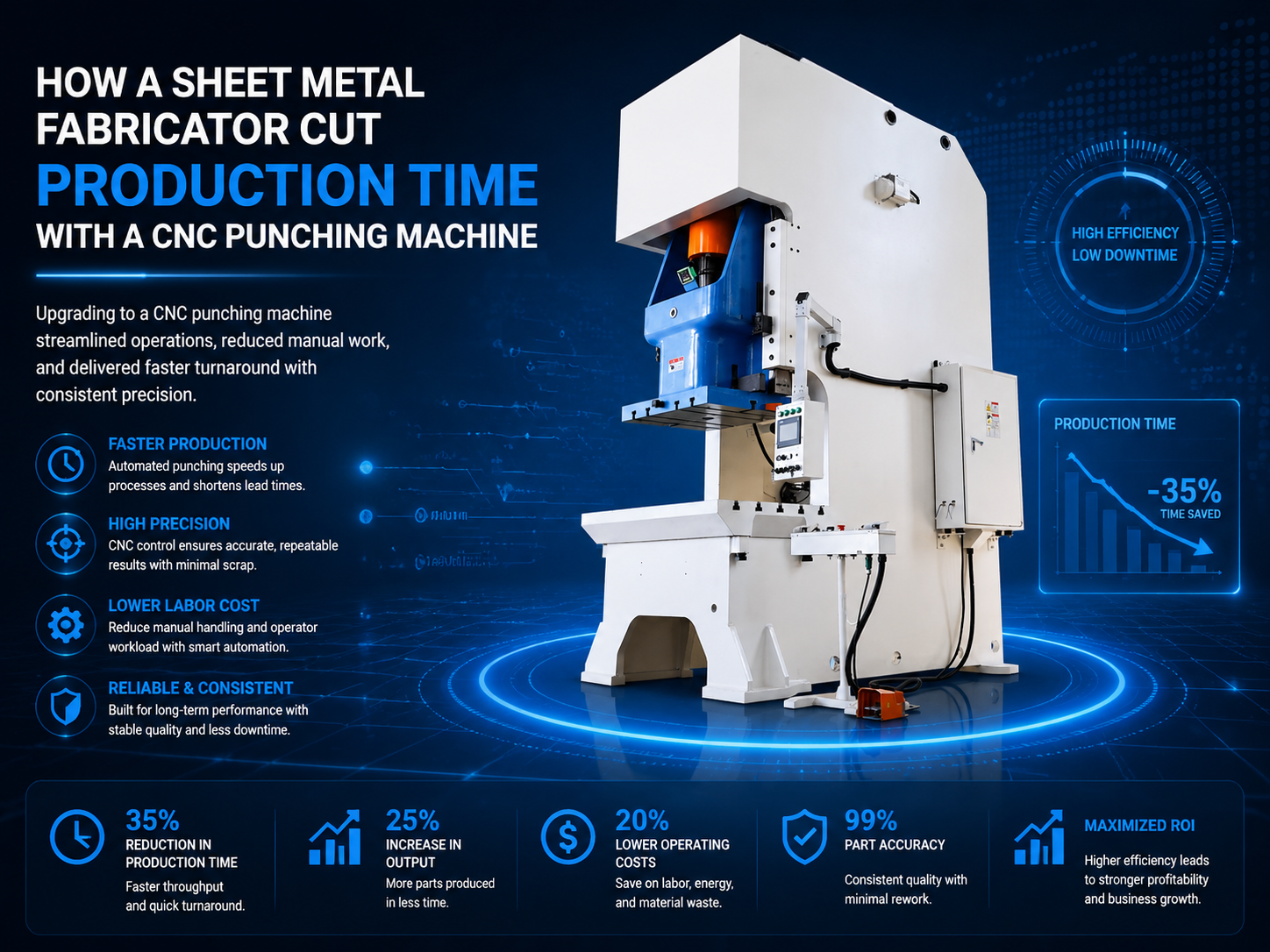
In the modern manufacturing landscape, speed and precision are no longer just competitive advantages; they are requirements for survival. For many years, traditional sheet metal shops relied on manual layout, mechanical presses, and labor-intensive processes to create perforated patterns, notches, and complex shapes. However, as market demands for shorter lead times and higher complexity grew, these traditional methods became a bottleneck. This article explores a transformative journey: how a sheet metal fabricator cut production time a CNC punching machine, specifically focusing on the integration of HARSLE’s advanced CNC technology into a high-volume production environment.
The transition from manual or semi-automatic processes to a fully integrated CNC (Computer Numerical Control) punching system represents a paradigm shift. By automating the positioning of the sheet and the selection of tools, fabricators can eliminate the human error associated with manual measurements. Furthermore, the ability to nest multiple parts on a single large sheet reduces material waste and handling time. For the fabricator in our case study, the goal was clear: reduce the cycle time per part by at least 40% while maintaining tighter tolerances for downstream assembly processes.
HARSLE has been at the forefront of this technological shift, providing robust, high-speed CNC turret punch presses that cater to both small job shops and large-scale industrial facilities. By understanding the synergy between hardware and software, fabricators can unlock levels of throughput that were previously thought impossible. In the following sections, we will dissect the technical considerations, the specific machinery features, and the strategic selection process that allowed this fabricator to revolutionize their shop floor operations.
Key Considerations for Improving Production Speed
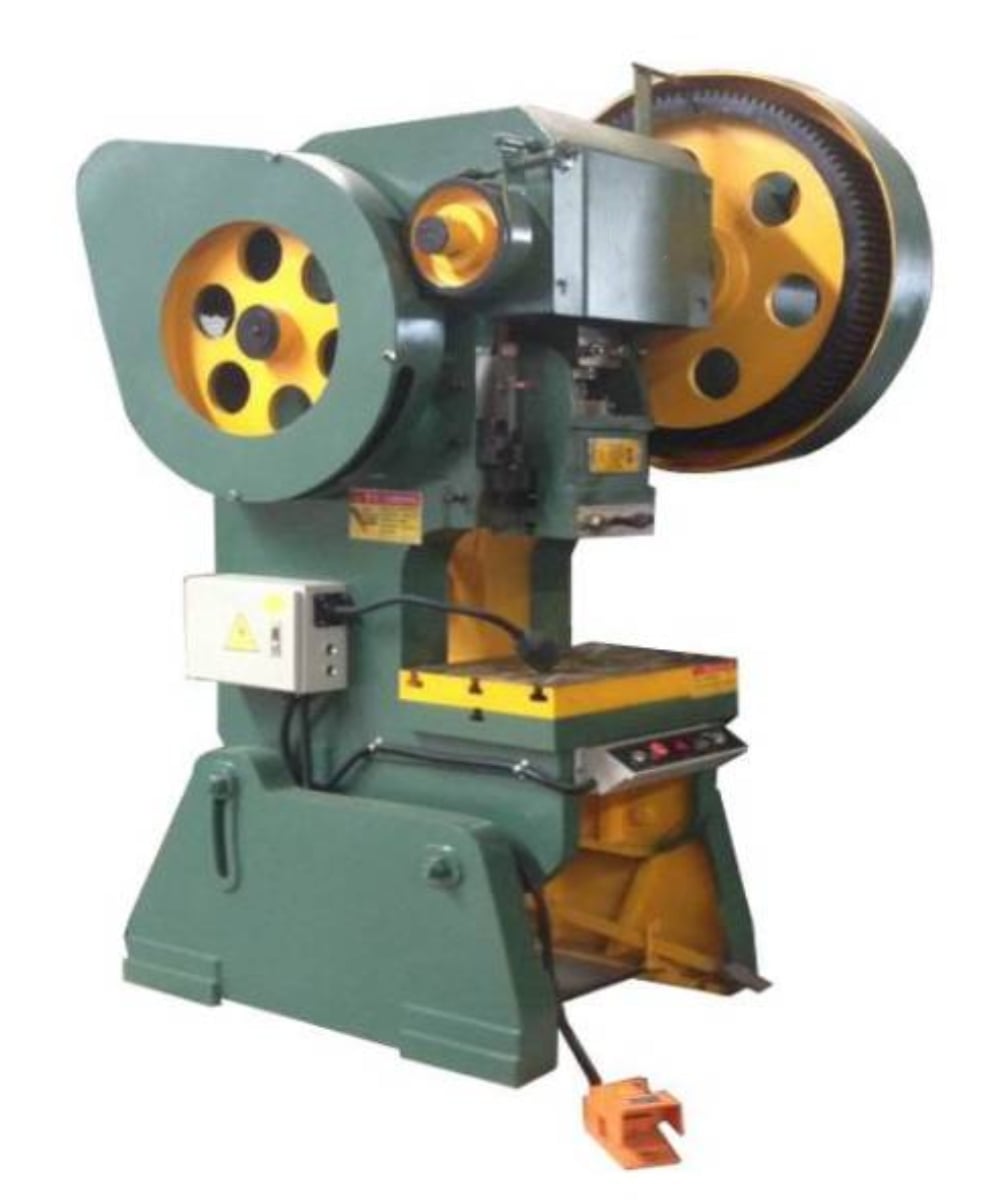
When analyzing how a sheet metal fabricator cut production time a CNC punching machine, several critical factors come into play. The first is the elimination of secondary operations. Traditional punching often leaves burrs or requires separate machines for different hole sizes. A modern CNC turret punch press allows for a wide variety of tools to be housed in a single turret, enabling the machine to perform punching, forming, and even tapping in a single setup. This “one-hit” philosophy drastically reduces the time parts spend sitting in bins waiting for the next process.
Another major consideration is the setup time. In a manual environment, changing a die set can take several minutes, if not longer. With a CNC turret, tool changes happen in seconds. For a fabricator dealing with diverse product lines—such as electrical enclosures, HVAC ducting, or automotive brackets—the ability to switch between jobs without significant downtime is the key to maintaining a high OEE (Overall Equipment Effectiveness) rating. The software integration also allows for “lights-out” manufacturing potential, where the machine can run with minimal supervision.
Material handling is often the most overlooked aspect of production time. A CNC punching machine with high-speed brush tables or ball tables allows the sheet to move rapidly (often over 100 meters per minute) without scratching the surface. This speed, combined with automated clamping systems, ensures that the actual “chip-to-chip” time is minimized. For the fabricator, this meant that a job that previously took eight hours of manual labor could now be completed in less than three hours, including the time taken for programming and loading.
Technical Details of Modern CNC Punching Systems
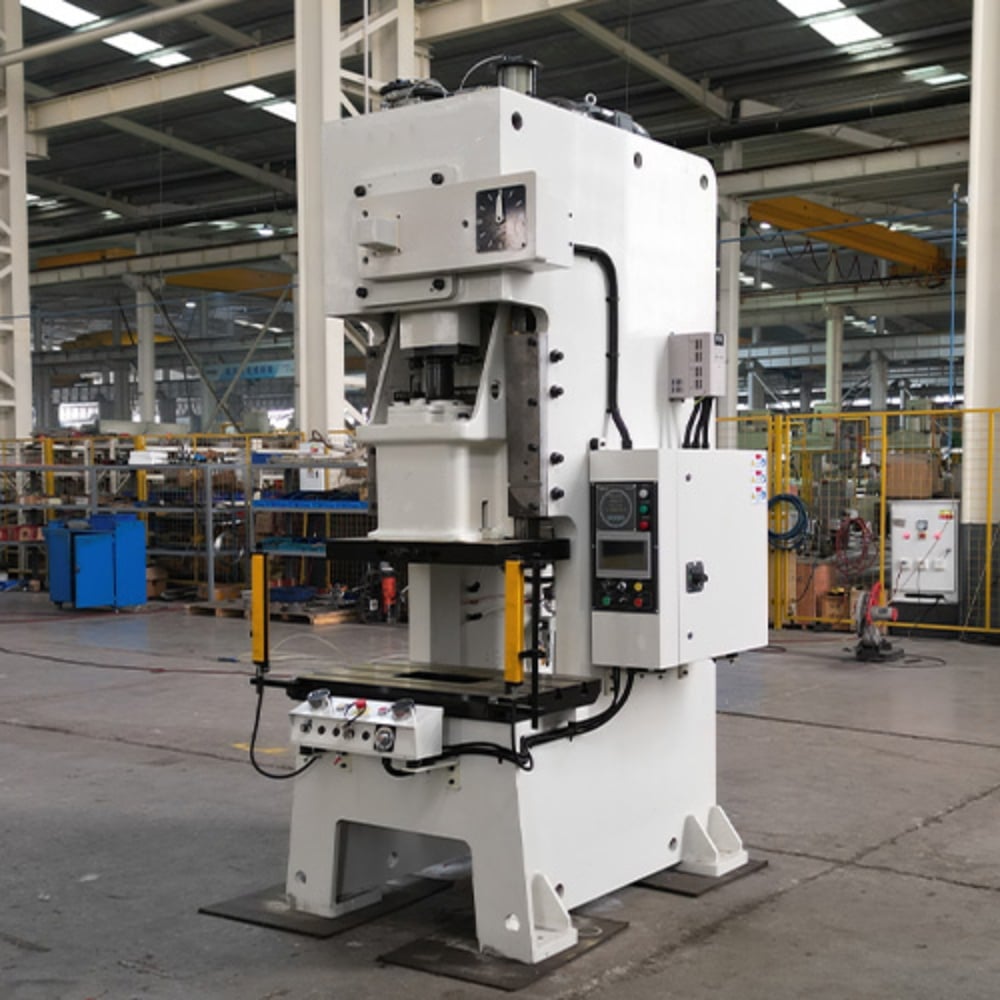
To understand the leap in efficiency, one must look at the technical specifications of the machinery. HARSLE CNC punching machines typically feature a high-rigidity O-type or C-type frame, which is heat-treated to eliminate internal stress. This ensures that even under high-tonnage operations, the machine maintains its alignment, which is crucial for tool longevity and part accuracy. The heart of the machine is the servo-hydraulic system or the full-electric servo drive, which controls the ram’s stroke with millimetric precision.
Turret Configuration and Tooling
The turret is the command center of the punching machine. Modern HARSLE units offer turrets with 24, 32, or even more stations. These stations are categorized by size (A, B, C, and D stations), allowing for a mix of small precision punches and large diameter tools. Auto-index stations are particularly vital; they allow the tool to rotate to any angle, reducing the number of specialized tools needed and allowing for complex nesting patterns that save material. This flexibility is a primary reason why a sheet metal fabricator cut production time a CNC punching machine.
Control Systems and Software
The integration of Fanuc or Siemens control systems provides a user-friendly interface for operators. However, the real magic happens in the CAD/CAM software. Programs like Lantek or CNCKAD allow engineers to import 3D models, automatically apply punching hits, and optimize the nesting of parts on a sheet. This software can calculate the most efficient path for the turret and the sheet, minimizing travel distance and maximizing hits per minute. The following table illustrates the typical performance metrics of a mid-range HARSLE CNC punch press:
| Feature | Specification Details | Impact on Production |
|---|---|---|
| Nominal Force | 300 kN (30 Tons) | Ability to punch thicker materials (up to 6.35mm) |
| Max. Sheet Size | 1250 x 2500 mm (with repositioning) | Processes large panels in a single program |
| Punching Accuracy | ± 0.1 mm | Eliminates rework and assembly fitment issues |
| Stroke Rate | Up to 600-1000 hpm | High-speed nibbling and marking capabilities |
| Turret Speed | 30 RPM | Rapid tool indexing for multi-tool jobs |
Selection Advice: Choosing the Right CNC Punching Machine
Selecting the right machine is a strategic decision that requires a deep dive into your current and future production needs. The first step is to evaluate your material thickness and type. If you primarily work with thin-gauge aluminum or galvanized steel, a high-speed mechanical or servo-electric punch might be ideal. However, for thicker stainless steel or heavy-duty brackets, a 30-ton or 50-ton hydraulic system is necessary to provide the required shearing force without straining the frame.
Consider the “Throat Depth” and “Sheet Size.” If your shop frequently handles 4×8 foot or 5×10 foot sheets, you need a machine that can accommodate these dimensions with minimal repositioning. Repositioning is a process where the clamps release and move the sheet to reach areas outside the initial work envelope. While modern CNCs handle this automatically, minimizing repositioning cycles is another way a sheet metal fabricator cut production time a CNC punching machine. Look for machines with large worktables and robust clamping systems that can handle the weight of heavy sheets at high acceleration.
Furthermore, evaluate the tooling ecosystem. Does the machine use standard “Long Stage” or “Thick Turret” tooling? Using industry-standard tooling ensures that you can source replacements easily and use specialized tools like louvers, knockouts, and countersinks. HARSLE machines are designed to be compatible with world-class tooling brands, giving fabricators the flexibility to tackle any design challenge. Finally, don’t overlook the importance of after-sales support and training. A machine is only as good as the operator’s ability to program and maintain it.
Step-by-Step: How the Fabricator Optimized Their Workflow
To provide a concrete example of how a sheet metal fabricator cut production time a CNC punching machine, let’s look at a typical workflow optimization process. The fabricator in question was producing server rack components. Previously, these required three different machines: one for shearing to size, one for punching holes, and a manual station for deburring.
- Unified Programming: The engineering team moved from manual drawings to a centralized CAD/CAM system. They created templates for common parts, allowing them to generate NC (Numerical Control) code in minutes.
- Nesting Strategy: Instead of cutting individual blanks, they began using full 1250x2500mm sheets. The software nested 20 different parts on a single sheet, significantly reducing material scrap.
- Multi-Tool Utilization: By using a “Multi-Tool” station (which holds several small punches in one turret station), they increased the effective tool capacity of the machine, allowing for complex hole patterns without stopping for tool changes.
- Automated Forming: They utilized the CNC punch’s ability to perform small bends and forms (like bridge lances for cable ties). This eliminated the need to move the parts to a press brake for minor forming operations.
- Micro-Jointing: The machine was programmed to leave tiny “micro-joints” between the parts and the skeleton. This allowed the entire sheet to be processed as one unit and then easily snapped apart by the operator, saving hours of manual sorting.
FAQ: Common Questions About CNC Punching Efficiency
How does a CNC punching machine compare to a fiber laser?
While fiber lasers are excellent for complex contours and very thick materials, CNC punching machines are significantly faster for repetitive patterns (like perforated grids) and can perform forming operations (louvers, ribs, etc.) that a laser cannot. For many fabricators, a combination of both or a punch-laser combo is the ultimate solution.
What is the typical ROI for a HARSLE CNC punching machine?
Most fabricators see a return on investment within 12 to 24 months. This is driven by labor savings, reduced material waste, and the ability to take on more complex, higher-margin work that was previously impossible to produce competitively.
Can a CNC punching machine handle stainless steel?
Yes, provided the machine has sufficient tonnage (usually 30 tons or more) and the tooling is specifically coated for stainless steel applications. HARSLE machines are built with the rigidity required to handle the high shear forces of stainless steel without excessive vibration.
Is specialized training required for the operators?
While the interface is intuitive, proper training in CAD/CAM software and tool maintenance is essential. HARSLE provides comprehensive training packages to ensure that your team can maximize the machine’s potential from day one.
How does the machine prevent scratching on sensitive materials?
HARSLE machines use brush tables instead of steel ball tables for sensitive materials like polished stainless or aluminum. The brushes support the sheet while allowing it to glide smoothly, preventing any surface marring during high-speed movement.
Conclusion: The Future of Your Fabrication Shop
The story of how a sheet metal fabricator cut production time a CNC punching machine is a testament to the power of industrial automation. By moving away from fragmented, manual processes and embracing a centralized, high-speed CNC workflow, the fabricator not only increased their output but also improved the quality and consistency of their products. In an era where labor costs are rising and customer expectations are higher than ever, the efficiency gained from a HARSLE CNC turret punch press is a game-changer.
Investing in a CNC punching machine is not just about buying a piece of equipment; it’s about investing in a faster, leaner, and more profitable future. Whether you are looking to reduce lead times, minimize scrap, or expand your capabilities into complex forming and punching, the right CNC solution provides the foundation for growth. As technology continues to advance, those who adopt these automated solutions will be best positioned to lead the market. Explore HARSLE’s range of CNC punching machines today and take the first step toward transforming your production floor.


