
Press Brake Applications for Shipbuilding and Marine Metal Fabrication: A Comprehensive Guide


Introduction to Press Brake Applications in the Maritime Industry
The shipbuilding and marine metal fabrication industry represents one of the most demanding sectors for metal forming technology. Unlike light-duty manufacturing, marine fabrication involves massive scales, high-strength materials, and extreme precision requirements to ensure structural integrity against the relentless forces of the ocean. At the heart of this process lies the industrial press brake—a machine capable of exerting thousands of tons of pressure to shape the backbone of modern vessels and offshore structures.
HARSLE has long been at the forefront of providing high-performance CNC press brakes tailored for these heavy-duty applications. From the construction of massive container ships to the intricate components of offshore wind farms, the versatility of the press brake is indispensable. This guide explores the specific Press Brake Applications Shipbuilding Marine Metal Fabrication requires, detailing the technical nuances that make these machines the cornerstone of maritime engineering.
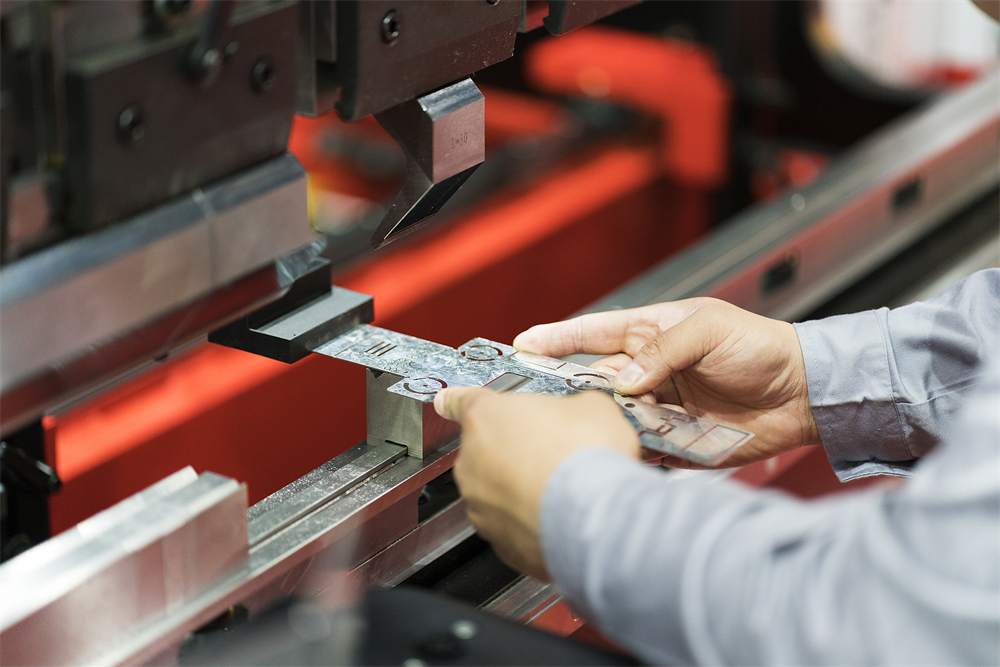
Detailed Application Scenarios in Shipbuilding
1. Hull Plate Forming and Curvature
The hull of a ship is its most critical structural element, requiring complex curvatures to minimize hydrodynamic drag and withstand hydrostatic pressure. While some hull sections are formed using rolling machines, many structural reinforcements and specific angled sections require the precision of a press brake. Large-scale press brakes are used to create the longitudinal and transverse frames that provide the skeleton for the hull plates. These components must be bent to exact specifications to ensure a perfect fit during the assembly phase, reducing the need for excessive gap-filling during welding.
2. Corrugated Bulkheads
In the construction of tankers and bulk carriers, corrugated bulkheads are widely used to provide structural strength without the added weight of traditional stiffeners. A press brake is the primary tool for creating these large-scale corrugations. By bending thick steel plates into repetitive V or U shapes, fabricators can create walls that are incredibly rigid. This application requires a machine with a long bed—often utilizing tandem configurations—to handle plates that can exceed 12 meters in length.
3. Offshore Platform Components
Offshore oil and gas platforms, as well as wind turbine foundations (monopiles and jackets), rely heavily on thick-walled tubular and conical sections. Press brakes are used to pre-form these sections before they are rolled or to create the heavy-duty brackets, walkways, and support structures that populate these massive floating cities. The materials used here are often high-yield steels that require immense tonnage and sophisticated springback compensation to achieve the desired geometry.
4. Marine Interior and Deck Fittings
Beyond the heavy structural elements, shipbuilding involves a vast amount of secondary metal fabrication. This includes cable trays, HVAC ducting, engine room flooring, and staircases. These components are often made from stainless steel or aluminum to resist corrosion. CNC press brakes allow for the rapid production of these smaller but essential parts, ensuring that every bracket and support fits perfectly within the tight confines of a ship’s interior layout.
Material and Process Requirements
High-Strength Marine Grade Steels
Shipbuilding primarily utilizes high-strength, low-alloy (HSLA) steels such as AH36, DH36, and EH36. These materials are designed to offer excellent weldability and notch toughness at low temperatures. However, their high yield strength makes them difficult to bend. A press brake used in this context must have the structural rigidity to handle the high concentrated loads without deforming. Furthermore, the machine must account for the significant springback inherent in these materials, where the metal attempts to return to its original shape after the pressure is released.
Aluminum Alloys for High-Speed Craft
For fast ferries, naval patrol boats, and luxury yachts, aluminum alloys like 5083 and 5086 are preferred for their lightweight and corrosion-resistant properties. Bending aluminum requires a different approach than steel; it is more prone to cracking if the bend radius is too tight and can suffer from surface marking. Press brakes for marine aluminum fabrication often utilize specialized tooling and precision-controlled speeds to maintain the material’s integrity.
Thickness and Length Challenges
Marine fabrication often deals with plate thicknesses ranging from 10mm to over 50mm. Bending such thick material requires massive V-die openings and high-tonnage capacities (often 1000T to 3000T or more). Additionally, the length of the parts—such as side shells or deck beams—necessitates machines with long working tables. This is where tandem press brakes, which synchronize two or more machines to work as one, become essential.
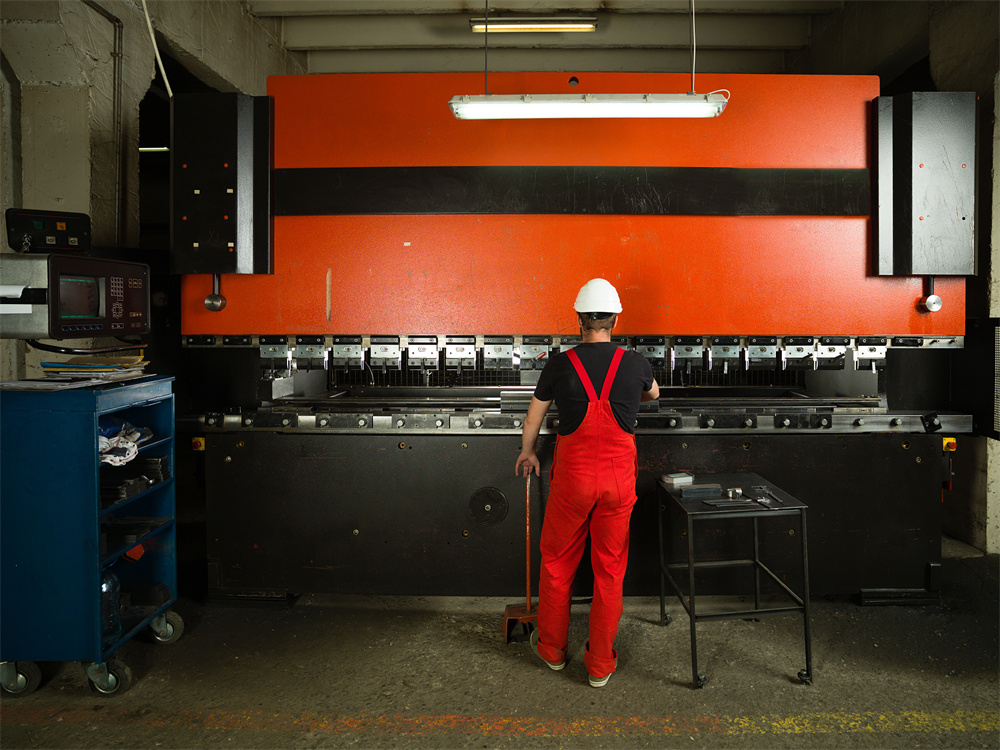
Recommended Machine Configuration for Marine Fabrication
To meet the rigorous demands of Press Brake Applications Shipbuilding Marine Metal Fabrication, HARSLE recommends specific configurations designed for power, precision, and durability.
1. Tandem CNC Press Brake Systems
For the long plates typical in shipbuilding, a tandem configuration is the gold standard. By linking two 600-ton or 1000-ton machines, fabricators gain the flexibility to bend extremely long parts (up to 16-20 meters) or operate the machines independently for smaller components. This maximizes ROI and ensures the facility can handle a wide variety of project scales.
2. Advanced Crowning Systems
When bending long, heavy plates, the deflection of the machine’s bed and ram is inevitable. To ensure a consistent angle across the entire length of the bend, an automatic hydraulic or mechanical crowning system is vital. This system compensates for the deflection in real-time, ensuring that the middle of the bend is just as accurate as the ends.
3. Heavy-Duty Backgauge Systems
The backgauge in a marine-focused press brake must be robust enough to handle the impact of heavy plates being positioned by cranes. Multi-axis CNC backgauges (X, R, Z1, Z2) allow for complex positioning, while heavy-duty finger stops ensure that even the heaviest plates remain stable during the bending cycle.
4. Specialized Tooling
Shipbuilding requires large-radius bending to prevent stress fractures in the hull. This necessitates the use of large-radius top tools and adjustable-opening V-dies. Multi-V dies or CNC-adjustable dies allow operators to change the die opening without manually swapping out heavy blocks of steel, significantly reducing setup time.
Workflow in Marine Metal Bending
- Design and CAD Integration: The process begins with 3D models of the ship’s components. These are imported into the press brake’s CNC software (such as Delem or Cybelec) to determine the optimal bend sequence and calculate the flat pattern length.
- Material Preparation: Plates are typically cut to size using CNC plasma or laser cutting machines. For thick marine steel, edges may be beveled before bending to prepare for subsequent welding stages.
- Tooling Selection: Based on the material thickness and required radius, the operator selects the appropriate punch and die. In heavy-duty applications, this often involves hydraulic tool clamping systems to handle the weight of the tools.
- Programming and Simulation: The CNC controller simulates the bending process to check for potential collisions between the workpiece and the machine frame. This is crucial when handling large, expensive marine plates.
- The Bending Operation: The plate is positioned using the backgauge. For massive plates, front-sheet supports or crane-assisted followers are used to support the material as it rises during the bend, preventing “back-bending” or operator injury.
- Quality Inspection: Post-bend inspection involves checking the angle accuracy using laser measuring systems and verifying the dimensions against the master blueprint.
Productivity Benefits of Modern Press Brakes
Integrating advanced press brakes into a shipyard’s workflow offers transformative benefits:
- Reduced Welding: By bending a single large plate instead of welding multiple smaller sections together, fabricators reduce the number of weld seams. This improves structural integrity and significantly cuts down on non-destructive testing (NDT) costs.
- Material Savings: Precision CNC bending reduces scrap by ensuring the first part is right every time. In an industry where high-grade steel is a major cost driver, this is a significant advantage.
- Faster Assembly: Accurately bent components fit together perfectly during the hull block assembly. This eliminates the need for time-consuming “force-fitting” or on-site grinding and trimming.
- Enhanced Safety: Modern press brakes feature advanced safety light curtains and laser guards, protecting operators from the immense forces involved in heavy-duty bending.
Case Example: Constructing a 12-Meter Bulkhead
A leading shipyard recently upgraded its facility with a HARSLE 1600-ton 12-meter tandem CNC press brake. Their goal was to produce corrugated bulkheads for a new series of chemical tankers. Previously, they relied on smaller machines and extensive welding, which led to heat distortion and long production cycles.
With the new tandem system, they were able to feed a single 12-meter plate into the machine. The CNC controller managed the synchronized movement of both rams to within microns. By using a large-radius punch and an adjustable V-die, they completed the corrugation process in a fraction of the time. The result was a bulkhead with superior strength, zero weld-related distortion, and a 40% reduction in total production time for that specific section.
Frequently Asked Questions (FAQ)
What is the maximum thickness a press brake can bend for marine applications?
With the right tonnage and die opening, industrial press brakes can bend steel plates exceeding 50mm to 100mm. However, the maximum thickness depends on the material’s yield strength and the width of the V-die. HARSLE provides custom solutions for extreme thickness requirements.
Why is a tandem press brake preferred over a single long machine?
Tandem machines offer greater flexibility. You can use them together for very long parts or separately for two different smaller jobs. They are also easier to transport and install than a single 12-meter machine frame, which would be incredibly massive and difficult to ship.
How do you handle the weight of large plates during the bending process?
We use CNC-controlled sheet followers. These are motorized supports that move in synchronization with the bending speed, supporting the weight of the plate as it bends upward. This prevents the plate from kinking under its own weight and ensures operator safety.
Can CNC press brakes handle the high-tensile steel used in naval vessels?
Yes, but it requires a machine with high tonnage and a robust frame. The CNC system must also have advanced springback compensation features to ensure the final angle is accurate despite the material’s tendency to snap back.
Conclusion: Partnering with HARSLE for Marine Excellence
The demands of Press Brake Applications Shipbuilding Marine Metal Fabrication require more than just raw power; they require a synergy of precision, software integration, and structural durability. HARSLE’s range of high-tonnage and tandem press brakes are engineered to meet these challenges head-on, providing shipbuilders with the tools they need to build the next generation of maritime vessels.
Whether you are fabricating hull sections, offshore platforms, or intricate marine interiors, our technical team is ready to help you configure the perfect machine for your needs. Invest in reliability, invest in HARSLE.
Ready to elevate your marine fabrication capabilities?
Contact HARSLE today for a custom consultation on our heavy-duty CNC press brakes and discover how we can streamline your shipbuilding workflow.

