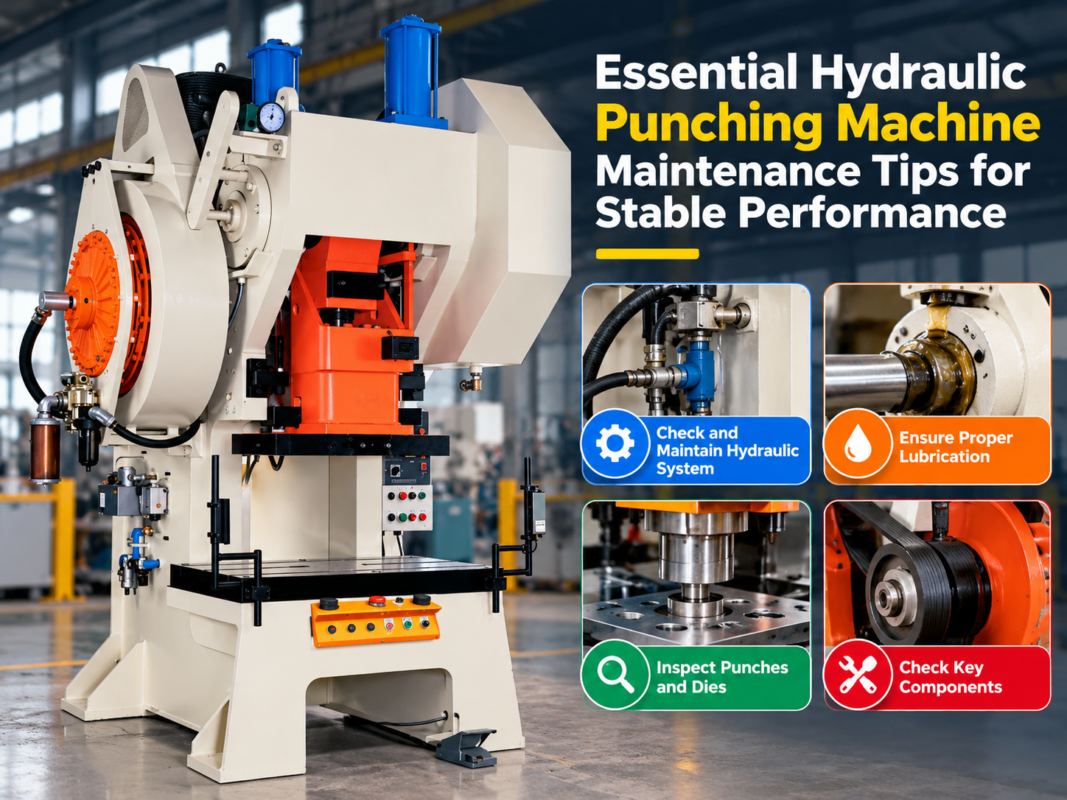
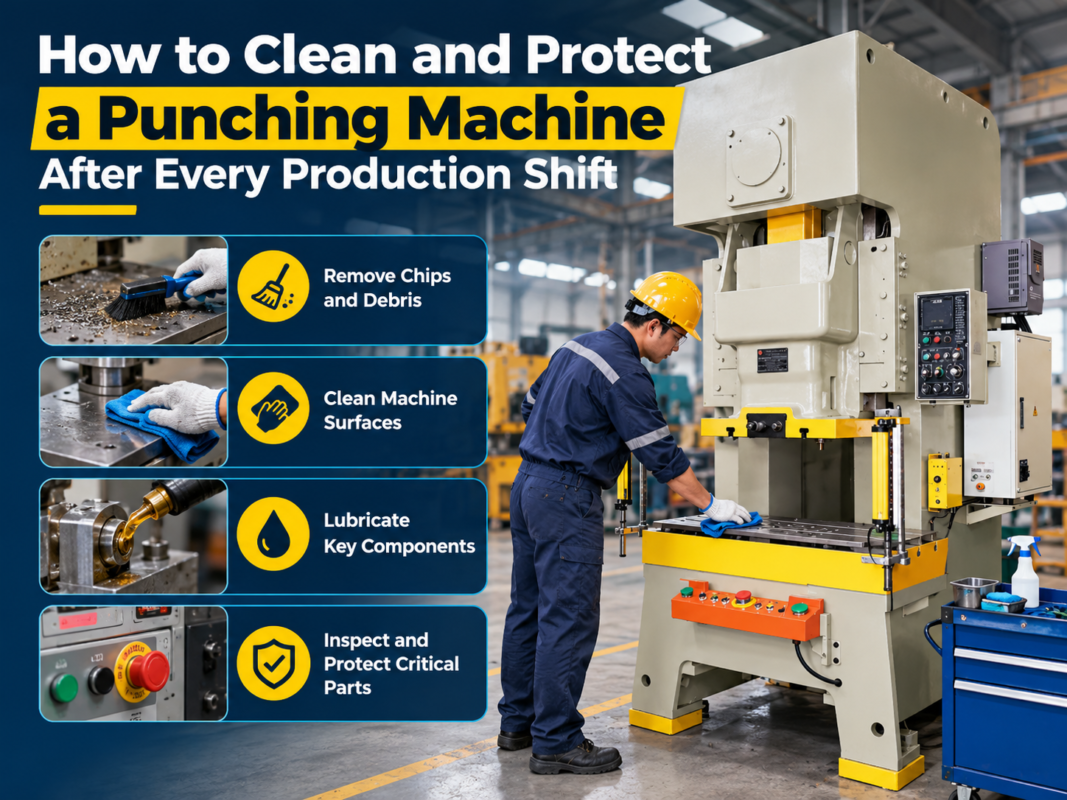
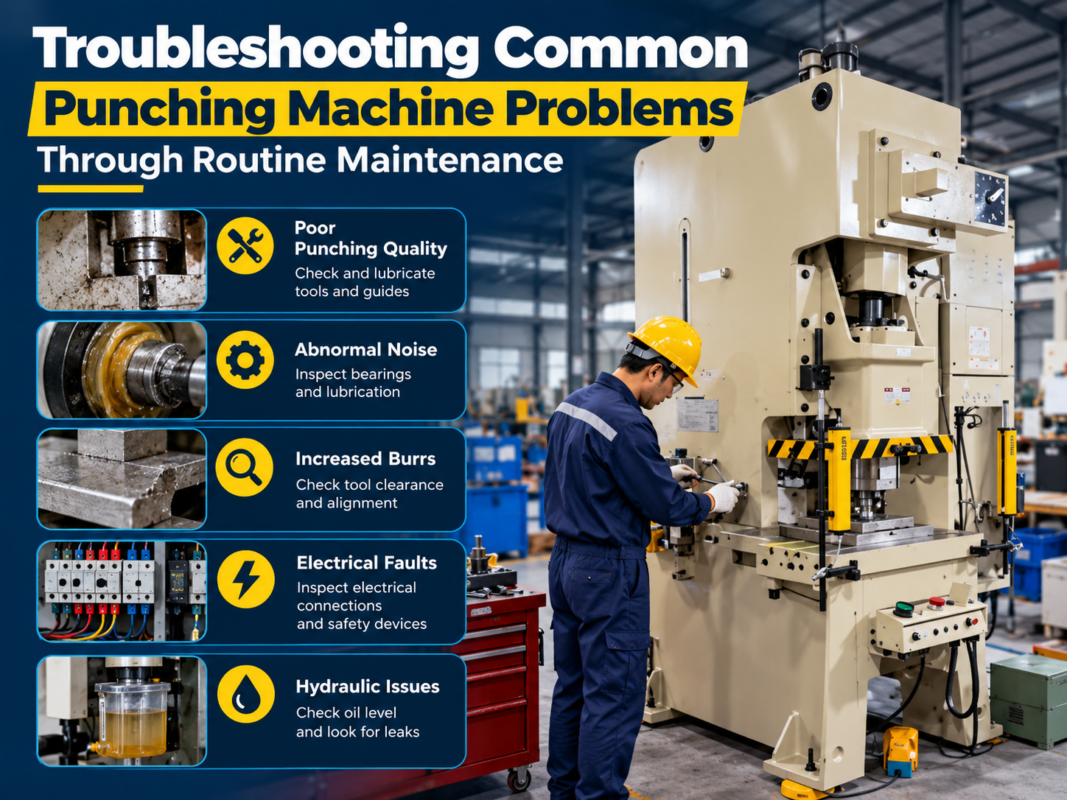
Hydraulic Press Maintenance Checklist for Longer Machine Life: The Ultimate Guide


The Critical Role of Maintenance in Hydraulic Press Longevity
In the high-stakes world of metal fabrication, the hydraulic press stands as a cornerstone of production. Whether it is used for deep drawing, stamping, forging, or assembly, the reliability of this machine directly impacts a facility’s bottom line. However, the sheer power and complexity of hydraulic systems mean that neglect can lead to catastrophic failures. Implementing a Hydraulic Press Maintenance Checklist for Longer Machine Life is not merely a recommendation; it is a fundamental business strategy. A well-maintained machine operates with higher precision, consumes less energy, and, most importantly, ensures the safety of the operators who interact with it daily.
The philosophy of maintenance has evolved from reactive—fixing things when they break—to proactive and predictive. For HARSLE machines, which are engineered for high performance, a proactive approach ensures that every component, from the smallest O-ring to the massive main cylinder, functions within its designed parameters. When maintenance is ignored, the “domino effect” takes hold. A small leak leads to low fluid levels, which causes the pump to cavitate, eventually leading to a total system overhaul that could cost tens of thousands of dollars in parts and lost production time.
Furthermore, the precision required in modern manufacturing leaves no room for error. A hydraulic press that is not properly leveled or has worn gibs will produce parts that fall outside of tolerance. This leads to increased scrap rates and dissatisfied customers. By following a rigorous maintenance schedule, manufacturers can preserve the structural integrity of the press frame and the accuracy of the ram movement, ensuring that the thousandth part produced is just as perfect as the first. This guide provides an exhaustive breakdown of the steps necessary to keep your hydraulic press running at peak efficiency for decades.
Finally, we must consider the resale value and the total cost of ownership (TCO). A machine with a documented maintenance history commands a much higher price on the secondary market. More importantly, the TCO is significantly lower when minor adjustments prevent major repairs. Throughout this article, we will explore the technical nuances of hydraulic, electrical, and mechanical systems, providing you with a comprehensive Hydraulic Press Maintenance Checklist for Longer Machine Life that serves as the definitive resource for your maintenance department.
Daily Inspection: The First Line of Defense
The daily inspection is perhaps the most vital part of any maintenance program. It requires no specialized tools—only a keen eye and a disciplined routine. Before the shift begins, the operator should perform a walk-around inspection. This process identifies potential issues before they escalate into mid-shift breakdowns. The first item on the daily checklist is checking for fluid leaks. Hydraulic systems operate under immense pressure; even a pinhole leak can discharge a dangerous amount of fluid in a short time. Check around hose fittings, cylinder seals, and valve blocks. If a puddle is forming on the floor, the machine should be locked out until the source is identified and repaired.
Next, the operator must verify the oil level in the reservoir. Most HARSLE hydraulic presses feature a sight glass or a digital level sensor. The oil should be checked when the ram is in the up position (or as specified by the manual) to ensure an accurate reading. Low oil levels can lead to air being sucked into the pump, causing aeration and cavitation, which destroys pump internals. While checking the oil, observe its color and clarity. If the oil appears milky, it indicates water contamination. If it looks dark or smells burnt, it has likely oxidized due to excessive heat. Both conditions require immediate attention to prevent damage to the sensitive proportional valves.
Safety systems must also be tested every single day. This includes light curtains, emergency stop buttons, and two-hand control interlocks. A hydraulic press is a powerful tool, and safety features are the only thing preventing life-altering injuries. If a light curtain fails to stop the ram mid-stroke during a test, the machine must be taken out of service immediately. Additionally, check the ram for any signs of scoring or “pick-up.” The chrome surface of the ram should be smooth and lightly coated with a thin film of oil. Deep vertical scratches indicate that contaminants have bypassed the wiper seal and are grinding against the cylinder bushings.
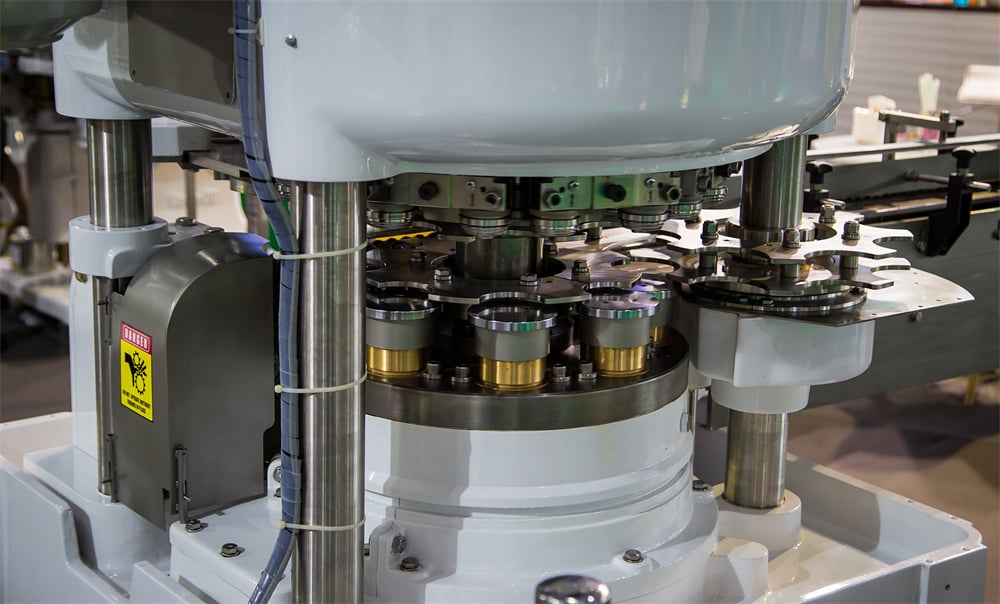
Lastly, listen to the machine as it starts up. An experienced operator knows the “song” of their machine. Unusual high-pitched whining, rhythmic banging, or excessive vibration are all signals that something is wrong. These sounds often point to pump issues, loose mounting bolts, or air trapped in the lines. By documenting these daily findings in a logbook, the maintenance team can track trends over time, such as a slow increase in operating temperature or a recurring leak, allowing for planned intervention during scheduled downtime rather than an emergency stop.
Hydraulic System Maintenance: The Heart of the Press
The hydraulic system is the lifeblood of the press, and the hydraulic fluid is its most critical component. To achieve a Hydraulic Press Maintenance Checklist for Longer Machine Life, one must focus heavily on fluid cleanliness. It is estimated that 70-80% of hydraulic system failures are caused by fluid contamination. Microscopic particles, often invisible to the naked eye, act as an abrasive, wearing down the precision-machined surfaces of pumps and valves. Therefore, the filtration system must be maintained with religious fervor. Filters should be changed according to the manufacturer’s hour-meter intervals or whenever the “filter dirty” indicator light activates.
Oil temperature management is another critical aspect. Most hydraulic presses are designed to operate with oil temperatures between 100°F and 130°F (38°C to 54°C). If the oil exceeds 140°F, the chemical structure of the fluid begins to break down, leading to the formation of varnish and sludge. This sludge can clog the small orifices in solenoid valves, causing sluggish performance or erratic ram movement. Ensure that the cooling system—whether it is an air-cooled heat exchanger or a water-cooled shell-and-tube system—is clean and functioning. For air-cooled systems, blow out the radiator fins with compressed air regularly to remove dust and debris that insulate the coils.
The hydraulic pump and valves also require periodic inspection. Check the mounting bolts of the pump to ensure they haven’t vibrated loose. Inspect the flexible couplings between the motor and the pump; if the rubber insert is wearing out, it can cause misalignment and premature bearing failure. For the valves, check for “weeping” around the solenoids. While some valves are designed to have a slight internal bypass for lubrication, external leaks are a sign of seal failure. If the press is equipped with an accumulator, the nitrogen pre-charge must be checked every six months. An undercharged accumulator will cause the pump to cycle too frequently, leading to excessive wear and heat generation.
Finally, consider the hoses and piping. Hydraulic hoses have a finite lifespan. Over time, the rubber degrades due to heat and pressure cycles, becoming brittle. Look for cracks in the outer cover or any signs of bulging. A hose burst under high pressure is not only a maintenance nightmare but a severe safety hazard. Ensure that hoses are not rubbing against sharp metal edges or other hoses. Using protective sleeves or properly securing hoses with clamps can significantly extend their life. When replacing hoses, always use the correct pressure rating and ensure the interior of the new hose is cleaned of any manufacturing debris before installation.
Electrical System Maintenance: Ensuring Precision Control
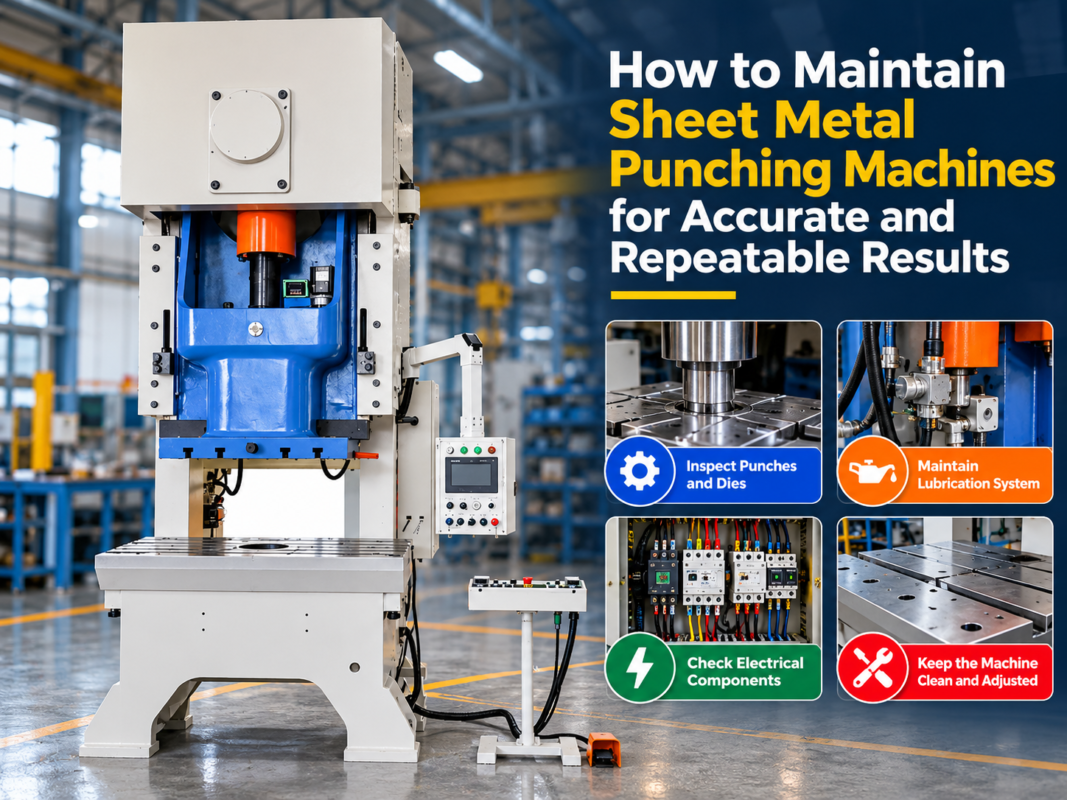
Modern HARSLE hydraulic presses rely on sophisticated electrical systems, including PLCs (Programmable Logic Controllers), HMI touchscreens, and various sensors to control pressure, position, and speed. The primary enemy of electrical components is heat and dust. Electrical cabinets should remain closed and sealed at all times. If the cabinet is equipped with a cooling fan or an air conditioner, the filters must be cleaned or replaced monthly. Overheating in the control cabinet can lead to intermittent PLC errors or the premature failure of solid-state relays and motor starters.
Vibration is another factor that affects electrical reliability. Over months of operation, the constant vibration of the press can cause terminal screws to loosen. A loose connection creates high resistance, which generates heat and can eventually melt the wire insulation or cause a fire. During quarterly maintenance, the power should be disconnected, and a technician should systematically check the tightness of all connections in the main control panel and the junction boxes located on the machine. This is also a good time to inspect the wiring for any signs of fraying or damage caused by oil exposure, as some hydraulic fluids can be corrosive to certain types of wire insulation.
Sensors, such as linear transducers and pressure switches, are the “eyes” of the press. If a linear transducer is coated in grease and metal dust, its accuracy may drift, leading to inconsistent stroke depths. Clean these sensors with appropriate electronic cleaners and ensure their mounting brackets are secure. For machines using limit switches, check the physical actuators for wear. A bent limit switch arm can cause the ram to over-travel, potentially damaging the tooling or the press frame. Regularly backing up the PLC program and HMI parameters is also a crucial, yet often overlooked, part of electrical maintenance. In the event of a lightning strike or power surge, having a recent backup can reduce recovery time from days to hours.
Mechanical Components and Structural Integrity
The mechanical frame of a hydraulic press is built to withstand millions of pounds of force, but it is not indestructible. The Hydraulic Press Maintenance Checklist for Longer Machine Life must include a thorough inspection of the press structure. Check the main tie-rods or frame bolts for proper tension. In large four-column presses, if one tie-rod nut becomes loose, the stress is distributed unevenly across the other three, which can lead to frame cracking or a snapped tie-rod. Use ultrasonic testing or specialized tensioning tools if required by the manufacturer for large-scale equipment.
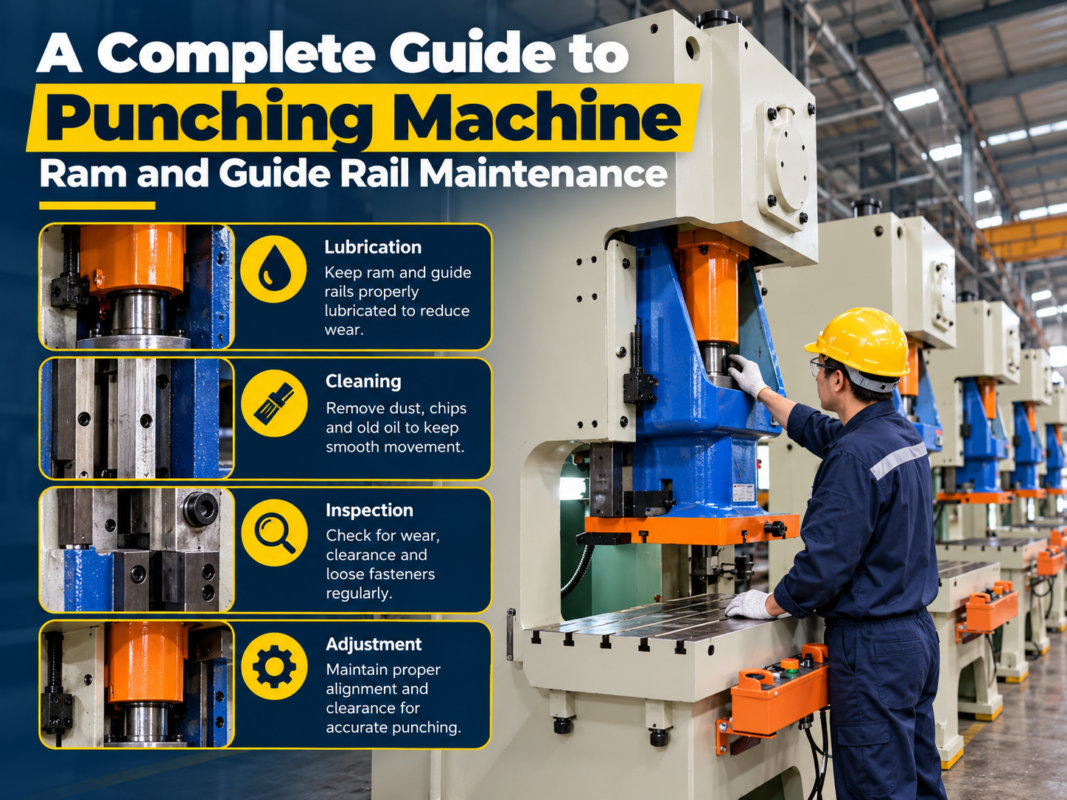
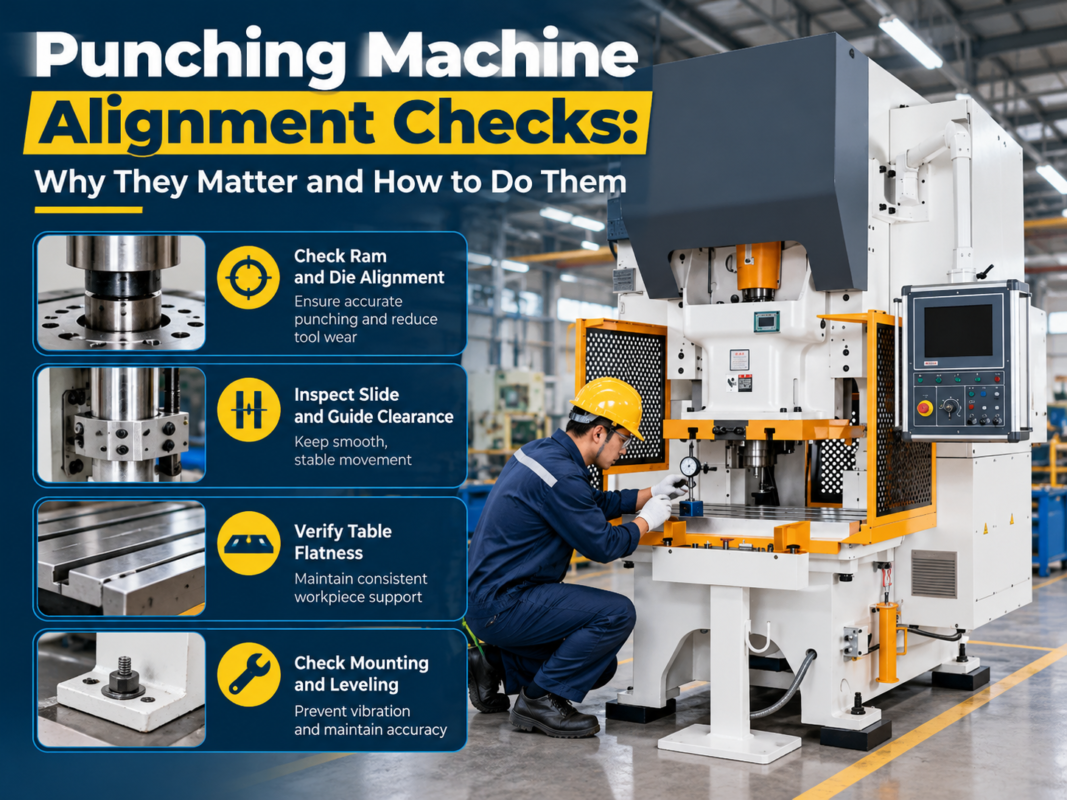
The ram and its guiding system (gibs) are critical for maintaining parallelism between the upper and lower bolsters. As the press cycles, the gibs wear down. If the clearance becomes too large, the ram will begin to tilt or “yaw” under load. This not only ruins the tooling but also puts immense side-load pressure on the main cylinder seals, leading to leaks. Measure the gib clearance with a feeler gauge according to the HARSLE technical manual. If the clearance exceeds the specified limit, the gibs must be adjusted or shimmed. Ensure that the lubrication system for the gibs is delivering the correct amount of oil or grease to all sliding surfaces.
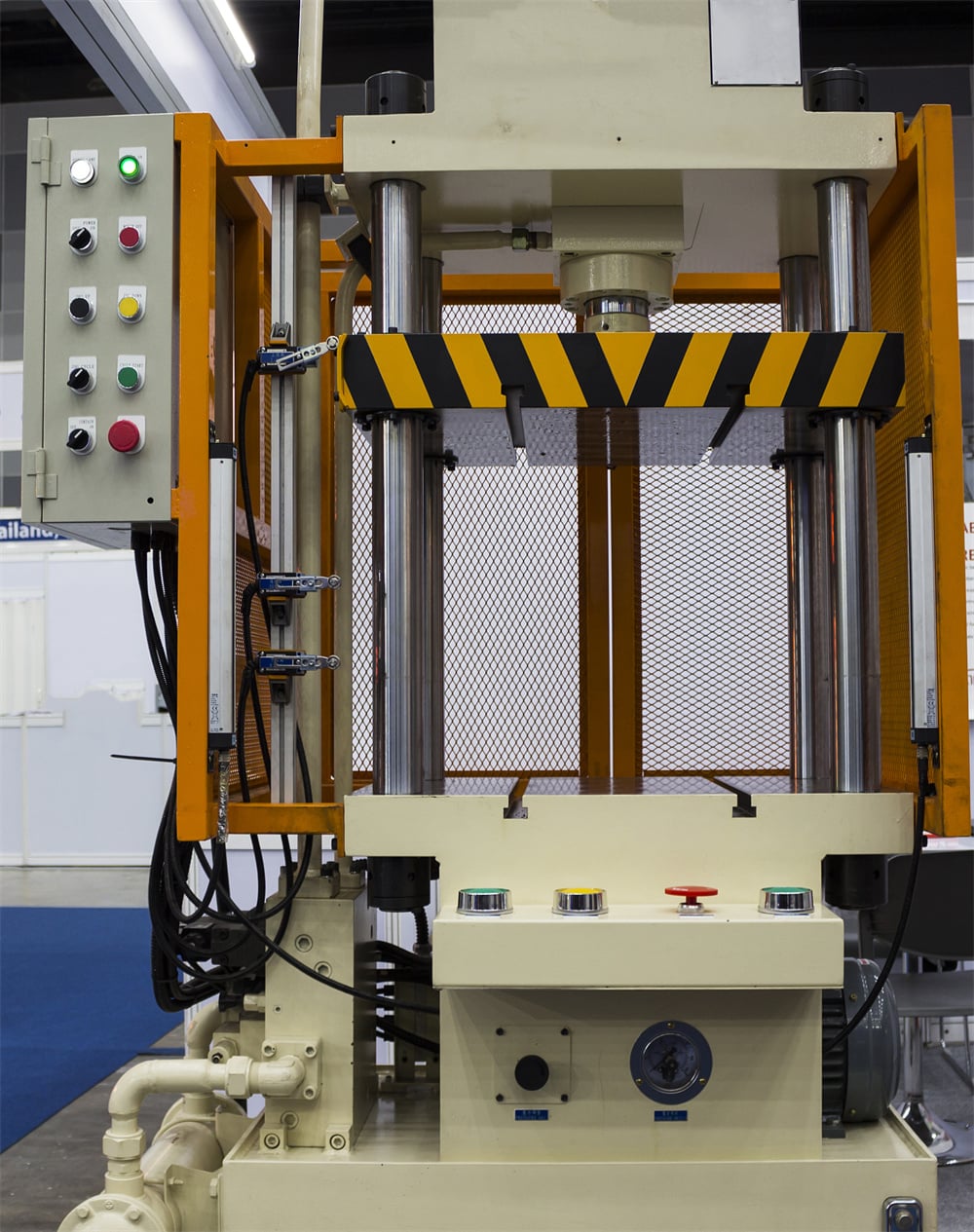
The bolster plates and bed should also be inspected for flatness and damage. Over time, repeated heavy loading can cause “slugging” or localized depressions in the bolster. If the bolster is not flat, the tooling will not seat properly, leading to uneven part thickness. Any burrs or high spots should be carefully stoned down. Additionally, check the foundation bolts that secure the press to the floor. A press that moves or shifts during operation will experience increased vibration and structural stress. Ensuring the machine remains perfectly level is essential; use a precision machinist’s level to check the bed in both directions (left-to-right and front-to-back) at least once a year.
Lubrication Plan: Reducing Friction and Wear
Lubrication is the simplest yet most effective way to prevent mechanical wear. A comprehensive lubrication plan identifies every point on the machine that requires grease or oil, the type of lubricant to be used, and the frequency of application. Many HARSLE presses come equipped with automatic lubrication systems. While these systems reduce the manual labor involved, they are not “set and forget.” The reservoir must be kept full, and the distribution lines must be checked for blockages. If one line in a progressive lubrication system is blocked, the entire system may stop delivering lubricant to other critical points.
For manual lubrication points, such as pivot pins or certain guide bushings, consistency is key. Using the wrong type of grease can be just as bad as using no grease at all. For example, high-pressure areas require grease with EP (Extreme Pressure) additives, typically containing molybdenum disulfide. Using a general-purpose lithium grease in these areas will result in the lubricant being squeezed out, leading to metal-on-metal contact. Always refer to the lubrication chart provided with your machine to ensure compatibility. Over-lubrication should also be avoided, as excess grease can attract abrasive dust and metal chips, creating a grinding paste that accelerates wear.
The timing of lubrication is also important. It is often better to apply small amounts of lubricant frequently rather than a large amount once a month. This ensures a constant protective film is maintained. For machines operating in harsh environments—such as those with high ambient temperatures or significant airborne particulates—the lubrication frequency should be increased. Documenting every lubrication cycle in the maintenance log helps ensure that no points are missed and provides a record that can be used to troubleshoot premature component failure.
Troubleshooting Signals: What Your Press is Telling You
A critical skill for any maintenance technician is the ability to interpret the warning signs a hydraulic press provides before a failure occurs. One of the most common signals is a change in cycle time. If the ram is moving slower than usual, it often indicates a loss of flow. This could be due to a worn pump, a leaking bypass valve, or an internal leak in the cylinder. By monitoring cycle times, you can detect gradual wear and schedule repairs before the machine becomes unproductive.
Excessive noise is another major indicator. A high-pitched screeching usually points to pump cavitation, which occurs when the pump is starved of oil. This could be caused by a clogged suction strainer or a closed intake valve. A “knocking” sound in the hydraulic lines, known as water hammer, is caused by sudden changes in fluid direction and can lead to pipe fatigue and joint failure. Vibration in the hydraulic lines often suggests that the pipe clamps have loosened or that there is air trapped in the system. Bleeding the air from the high points of the hydraulic circuit can often resolve this issue.
Heat is a silent killer. If the hydraulic tank feels excessively hot to the touch, or if the temperature gauge is consistently in the red zone, the system is working too hard. This could be caused by a relief valve that is set too low, causing oil to constantly dump back to the tank at high pressure, or a cooling system failure. Finally, pay attention to the quality of the parts being produced. If you notice a sudden increase in dimensional variance or surface finish issues, it is often a sign of mechanical looseness or hydraulic instability. Treating these signals as urgent warnings rather than minor nuisances is the key to a successful Hydraulic Press Maintenance Checklist for Longer Machine Life.
Comprehensive Maintenance Schedule Table
To help organize your maintenance efforts, use the following table as a baseline for your HARSLE hydraulic press. Note that high-duty cycle machines may require more frequent inspections.
| Frequency | Component | Action Required |
|---|---|---|
| Daily | Oil Level | Check sight glass; top up with recommended fluid if necessary. |
| Daily | Safety Systems | Test light curtains, E-stops, and interlocks for proper function. |
| Daily | Visual Leak Check | Inspect hoses, fittings, and cylinder seals for any signs of oil. |
| Weekly | Ram & Gibs | Clean ram surface and check for scoring; verify gib lubrication. |
| Weekly | Filters | Check pressure gauges on filters; replace if in the bypass zone. |
| Monthly | Cooling System | Clean air filters and heat exchanger fins; check coolant levels. |
| Monthly | Electrical Cabinet | Inspect for dust; ensure cooling fans are operational. |
| Quarterly | Oil Analysis | Send a sample to a lab to check for contamination and oxidation. |
| Quarterly | Hardware | Check and tighten all mounting bolts, tie-rods, and electrical terminals. |
| Semi-Annually | Accumulator | Check nitrogen pre-charge pressure and adjust as needed. |
| Annually | Full System Calibration | Verify pressure gauge accuracy and recalibrate linear transducers. |
| Annually | Hydraulic Oil Change | Drain, flush tank, and refill with fresh oil (or based on oil analysis). |
Advanced Maintenance Strategies: Beyond the Basics
For facilities looking to achieve world-class reliability, advanced strategies like oil analysis and thermal imaging can be integrated into the Hydraulic Press Maintenance Checklist for Longer Machine Life. Oil analysis is like a blood test for your machine. It provides a detailed report on the wear metals present in the oil (such as copper from brass bushings or iron from gears), the additive levels, and the presence of water or silicon. By tracking these levels over time, you can predict exactly when a pump is going to fail, allowing you to order parts and schedule the repair weeks in advance.
Thermal imaging is another powerful tool. By using an infrared camera, a technician can scan the hydraulic system and electrical panels while the machine is under load. “Hot spots” in the electrical panel indicate loose connections or failing components. In the hydraulic system, a hot spot on a valve might indicate internal leakage, where high-pressure oil is slipping past a seal and generating heat. This non-destructive testing method allows for a deep look into the machine’s health without a single minute of downtime.
Operator training is also a form of maintenance. An operator who understands how the machine works is more likely to spot problems early and less likely to abuse the equipment. Training should cover the proper way to load tools, the importance of centering the load to avoid off-center loading stress, and the correct startup and shutdown procedures. At HARSLE, we believe that an empowered operator is the best defense against machine degradation. Finally, keep a detailed digital record of all maintenance performed. This data is invaluable for identifying recurring problems and can help justify the purchase of new equipment or upgrades by showing the true cost of maintaining older machines.
Frequently Asked Questions (FAQ)
1. How often should I change the hydraulic oil?
While many manuals suggest a yearly change, the best practice is to base the change on oil analysis. If the oil is clean, the additives are intact, and there is no oxidation, it can often last much longer. Conversely, in harsh environments, it may need changing every six months.
2. Why is my hydraulic press vibrating so much?
Vibration is usually caused by air in the hydraulic lines, a misaligned pump-motor coupling, or loose mounting bolts. It can also be caused by “decompression shock” if the pressure is released too quickly at the end of a stroke. Check your decompression valves and ensure all hardware is tight.
3. What type of hydraulic fluid should I use?
Always use the fluid specified in your HARSLE manual. Typically, this is a high-quality anti-wear (AW) hydraulic oil with the correct ISO viscosity grade (usually ISO 32, 46, or 68) for your ambient operating temperature.
4. Can I use water-glycol fluids in my press?
Water-glycol fluids are used for fire resistance. However, they require specific seals and pump components. Do not switch to water-glycol without consulting HARSLE, as it may damage standard seals and cause corrosion.
5. How do I know if my pump is cavitating?
Cavitation produces a distinct sound, often described as “marbles in a blender.” It is usually accompanied by erratic pressure readings and increased oil temperature. Check for a clogged suction strainer or a leak in the suction line immediately.
6. What is the most common cause of seal failure?
Heat and contamination are the primary causes. High temperatures harden the seal material, making it brittle, while dirt and metal particles score the seal surface and the rod it rides on.
7. How do I adjust the gibs on my press?
Gib adjustment involves tightening or loosening the adjustment screws to achieve the clearance specified in the manual. This should be done using a feeler gauge while the ram is at various points in its stroke to ensure parallelism.
8. Why does the ram drift down when the machine is off?
Ram drift is usually caused by internal leakage in the cylinder seals or a leaking check valve/counterbalance valve. It is a safety hazard and should be repaired to prevent the ram from falling unexpectedly.
9. Is it necessary to check the nitrogen charge in the accumulator?
Yes. If the nitrogen charge is too low, the accumulator cannot store energy or dampen shocks effectively. This leads to increased wear on the pump and potential damage to the hydraulic piping.
10. How can I reduce the noise level of my hydraulic press?
Noise can be reduced by ensuring the pump is properly lubricated, using vibration-dampening mounts, keeping the oil at the correct temperature, and ensuring all air is bled from the system. Modern HARSLE presses are designed for quiet operation, so any sudden increase in noise should be investigated.