Hydraulic Press Guide for HARSLE Buyers: Features, Benefits, and Selection Tips


Introduction to HARSLE Hydraulic Press Technology
In the competitive landscape of metal fabrication, the hydraulic press remains a cornerstone of industrial productivity. For professionals considering HARSLE machinery, understanding the nuances of these powerful tools is essential for optimizing production lines. HARSLE has established itself as a leading manufacturer by balancing robust engineering with cost-effective solutions, catering to industries ranging from automotive and aerospace to simple household appliance manufacturing. This guide serves as a comprehensive resource for Hydraulic Press Harsle Buyers: Features, Benefits, Selection Tips, ensuring that your investment aligns perfectly with your technical requirements.
A hydraulic press operates on Pascal’s principle, which states that pressure applied to a confined fluid is transmitted undiminished throughout the fluid in all directions. In the context of HARSLE machines, this principle is harnessed to generate massive amounts of force with precision control. Whether you are looking for a four-column press for deep drawing or a C-frame press for high-speed punching, the underlying technology focuses on rigidity, hydraulic efficiency, and operator safety. As manufacturing demands evolve toward Industry 4.0, HARSLE has integrated advanced PLC controls and servo-driven hydraulic systems to meet the needs of modern smart factories.
Choosing the right hydraulic press is not merely about selecting the highest tonnage available. It involves a deep dive into the stroke length, bolster dimensions, approach speeds, and the specific material properties of the workpieces. A mismatch in these parameters can lead to inefficient production, premature tool wear, or even structural failure of the press frame. By following this technical guide, buyers can navigate the complexities of hydraulic systems and make an informed decision that enhances their operational throughput and ROI.
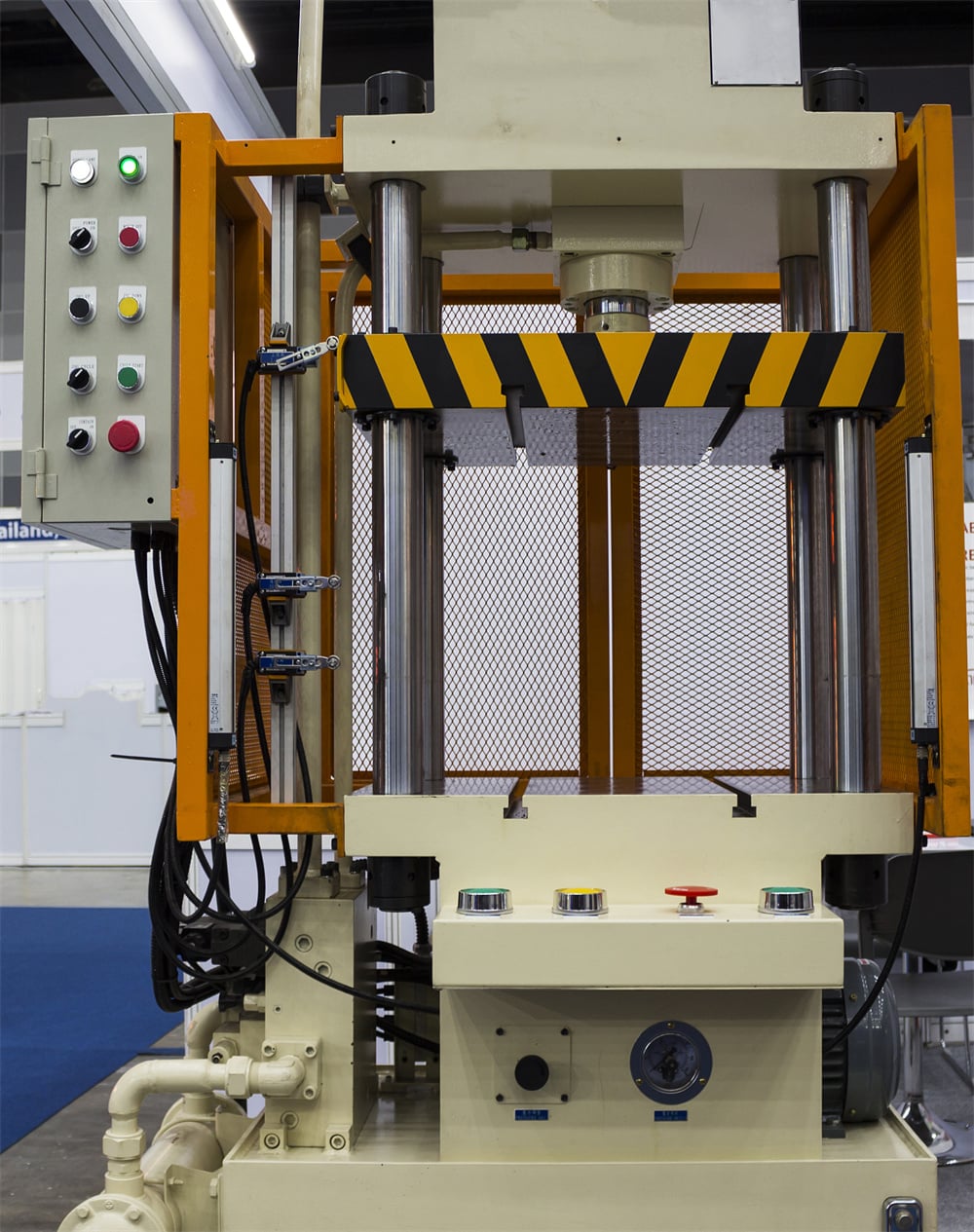
Technical Overview: The Engineering Behind HARSLE Presses
HARSLE hydraulic presses are engineered with a focus on structural integrity and hydraulic circuit optimization. The frame is the most critical component, as it must withstand the reactive forces generated during the pressing cycle. HARSLE typically utilizes high-quality Q235B or Q345B steel plates, which are welded and then subjected to vibration aging or annealing treatments to eliminate internal stresses. This ensures that the machine maintains its geometric accuracy over decades of heavy use. The frame designs generally fall into three categories: Four-Column (Y32 series), H-Frame (Gantry type), and C-Frame (Single column).
The hydraulic system itself is the heart of the machine. HARSLE integrates world-class components, such as Bosch Rexroth valves and Sunny pumps, to ensure reliable fluid delivery. The use of cartridge valve integrated systems minimizes piping, reduces the potential for leaks, and improves the response time of the hydraulic circuit. Furthermore, the inclusion of oil coolers and high-efficiency filtration systems ensures that the hydraulic oil remains within optimal temperature ranges, preventing the degradation of seals and maintaining consistent viscosity for precise pressure control.
Control systems in HARSLE presses have transitioned from simple manual levers to sophisticated CNC interfaces. Modern HARSLE buyers often opt for Siemens PLC systems paired with touchscreen HMI (Human Machine Interface). These systems allow for the storage of multiple tool profiles, precise adjustment of pressure and stroke limits, and real-time monitoring of machine diagnostics. For high-precision applications, servo-hydraulic systems are available, which offer significant energy savings (up to 50%) and much tighter control over the ram’s position and speed profile.
Core Parameters Explained for HARSLE Buyers
When reviewing a HARSLE technical specification sheet, several core parameters dictate the machine’s capability. Understanding these is the first step in the selection process. The most prominent parameter is Nominal Pressure (Tonnage). This is the maximum force the press can exert. It is vital to remember that running a press at its maximum capacity constantly will shorten its lifespan; therefore, most engineers recommend a safety margin of 20-30% above the calculated required force.
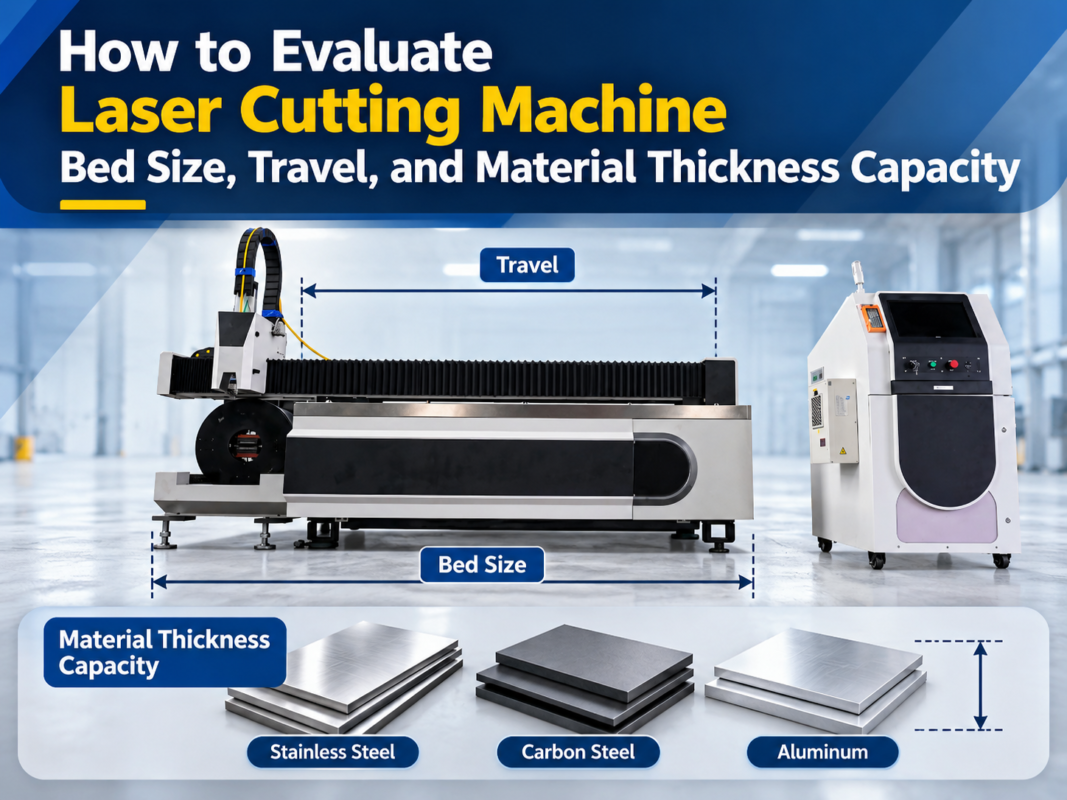
Stroke Length refers to the total distance the ram can travel from its top dead center (TDC) to its bottom dead center (BDC). For deep drawing applications, a long stroke is essential to clear the finished part from the die. Conversely, for shallow stamping, a shorter, faster stroke increases parts-per-minute efficiency. Closely related is the Daylight (Open Height), which is the maximum distance between the bed and the ram when it is fully retracted. This must accommodate the height of your tallest die set plus the stroke required to remove the part.
Table Size (Bolster Dimensions) determines the maximum footprint of the tooling that can be installed. It is crucial to ensure that the load is centered as much as possible to avoid eccentric loading, which can damage the bushings and columns. Finally, Speed Parameters are divided into three phases: Approach Speed (fast descent to save time), Pressing Speed (slow, controlled movement during the actual work), and Return Speed (fast ascent). HARSLE machines are designed to transition smoothly between these phases to minimize hydraulic shock.
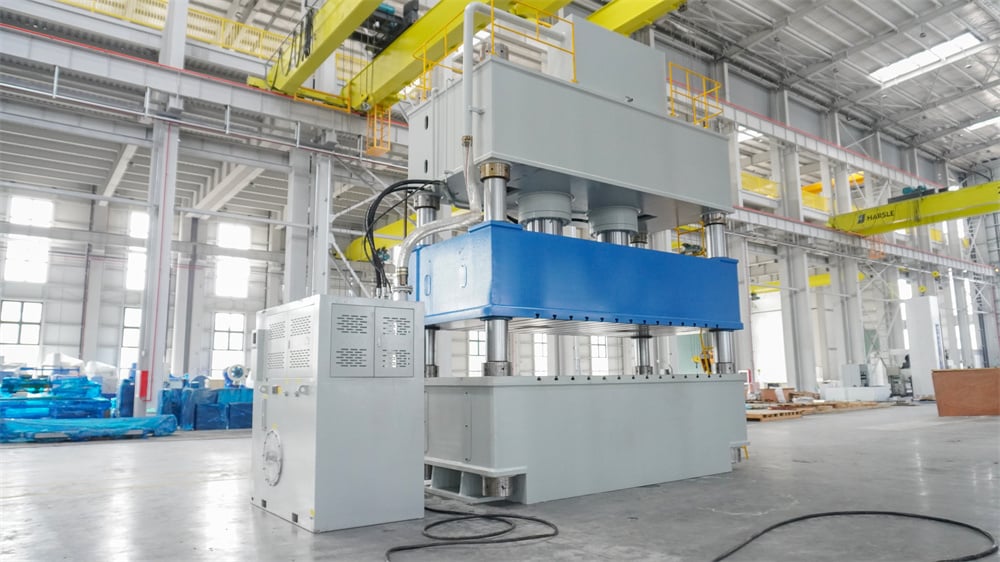
Calculation Method: Determining Your Tonnage Requirements
To select the correct HARSLE press, you must calculate the force required for your specific application. The most common application is blanking or punching. The formula for blanking force (P) is: P = L × t × τ, where ‘L’ is the total perimeter of the cut (mm), ‘t’ is the material thickness (mm), and ‘τ’ is the shear strength of the material (N/mm²). For example, if you are punching a 100mm diameter circle in 5mm thick mild steel with a shear strength of 400 N/mm², the calculation would be: (314.16 mm) × (5 mm) × (400 N/mm²) = 628,320 N, or approximately 64 tons. Adding a 25% safety factor, you would look for a HARSLE press with at least 80 tons of capacity.
For deep drawing applications, the calculation is more complex as it involves the tensile strength of the material and the reduction ratio. The drawing force must be sufficient to deform the metal without tearing it. Additionally, you must account for the Blank Holder Force. In many HARSLE Y32 models, a hydraulic cushion is integrated into the bed to provide this secondary force, which prevents wrinkling during the draw. The total tonnage of the press must be the sum of the drawing force and the blank holder force.
Bending applications require a different approach, often using the V-bending formula: P = (1.42 × σ × b × t²) / V, where ‘σ’ is the tensile strength, ‘b’ is the width of the bend, ‘t’ is thickness, and ‘V’ is the V-opening of the die. Understanding these formulas allows buyers to communicate effectively with HARSLE engineers to ensure the machine’s hydraulic circuit is tuned for the specific pressure-volume (PV) requirements of their production cycle.
Detailed Parameter Table for HARSLE Hydraulic Presses
The following table provides a comparison of typical specifications for popular HARSLE hydraulic press series. Note that these values are representative and can be customized based on specific buyer needs.
| Model Series | Frame Type | Tonnage Range (Tons) | Max Stroke (mm) | Daylight (mm) | Primary Application |
|---|---|---|---|---|---|
| Y32 Series | Four-Column | 63 – 3000 | 400 – 1200 | 600 – 2000 | General Forming, Deep Drawing |
| Y27 Series | H-Frame (Single Action) | 100 – 2000 | 500 – 1000 | 800 – 1500 | Sheet Metal Drawing, Stamping |
| Y41 Series | C-Frame | 10 – 250 | 150 – 400 | 300 – 600 | Assembly, Punching, Straightening |
| Y30 Series | Single Column | 40 – 630 | 200 – 500 | 400 – 800 | Small Part Press-fit, Bending |
| Custom Servo | Varies | 50 – 1000 | Customizable | Customizable | High Precision, Energy Efficient |
Common Engineering Mistakes in Hydraulic Press Selection
One of the most frequent mistakes made by buyers is underestimating the importance of eccentric loading. Hydraulic presses are designed for central loading. If your process requires off-center work, the resulting torque can cause the ram to tilt, leading to excessive wear on the guide rails and potential damage to the hydraulic seals. When selecting a HARSLE press for off-center applications, it is vital to choose a model with enhanced guiding systems or a larger H-frame design that offers superior rigidity against lateral forces.
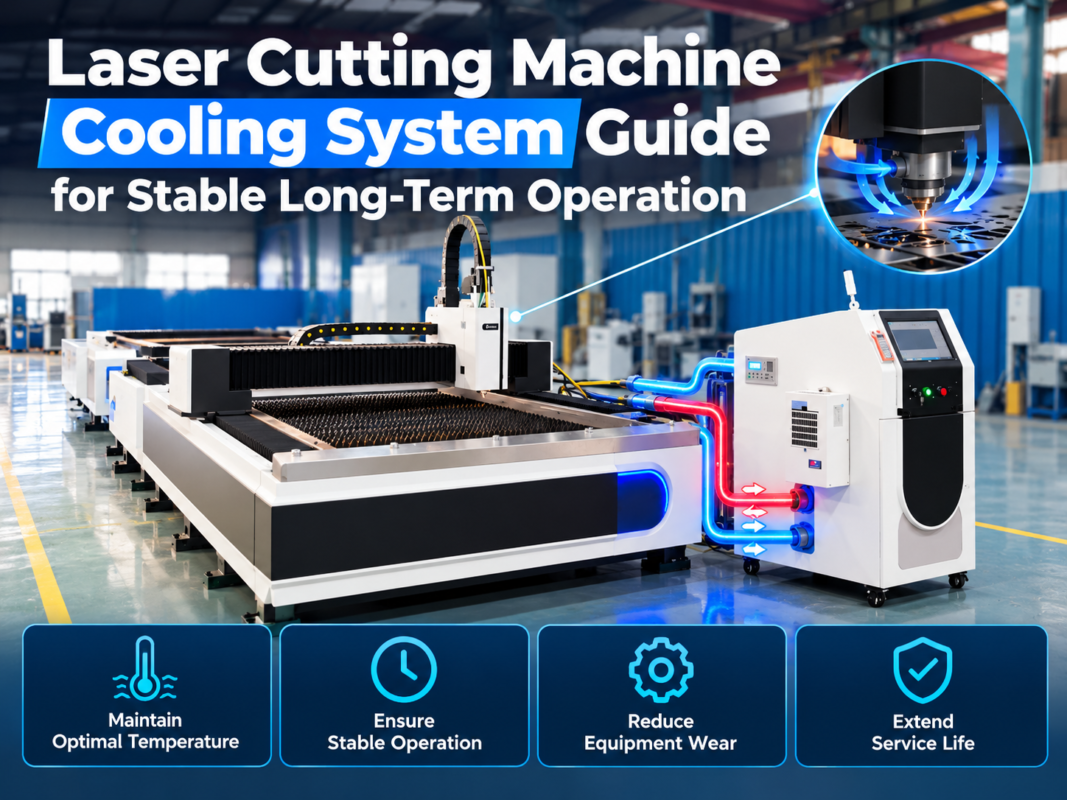
Another common error is ignoring the heat generation in high-cycle applications. If a press is intended to run 24/7 at high speeds, the hydraulic oil will heat up rapidly. Without an adequately sized industrial chiller or heat exchanger, the oil’s viscosity will drop, leading to inconsistent pressure and accelerated component wear. Buyers often focus on the tonnage and price but forget to specify the cooling requirements for their specific duty cycle, leading to operational downtime in warmer climates or intensive shifts.
Furthermore, many buyers fail to account for breakthrough shock. In blanking operations, when the material finally shears, the stored energy in the compressed oil and the stretched frame is released instantly. This creates a massive shockwave that can shatter dies and damage hydraulic valves. HARSLE offers shock absorbers (dampers) for blanking-heavy applications. Failing to include these in the initial specification can lead to high maintenance costs and frequent tool breakage. Always disclose the nature of your application—whether it is a “soft” load like molding or a “hard” load like blanking—to the HARSLE technical team.
Selection Checklist: Finding the Right HARSLE Machine
To ensure you select the optimal machine, use the following checklist during your consultation with HARSLE:
- Material Specifications: What is the maximum thickness, tensile strength, and shear strength of the materials you will process?
- Tonnage Calculation: Have you added a 20-30% safety margin to your maximum calculated force?
- Tooling Dimensions: Will your largest die set fit within the bolster area with room for clamping?
- Stroke and Daylight: Is there enough clearance to remove the finished part after the stroke is complete?
- Cycle Time Requirements: Does the approach and pressing speed meet your hourly production targets?
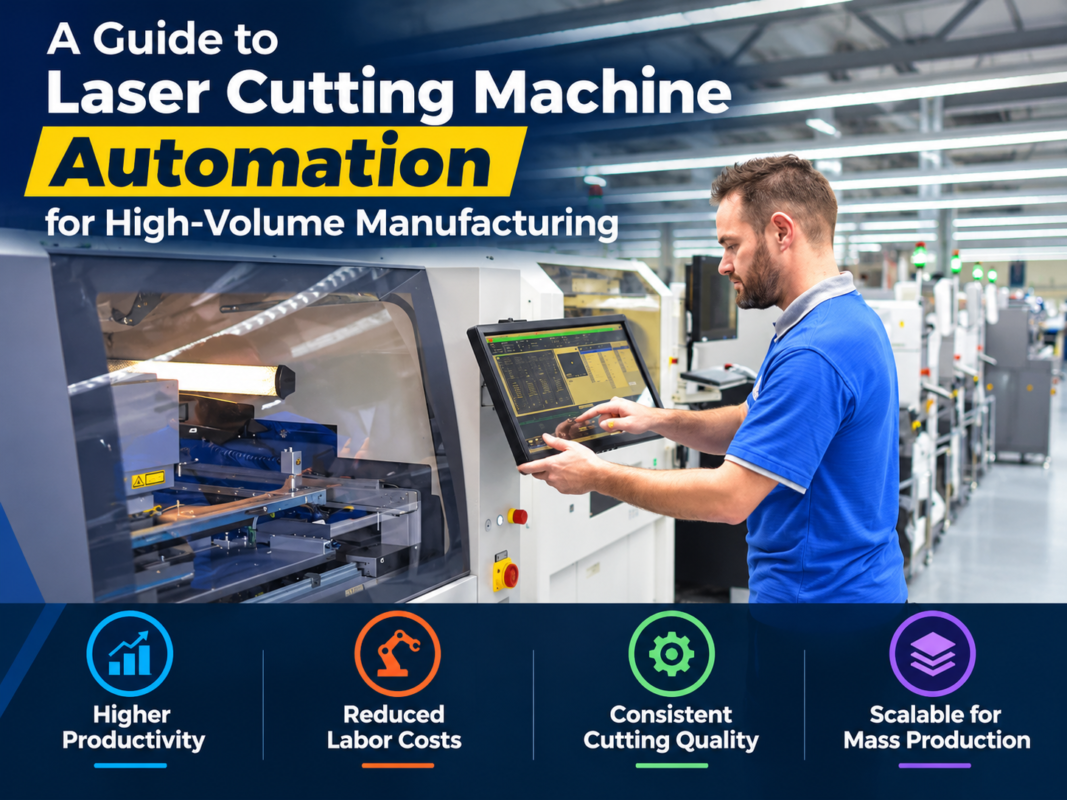
- Automation Integration: Do you need PLC communication for robotic loaders or conveyors?
- Safety Standards: Does the machine include light curtains, dual-hand start buttons, and emergency stop circuits that meet your local regulations (CE, OSHA, etc.)?
- Energy Efficiency: Would a servo-hydraulic system provide a better long-term ROI through energy savings?
Maintenance and Operational Longevity
Investing in a HARSLE hydraulic press is a long-term commitment, and proper maintenance is the key to longevity. The most critical aspect is oil management. Hydraulic oil should be checked weekly for contamination and clarity. HARSLE machines come equipped with filtration systems, but filters must be replaced according to the service schedule. Contaminated oil is the leading cause of valve failure and pump cavitation. Additionally, the lubrication of the columns or guide ways should be performed daily (or via an automated system) to prevent friction-induced heat and scoring.
Regular inspection of the hydraulic seals and hose connections is also necessary. Small leaks can lead to significant pressure drops and environmental hazards. In terms of the electrical system, ensuring that the cabinet is kept clean and free of metal dust will prevent short circuits in the PLC and inverter units. By following a disciplined maintenance protocol, HARSLE users can expect their machinery to perform reliably for decades, maintaining the same level of precision as the day it was installed.
Frequently Asked Questions (FAQ)
1. What is the difference between a Four-Column and an H-Frame press?
A Four-Column press (like the HARSLE Y32) offers excellent accessibility from all four sides, making it ideal for large or irregular parts. An H-Frame press (like the Y27) provides superior rigidity and resistance to eccentric loads, making it better for high-precision stamping and heavy drawing where frame deflection must be minimized.
2. Can HARSLE presses be customized for specific stroke lengths?
Yes, HARSLE is known for its ability to customize the daylight, stroke, and table size. Buyers should provide their specific tooling requirements during the quoting phase to ensure the machine is built to accommodate their unique production needs.
3. How does the servo-hydraulic system save energy?
Traditional hydraulic presses use a constant-speed motor that runs even when the press is idle. HARSLE’s servo-hydraulic system uses a servo motor to drive the pump, meaning the motor only rotates at the speed required for the current phase of the cycle. It stops completely during standby, significantly reducing electricity consumption and oil heating.
4. What safety features are standard on HARSLE presses?
Standard safety features include infrared light curtains to protect the operator’s hands, a dual-hand operation station to ensure the operator is clear of the ram, and an emergency stop button. Many models also feature a hydraulic locking circuit to prevent the ram from falling in the event of a power failure.
5. Is it difficult to find replacement parts for HARSLE machines?
No, HARSLE utilizes many internationally recognized brands for its core components, such as Schneider electrics, Rexroth valves, and Siemens PLCs. These parts are widely available globally, ensuring that maintenance and repairs can be handled quickly by local technicians if necessary.