Metal Hole Punching Machine Price Guide: Budget, Specs, and Value


Introduction to Metal Hole Punching Machine Investments
In the competitive landscape of metal fabrication, efficiency and precision are the cornerstones of profitability. For many workshops, the transition from manual drilling or basic cutting to a dedicated metal hole punching machine represents a significant leap in production capacity. However, navigating the market for these machines can be daunting. The price of a metal hole punching machine is not just a single number on a quote; it is a reflection of engineering complexity, material capacity, and technological integration.
Understanding the Metal Hole Punching Machine Price : Budget, Specs, Value trifecta is essential for any business owner or procurement manager. A machine that is too cheap may lead to frequent downtime and poor accuracy, while an over-specified machine can drain capital that could be better used elsewhere. This guide aims to demystify the pricing structures of modern punching equipment, helping you align your technical requirements with your financial constraints.
At HARSLE, we recognize that every fabrication shop has unique needs. Whether you are a small job shop looking for a versatile hydraulic ironworker or a high-volume manufacturer requiring a fully automated CNC turret punch press, the value proposition remains the same: maximizing output while minimizing the cost per hole. In the following sections, we will break down the price ranges, the factors that drive those costs, and how to calculate the true return on investment for your next machinery purchase.
Price Range Overview: From Entry-Level to Industrial Powerhouses
The market for metal hole punching machines is broad, spanning from portable handheld units to massive, multi-ton industrial systems. To provide a clear picture of the budget required, we can categorize these machines into four primary tiers based on their functionality and price points.
1. Portable and Manual Punching Units ($500 – $3,000)
Entry-level solutions often include portable hydraulic punches or manual lever-operated machines. These are ideal for on-site construction work or very low-volume hobbyist shops. While affordable, they lack the speed and repetitive accuracy required for industrial manufacturing. They are typically limited to thinner materials and smaller hole diameters.
2. Single-Station Hydraulic Punching Machines ($5,000 – $20,000)
This is the “sweet spot” for many small to medium-sized fabrication businesses. These machines, often referred to as ironworkers or dedicated hydraulic punches, offer significant tonnage (typically 30 to 100 tons). They are robust, reliable, and capable of punching through thick plate steel. The price variation in this tier usually depends on the tonnage, throat depth, and the inclusion of multi-purpose stations for shearing or notching.
3. CNC Single-Station and Semi-Automatic Machines ($25,000 – $60,000)
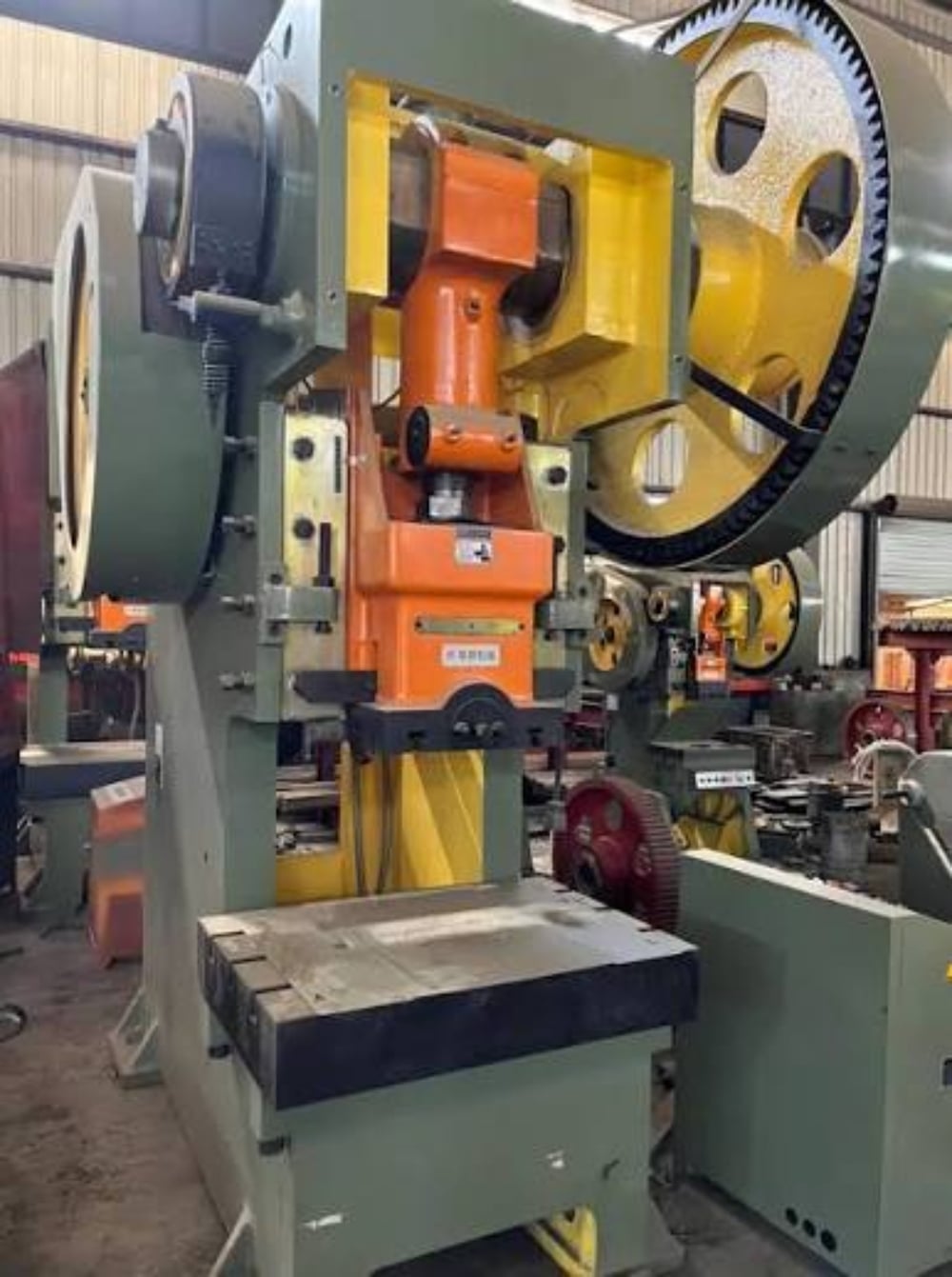
When precision and repeatability become paramount, CNC (Computer Numerical Control) enters the frame. These machines feature automated positioning tables that move the workpiece according to a programmed pattern. This eliminates manual marking and significantly reduces human error. The cost increase covers the servo motors, the CNC controller, and the precision ball screws required for accurate movement.
4. CNC Turret Punch Presses ($70,000 – $250,000+)
For high-volume production, the CNC turret punch press is the industry standard. These machines feature a rotating turret that holds dozens of different tools, allowing the machine to switch between hole sizes and shapes in seconds without operator intervention. The high price tag reflects the complex mechanical engineering, high-speed hydraulics or servo-electric drives, and sophisticated software integration.
Main Cost Drivers: What Are You Actually Paying For?
When reviewing a quote for a metal hole punching machine, it is important to understand the technical specifications that dictate the price. Several key factors influence the manufacturing cost and, consequently, the retail price of the equipment.
Tonnage and Frame Rigidity
The tonnage of a machine refers to the amount of force it can exert. Punching a 1-inch hole through 1-inch thick mild steel requires significantly more force than punching the same hole through 1/8-inch sheet metal. Higher tonnage requires larger hydraulic cylinders, more powerful motors, and, most importantly, a heavier, more rigid frame to withstand the deflection forces. A “C-frame” machine is generally more affordable but may flex under extreme loads, whereas an “O-frame” or bridge-frame design offers superior rigidity at a higher cost.
Throat Depth
The throat depth determines the maximum width of the sheet metal that can be processed. A machine with a 12-inch throat can only punch holes up to 12 inches from the edge of the sheet. Increasing the throat depth requires a much larger and stronger frame to maintain accuracy, which is why machines with deep throats (24 to 48 inches) command a premium price.
Material Capacity and Speed
The speed of the punching cycle (strokes per minute) and the traverse speed of the positioning table (in CNC models) directly impact productivity. High-speed machines utilize advanced hydraulic valves or servo-electric systems that are more expensive to produce but offer much shorter cycle times. If your business relies on high-volume throughput, the extra investment in speed is often justified.
Brand Reputation and Component Quality
Not all machines are built with the same components. Premium brands like HARSLE invest in high-quality hydraulic components (such as Rexroth or Vickers), electrical systems (Schneider or Siemens), and precision bearings. While these components increase the initial purchase price, they significantly reduce the long-term cost of ownership by minimizing breakdowns and ensuring the availability of spare parts.
Configuration Impact: Customizing for Your Needs
The base price of a machine is often just the starting point. The final Metal Hole Punching Machine Price : Budget, Specs, Value equation is heavily influenced by the specific configuration and optional add-ons you choose.
Tooling Systems
The type of tooling the machine uses can affect both the initial cost and the ongoing operational costs. Standardized tooling (like the Amada-style turret tooling) is widely available and competitively priced. However, some specialized machines require proprietary tooling, which can be more expensive. Additionally, investing in a comprehensive set of punches and dies at the time of purchase can add several thousand dollars to the budget but ensures you are ready for a variety of jobs immediately.
Automation and Software
For CNC machines, the sophistication of the software is a major cost factor. Basic controllers might only allow for simple grid patterns, while advanced CAD/CAM integration allows for complex nesting, which saves material and reduces waste. Furthermore, adding automated loading and unloading systems can double the price of a machine but allows for “lights-out” manufacturing, where the machine runs unattended.
Safety Features
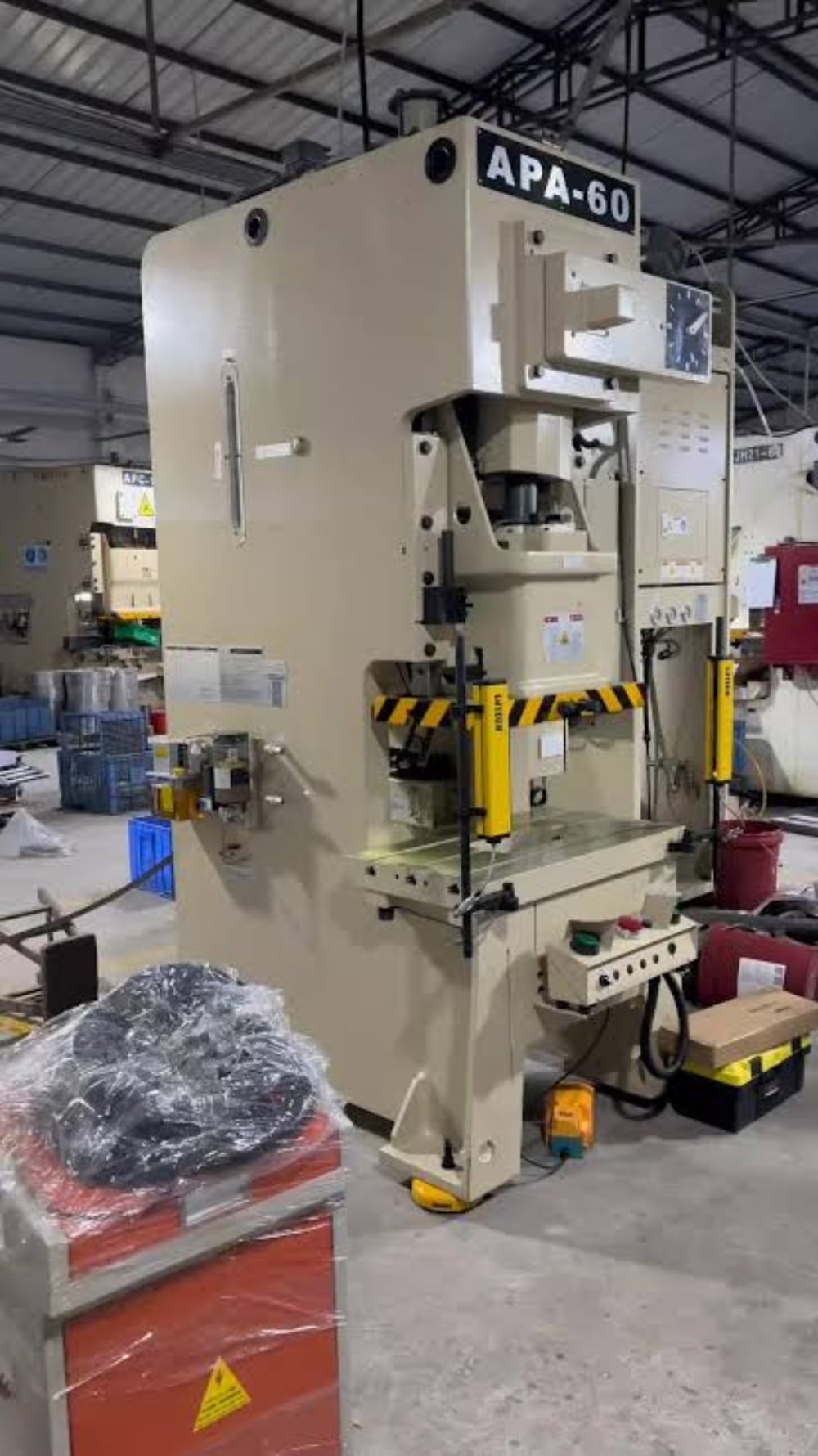
In modern industrial environments, safety is non-negotiable. Features such as light curtains, emergency stop mats, and interlocked guarding are essential for compliance with OSHA or CE standards. While some entry-level machines might skimp on these to lower the price, reputable manufacturers include robust safety systems as standard, which is reflected in the value and price of the machine.
Hidden Costs: Beyond the Sticker Price
When budgeting for a metal hole punching machine, many buyers fail to account for the secondary costs associated with bringing a new piece of equipment into production. These “hidden” costs can easily add 10% to 20% to your total initial investment.
- Shipping and Logistics: Industrial machinery is heavy and requires specialized freight handling. Depending on the distance from the manufacturer and the size of the machine, shipping costs can range from a few hundred to several thousand dollars.
- Installation and Foundation: Large punching machines exert significant vibration. You may need to reinforce your workshop floor with a dedicated concrete pad. Additionally, professional installation and leveling are required to ensure the machine operates within its specified tolerances.
- Electrical Upgrades: High-tonnage machines often require three-phase power and significant amperage. You may need to hire an electrician to upgrade your shop’s electrical panel or run new lines to the machine’s location.
- Training: While manual machines are straightforward, CNC systems require specialized training. Budgeting for a few days of professional on-site training for your operators is crucial for maximizing the machine’s potential and avoiding costly mistakes.
- Consumables and Maintenance: Punches and dies are consumables that will wear out over time. You should also factor in the cost of hydraulic oil, filters, and routine preventative maintenance services.
ROI Calculation: Measuring the Value
The true value of a metal hole punching machine is found in its Return on Investment (ROI). To calculate this, you must compare the total cost of ownership against the increased revenue or cost savings the machine provides. Consider the following scenario:
A shop currently drills 500 holes per day manually. This takes an operator 8 hours at a cost of $25/hour (including benefits), totaling $200 per day in labor. A hydraulic punching machine can perform the same task in 1 hour. This saves 7 hours of labor per day, or $175. Over a 250-day work year, that is a savings of $43,750. In this case, a $20,000 machine pays for itself in less than six months.
Beyond labor savings, consider material savings through better nesting, the ability to take on more complex jobs that were previously impossible, and the reduction in scrap due to improved accuracy. When you view the Metal Hole Punching Machine Price : Budget, Specs, Value through the lens of ROI, the “expensive” machine often becomes the most economical choice in the long run.
Buying Advice: How to Choose the Right Machine
Choosing the right machine requires a balance between your current needs and your future growth projections. Here is a checklist to guide your decision-making process:
- Define Your Maximum Requirements: What is the thickest material you will ever need to punch? What is the largest hole diameter? Always buy a machine with about 20% more capacity than your current maximum to avoid overstressing the equipment.
- Evaluate Your Volume: If you are punching 100 holes a week, a manual or simple hydraulic machine is sufficient. If you are punching 10,000 holes a week, CNC automation is a necessity.
- Consider the Floor Space: Measure your shop carefully. Remember to include the “swing space” needed for handling large sheets of metal around the machine.
- Check for Local Support: Does the manufacturer have a service technician in your region? How quickly can they ship replacement parts? Downtime is the enemy of ROI.
- Test Before You Buy: If possible, send samples of your material to the manufacturer for a test punch. This ensures the machine produces the edge quality and accuracy you expect.
At HARSLE, we pride ourselves on transparency. We provide detailed specifications and clear pricing to help our customers make informed decisions. Our team of experts is always available to help you calculate the ROI for your specific application and select the machine that offers the best value for your budget.
Frequently Asked Questions (FAQ)
What is the average lifespan of a metal hole punching machine?
With proper maintenance, a high-quality industrial hydraulic punching machine can last 15 to 20 years or more. CNC components may require updates or replacement every 10 years to keep up with software and electronic advancements, but the mechanical frame is built for decades of service.
Can I punch stainless steel with a standard machine?
Yes, but stainless steel is much harder than mild steel. You generally need to de-rate the machine’s capacity by about 50%. For example, a machine rated for 1-inch holes in mild steel may only be capable of 1/2-inch holes in stainless steel. You also need specialized, hardened punches and dies.
Is a servo-electric punch better than a hydraulic one?
Servo-electric machines are more energy-efficient, quieter, and offer more precise control over the punch stroke. However, they are generally more expensive upfront. Hydraulic machines are more traditional, easier for many mechanics to repair, and offer high force at a lower initial price point.
How often should I sharpen my punches and dies?
This depends on the material being punched. A good rule of thumb is to inspect tools every 1,000 hits. Dull tools increase the load on the machine, produce burrs on the workpiece, and can eventually lead to tool breakage. Regular sharpening extends the life of both the tools and the machine.
Does HARSLE offer financing for machinery?
Many of our distributors and partners offer flexible financing and leasing options. This allows businesses to acquire the machinery they need today while paying for it out of the increased revenue the machine generates.