Punching Machine Price Guide for Job Shops and Custom Fabricators


Introduction to Punching Machine Investments for Modern Fabricators
In the competitive landscape of metal fabrication, job shops and custom fabricators face a constant challenge: balancing high-precision output with operational cost-efficiency. The punching machine remains a cornerstone of the fabrication floor, offering a versatile solution for creating holes, notches, and forms in sheet metal. However, navigating the Punching Machine Price Job Shops Custom Fabricators market can be daunting due to the wide variance in technology, capacity, and automation levels. Whether you are a small shop looking for your first mechanical punch or a high-volume custom fabricator upgrading to a CNC turret punch, understanding the financial nuances is critical to your long-term success.
For job shops, the punching machine is often the workhorse that bridges the gap between manual drilling and expensive laser cutting. While laser machines offer incredible flexibility, the cost-per-hole on a punching machine is significantly lower for repetitive tasks and specific forming operations like louvers, ribs, and countersinks. This guide aims to provide a transparent breakdown of the investment required, the factors that drive those costs, and how to calculate the return on investment (ROI) for your specific business model.
Punching Machine Price Range Overview
The price of a punching machine is primarily dictated by its drive system, control mechanism, and tool capacity. For job shops and custom fabricators, the market is generally divided into three tiers. Understanding where your production needs fall within these tiers is the first step in budgeting for a new acquisition.
Entry-Level: Manual and Single-End Punching Machines
Entry-level machines are typically manual or semi-automatic hydraulic single-end punches. These are ideal for small job shops that perform low-volume custom work or secondary operations. Prices in this category typically range from $5,000 to $15,000. These machines require manual tool changes and manual sheet positioning, making them labor-intensive but highly affordable for startups or shops with limited floor space.
Mid-Range: CNC Single-Head and Small Turret Punches
Mid-range machines introduce CNC (Computer Numerical Control) capabilities, allowing for automated sheet positioning and higher accuracy. A CNC single-head punch or a small-capacity turret punch (with 6 to 12 stations) generally costs between $25,000 and $65,000. These machines are the “sweet spot” for many custom fabricators who need to move away from manual layouts but aren’t ready for the massive investment of a high-speed turret press. They offer a significant jump in productivity by reducing human error and increasing throughput.
High-End: High-Speed CNC Turret Punching Presses
For high-volume custom fabrication and precision job shops, a full-scale CNC turret punching press is the industry standard. These machines feature large tool carousels (24 to 50+ stations), auto-indexing capabilities, and high hit rates (up to 1,000 hits per minute). Prices for these units start at $80,000 and can exceed $250,000 depending on the tonnage, throat depth, and integrated automation features like sheet loaders and unloaders. Brands like HARSLE provide competitive options in this segment that offer high-end features at a more accessible price point for growing businesses.
Main Cost Drivers in Punching Machinery
When evaluating the Punching Machine Price Job Shops Custom Fabricators must consider, several technical specifications act as the primary drivers of the final invoice. It is rarely just about the “sticker price”; it is about the capability the machine brings to your shop floor.
Tonnage and Material Thickness
The tonnage (pressing force) is perhaps the most significant cost driver. A 30-ton machine is standard for most sheet metal work up to 6mm thick. However, if your shop handles heavy plate or high-strength alloys, you may require a 50-ton or 80-ton machine. Each jump in tonnage capacity adds substantial cost to the frame construction and hydraulic system. Custom fabricators must analyze their thickest material requirements before committing to a specific tonnage to avoid over-investing or under-powering their operations.
Throat Depth and Sheet Size
Throat depth determines the maximum width of the sheet the machine can process without flipping the material. A standard 1250mm throat is common, but larger 1500mm or 2000mm throats are available for oversized panels. Larger throat depths require more robust frames to prevent deflection, which increases the machine’s weight and price. For job shops handling diverse architectural panels or large enclosures, a deeper throat is often worth the extra 15-20% investment.
Hit Rate and Axis Speed
In the world of custom fabrication, time is money. The hit rate (measured in hits per minute or HPM) and the traverse speed of the X and Y axes determine how fast a part is completed. High-speed servo-electric punching systems are more expensive than traditional hydraulic systems but offer much higher HPM and lower energy consumption. If your shop runs multiple shifts, the increased speed of a premium system can pay for itself through sheer volume.
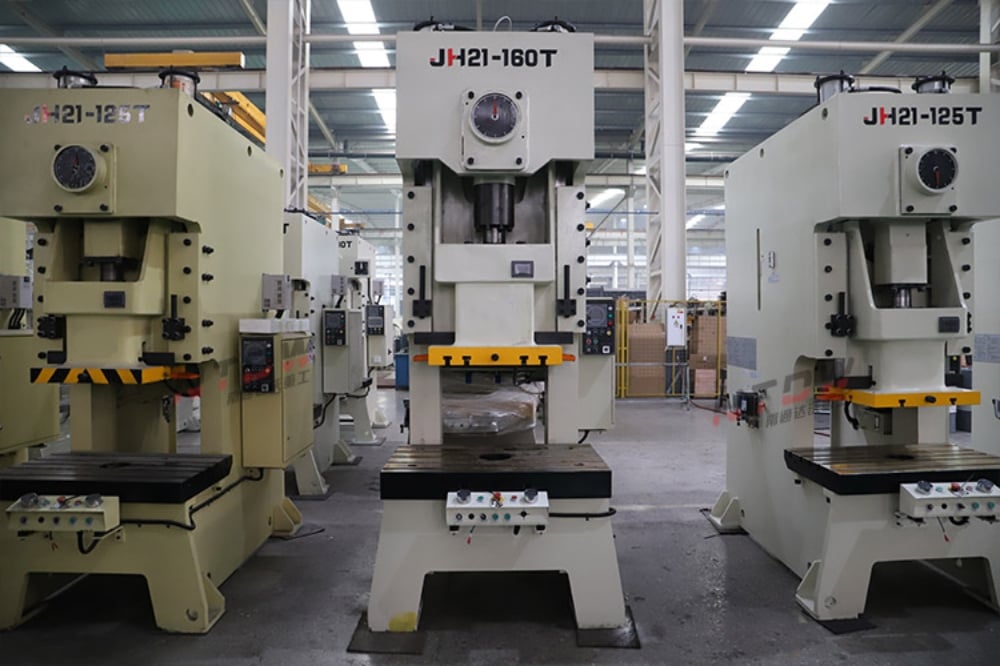
Configuration Impact: Customizing for Your Shop
The base price of a machine is often just the starting point. Configuration options allow job shops to tailor the machine to their specific workflow, but these additions come at a cost. Understanding which features are essential and which are luxuries is key to managing your budget.
Turret Station Count and Auto-Indexing
The number of stations in the turret directly impacts setup time. A shop that switches between many different hole sizes and shapes will benefit from a larger turret (32 stations or more), reducing the need for manual tool changes between jobs. Furthermore, Auto-Indexing stations—which allow the tool to rotate 360 degrees—are vital for complex custom shapes. While adding auto-index stations can increase the price by $5,000 to $10,000 per station, they drastically reduce the number of specialized tools you need to purchase.
Tooling Style: Thick Turret vs. Thin Turret
The choice between “Thick Turret” and “Thin Turret” tooling styles is often a matter of regional preference or existing inventory. Thick turret tooling is generally more robust and offers better guidance, making it the standard for modern high-speed machines. If your shop already owns a significant amount of one tooling type, ensuring your new machine is compatible can save you thousands in initial tooling costs. However, switching to a more modern tooling standard during a machine upgrade can improve part quality and tool life.
Software and Control Systems
Modern CNC punching machines require sophisticated CAD/CAM software to nest parts and generate G-code. Some manufacturers include basic software in the price, while others charge a premium for advanced nesting algorithms that save material. For custom fabricators, high-quality software is non-negotiable, as it minimizes scrap and optimizes the punching sequence to prevent sheet warping. Expect to allocate $3,000 to $8,000 for a professional software suite if it is not bundled with the machine.
Hidden Costs of Acquisition
The Punching Machine Price Job Shops Custom Fabricators see in a quote is rarely the total cost of getting the machine into production. To avoid budget overruns, you must account for several “hidden” or secondary costs associated with industrial machinery.
- Shipping and Rigging: Punching machines are heavy, often weighing between 5 and 20 tons. Shipping from the manufacturer to your facility, followed by professional rigging to move the machine into place, can cost anywhere from $2,000 to $10,000 depending on distance and complexity.
- Foundation Requirements: High-speed punching creates significant vibration. Many machines require a reinforced concrete pad (often 12-24 inches deep) to ensure accuracy and prevent damage to the building. Foundation work can add $3,000 to $7,000 to your project cost.
- Electrical Upgrades: Industrial punching machines require stable, high-voltage power. You may need to install new breakers, transformers, or dedicated lines to handle the load, which requires a licensed industrial electrician.
- Initial Tooling Set: A machine without tools is useless. A basic starter set of punches and dies for common sizes (round, square, obround) will cost at least $2,000 to $5,000. Specialized forming tools like louver or bridge tools are extra.
- Training and Commissioning: While many manufacturers like HARSLE include basic commissioning, intensive on-site training for your operators and programmers is an investment in productivity that usually costs $1,000 to $1,500 per day.
ROI Calculation: Is the Investment Worth It?
Calculating the ROI for a punching machine involves comparing the total cost of ownership against the projected revenue and labor savings. For a job shop, the primary value comes from Labor Reduction and Material Utilization.
Consider a scenario where a shop currently uses manual methods or subcontracts their punching work. If a CNC punching machine can reduce the time spent on a specific part from 20 minutes to 2 minutes, the labor savings are astronomical. At a shop rate of $75/hour, saving 18 minutes per part equates to $22.50 in savings per unit. If the shop produces 1,000 of these parts a month, the machine saves $22,500 in labor alone—meaning a $100,000 machine could pay for itself in less than five months of active use.
Furthermore, the ability to perform forming operations (like tapping or countersinking) directly on the punch press eliminates secondary operations. Every time a part is handled, the risk of damage increases and profit margins decrease. By completing the part in a single setup on a CNC turret punch, custom fabricators can offer faster lead times and more competitive pricing to their clients.
Buying Advice for Job Shops and Custom Fabricators
Choosing the right machine requires a balance of current needs and future growth. Here are several pieces of advice for those navigating the Punching Machine Price Job Shops Custom Fabricators market:
- Don’t Underestimate Tonnage: While you might mostly work with thin gauge material today, having a 30-ton capacity ensures you can handle the occasional heavy-duty custom job that comes through the door.
- Prioritize Support Over Price: A cheaper machine from an unknown vendor can become a liability if you can’t get spare parts or technical support. Choose established brands like HARSLE that have a track record of supporting their equipment globally.
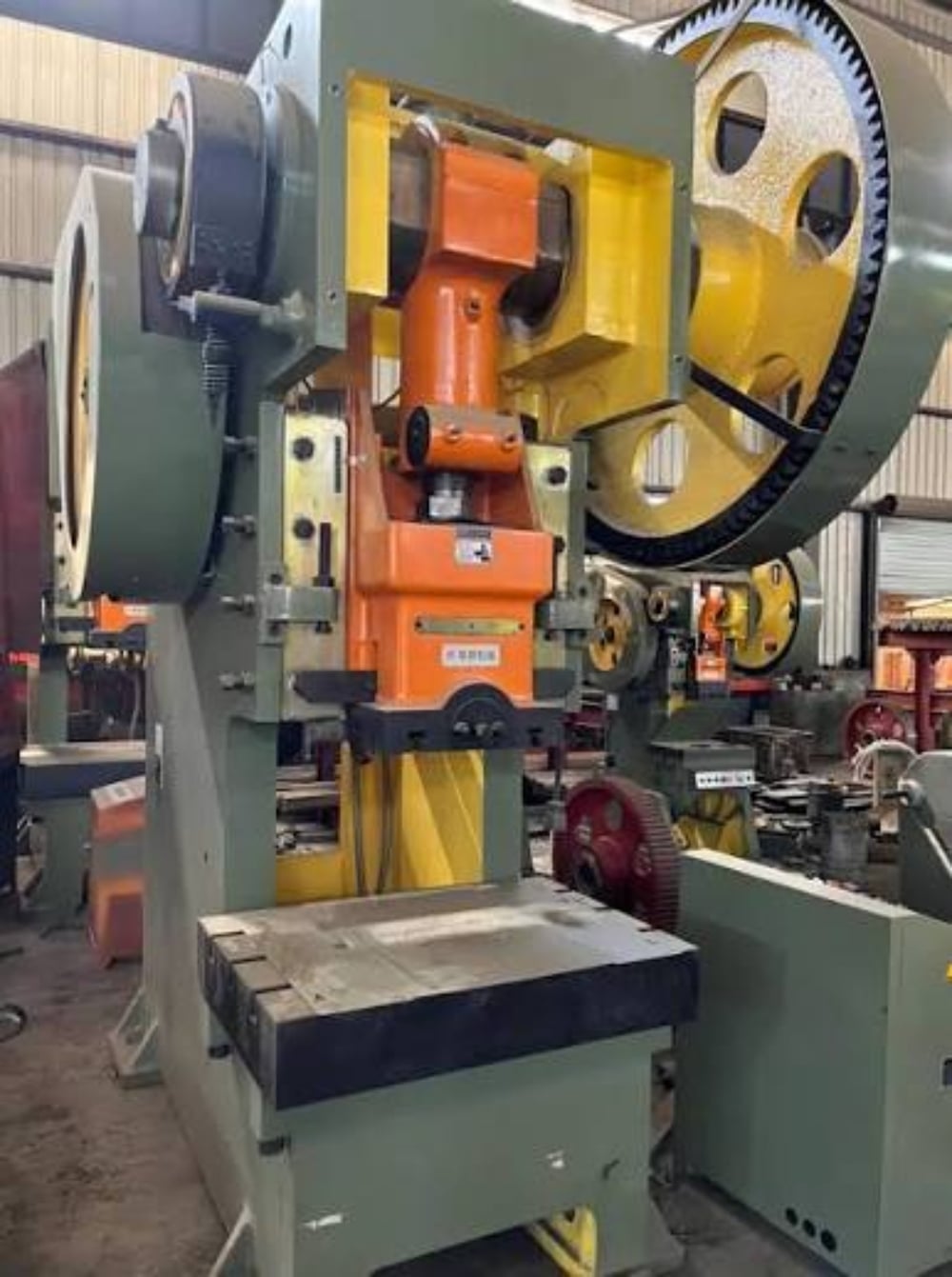
- Consider the Used Market Carefully: Used machines can be 40-60% cheaper, but they often come with outdated controllers and worn hydraulic seals. For a job shop where uptime is critical, a new machine with a warranty is often the safer financial bet.
- Evaluate the Software: Ensure the machine’s control system is user-friendly. In a custom fabrication environment, you may be programming new parts daily. A complex or unintuitive interface will slow down your entire production pipeline.
- Check the Footprint: Job shops are often tight on space. Measure your floor carefully, including the “travel zone” of the sheet metal, which can extend far beyond the machine’s physical frame.
Conclusion: Making the Right Choice with HARSLE
Investing in a punching machine is a transformative step for any job shop or custom fabricator. While the initial price is a significant factor, the long-term value lies in the machine’s reliability, speed, and versatility. By understanding the cost drivers—from tonnage and throat depth to hidden installation expenses—you can make an informed decision that aligns with your business goals. HARSLE offers a range of punching solutions designed to provide high-end CNC capabilities at a price point that respects the budget of growing fabrication businesses. Whether you are looking to automate your first line or expand a high-capacity facility, the right punching machine will serve as the backbone of your production for years to come.
Frequently Asked Questions (FAQ)
1. What is the average price of a CNC turret punching machine for a small shop?
For a small to mid-sized shop, a reliable CNC turret punching machine typically ranges from $45,000 to $85,000. This usually includes a mid-range station count and standard CNC controls suitable for custom fabrication tasks.
2. Is a hydraulic or servo-electric punching machine better for custom work?
Hydraulic machines are generally more affordable upfront and are excellent for heavy-duty punching. Servo-electric machines are more expensive but offer higher precision, faster hit rates, and significantly lower energy costs, making them better for high-volume, high-precision custom work.
3. How much should I budget for annual maintenance?
A good rule of thumb is to budget 2-3% of the machine’s purchase price for annual maintenance. This covers hydraulic fluid changes, filter replacements, and routine calibration to ensure the machine remains accurate.
4. Can a punching machine replace a laser cutter?
Not entirely. While a punching machine is much faster and cheaper for holes and forms, a laser cutter is superior for complex, organic shapes and very thick materials. Many successful job shops use both machines in tandem to maximize efficiency.
5. What is the lifespan of a HARSLE punching machine?
With proper maintenance and regular servicing, a high-quality punching machine from HARSLE can easily last 15 to 20 years in a production environment. The mechanical frame often outlasts the electronic control systems, which may need upgrading after 10-12 years.