Best Punching Machine Price Ranges By Application Production Capacity


Introduction to Punching Machine Investments
In the competitive landscape of modern metal fabrication, selecting the right punching machine is a critical decision that balances upfront capital expenditure with long-term operational efficiency. Understanding the best punching machine price ranges by application and production capacity is essential for workshop owners, procurement managers, and industrial engineers. Whether you are a small job shop or a high-volume automotive supplier, the cost of a punching machine is influenced by a myriad of factors including tonnage, automation level, and technological sophistication.
Punching machines, ranging from simple mechanical power presses to advanced CNC turret punching centers, serve as the backbone of sheet metal processing. They are used to create holes, notches, and complex forms in materials like mild steel, stainless steel, and aluminum. However, the price gap between a basic manual unit and a fully automated CNC system can be hundreds of thousands of dollars. This guide aims to demystify these costs, providing a clear roadmap for selecting the best punching machine price ranges by application production capacity to ensure your investment yields the highest possible return.
HARSLE, a leader in metal fabrication machinery, understands that every production line has unique requirements. By analyzing the relationship between machine capabilities and their market prices, businesses can avoid the pitfalls of over-specifying (which wastes capital) or under-specifying (which leads to production bottlenecks). In the following sections, we will break down the financial and technical aspects of punching machines to help you make an informed purchasing decision.
Price Range Overview: Categorizing by Technology and Capacity
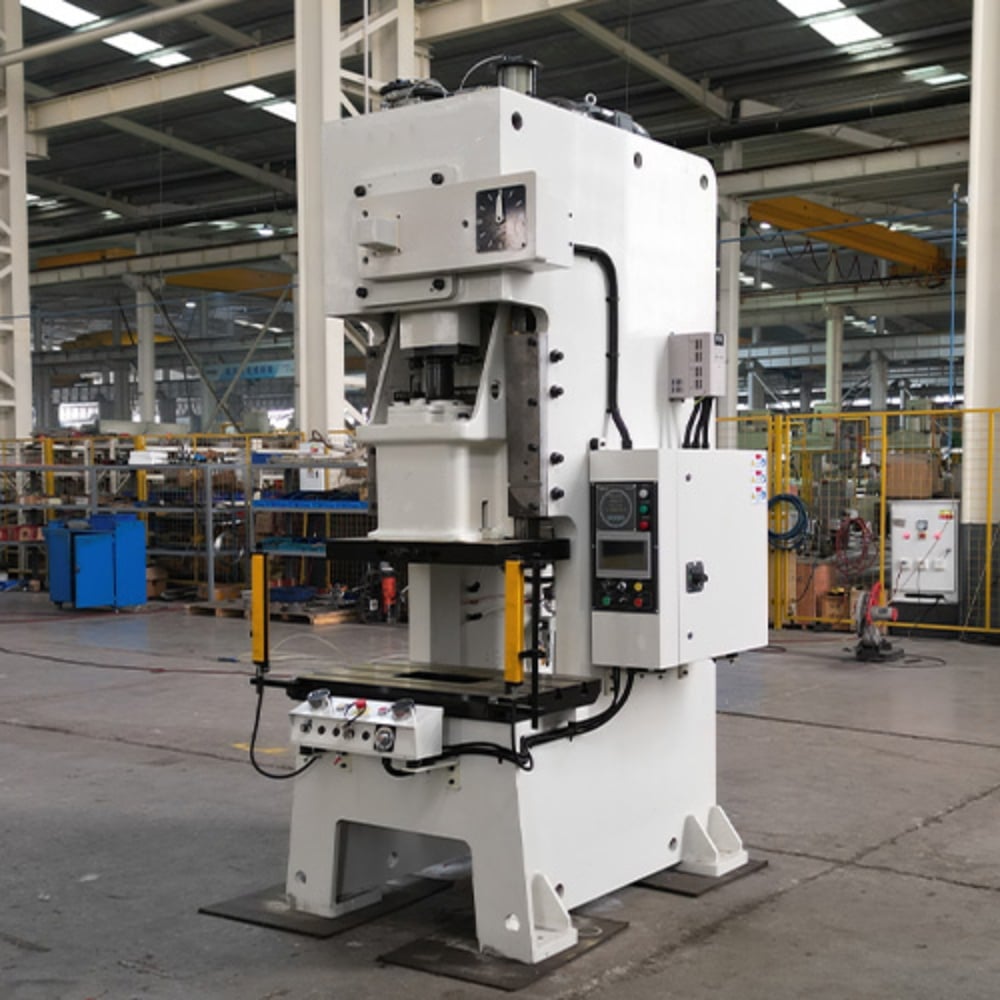
The market for punching machines is broadly divided into four main categories, each catering to different production volumes and application complexities. The best punching machine price ranges by application production capacity typically start with entry-level mechanical presses and scale up to high-speed servo-electric turret punches. For low-volume production or simple hole-punching tasks, a mechanical power press is often the most cost-effective solution. These machines generally range from $5,000 to $25,000, depending on the tonnage (usually 16T to 100T).
Moving into medium-volume production, hydraulic punching machines offer more control and versatility. These units are priced between $15,000 and $50,000. They are favored for their ability to handle thicker materials and provide a constant pressure throughout the stroke, making them ideal for heavy-duty industrial applications. However, they lack the speed of mechanical presses for thin-gauge high-speed work.
For high-precision and high-volume applications, CNC Turret Punching Machines are the industry standard. These machines are designed for complex parts with multiple hole sizes and shapes. The price range for a standard CNC turret punch typically falls between $60,000 and $180,000. If you require advanced features like auto-indexing, large turret stations, or integrated loading/unloading systems, the price can easily exceed $250,000. These machines are the pinnacle of efficiency for industries like electronics enclosures, HVAC ductwork, and cabinet manufacturing.
Summary Table of Estimated Price Ranges
| Machine Type | Typical Tonnage | Production Capacity | Estimated Price Range (USD) |
|---|---|---|---|
| Mechanical Power Press | 16T – 160T | Low to Medium | $5,000 – $35,000 |
| Hydraulic Punching Machine | 30T – 200T | Medium | $15,000 – $60,000 |
| CNC Turret Punch (Entry) | 20T – 30T | High | $60,000 – $95,000 |
| CNC Turret Punch (Advanced) | 30T – 50T | Very High | $120,000 – $350,000+ |
Main Cost Drivers in Punching Machinery
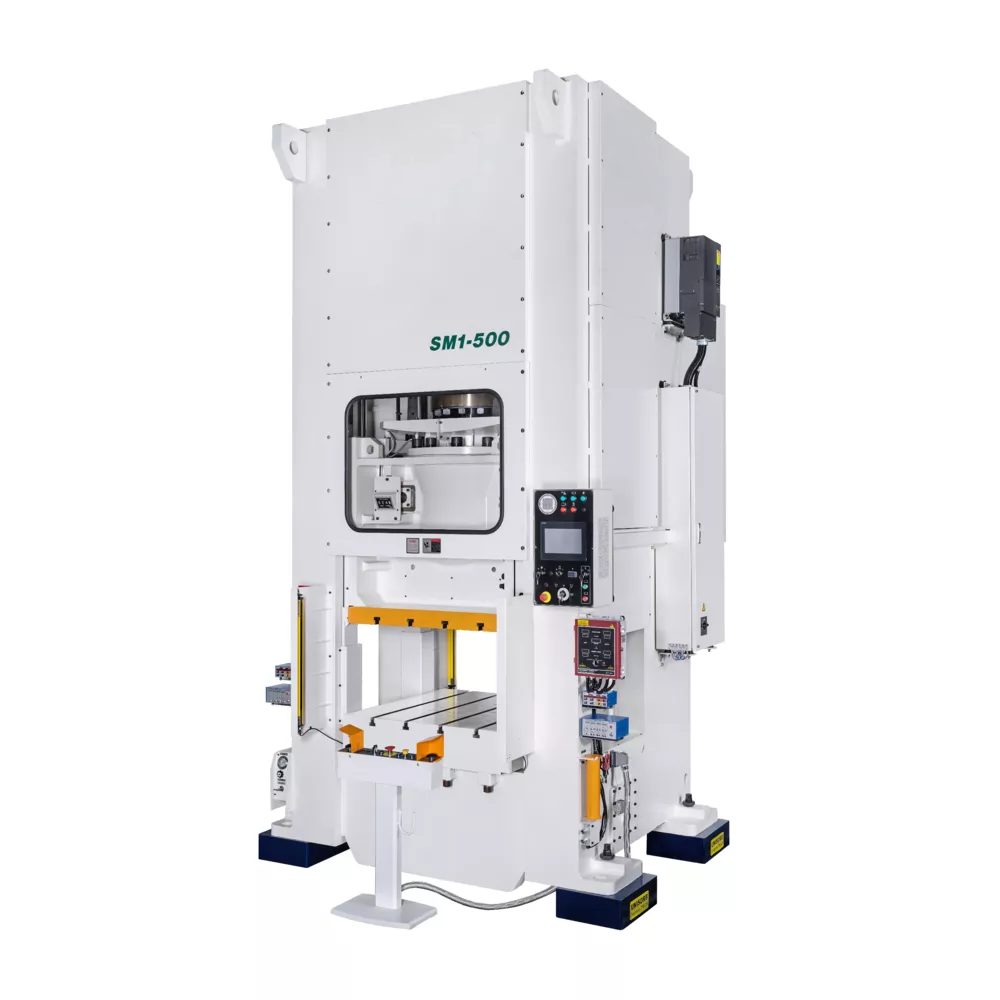
When evaluating the best punching machine price ranges by application production capacity, several technical specifications act as primary cost drivers. The most significant of these is **Tonnage**. Tonnage refers to the maximum force the machine can apply. A 16-ton machine is suitable for thin sheet metal, while a 500-ton press is required for heavy plate fabrication. As tonnage increases, the frame must be reinforced, the motor must be more powerful, and the hydraulic or mechanical components must be larger, all of which drive up the price significantly.
Another major factor is **Throat Depth**. This is the distance from the center of the punch to the back of the machine frame. A larger throat depth allows the machine to process wider sheets of metal without needing to flip or reposition the material. Deep-throat machines are more expensive because the “C-frame” or “H-frame” must be engineered to resist deflection under high pressure over a longer span. For many workshops, a standard throat depth is sufficient, but specialized applications in the aerospace or signage industries may require the premium associated with deep-throat models.
The **Stroke Speed and Cycle Time** also play a vital role in pricing. In high-volume production, every second counts. Mechanical presses are inherently fast but offer less control. Modern CNC turret punches use servo-electric drives that can achieve over 1,000 hits per minute (HPM) for marking and 400-600 HPM for standard punching. The technology required to move a heavy turret and position the sheet metal with sub-millimeter accuracy at these speeds is a significant portion of the machine’s cost.
Finally, the **Build Quality and Frame Type** cannot be overlooked. A cast-iron frame provides better vibration dampening and thermal stability than a welded steel frame, but it is more expensive to manufacture. High-end brands like HARSLE invest in stress-relieving the frames to ensure long-term accuracy. When comparing prices, it is crucial to look beyond the sticker price and evaluate the structural integrity of the machine, as this determines the machine’s lifespan and the precision of the parts it produces.
Configuration Impact: Customizing for Production Needs
The configuration of a punching machine is where the price can fluctuate the most. For CNC turret punches, the **Number of Stations** in the turret is a primary consideration. A 16-station turret is cheaper but requires more frequent manual tool changes if your parts are complex. A 32 or 44-station turret allows for a vast array of tools to be loaded simultaneously, drastically reducing setup times for different jobs. This “set it and forget it” capability is a hallmark of high-production environments and justifies a higher price point.
The inclusion of **Auto-Index Stations** is another configuration variable. Auto-index stations allow the tool to rotate to any angle, which means a single rectangular tool can punch at 0°, 45°, 90°, or any other angle. Without auto-index, you would need a separate tool for every orientation, or you would have to manually rotate the tool. While auto-index stations add several thousand dollars to the machine’s price, they offer unparalleled flexibility and reduce the total number of tools you need to purchase.
Software and Control Systems also impact the final cost. Most modern machines come with a proprietary or third-party CNC controller (such as Fanuc or Siemens). The sophistication of the **CAD/CAM Nesting Software** provided with the machine can also vary. High-end software optimizes material usage by nesting parts efficiently, which can save thousands of dollars in material waste over the year. Some manufacturers include this in the base price, while others treat it as a premium add-on.
Hidden Costs of Owning a Punching Machine
When calculating the best punching machine price ranges by application production capacity, many buyers fail to account for the “hidden” costs that occur after the initial purchase. The first of these is **Logistics and Installation**. Punching machines are heavy, often weighing between 5 and 20 tons. Shipping these units requires specialized freight, and offloading them requires heavy-duty cranes or forklifts. Furthermore, some high-precision machines require a dedicated reinforced concrete foundation to prevent vibration from affecting accuracy, which can cost several thousand dollars in site preparation.
**Tooling** is another ongoing expense that is rarely included in the machine’s base price. A complete set of high-quality punches and dies for a turret machine can cost between $5,000 and $20,000. Because tools are consumables that wear out over time, especially when punching abrasive or hard materials like stainless steel, a budget for tool sharpening and replacement must be established. Using cheap tooling on an expensive machine is a common mistake that leads to poor part quality and premature machine wear.
Operator **Training and Software Licensing** are also critical. A CNC turret punch is only as good as the person programming and operating it. Most manufacturers offer initial training, but advanced courses or training for new staff members come at a cost. Additionally, CAD/CAM software often requires annual maintenance fees or subscription renewals to access the latest features and technical support. These costs should be factored into the total cost of ownership (TCO) over a 5-to-10-year period.
Lastly, consider **Maintenance and Power Consumption**. Hydraulic machines require regular oil changes and seal replacements, while mechanical presses need lubrication and clutch adjustments. Servo-electric machines are generally more energy-efficient and require less maintenance, but their electronic components can be expensive to replace if they fail outside of the warranty period. Understanding the utility costs—specifically the electricity required to run high-tonnage motors—is essential for accurate job costing.
ROI Calculation: Justifying the Price Tag
To determine if you are getting the best punching machine price ranges by application production capacity, you must perform a Return on Investment (ROI) calculation. The goal is to determine how quickly the machine will pay for itself through increased productivity, reduced labor costs, and material savings. For example, if a CNC turret punch costs $100,000 but replaces two manual machines and two operators, the labor savings alone could be $80,000 per year. In this scenario, the machine pays for itself in less than 18 months.
Another factor in ROI is **Material Utilization**. Advanced CNC punching machines with nesting software can reduce scrap by 10-15%. In a high-volume shop spending $500,000 a year on raw sheet metal, a 10% reduction in waste equates to $50,000 in direct savings annually. This “found money” significantly shortens the payback period and makes a higher-priced, more efficient machine a better financial choice than a cheaper, less capable one.
Furthermore, consider the **Secondary Operations**. Modern punching machines can perform forming, ribbing, countersinking, and even tapping. By completing these tasks on the punching machine, you eliminate the need for secondary workstations and the labor associated with moving parts between machines. This “one-hit” processing capability increases throughput and reduces the lead time for finished parts, allowing you to take on more customers and increase overall revenue.
Buying Advice: Choosing the Right Machine for Your Industry
Choosing the best punching machine price ranges by application production capacity requires a deep understanding of your specific industry needs. For the **HVAC Industry**, speed and the ability to handle large, thin sheets are paramount. A 20-ton or 30-ton CNC turret punch with a large table size is usually the best fit. Since HVAC parts often involve standard shapes, a massive turret isn’t always necessary, but high hit rates are essential to keep up with demand.
In the **Electronics and Telecommunications** sector, precision and the ability to punch small, intricate holes in aluminum or thin steel are the priorities. Here, a high-station-count turret with auto-index capabilities is worth the extra investment. The ability to create louvers for ventilation and knockouts for connectors in a single setup is a major competitive advantage. For these applications, investing in a mid-to-high range CNC machine is almost always the correct path.
For **Heavy Equipment and Structural Steel** fabrication, tonnage is king. You may not need the speed of a turret punch, but you need the raw power of a 100-ton to 200-ton hydraulic or mechanical press. In these cases, a simpler, more robust machine with a lower price point might actually be the “best” choice because it aligns perfectly with the application’s requirements. HARSLE offers a wide range of machines tailored to these specific industrial profiles, ensuring that customers don’t pay for features they don’t need while getting the power they require.
Frequently Asked Questions (FAQ)
1. What is the difference between a mechanical and a hydraulic punching machine?
Mechanical punching machines use a flywheel and a clutch system to deliver a quick, high-energy burst of power. They are generally faster and cheaper but offer less control over the stroke. Hydraulic machines use fluid pressure to move the ram, allowing for full tonnage at any point in the stroke and better control for forming operations, though they are typically slower and more expensive to maintain.
2. Is it better to buy a new or used punching machine?
While used machines have a lower initial price, they often come with hidden costs like outdated software, worn-out bearings, and lack of manufacturer support. A new machine from a reputable brand like HARSLE includes a warranty, modern safety features, and the latest energy-efficient technology, which often results in a lower total cost of ownership over time.
3. How much should I budget for tooling?
For a new CNC turret punch, you should budget approximately 10-15% of the machine’s cost for an initial set of high-quality tools. For a simple mechanical press, a basic set of round and square punches might only cost $1,000 to $3,000. Always remember that tooling is a recurring expense based on your production volume.
4. Does the material type affect the machine price?
Indirectly, yes. If you primarily process stainless steel, you will need a machine with higher tonnage and more rigid construction than if you were processing aluminum. This requirement for a more robust machine will push you into a higher price range. Additionally, stainless steel requires specialized, more expensive tooling coatings.
5. What is the typical lifespan of a HARSLE punching machine?
With proper maintenance and regular lubrication, a high-quality punching machine can last 15 to 20 years or more in a production environment. The mechanical components are very durable; however, the electronic control systems may need upgrading or replacement after 10-12 years to stay compatible with modern software.
6. Can a punching machine replace a laser cutting machine?
In many cases, yes. For parts with many holes and standard shapes, a punching machine is significantly faster and cheaper per part than a laser. However, for highly irregular, organic shapes or very thick plates, a laser is superior. Many shops use both to maximize their flexibility and efficiency.