Industrial Metal Punching Machine Price Guide for Bulk Procurement


Introduction to Industrial Metal Punching Machine Procurement
In the rapidly evolving landscape of metal fabrication, the acquisition of high-performance machinery is a cornerstone of operational success. For large-scale manufacturers and distributors, understanding the industrial metal punching machine price for bulk procurement is not merely about looking at a sticker price; it involves a deep dive into technical specifications, long-term operational costs, and the strategic advantages of volume purchasing. Whether you are setting up a new production line or upgrading an existing facility, the financial commitment required for industrial punching machines necessitates a comprehensive evaluation of the market.
Industrial metal punching machines, ranging from simple mechanical power presses to sophisticated CNC turret punch presses, are the workhorses of the sheet metal industry. They provide the precision, speed, and repeatability required to produce everything from automotive components to electronic enclosures. When engaging in bulk procurement, the stakes are higher, as small variations in unit price or performance efficiency are magnified across multiple machines. This guide aims to provide procurement managers and business owners with the data-driven insights needed to navigate the complexities of industrial machinery pricing.
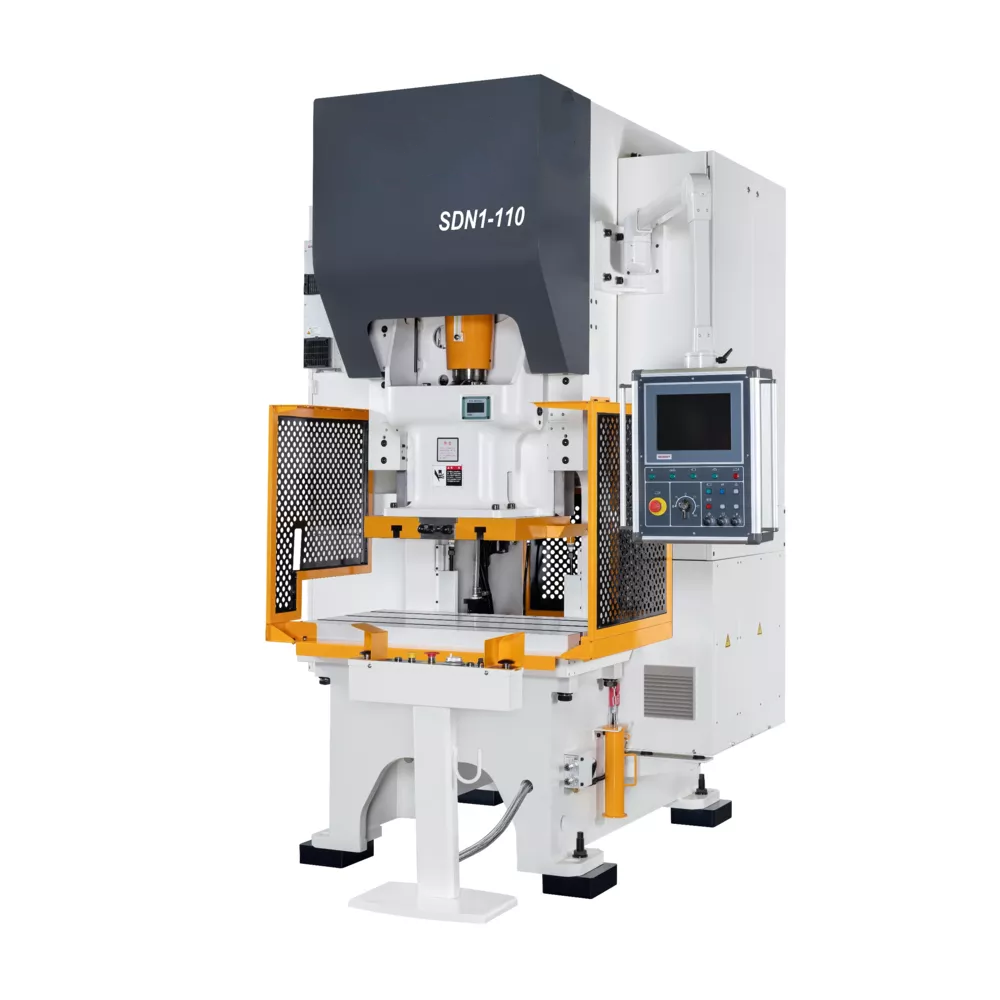
Price Range Overview: Categorizing the Market
The price of an industrial metal punching machine varies significantly based on its technology, capacity, and automation level. When planning for bulk procurement, it is essential to categorize these machines to align with your specific production requirements. Generally, the market is divided into three primary tiers: mechanical presses, hydraulic punching machines, and CNC turret punch presses.
Mechanical Power Presses
Mechanical presses are the traditional choice for high-speed, high-volume punching of simple shapes. These machines utilize a flywheel to store energy, which is then released through a crankshaft to drive the ram. For bulk procurement, mechanical presses are often the most cost-effective entry point. Prices for entry-level mechanical presses (10 to 25 tons) typically range from $3,000 to $8,000 per unit. Mid-range models (40 to 80 tons) can cost between $10,000 and $25,000, while heavy-duty mechanical presses exceeding 100 tons can reach $50,000 or more.
Hydraulic Punching Machines
Hydraulic machines offer more control over the punching stroke and are often preferred for thicker materials or applications requiring high force throughout the entire stroke. They are generally slower than mechanical presses but offer greater versatility. In a bulk procurement scenario, hydraulic punching machines (single or double station) typically fall within the $15,000 to $45,000 range per unit, depending on the tonnage and throat depth.
CNC Turret Punch Presses
At the top of the spectrum are CNC turret punch presses. These machines are designed for complex geometries and high-precision work, featuring a rotating turret that holds multiple tools. Because of their complexity and integrated software, the industrial metal punching machine price for bulk procurement in this category is significantly higher. A standard CNC turret punch press starts at approximately $60,000 and can easily exceed $250,000 for high-speed, servo-driven models with automated loading and unloading systems.
Main Cost Drivers in Industrial Punching Machinery
Understanding what drives the cost of a punching machine is crucial for negotiating bulk deals. Several technical factors contribute to the final quote provided by manufacturers like HARSLE. By identifying these drivers, procurement teams can prioritize features that offer the best value for their specific applications.
Tonnage and Pressing Force
The most significant cost driver is the machine’s tonnage. Tonnage refers to the amount of force the machine can apply to the workpiece. Higher tonnage requires more robust frames, larger motors, and more durable hydraulic or mechanical components. For example, a 30-ton machine is significantly cheaper than a 100-ton machine. When procuring in bulk, it is vital to calculate the exact tonnage required for your thickest and hardest materials to avoid over-paying for capacity you won’t use.
Throat Depth and Worktable Size
The throat depth determines the maximum width of the sheet metal that can be processed. A deeper throat allows for larger sheets but requires a more rigid frame to prevent deflection under pressure. Similarly, the size of the worktable and the travel range of the X and Y axes in CNC models directly impact the price. Increasing the throat depth from 500mm to 1250mm can increase the machine cost by 20-30% due to the additional steel and engineering required for structural integrity.
Strokes Per Minute (SPM) and Processing Speed
In high-volume manufacturing, time is money. Machines capable of higher strokes per minute (SPM) command a premium. High-speed punching requires advanced cooling systems, precision-balanced flywheels, or high-response servo motors. For bulk procurement, if your production line requires 600 SPM versus 300 SPM, expect a significant jump in the per-unit price, though this is often offset by the increased throughput.
Configuration Impact: Customizing for Efficiency
The base price of a machine is often just the starting point. The configuration of the machine—specifically the tooling, control systems, and safety features—can alter the final industrial metal punching machine price for bulk procurement by a wide margin. Customization allows businesses to tailor the machinery to their specific workflow, but it requires careful financial planning.
Turret Stations and Tooling Versatility
For CNC turret presses, the number of stations in the turret is a major configuration factor. A 16-station turret is standard for basic operations, but 24, 32, or even 40-station turrets are available for complex parts. Furthermore, the inclusion of “Auto-Index” stations—which allow tools to rotate 360 degrees—adds significant cost but reduces the need for multiple specialized tools, potentially lowering long-term tooling costs.
CNC Control Systems
The “brain” of the machine, the CNC controller, varies in price based on brand and functionality. Systems from world-renowned brands like Fanuc or Siemens offer high reliability and global support but come with a premium price tag. Proprietary or less common controllers may reduce the initial purchase price but could lead to higher costs in training and maintenance. In bulk procurement, standardizing on a single controller type across all units is highly recommended to simplify operator training and spare parts management.
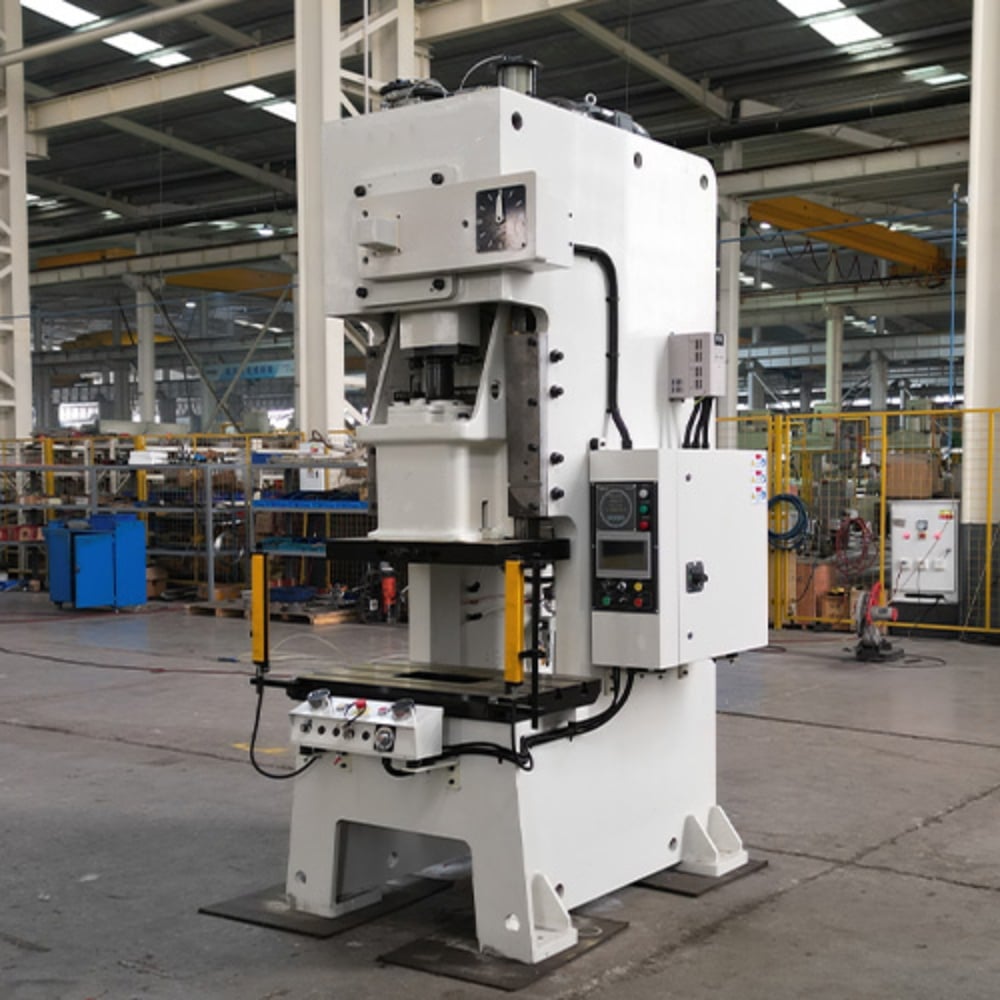
Automation and Material Handling
Modern industrial punching machines can be integrated with automatic sheet loaders, unloaders, and stacking systems. While these additions can double the price of a single unit, they drastically reduce labor costs and increase machine utilization. For bulk procurement, implementing automation across a fleet of machines can lead to a highly autonomous factory floor, providing a massive competitive advantage in labor-intensive markets.
Hidden Costs of Bulk Procurement
When calculating the total cost of ownership (TCO) for an industrial metal punching machine, the purchase price is only one part of the equation. Bulk procurement involves logistical and operational complexities that can introduce hidden costs if not properly accounted for during the planning phase.
- Logistics and Shipping: Shipping multiple heavy machines internationally involves significant freight costs, customs duties, and insurance. For bulk orders, specialized heavy-lift containers or break-bulk shipping may be required.
- Foundation and Installation: Industrial punching machines generate immense vibration. Installing a fleet of machines often requires reinforced concrete foundations and specialized vibration-dampening mounts. The cost of site preparation can be substantial.
- Power Infrastructure: High-tonnage machines consume significant electrical power. A bulk installation may require upgrading your facility’s electrical transformers and distribution panels to handle the increased load.
- Initial Tooling Inventory: A machine is useless without tools. Bulk procurement should include a comprehensive initial inventory of punches and dies, which can add thousands of dollars to the total investment.
- Training and Software Licensing: Operating CNC machinery requires skilled labor. Budgeting for comprehensive on-site training and CAD/CAM software licenses for multiple workstations is essential for a smooth rollout.
ROI Calculation: Justifying the Investment
The primary goal of bulk procurement is to achieve a high Return on Investment (ROI). To justify the industrial metal punching machine price for bulk procurement, businesses must look beyond the initial capital expenditure and analyze the long-term financial benefits. A standard ROI calculation for punching machinery includes several key metrics.
First, consider the Cost Per Hole. By dividing the total operating cost (power, labor, maintenance, tooling wear) by the number of holes punched over the machine’s lifespan, you can compare the efficiency of different models. High-speed CNC machines often have a higher initial cost but a much lower cost per hole due to their extreme productivity. Second, evaluate Labor Savings. If one automated CNC turret press can replace three manual mechanical presses, the reduction in headcount and associated benefits provides a direct and measurable return.
Furthermore, bulk procurement often allows for Volume Discounts. Manufacturers like HARSLE typically offer tiered pricing for orders of multiple units. This reduction in the per-unit purchase price immediately improves the ROI. Additionally, standardizing on one machine model across a facility reduces the “hidden” costs of maintenance, as technicians only need to learn one system and spare parts can be shared across the entire fleet, reducing downtime.
Buying Advice for Bulk Procurement
Navigating a bulk purchase requires a strategic approach to supplier selection and contract negotiation. Here are several tips to ensure you get the best value for your investment:
- Verify Manufacturer Credentials: When sourcing from international markets, ensure the manufacturer has a proven track record, ISO certifications, and a robust quality control process. HARSLE, for instance, is known for its rigorous testing standards.
- Request a Prototype or Demo: Before committing to a bulk order, request a demonstration or a trial run with your specific materials and part designs. This ensures the machine meets your precision and speed requirements.
- Negotiate a Comprehensive Support Package: Bulk procurement gives you leverage. Negotiate for extended warranties, included spare parts kits, and guaranteed response times for technical support.
- Plan for Future Scalability: Choose machines that can be easily integrated into future automation projects. Look for industry 4.0 compatibility and open-source software interfaces.
- Consider the Resale Value: High-quality machines from reputable brands hold their value better on the secondary market. This “exit strategy” should be part of your long-term financial planning.
Frequently Asked Questions (FAQ)
What is the average lead time for a bulk order of punching machines?
Lead times for bulk orders typically range from 8 to 16 weeks, depending on the complexity of the machines and the manufacturer’s current production schedule. Custom configurations or high-tonnage models may require additional time for engineering and testing.
How does material type affect the choice of a punching machine?
The material’s shear strength and thickness determine the required tonnage. For example, punching stainless steel requires significantly more force than punching aluminum of the same thickness. Always specify your material types when requesting a quote to ensure the machine is appropriately powered.
Can I mix different machine types in a single bulk procurement order?
Yes, many manufacturers allow for mixed orders. For instance, you might procure five mechanical presses for simple tasks and two CNC turret presses for complex parts. This “hybrid” approach can optimize your budget while meeting diverse production needs.
What maintenance is required for industrial punching machines?
Regular maintenance includes lubrication of moving parts, inspection of hydraulic seals, sharpening of tooling, and calibration of the CNC system. For bulk installations, implementing a preventative maintenance schedule is critical to preventing costly downtime across the production line.
Is financing available for bulk industrial machinery purchases?
Most major manufacturers and third-party industrial lenders offer financing options, including leasing and equipment loans. These can help spread the capital cost over several years, aligning the payments with the revenue generated by the new machinery.
Conclusion
Investing in industrial metal punching machinery is a significant step toward manufacturing excellence. By understanding the nuances of the industrial metal punching machine price for bulk procurement, businesses can make informed decisions that balance initial costs with long-term productivity. From selecting the right tonnage to accounting for hidden logistical expenses, a thorough procurement strategy is the key to unlocking the full potential of your fabrication facility. With the right partner like HARSLE, bulk procurement becomes a catalyst for growth, efficiency, and market leadership.