Punching Machine vs Press Brake: Which Metal Fabrication Machine Fits Your Production Line?


Comparison Summary: Understanding the Core Differences
In the world of metal fabrication, the choice between a punching machine and a press brake is often the difference between a streamlined, high-efficiency production line and one plagued by bottlenecks. While both machines are fundamental to sheet metal processing, they serve entirely different primary functions. A punching machine is designed to create holes, cutouts, and complex shapes by removing material or forming small features like louvers. In contrast, a press brake is a bending powerhouse, designed to transform flat sheets into three-dimensional components through precise angular deformation.
Choosing the right machine requires a deep dive into your specific production requirements. Are you producing flat panels with intricate perforated patterns, or are you manufacturing structural brackets and enclosures that require multiple bends? Often, high-volume shops utilize both machines in a sequential workflow: the punching machine prepares the flat blank with all necessary holes and notches, and the press brake follows up to provide the final structural shape. However, for smaller shops or specialized production lines, investing in the wrong technology first can lead to significant operational inefficiencies.
This guide provides a comprehensive technical and operational comparison between the Punching Machine and the Press Brake. We will explore their mechanical principles, tooling requirements, material limitations, and cost structures to help you determine which HARSLE solution fits your production line best. By the end of this article, you will have a clear understanding of the ‘Punching Machine Vs Press Brake: Which Metal Fabrication Machine Fits Production Line?’ dilemma and how to optimize your capital investment.
Punching Machine Overview: Speed and Versatility in Flat Processing
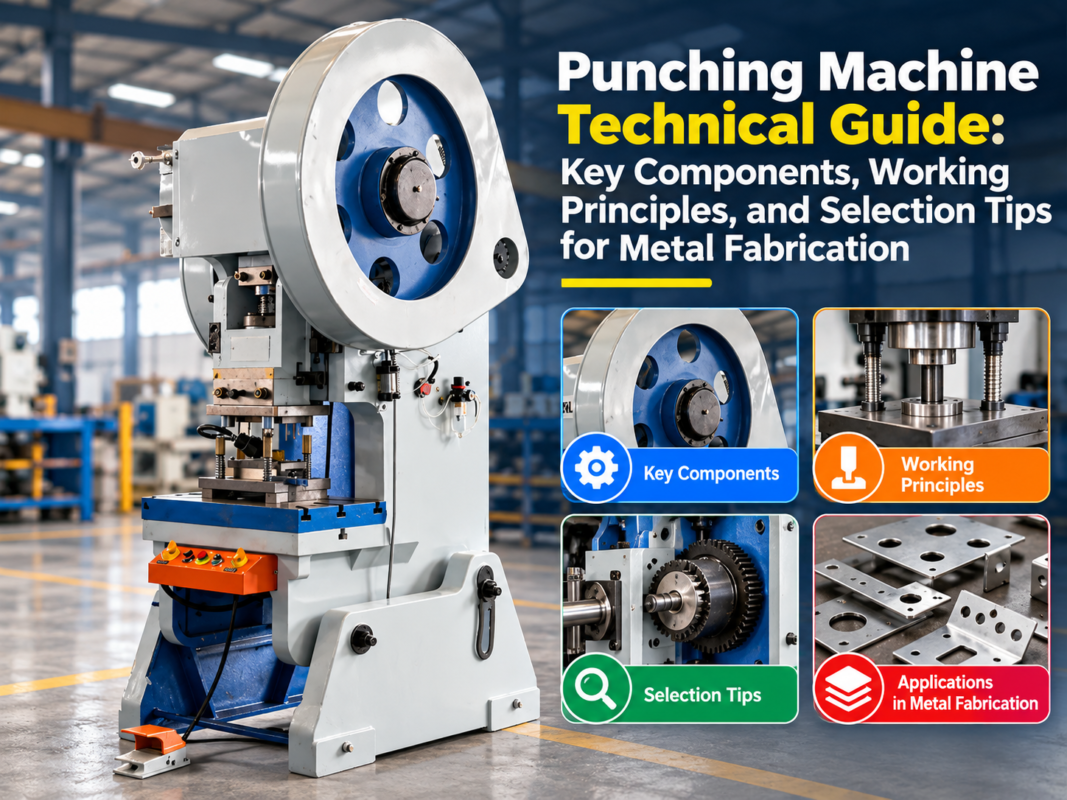
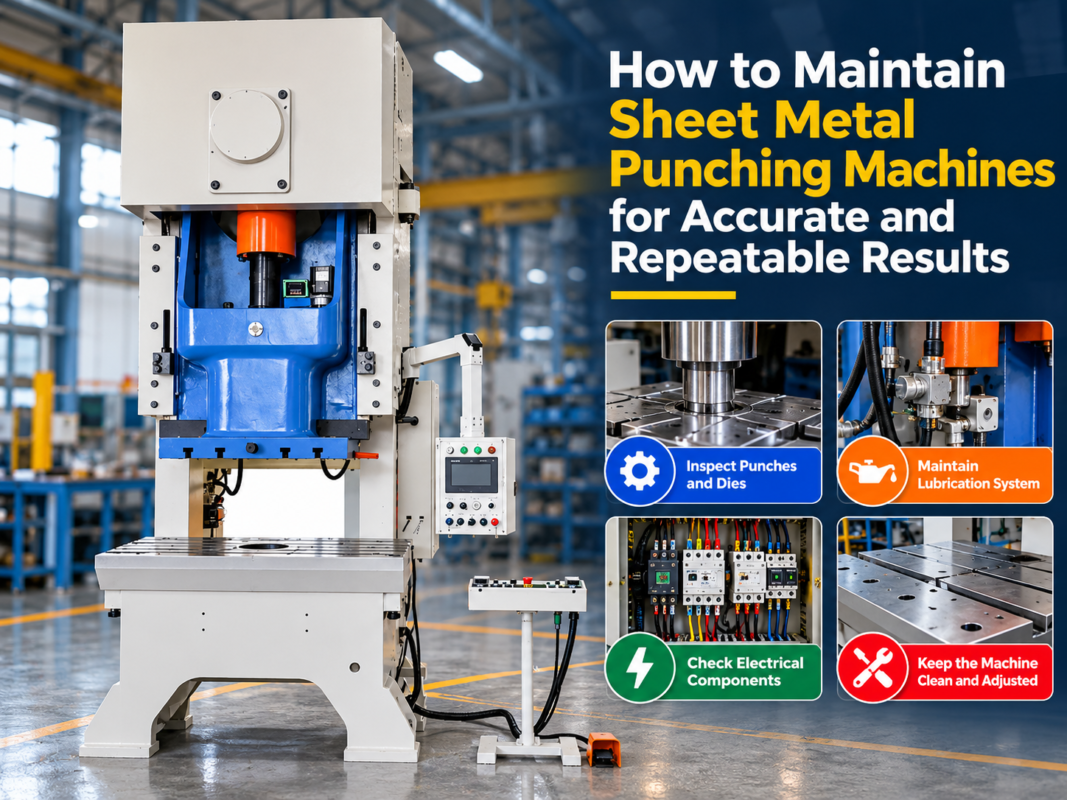
A CNC punching machine, particularly the turret punch variety, is a high-speed powerhouse for flat sheet metal processing. The machine operates by using a punch and die set to shear through the material. In a CNC turret punch, dozens of different tools are housed in a rotating turret, allowing the machine to switch between different hole sizes, shapes, and even forming tools in a matter of milliseconds. This makes the punching machine incredibly efficient for parts that require numerous holes, slots, or complex internal cutouts that would be too slow for a laser or too difficult for a drill.
Modern punching machines from HARSLE offer more than just simple hole-making. With advanced CNC controls and specialized tooling, these machines can perform ‘nibbling’—a process where a small punch makes a series of overlapping hits to create a large or irregular shape. Furthermore, they can perform secondary operations such as countersinking, louver forming, ribbing, and even tapping. This multi-functionality reduces the need for secondary machines, keeping the part on a single platform for a larger portion of the production cycle.
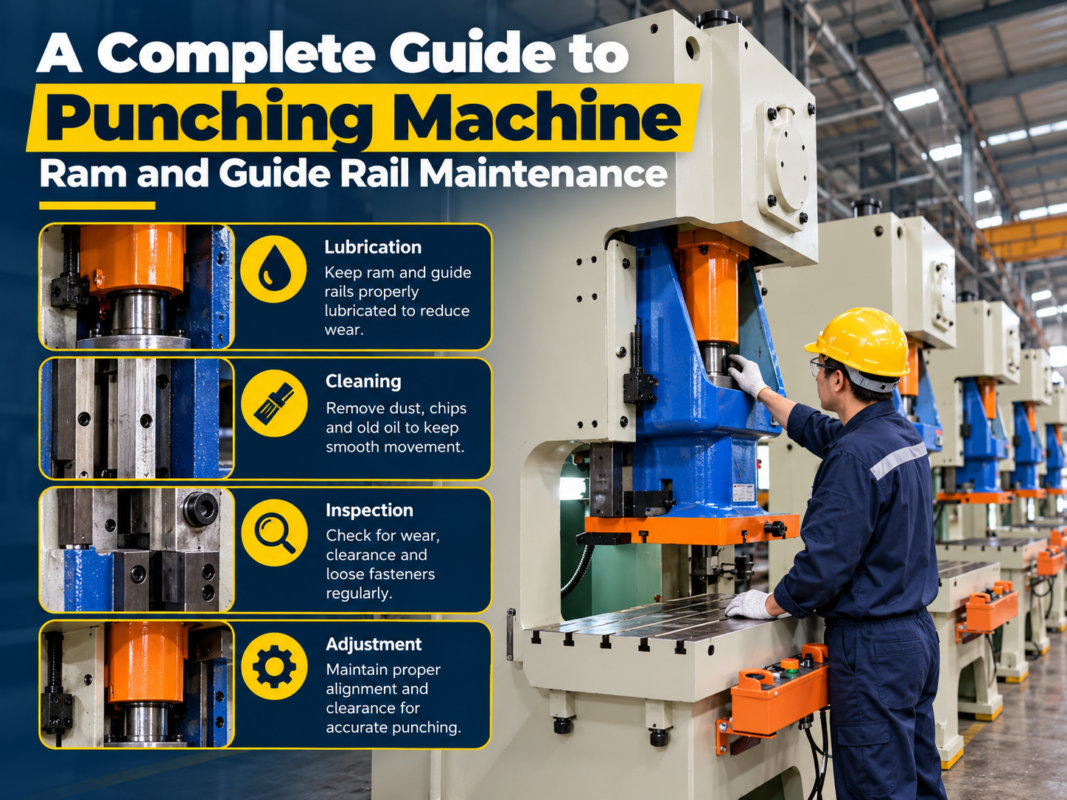
The mechanical heart of a punching machine can be either mechanical, hydraulic, or servo-electric. Hydraulic and servo-electric models offer the greatest flexibility, allowing for precise control over the ram’s position and speed. This is crucial for forming operations where the punch must not fully penetrate the material. The speed of these machines is measured in hits per minute (HPM), with high-end models capable of exceeding 1,000 HPM for marking and 400-500 HPM for standard punching. This rapid-fire capability is what makes the punching machine the king of high-volume flat part production.
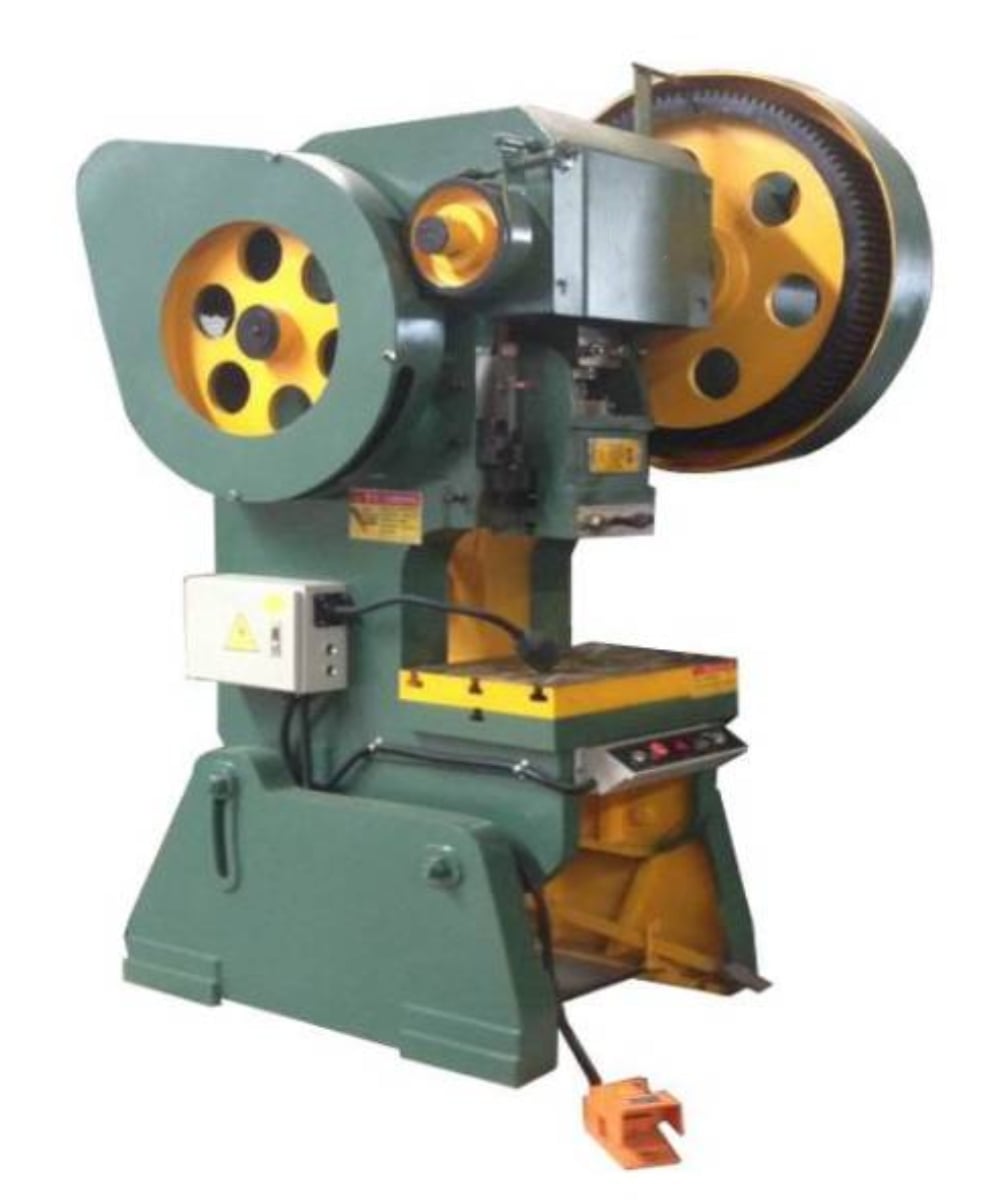
However, punching machines do have limitations. They are generally restricted to thinner materials compared to heavy-duty press brakes. While they can handle up to 6mm steel in some configurations, their sweet spot is usually in the 0.5mm to 3mm range. Additionally, the noise level of a mechanical punch can be significant, and the initial investment in a comprehensive tool library can be high. Despite these factors, for any production line focused on electronics enclosures, ventilation components, or perforated panels, the punching machine is an indispensable asset.
Press Brake Overview: Precision Bending and Structural Integrity
The press brake is the cornerstone of the bending department. Its primary function is to take a flat piece of metal and bend it at a specific angle using a matching punch and die. Unlike the punching machine, which removes material, the press brake deforms it. The machine consists of a flat bed (the lower table) and a moving ram (the upper beam). A V-shaped die is placed on the bed, and a wedge-shaped punch is attached to the ram. As the ram descends, it forces the metal into the die, creating a bend.
HARSLE press brakes are categorized by their drive systems: hydraulic, electric, or hybrid. Hydraulic press brakes are the industry standard for heavy-duty applications, offering massive tonnage (force) to bend thick plates. Electric press brakes are gaining popularity for their high speed, energy efficiency, and extreme precision in thinner gauges. The precision of a press brake is largely determined by its CNC controller and backgauge system. The backgauge is a motorized stop that positions the metal accurately before the bend, ensuring that every part is identical and meets tight tolerances.
One of the most critical aspects of modern press brake technology is ‘crowning.’ When a long piece of metal is bent, the machine’s bed and ram can deflect slightly in the center, leading to an inconsistent bend angle across the length of the part. Advanced HARSLE press brakes feature automatic hydraulic or mechanical crowning systems that compensate for this deflection in real-time. This ensures that a 90-degree bend is exactly 90 degrees from one end of a 4-meter sheet to the other.
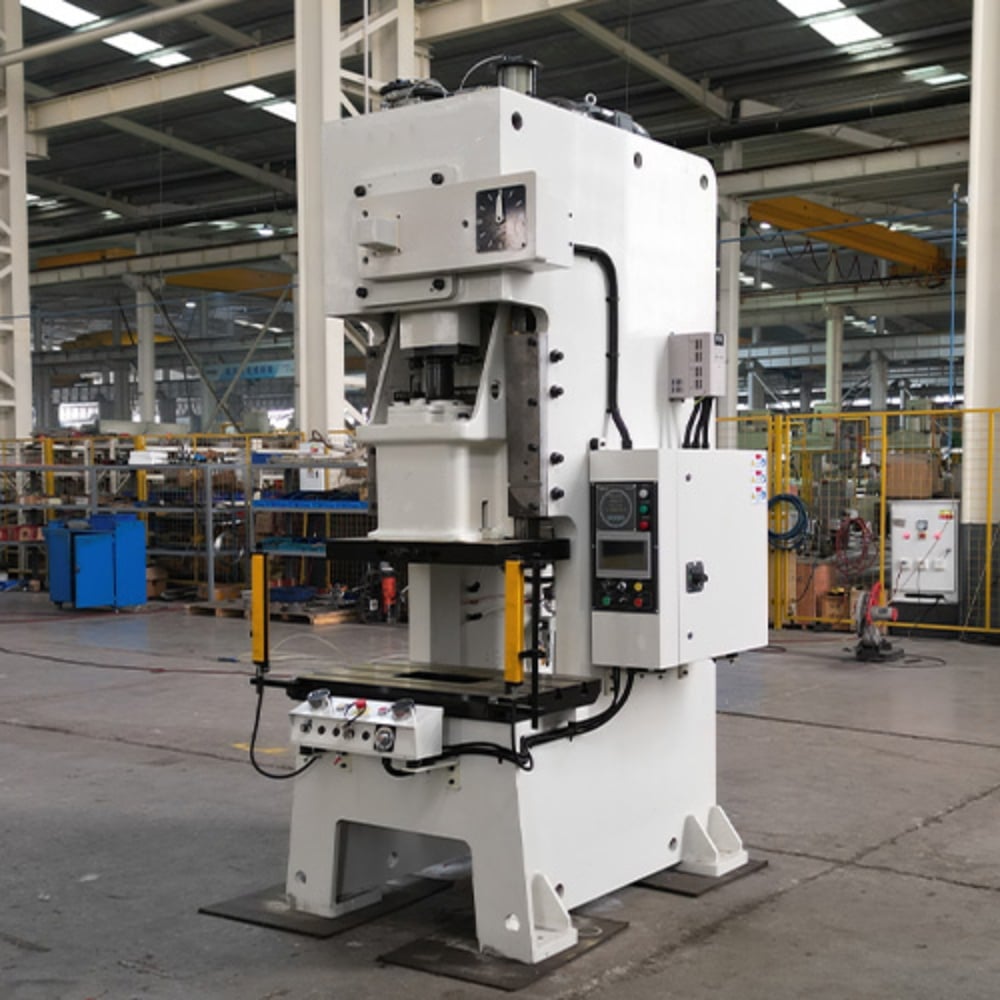
The versatility of a press brake lies in its tooling. By changing the punch and die, a single machine can produce sharp 90-degree bends, wide-radius curves, hemming (folding the edge over itself), and even offset bends. While a press brake is slower than a punching machine in terms of ‘hits per minute,’ its value lies in its ability to create structural integrity. A flat sheet has little strength, but once it is bent into a U-channel or a box shape, it becomes a rigid component ready for assembly.
Specification Comparison Table
To better understand the technical trade-offs, the following table compares the typical specifications and capabilities of a CNC Punching Machine versus a CNC Press Brake.
| Feature | CNC Punching Machine | CNC Press Brake |
|---|---|---|
| Primary Function | Hole making, cutting, forming small features | Bending and angular deformation |
| Material Thickness | Typically 0.5mm – 6.0mm | 0.5mm – 25mm+ (depending on tonnage) |
| Operating Speed | Very High (up to 1000+ hits per minute) | Moderate (focused on precision movement) |
| Tooling Variety | Turret with 20-60+ tools; high cost for library | Standard V-dies and punches; versatile |
| Complexity of Shape | Excellent for flat patterns and cutouts | Excellent for 3D structural shapes |
| Automation Potential | High (Auto-loading/unloading systems) | High (Robotic bending cells) |
| Setup Time | Low (once tools are in the turret) | Moderate (requires tool changes for different bends) |
| Noise Level | High (impact noise) | Low to Moderate (hydraulic/electric hum) |
Best-fit Applications: When to Choose Which Machine?
Determining which machine fits your production line depends heavily on your end product. Let’s look at specific scenarios where one machine clearly outperforms the other. If your production line is focused on manufacturing **perforated metal panels, speaker grilles, or ventilation covers**, the punching machine is the clear winner. The ability to punch thousands of holes in a single sheet with high speed and precision is something a press brake simply cannot do. Furthermore, if your parts require ‘louvers’ (the small slanted vents found on electrical boxes), a punching machine can form these in a single hit using specialized tooling.
On the other hand, if you are producing **brackets, heavy-duty frames, cabinets, or automotive chassis components**, the press brake is your primary tool. These parts require structural rigidity that only bending can provide. While a punching machine might prepare the blank, the press brake is where the part takes its final form. For shops that produce a wide variety of parts with different bend angles and radii, the press brake’s ability to handle different thicknesses and materials with a simple tool change is invaluable.
There is also the consideration of ‘nesting.’ Punching machines are excellent at processing large sheets of metal where multiple different parts are ‘nested’ together to minimize waste. The machine can punch all the holes and then ‘shake and break’ the parts out of the skeleton. Press brakes, however, usually process one part at a time. If your workflow involves high-volume production of complex flat blanks that then need a single simple bend, you might find that a punching machine does 90% of the work, and a small, fast press brake finishes the job.
Finally, consider the material type. Punching machines can struggle with very soft or very brittle materials, as the shearing action can cause deformation or cracking. Press brakes, especially those with precision air-bending capabilities, are often more forgiving with a wider range of material properties. If you are working with high-strength steels or specialized alloys, the controlled force of a hydraulic press brake is often necessary to achieve the desired results without damaging the material.
Cost and Maintenance Comparison
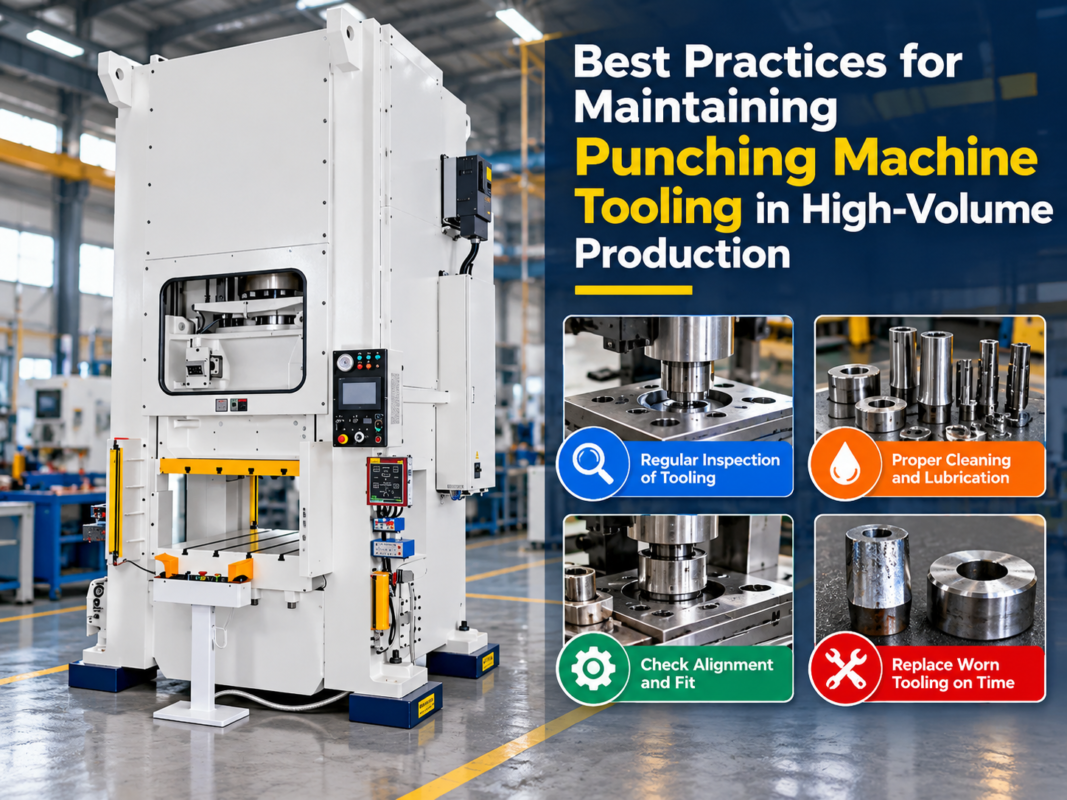
The financial commitment for these machines extends far beyond the initial purchase price. For a **Punching Machine**, the initial investment is often higher than a basic press brake due to the complexity of the turret and the CNC system. However, the real ongoing cost is the tooling. A full library of punches and dies for various hole sizes and shapes can cost tens of thousands of dollars. Maintenance for a punching machine involves regular sharpening of these tools; a dull punch will result in burrs on the metal and increased stress on the machine’s ram. Additionally, the high-speed nature of the machine means that mechanical components like the X/Y axis ball screws and the turret indexing pins require frequent lubrication and inspection.
For a **Press Brake**, the cost is often more scalable. You can start with a basic set of universal tooling and add specialized dies as your business grows. Maintenance on a press brake is generally focused on the hydraulic system (for hydraulic models) or the electrical drive components. Keeping the hydraulic oil clean and at the correct temperature is vital for consistent bending performance. The backgauge system is the most sensitive mechanical part of a press brake; it must be kept clean and calibrated to ensure that your bends remain accurate over time. While press brake tools don’t need ‘sharpening’ like punches, they do wear down over years of use and must be checked for deformation.
Energy consumption is another factor. Modern servo-electric press brakes are incredibly efficient, only using significant power when the ram is actually moving. Older hydraulic punching machines can be energy-intensive, though modern servo-electric turret punches have significantly closed this gap. When calculating your ROI, consider the ‘cost per part.’ A punching machine might have higher overhead, but its incredible speed can drive the per-unit cost down significantly for high-volume orders. Conversely, for low-volume, high-complexity work, the lower setup costs of a press brake might be more economical.
Recommendation: Building Your Ideal Production Line
So, which metal fabrication machine fits your production line? The answer is rarely ‘one or the other’ but rather ‘which one first’ or ‘in what ratio.’ If you are starting a new fabrication shop, a **CNC Press Brake** is often the most versatile first purchase. It allows you to take blanks (which can be outsourced to a laser cutting service) and turn them into finished products. The press brake is the ‘finisher’ in the fabrication world.
However, if you already have a cutting solution (like a laser or plasma cutter) and you find that your production is slowed down by the need for many small holes, countersinks, or forming features, then a **CNC Punching Machine** is the logical next step. It will offload the ‘detail work’ from your cutting machines and provide a level of speed that is unattainable by other methods. For high-volume manufacturers of electronics, HVAC, and appliances, the punching machine is often the heart of the factory, with press brakes serving as the supporting equipment.
At HARSLE, we recommend analyzing your last six months of production data. Look at the total number of holes versus the total number of bends. If your ‘hole-to-bend’ ratio is high, prioritize the punching machine. If you are doing complex multi-stage bending on relatively simple blanks, invest in a high-end press brake with a multi-axis backgauge. Ultimately, the most efficient production lines utilize a balanced combination of both, often linked by automated material handling systems to minimize manual labor and maximize throughput.
Frequently Asked Questions (FAQ)
1. Can a punching machine replace a laser cutter?
To some extent, yes. A punching machine is much faster at creating holes and can perform forming operations (like louvers) that a laser cannot. However, a laser is better for extremely complex outer contours and thicker materials where a punch would struggle. Many modern shops use both to complement each other.
2. What is the maximum thickness a press brake can bend?
This depends entirely on the machine’s tonnage and the width of the V-die. Small electric press brakes might handle up to 3mm or 4mm, while massive hydraulic HARSLE press brakes can bend steel plates over 25mm thick. Always refer to a ‘bending force chart’ to ensure you don’t overload the machine.
3. Is it hard to learn how to operate a CNC turret punch?
Modern CNC interfaces have made operation much simpler. However, the ‘art’ of punching lies in tool management and nesting. Learning how to sequence hits to prevent sheet distortion and how to maintain the tools is a skill that takes time to master. HARSLE provides comprehensive training to get your operators up to speed quickly.
4. How often should I change the hydraulic oil in my press brake?
Generally, hydraulic oil should be checked every 2,000 hours of operation and typically replaced every 4,000 to 6,000 hours, depending on the environment and usage intensity. Regular filter changes are even more important to prevent contaminants from damaging the precision valves.
5. Can I do punching on a press brake?
While there are ‘punching attachments’ for press brakes, they are generally intended for low-volume, simple hole-making. A press brake is not designed for the high-cycle speeds of a punching machine, and using it this way can lead to premature wear on the ram and hydraulic system. If you have a high volume of holes, a dedicated punching machine is the correct tool.