Hydraulic Punching Machine vs Mechanical Punching Machine: Key Differences for Manufacturers


Comparison Summary: Navigating the Punching Machine Landscape
In the modern metal fabrication industry, the choice between a hydraulic punching machine and a mechanical punching machine is one of the most significant decisions a manufacturer can make. Both technologies serve the fundamental purpose of creating holes or shapes in sheet metal, but they operate on vastly different physical principles. A mechanical punching machine relies on the kinetic energy stored in a heavy flywheel to deliver a high-speed, high-impact force. In contrast, a hydraulic punching machine utilizes pressurized fluid and cylinders to provide a controlled, consistent force throughout the entire stroke. Understanding the Hydraulic Punching Machine Vs Mechanical Punching Machine: Key Differences Manufacturers must consider is essential for optimizing production efficiency, ensuring part quality, and managing long-term operational costs.
While mechanical presses have been the backbone of high-volume stamping for decades due to their incredible speed, hydraulic systems have gained massive popularity for their versatility and precision. Manufacturers today are often caught between the need for the rapid-fire output of mechanical systems and the adaptable, deep-drawing capabilities of hydraulic systems. This guide provides an exhaustive analysis of both machine types, helping factory owners and engineers determine which technology aligns best with their specific material requirements, volume targets, and budget constraints. Whether you are producing automotive components, electrical enclosures, or heavy structural steel parts, the nuances of these machines will dictate your competitive edge in the market.
Hydraulic Punching Machine Overview: Precision and Versatility
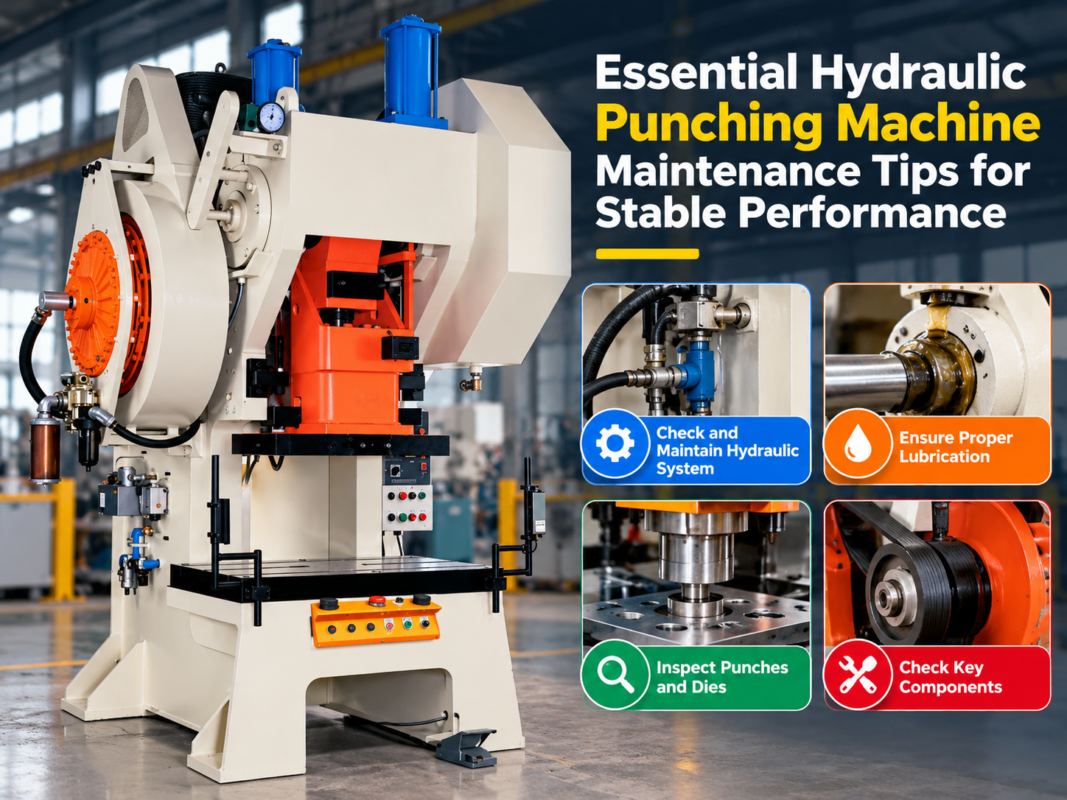
The hydraulic punching machine is a marvel of fluid power engineering. It operates based on Pascal’s Law, which states that pressure applied to a confined fluid is transmitted undiminished in every direction. In a punching context, a hydraulic pump forces oil into a cylinder, driving a piston (and the attached punch) downward into the workpiece. One of the most significant advantages of this system is the ability to deliver full tonnage at any point in the stroke. Unlike mechanical machines, which only reach peak force near the bottom of the cycle, a hydraulic press can exert its maximum rated power the moment the punch touches the metal. This makes it ideal for thick materials and complex forming operations that require sustained pressure.
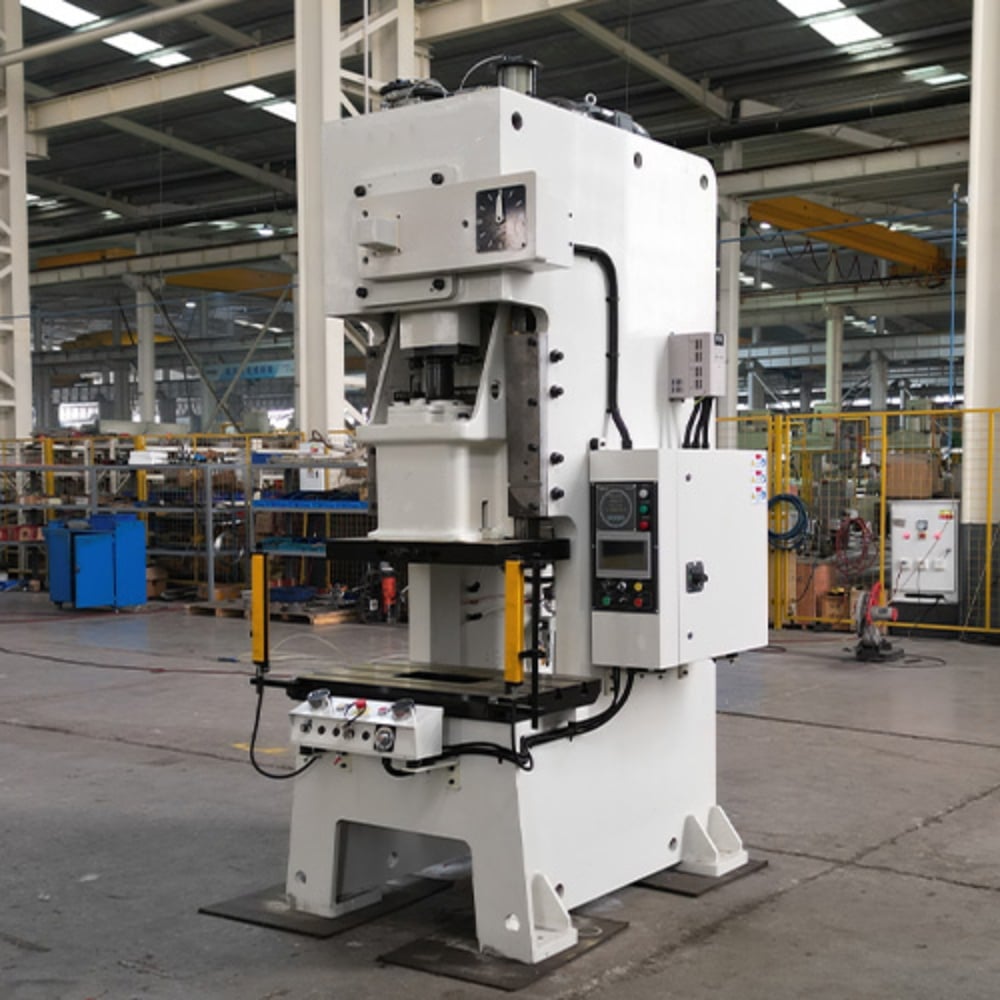
Versatility is perhaps the strongest selling point for hydraulic systems. Because the stroke length, speed, and pressure are all electronically controlled via CNC interfaces, operators can easily adjust the machine for different material thicknesses and tool heights. This flexibility allows a single hydraulic machine to perform punching, blanking, bending, and even light drawing operations. Furthermore, hydraulic machines are inherently safer in terms of overload protection. If the machine encounters a resistance greater than its rated capacity, a relief valve simply opens, preventing catastrophic damage to the frame or the tooling. This “built-in” safety mechanism reduces the risk of expensive downtime caused by operator error or material inconsistencies.
However, hydraulic machines are generally slower than their mechanical counterparts. The process of moving fluid into and out of cylinders takes more time than the continuous rotation of a flywheel. While modern high-speed hydraulic valves have narrowed this gap, they still cannot match the hundreds of strokes per minute (SPM) achievable by mechanical presses. Additionally, hydraulic systems require careful monitoring of oil temperature and filtration to maintain performance. Despite these factors, for manufacturers focusing on high-precision, low-to-medium volume production, or those working with heavy-gauge plates, the hydraulic punching machine remains the superior choice for its adaptability and consistent power delivery.
Mechanical Punching Machine Overview: Speed and Efficiency
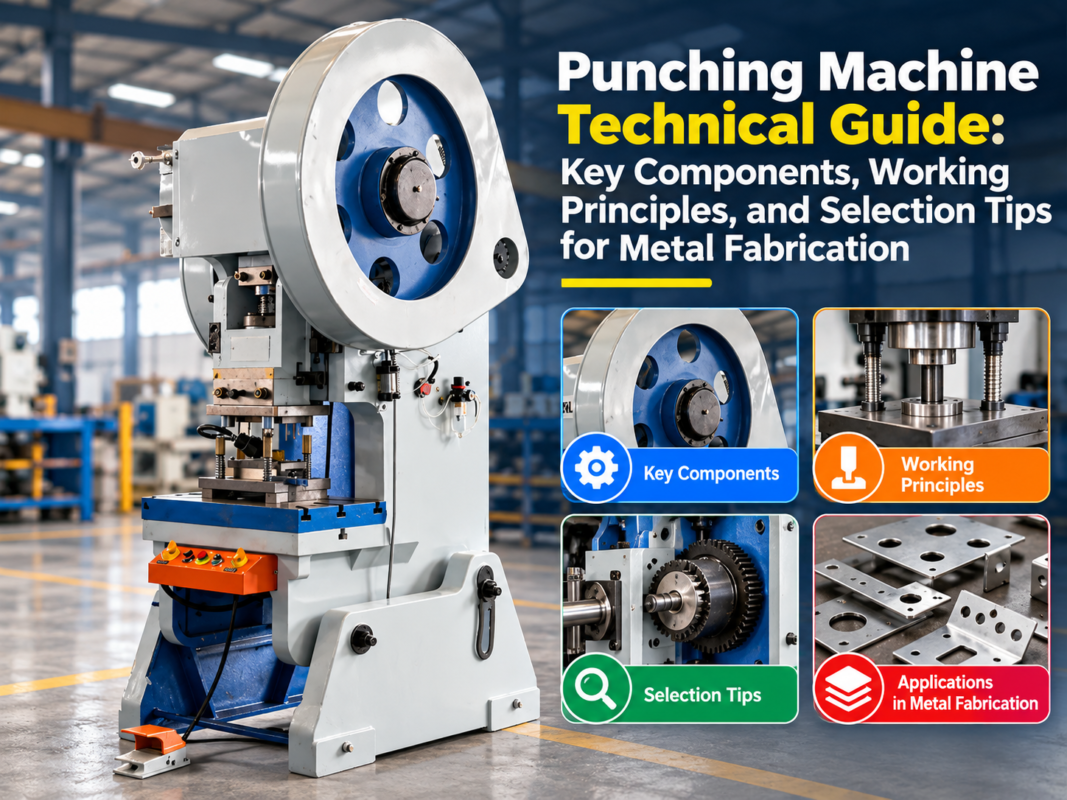
Mechanical punching machines are the speed demons of the fabrication world. They utilize a motor-driven flywheel that stores kinetic energy. When the operator engages the clutch, the flywheel’s energy is transferred through a crankshaft or eccentric gear system to the ram, which drives the punch through the material. This mechanical linkage ensures a fixed stroke length and a very rapid cycle time. For high-volume production runs where the goal is to produce thousands of identical parts in a single shift, the mechanical press is virtually unbeatable. The “hit rate” of a mechanical machine can be significantly higher than that of a hydraulic machine, making it the standard for industries like electronics and small hardware manufacturing.
The primary limitation of a mechanical punching machine is its fixed stroke and force curve. The machine delivers its maximum force only at the very bottom of the stroke (Bottom Dead Center or BDC). If the material is too thick or the punch is set incorrectly, the machine can “lock up” at BDC, which often requires significant effort and mechanical disassembly to fix. Unlike hydraulic machines, mechanical presses do not have an easy way to adjust the stroke length on the fly; changing the stroke usually involves mechanical adjustments to the eccentric or replacing parts. This makes them less suitable for shops that frequently switch between vastly different types of jobs or materials.
From a maintenance perspective, mechanical machines are robust but require meticulous lubrication of the crankshaft, bearings, and clutch systems. Because they operate with high-impact forces, the vibration and noise levels are considerably higher than those of hydraulic machines. However, the lack of a complex hydraulic circuit means there are no oil leaks to worry about, and the electrical consumption is often lower during continuous operation because the flywheel acts as a battery for kinetic energy. For manufacturers who prioritize throughput and have consistent, high-volume part designs, the mechanical punching machine offers the lowest cost-per-part and the highest efficiency.
Specification Comparison Table
To better understand the Hydraulic Punching Machine Vs Mechanical Punching Machine: Key Differences Manufacturers should analyze, the following table summarizes the technical specifications and performance metrics of both types.
| Feature | Hydraulic Punching Machine | Mechanical Punching Machine |
|---|---|---|
| Force Delivery | Constant tonnage throughout the entire stroke. | Peak tonnage only at the bottom of the stroke. |
| Stroke Control | Fully adjustable stroke length and speed via CNC. | Fixed stroke length determined by the crankshaft. |
| Operating Speed | Moderate (typically 20-100 strokes per minute). | High (can exceed 300-600 strokes per minute). |
| Overload Protection | Hydraulic relief valves prevent damage. | Shear pins or friction clutches (less precise). |
| Noise Level | Relatively quiet; pump hum and fluid flow. | Loud; high-impact mechanical thuds. |
| Maintenance | Requires oil changes, seal checks, and cooling. | Requires heavy lubrication of moving parts. |
| Best For | Thick materials, complex forming, short runs. | Thin materials, high-volume stamping. |
| Initial Cost | Generally higher for advanced CNC models. | Lower for basic models; high for high-speed precision. |
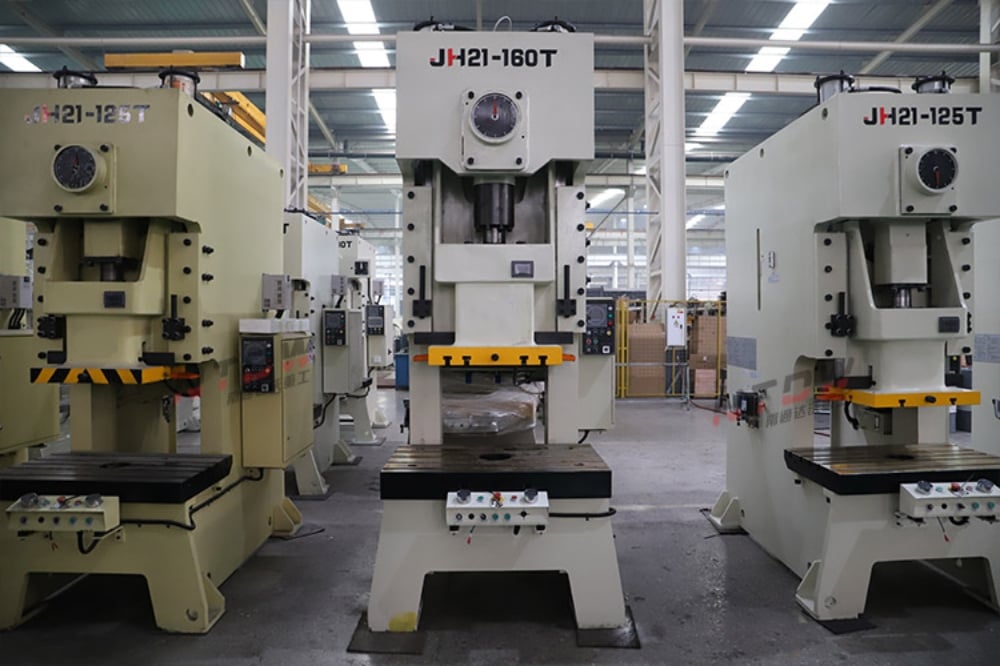
Best-fit Applications: Choosing the Right Tool for the Job
The decision between hydraulic and mechanical technology often comes down to the specific application. For instance, in the automotive industry, both machines are used but for different purposes. Mechanical presses are used for stamping out thousands of small brackets, washers, and simple body clips where speed is the priority. Conversely, hydraulic machines are used for heavy-duty chassis components or parts that require deep drawing, where the metal must be stretched into a shape rather than just punched. The ability of the hydraulic press to maintain pressure during the draw prevents the material from tearing, a feat difficult to achieve with the rapid, percussive strike of a mechanical press.
In the construction and structural steel sector, hydraulic punching machines are the clear winners. These applications often involve punching holes in thick I-beams, angles, and heavy plates. The constant tonnage of a hydraulic system allows it to pierce through 20mm or 30mm steel with ease and precision. Mechanical machines of equivalent power would be prohibitively large and expensive for these thick-plate applications. Furthermore, the ability to stop the punch mid-stroke and jog it for precise alignment is a critical feature for structural fabricators who cannot afford to scrap expensive large-scale beams due to a misalignment.
For electronics and precision instrument manufacturers, the mechanical punching machine is often preferred. These industries deal with thin-gauge aluminum, copper, and steel. The high speed of a mechanical press allows for the rapid production of heat sinks, enclosures, and connectors. Since the material is thin, the fixed stroke and force curve of the mechanical press are not a hindrance. However, if the manufacturer needs to perform “forming” operations like creating louvers for ventilation or countersinking holes within the same cycle, a CNC hydraulic turret punch might be chosen for its ability to precisely control the depth of each hit.
Cost and Maintenance Comparison
When evaluating the Hydraulic Punching Machine Vs Mechanical Punching Machine: Key Differences Manufacturers must weigh, the total cost of ownership (TCO) is a vital metric. The initial purchase price of a hydraulic machine is often higher due to the complexity of the hydraulic power unit, proportional valves, and sophisticated CNC controllers. However, this cost is often offset by the machine’s versatility, which can replace multiple single-purpose machines. Mechanical machines are generally more affordable at the entry-level, but high-speed, high-precision mechanical presses used in automated lines can be extremely expensive due to the precision engineering required for the flywheel and clutch assemblies.
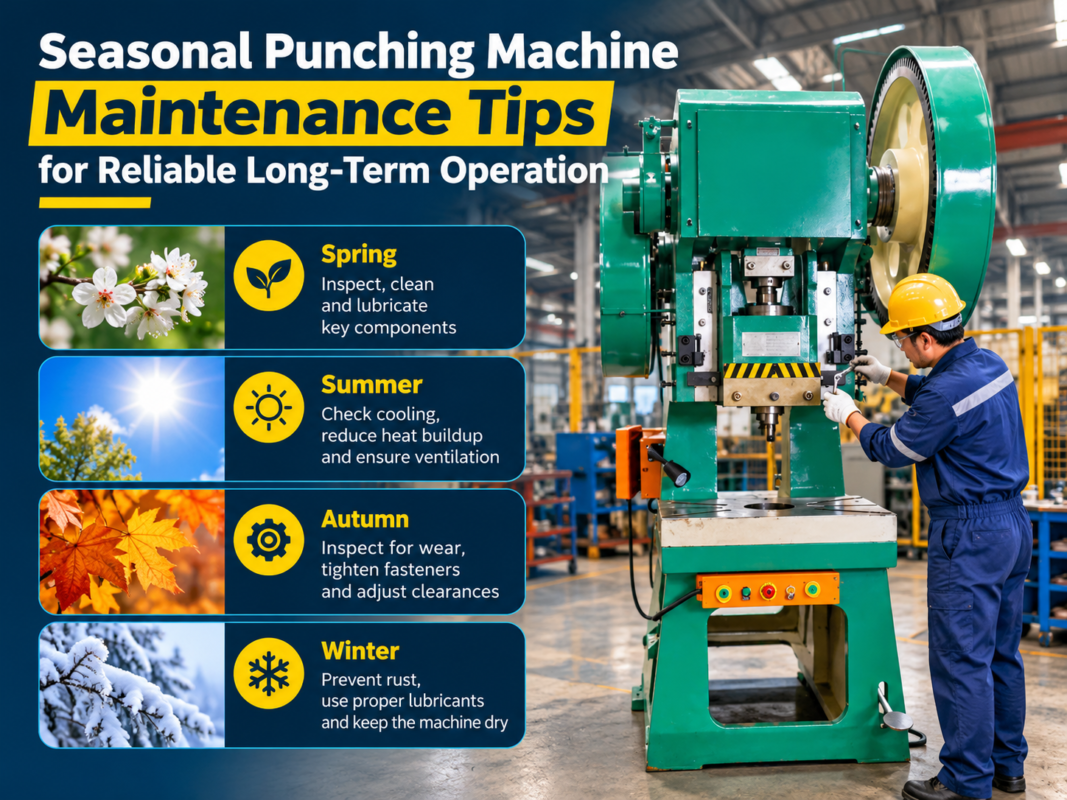
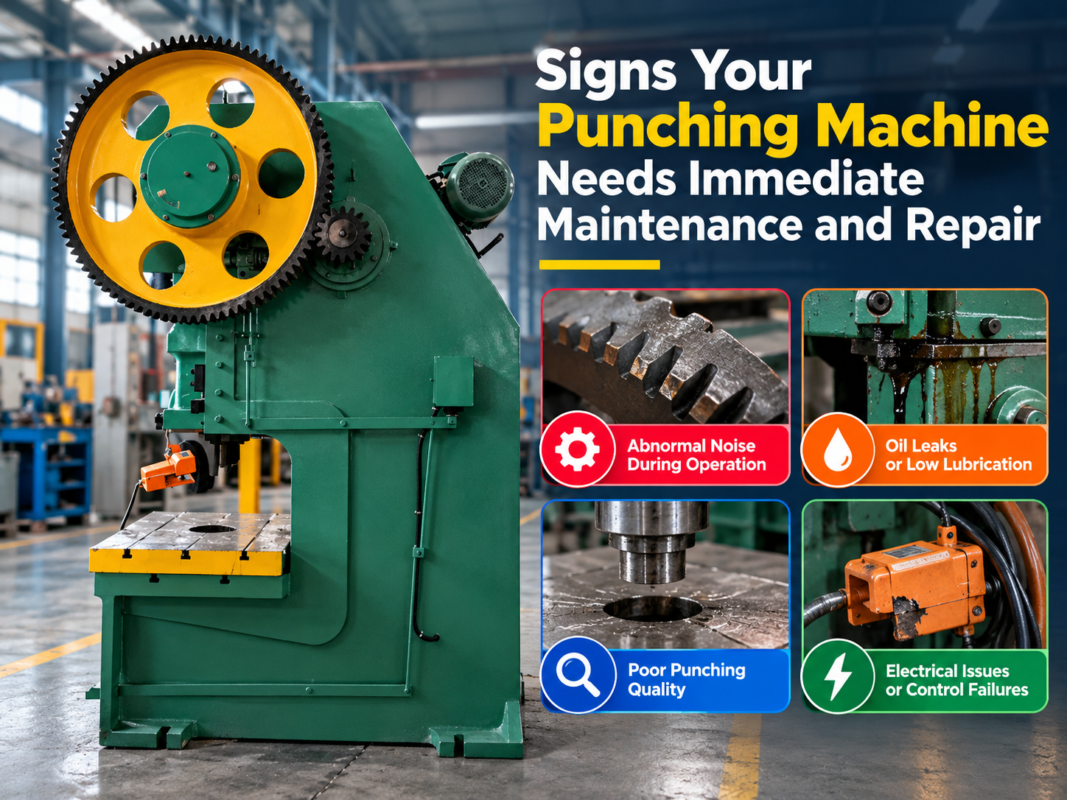
Maintenance profiles differ significantly between the two. Hydraulic machines are susceptible to leaks, seal wear, and oil contamination. Manufacturers must invest in high-quality hydraulic oil and perform regular filter changes to prevent valve blockages. Heat is also an enemy of hydraulic systems; in hot climates or high-duty cycles, oil coolers are mandatory to maintain consistent viscosity and pressure. On the other hand, mechanical machines are prone to wear in the bushings, bearings, and the clutch/brake system. If a mechanical machine is not lubricated properly, the friction can lead to catastrophic failure of the crankshaft. While mechanical maintenance is often more “visible” (greasing and checking for play), hydraulic maintenance requires more specialized diagnostic tools to check pressure drops and flow rates.
Operational costs also include energy consumption. A mechanical press is very efficient once the flywheel is up to speed, as it uses the stored inertia for the actual punch. A hydraulic press requires the pump to run and build pressure for every stroke, which can lead to higher electricity bills in high-volume environments. However, modern hydraulic machines often use servo-driven pumps that only consume power when the machine is actually moving, significantly closing the energy gap. Manufacturers should also consider the cost of tooling; hydraulic machines are generally “gentler” on tools because the impact is controlled, whereas the high-velocity strike of a mechanical press can lead to faster tool wear and chipping if not perfectly aligned.
Recommendation: How to Decide
Choosing the right machine requires a holistic view of your production goals. If your facility focuses on high-volume, repetitive stamping of thin to medium-gauge materials where the part design rarely changes, a mechanical punching machine is the most cost-effective and productive choice. Its sheer speed will allow you to fulfill large orders faster and keep your cost-per-part at a minimum. The mechanical press is a “workhorse” that thrives in environments where throughput is the primary KPI.
On the other hand, if your shop is a job shop or a custom fabrication facility that handles a wide variety of materials, thicknesses, and complex part geometries, a hydraulic punching machine is the better investment. The ability to adjust stroke length, pressure, and speed allows you to take on a broader range of projects. It is also the safer choice for operators who are still learning, as the overload protection prevents expensive mistakes. For heavy-duty industrial applications involving thick plate steel, the hydraulic system is not just a recommendation but a necessity due to its constant tonnage capabilities.
Finally, consider the future of your production. As Industry 4.0 becomes the standard, hydraulic machines are often easier to integrate into fully automated cells because their parameters are already digitally controlled. Mechanical machines can be automated, but they require more complex external sensors and actuators to achieve the same level of feedback. HARSLE recommends conducting a thorough analysis of your current part portfolio and your 5-year growth plan before making the final investment. Often, a balanced floor featuring both types of machines provides the ultimate flexibility for a growing manufacturing business.
Frequently Asked Questions (FAQ)
1. Which machine is better for thick steel plates?
The hydraulic punching machine is significantly better for thick steel plates. It provides constant tonnage throughout the entire stroke, allowing it to push through thick material steadily. Mechanical machines lose force if they are not at the very bottom of their stroke, which can lead to the machine stalling or breaking if used on material thicker than its rated capacity for that specific stroke point.
2. Are mechanical punching machines louder than hydraulic ones?
Yes, mechanical punching machines are generally much louder. The noise comes from the high-speed impact of the punch hitting the metal and the mechanical movement of the flywheel and clutch. Hydraulic machines have a consistent “hum” from the pump and the sound of fluid moving through valves, which is typically more tolerable in a factory environment.
3. Can I perform bending on a punching machine?
Hydraulic punching machines are much better suited for bending and forming operations. Because the stroke can be precisely controlled and stopped at a specific depth, you can use specialized tooling to create offsets, louvers, or small bends. Mechanical machines have a fixed stroke, making it very difficult to perform controlled bending without specialized and expensive spring-loaded tooling.
4. Which machine requires more frequent maintenance?
Both require regular maintenance but of different types. Hydraulic machines need oil changes, filter replacements, and seal inspections to prevent leaks. Mechanical machines require frequent lubrication of the crankshaft and bearings, as well as adjustments to the clutch and brake systems. Generally, hydraulic maintenance is considered more “technical,” while mechanical maintenance is more “labor-intensive.”
5. Is a hydraulic machine slower than a mechanical one?
In terms of strokes per minute (SPM), yes, hydraulic machines are typically slower. A mechanical press can easily reach 300-600 SPM, while a standard hydraulic press might operate between 20 and 100 SPM. However, for complex parts that require multiple tool changes or forming, the setup time and versatility of a hydraulic machine might result in a faster overall production cycle for small batches.