CNC Punching Machine vs Manual Punching Machine: Which Delivers Better Accuracy and Efficiency?


Comparison Summary: The Evolution of Metal Punching
In the competitive landscape of modern metal fabrication, the choice between a CNC punching machine and a manual punching machine is more than just a financial decision; it is a strategic one that defines a workshop’s capabilities. For decades, manual punching machines were the backbone of sheet metal shops, relying on the physical strength and precision of skilled operators. However, the rise of Computer Numerical Control (CNC) technology has revolutionized the industry, offering levels of speed and repeatability that were previously unimaginable. This article provides a comprehensive analysis of CNC Punching Machine Vs Manual Punching Machine: Which Delivers Better Accuracy Efficiency? to help manufacturers make an informed investment.
At its core, the debate centers on the balance between high-volume automation and low-volume flexibility. Manual machines offer a low barrier to entry and are excellent for simple, one-off tasks. Conversely, CNC punching machines are designed for high-speed production, complex geometries, and minimal human intervention. While the initial cost of CNC equipment is significantly higher, the long-term gains in productivity and the reduction in material waste often justify the expenditure for growing businesses. Understanding the technical nuances of each system is essential for optimizing your production line.
Accuracy and efficiency are the two primary metrics by which these machines are judged. Accuracy refers to the machine’s ability to hit the exact coordinates consistently, while efficiency encompasses the speed of operation, setup times, and the labor required to produce a finished part. As we delve deeper into the mechanics of both systems, it becomes clear that while manual machines still have a place in the industry, the CNC punching machine has become the gold standard for precision-driven manufacturing.
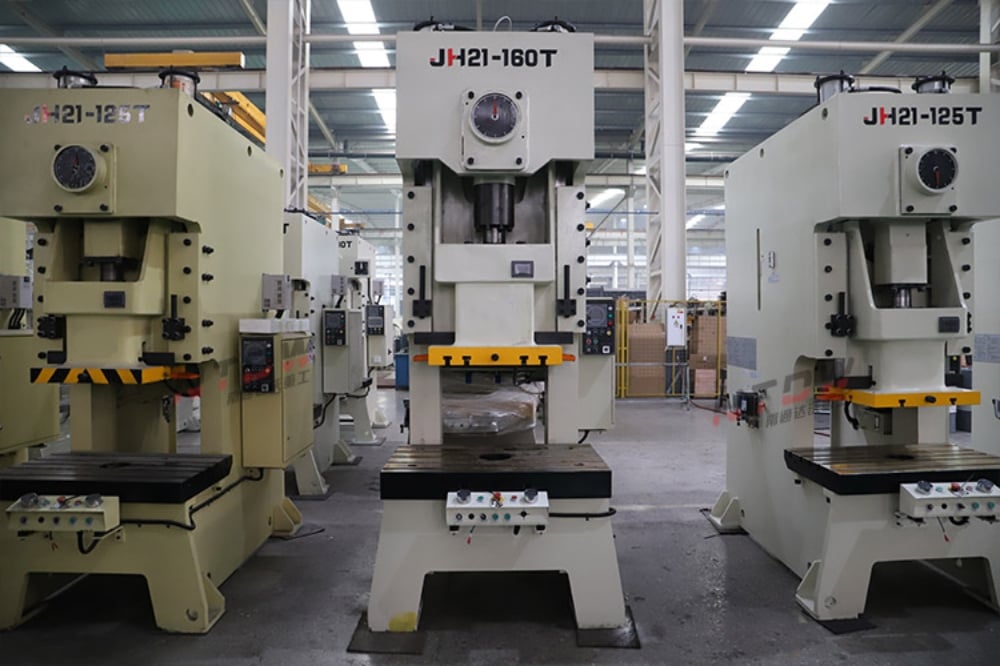
CNC Punching Machine Overview: Precision Through Automation
A CNC (Computer Numerical Control) punching machine is a sophisticated piece of industrial equipment that uses programmed commands to perform punching, shearing, and forming operations on sheet metal. Unlike manual machines, the CNC variant utilizes a turret or a tool changer that can hold dozens of different tools, allowing it to create complex patterns without manual tool changes. The movement of the workpiece is controlled by high-precision servo motors that move the sheet along the X and Y axes with incredible speed and accuracy.
The heart of the CNC punching machine is its controller. Modern HARSLE CNC machines utilize advanced software that can read CAD/CAM files, automatically nesting parts to minimize material waste. This software calculates the most efficient path for the punching head, reducing the time spent on each sheet. Furthermore, CNC machines can perform secondary operations like ribbing, louvers, and threading, which would be nearly impossible or extremely time-consuming on a manual machine. The integration of hydraulic or servo-electric drive systems ensures that each hit is delivered with the exact force required, protecting the tooling and the material.
One of the most significant advantages of CNC technology is repeatability. Once a program is perfected, the machine can produce thousands of identical parts with a tolerance of often less than ±0.1mm. This eliminates the “human factor” that often leads to errors in manual operations. Additionally, CNC machines are capable of high hit rates, often exceeding 600 to 1000 hits per minute in nibbling mode. This level of throughput is essential for industries like electronics, automotive, and HVAC, where large quantities of perforated or shaped panels are required daily.
However, the complexity of CNC machines requires a different set of skills. Operators must be trained in software programming and machine setup. While the machine does the heavy lifting, the preparation phase—including tool selection and G-code optimization—is critical. Despite the higher complexity, the reduction in physical labor and the ability to run “lights-out” operations (automated production with minimal supervision) make CNC punching machines the ultimate tool for modern efficiency.
Manual Punching Machine Overview: The Traditional Workhorse
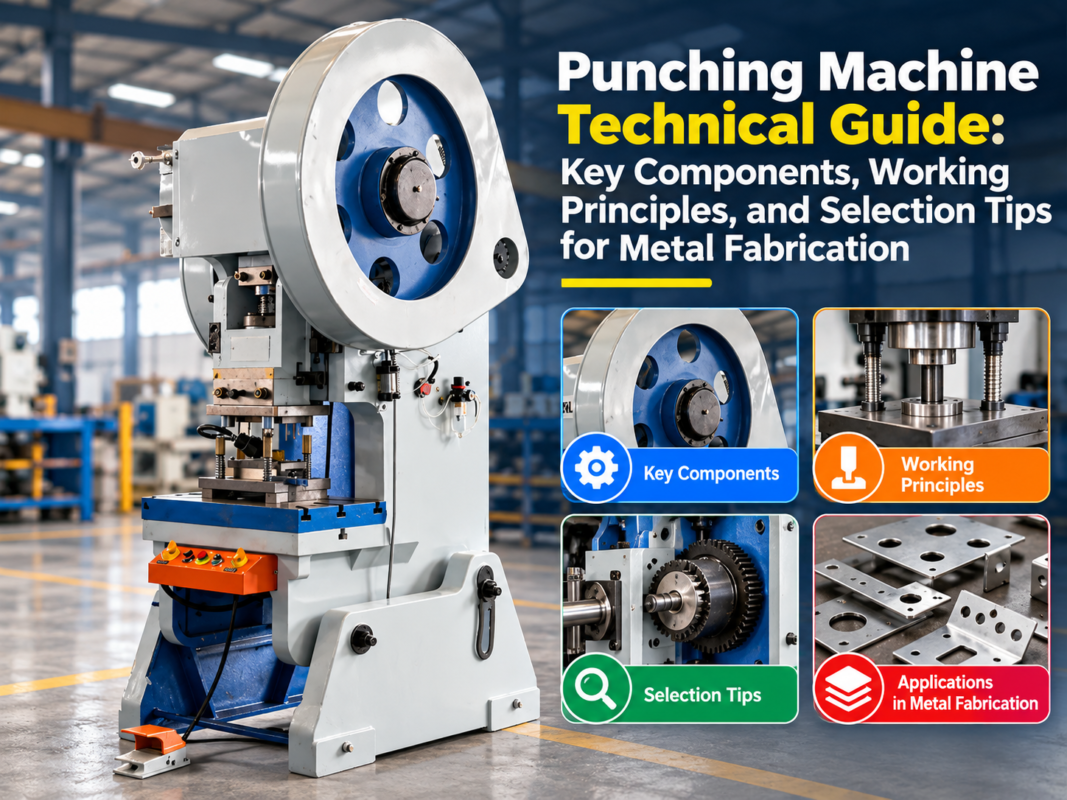
Manual punching machines, often referred to as mechanical presses or hand punches, operate on a much simpler principle. They rely on a flywheel, a lever, or a foot pedal to actuate the punching ram. The operator is responsible for positioning the sheet metal against manual gauges or templates and triggering the punch. While they lack the automation of CNC systems, they are prized for their simplicity, durability, and immediate availability for small tasks.
In a manual setup, the accuracy of the finished part is almost entirely dependent on the skill and focus of the operator. The process involves marking the sheet, aligning it with the die, and ensuring the workpiece does not shift during the stroke. For simple holes or notches, a skilled operator can be quite fast, but as the complexity of the part increases, the risk of error grows exponentially. Manual machines are typically limited to single-station setups, meaning that if a part requires three different hole sizes, the operator must change the tool three times or move the part between three different machines.
The primary appeal of manual punching machines lies in their low cost and ease of maintenance. There are no complex electronics, servo drives, or software updates to worry about. For a small repair shop or a prototype lab where production volumes are extremely low, a manual punch is often the most sensible choice. It requires no programming time; you simply turn it on and start working. This “instant-on” capability is a major advantage for one-off custom jobs where the time spent programming a CNC machine would exceed the time spent punching the part manually.
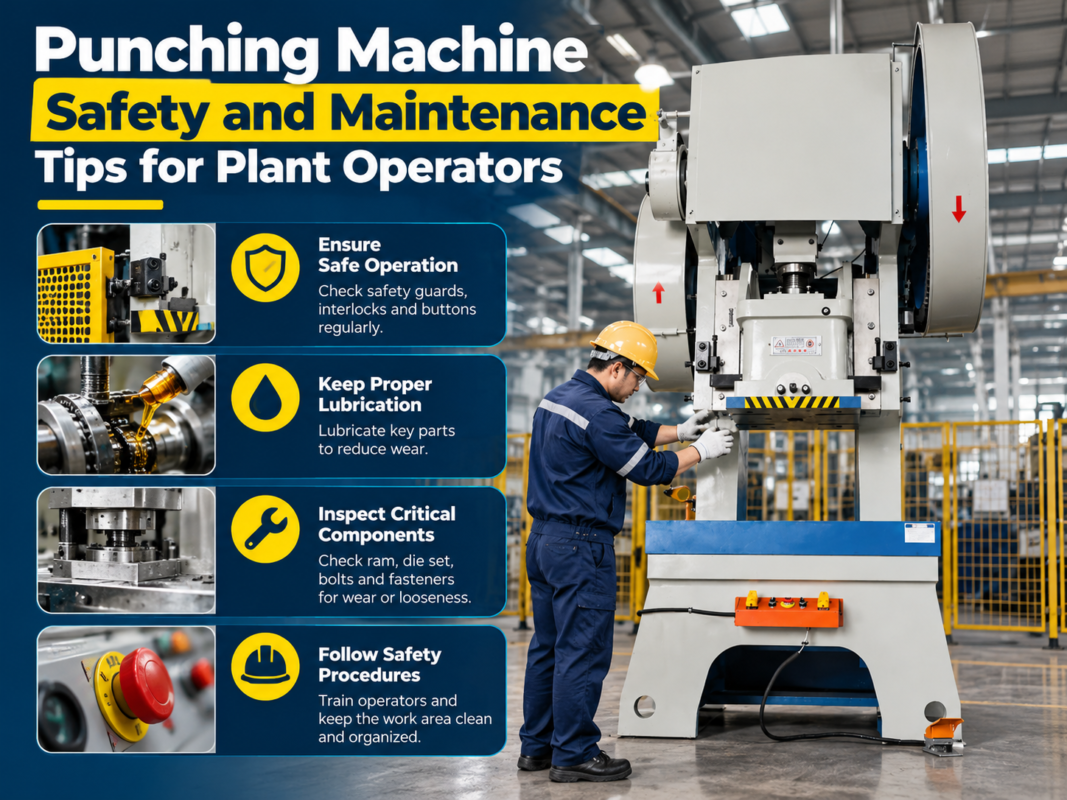
Despite these benefits, the limitations of manual punching are significant in a production environment. Physical fatigue is a major factor; an operator’s speed and accuracy will inevitably decline over an eight-hour shift. Furthermore, manual machines cannot compete with the safety features of modern CNC systems. While safety guards exist, the proximity of the operator to the moving parts of a manual press inherently carries more risk. As the industry moves toward tighter tolerances and faster lead times, the manual punching machine is increasingly relegated to support roles rather than primary production.
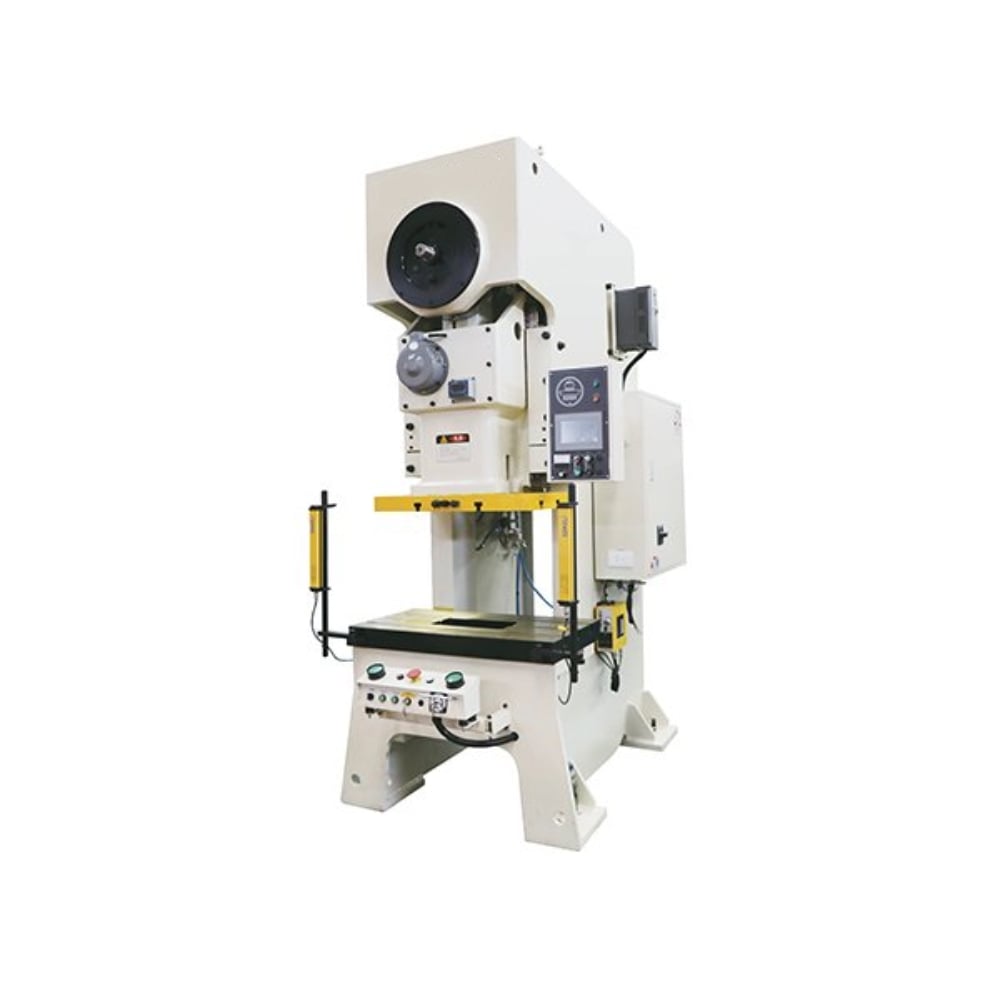
Specification Comparison Table
To better understand the differences between CNC Punching Machine Vs Manual Punching Machine: Which Delivers Better Accuracy Efficiency?, let’s look at the technical specifications side-by-side.
| Feature | CNC Punching Machine | Manual Punching Machine |
|---|---|---|
| Drive System | Hydraulic or Servo-Electric | Mechanical Flywheel / Manual Lever |
| Accuracy/Tolerance | ±0.1mm to ±0.05mm | ±0.5mm to ±1.0mm (Operator dependent) |
| Strokes Per Minute (SPM) | 600 – 1200+ SPM | 20 – 60 SPM (Limited by operator) |
| Tooling Capacity | Turret (12 – 58+ stations) | Single Station (Manual change) |
| Programming | CAD/CAM, G-Code | None / Manual Layout |
| Labor Intensity | Low (One operator for multiple machines) | High (Constant manual handling) |
| Complexity of Parts | High (Complex patterns, forming) | Low (Simple holes, notches) |
| Initial Investment | High | Low |
| Setup Time | Fast (Digital file loading) | Slow (Manual gauge setting) |
Best-fit Applications: Choosing the Right Tool for the Job
Determining which machine is “better” depends entirely on the application. CNC punching machines excel in environments where volume, variety, and precision are paramount. For example, in the production of electrical enclosures, hundreds of holes, knockouts, and louvers must be placed with perfect alignment to ensure that internal components fit correctly. A CNC machine can process a full sheet of these enclosures in minutes, whereas a manual operator would take hours and likely produce several scrap pieces due to measurement errors.
Another area where CNC machines shine is in the creation of perforated patterns or decorative metalwork. The ability to program intricate designs and execute them at high speed allows architects and designers to push the boundaries of sheet metal use. In contrast, manual punching is best suited for heavy-duty, simple tasks. For instance, punching a single large hole in a thick steel plate for a construction bracket is a task well-suited for a manual mechanical press. In this scenario, the setup time for a CNC machine would be overkill.
Small-scale prototyping is another area where the choice can be nuanced. If a designer needs to test a single hole placement on a bracket, a manual punch is faster. However, if the prototype is a complex assembly with multiple hole sizes and positions, the CNC machine is superior because it ensures that the prototype is an exact representation of what the final mass-produced part will look like. For businesses looking to scale, the CNC machine provides a path to growth that manual machines simply cannot offer.
Finally, consider the material thickness. While both machines can handle various gauges, CNC machines often have more sophisticated pressure control, allowing them to punch thinner, delicate materials without warping, as well as thick plates with consistent force. Manual machines, especially older mechanical models, can be “violent” in their delivery of force, which may lead to material distortion in sensitive applications.
Cost and Maintenance Comparison: Long-term ROI
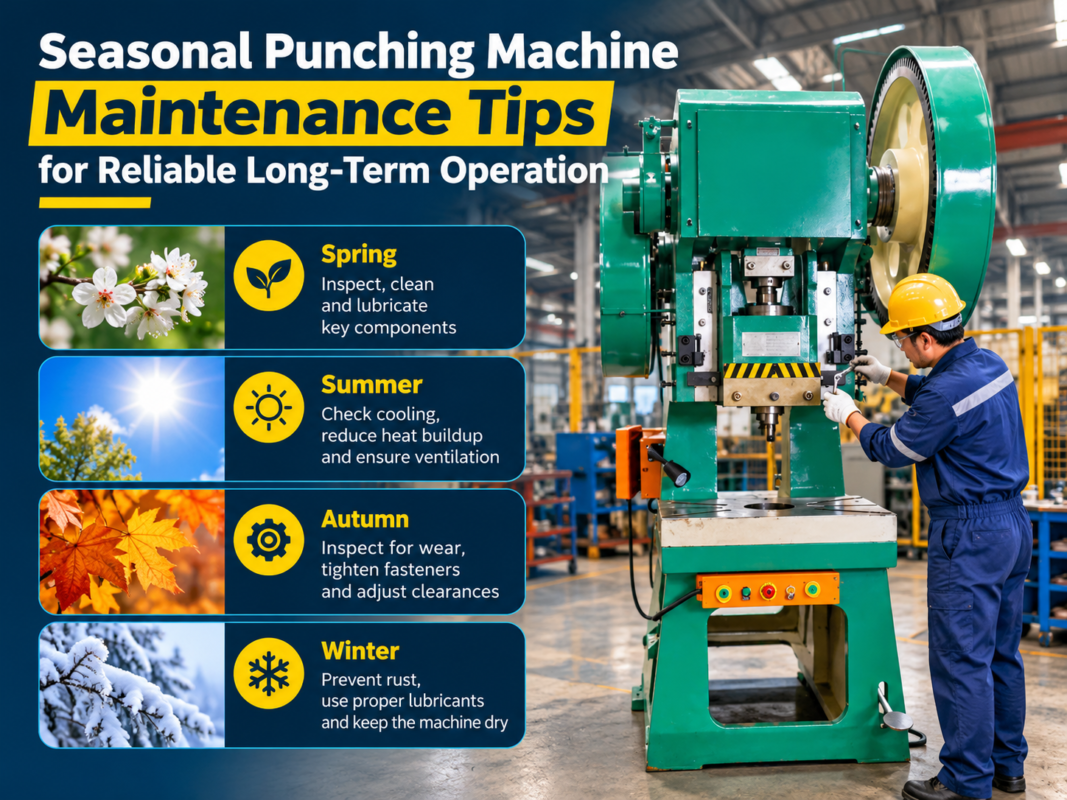
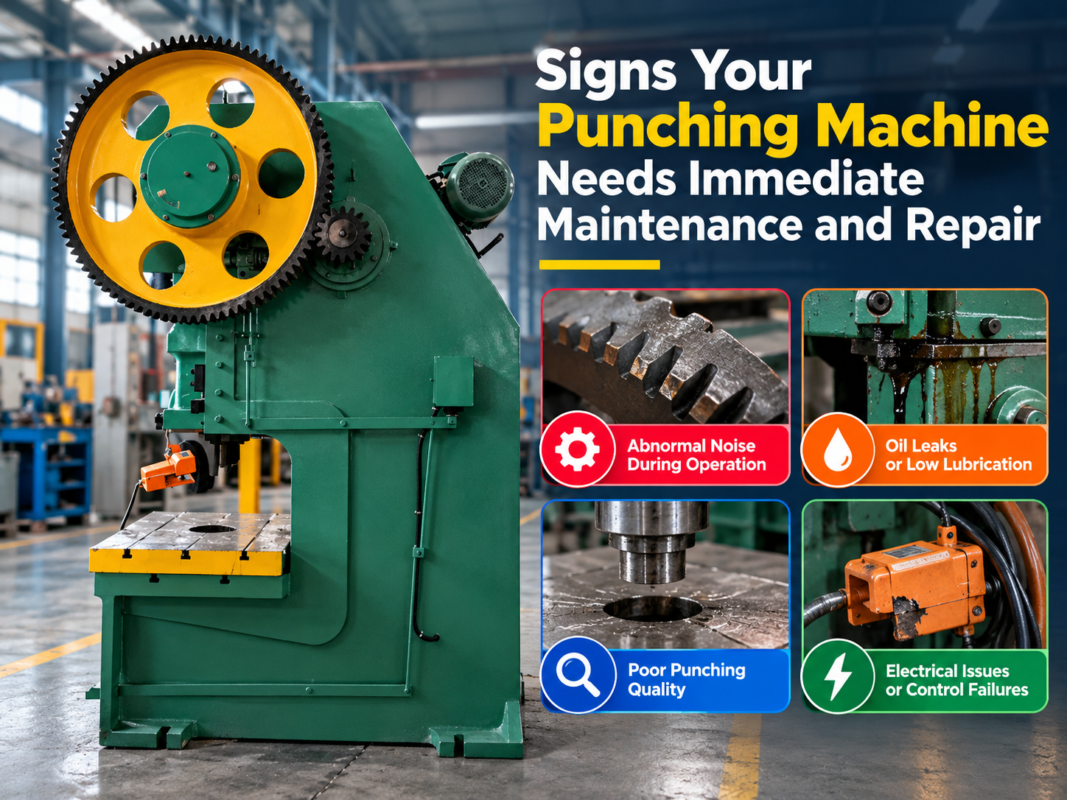
The financial aspect of CNC Punching Machine Vs Manual Punching Machine: Which Delivers Better Accuracy Efficiency? involves looking beyond the sticker price. A manual punching machine is undeniably cheaper upfront, often costing a fraction of a CNC system. For a startup or a hobbyist shop, this is the deciding factor. Maintenance is also straightforward—regular lubrication of moving parts and sharpening of punches and dies are usually all that is required. However, the “hidden” costs of manual punching include higher labor wages per part, increased material waste due to errors, and the inability to take on high-volume contracts.
CNC punching machines represent a significant capital investment. Beyond the machine itself, there are costs for software licenses, specialized tooling, and operator training. However, the Return on Investment (ROI) is typically much faster in a production setting. By reducing the time per part from minutes to seconds, a CNC machine can pay for itself through increased throughput. Furthermore, the precision of CNC reduces scrap rates to nearly zero, saving significant money on raw materials over time.
Maintenance for CNC machines is more technical. It involves monitoring hydraulic fluid levels, cooling systems, and electronic components. Servo motors and sensors may eventually require replacement, and software needs to be kept up to date. However, modern HARSLE machines are built with industrial-grade components designed for 24/7 operation, minimizing downtime. When you factor in the ability of one CNC operator to manage multiple machines simultaneously, the labor savings alone often offset the higher maintenance costs.
Another cost consideration is tooling. CNC turrets allow for a wide array of tools to be ready at all times, reducing the wear and tear associated with frequent manual tool changes. Advanced CNC features like “active die” technology also protect the material surface, reducing the need for post-processing or finishing, which further lowers the total cost of production.
Recommendation: Which Should You Choose?
The decision between a CNC and a manual punching machine should be based on your current production volume and your future growth goals. If your business involves repetitive tasks, high-volume orders, or parts with complex geometries, the CNC Punching Machine is the clear winner. The accuracy, efficiency, and versatility it provides are essential for staying competitive in today’s market. HARSLE’s range of CNC punching machines offers the perfect blend of power and precision, ensuring that your investment translates into tangible business growth.
On the other hand, if you run a small maintenance shop, a vocational school, or a business that focuses on very heavy, simple structural components in low volumes, a Manual Punching Machine may still serve you well. It is a reliable, low-cost tool for basic tasks. However, be aware that relying on manual processes may limit your ability to take on more sophisticated projects in the future.
For most growing fabrication shops, the transition to CNC is inevitable. The ability to offer customers tighter tolerances and faster turnaround times is a powerful marketing advantage. We recommend evaluating your most common jobs: if more than 30% of your work involves multiple holes per part or batches of more than 50 pieces, it is time to move to CNC. The efficiency gains will not only improve your bottom line but also reduce the physical strain on your workforce, leading to a safer and more productive environment.
Frequently Asked Questions (FAQ)
1. Is a CNC punching machine harder to operate than a manual one?
While it requires more initial training in software and programming, the actual operation is often easier because the machine handles the physical positioning and punching. Once the program is set, the operator’s role is primarily monitoring and loading/unloading material.
2. Can a manual punching machine achieve the same accuracy as a CNC?
Technically, a master craftsman can achieve high accuracy with a manual machine using precise layouts and jigs, but it is extremely slow and difficult to maintain over a full production run. CNC machines provide that same accuracy (and better) consistently at high speeds.
3. What is the typical lifespan of a CNC punching machine?
With proper maintenance, a high-quality CNC punching machine from a reputable manufacturer like HARSLE can last 15 to 20 years or more in a production environment. Many machines remain in service even longer with occasional electronic or hydraulic retrofits.
4. Does CNC punching replace the need for a laser cutter?
Not necessarily. While CNC punching is faster and more cost-effective for holes, forming (like louvers), and simple shapes, laser cutters are better for extremely complex, organic outlines and very thick materials. Many shops use both to maximize their capabilities.
5. How much floor space does a CNC punching machine require?
CNC machines generally require more space than manual machines because of the X/Y table and the safety guarding. You must also account for the space needed to load and unload full-sized metal sheets (typically 4×8 or 5×10 feet).
6. Can I upgrade my manual punching machine to CNC?
Generally, no. The frames and drive systems of manual machines are not designed for the high-speed, high-precision movements of CNC. It is almost always more cost-effective to purchase a dedicated CNC machine than to attempt a retrofit.