Turret Punching Machine vs CNC Laser Cutting: Cost, Speed, and Production Comparison


Comparison Summary: Navigating the Choice Between Punching and Laser Cutting
In the competitive landscape of modern metal fabrication, choosing the right technology for sheet metal processing is a pivotal decision that impacts long-term profitability, production capacity, and product quality. The debate between the Turret Punching Machine and CNC Laser Cutting has evolved significantly over the last decade. While laser technology has seen rapid advancements in speed and affordability, the turret punch remains a powerhouse for specific applications that lasers simply cannot replicate. This comparison explores the nuances of both technologies, focusing on the critical metrics of cost, speed, and production efficiency.
At a high level, the Turret Punching Machine is the traditional champion of high-volume, repetitive work, especially when forming operations like louvers or ribs are required. Conversely, the CNC Laser Cutting machine is the king of versatility and precision, capable of handling complex geometries and varying material thicknesses without the need for physical tooling. For a fabrication shop, the choice often depends on the specific product mix: if you are producing thousands of identical electrical enclosures with many holes and forms, the punch is likely your best bet. If you are a job shop handling diverse, low-to-medium volume orders with intricate designs, the laser offers the agility you need.
Understanding the total cost of ownership is equally vital. While a laser might have a higher initial price tag and higher gas consumption costs, it eliminates the need for a massive library of expensive punches and dies. Meanwhile, the turret punch offers incredibly low per-part costs for high-volume runs but requires significant setup time and tool maintenance. In the following sections, we will break down these factors in detail to help you determine which machine aligns with your operational goals.
Turret Punching Machine Overview: The Mechanical Workhorse
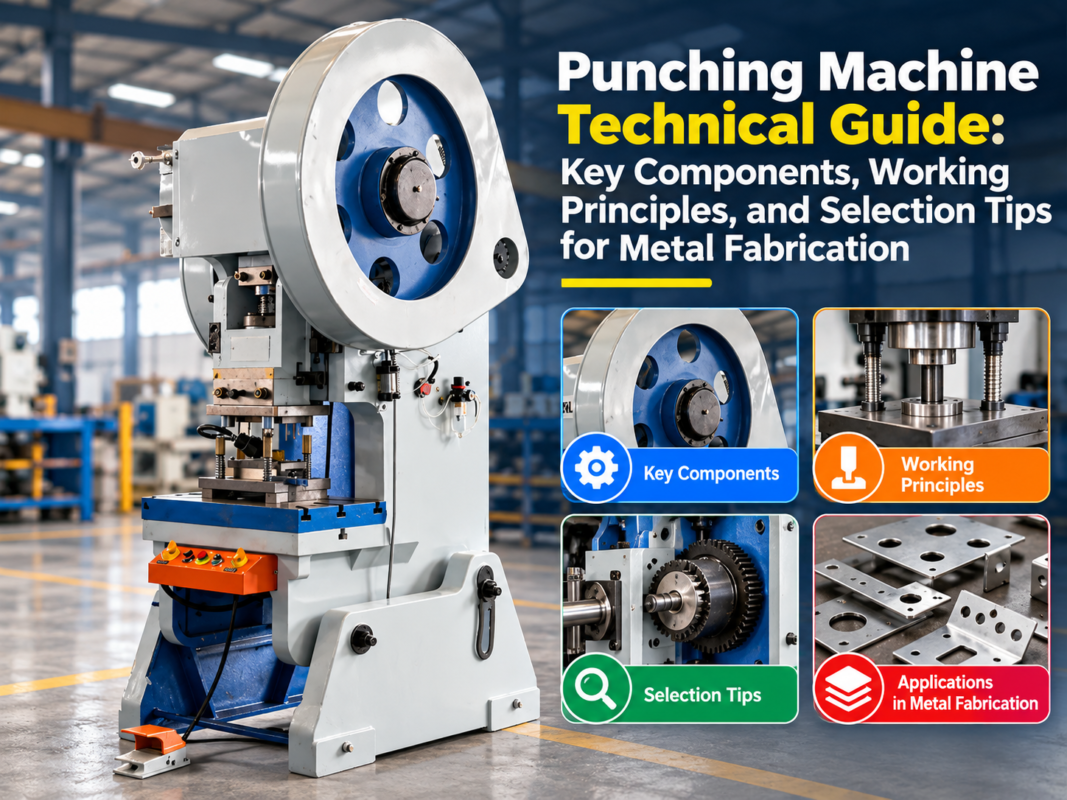
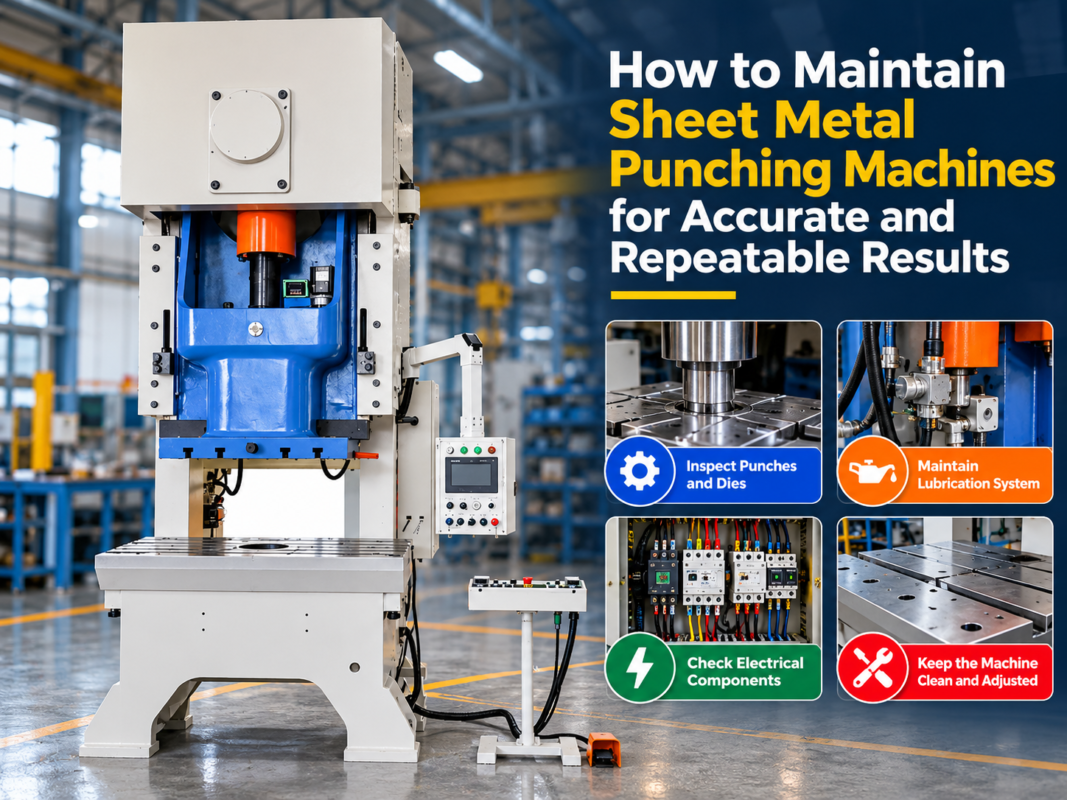
The Turret Punching Machine operates on a mechanical or hydraulic ram system that drives a punch through the metal sheet into a matching die. The ‘turret’ refers to a rotating tool carrier that holds dozens of different tool sets, allowing the machine to switch between various hole sizes and shapes rapidly. This technology is fundamentally a ‘contact’ process, meaning physical force is applied to the material. This allows for unique capabilities such as ‘forming’—creating 3D features like countersinks, extrusions, louvers, and card guides directly on the machine.
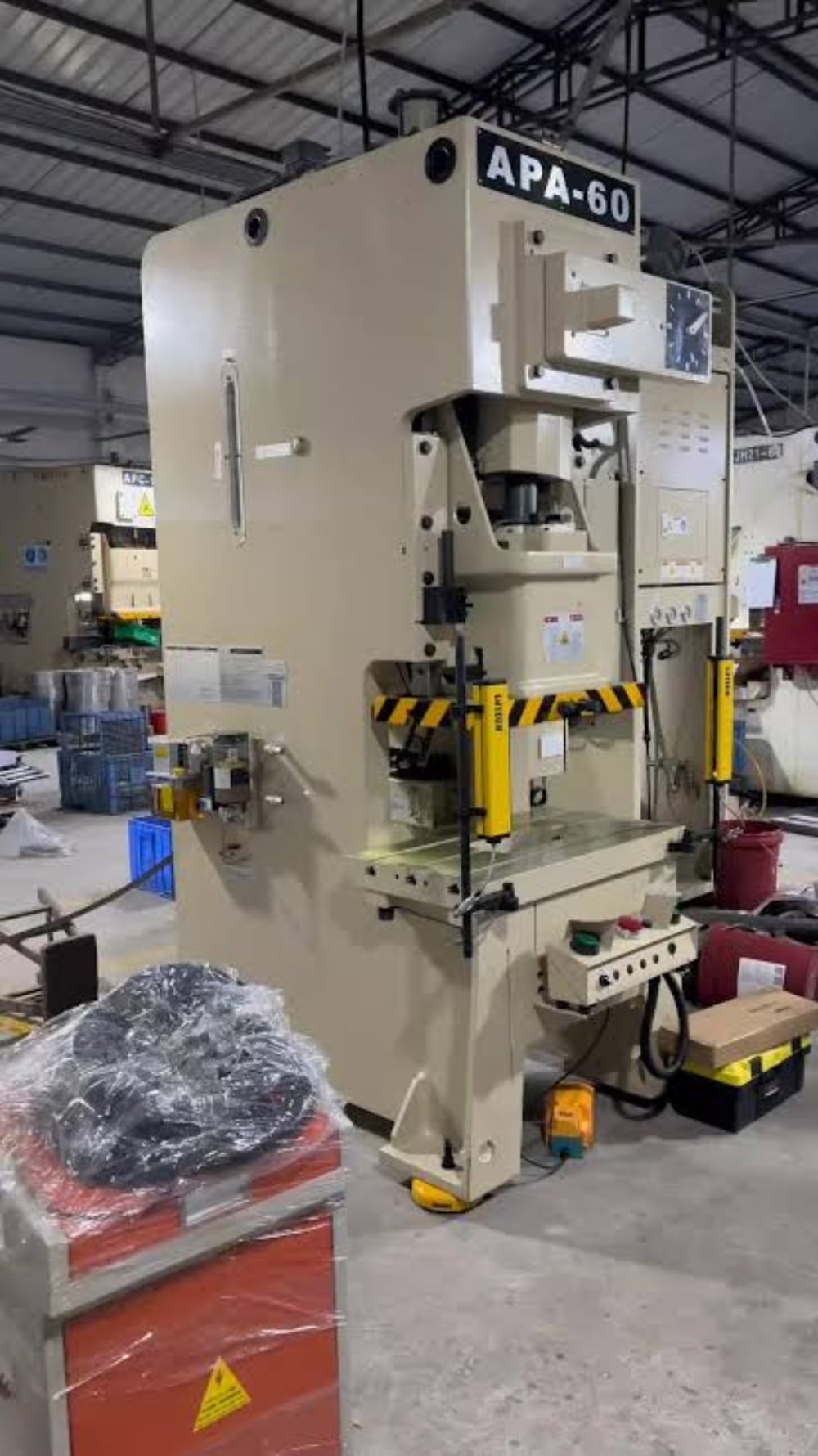
One of the primary advantages of the turret punch is its speed in hole-intensive parts. When a design requires hundreds of identical holes, the punch can execute these at a rate of several hundred hits per minute, far outstripping the travel speed of most laser heads. Furthermore, because the punch creates the hole in a single stroke, the edge quality is consistent and requires minimal deburring if the tools are sharp. HARSLE turret punches are engineered for high-duty cycles, ensuring that the mechanical components can withstand the repetitive stress of high-speed punching over many years.
However, the turret punch does have limitations. It is generally restricted to thinner materials, typically up to 6mm for mild steel, though most efficient under 3mm. The geometry is also limited by the available tooling; if a customer requests a unique shape not in your turret, you must purchase a custom tool, which adds cost and lead time. Additionally, the physical impact of the punch can sometimes cause material distortion or ‘oil canning’ in large, thin sheets, requiring careful nesting and clamping strategies.
CNC Laser Cutting Overview: The Precision Innovator
CNC Laser Cutting, particularly Fiber Laser technology, has revolutionized the industry by using a high-powered light beam to melt or vaporize material. Unlike the turret punch, this is a ‘non-contact’ process. There are no tools to wear out, and the machine can cut any shape that can be drawn in a CAD program. This makes the laser exceptionally flexible. Whether you are cutting a simple square or an intricate artistic pattern, the setup time is virtually zero—you simply load the program and press start.
The precision of a CNC laser is unmatched. With tolerances often within +/- 0.1mm, it is the preferred choice for industries like aerospace, medical devices, and high-end electronics. Modern fiber lasers are also incredibly fast when cutting thin materials and have the unique ability to cut through much thicker plates (up to 25mm or more) that a turret punch could never handle. This range of thickness makes the laser a more versatile ‘all-in-one’ solution for shops that don’t want to be limited by material gauge.
Despite its advantages, the laser has its own set of challenges. It cannot perform forming operations; if a part needs a louver or a tapped hole, those must be done as secondary operations on a separate machine, which adds labor and time. Furthermore, the operating costs can be higher due to the consumption of assist gases (like Nitrogen or Oxygen) and the high electricity demand of the laser source. However, for many shops, the elimination of tooling costs and the reduction in setup time more than compensate for these operational expenses.
Specification Comparison Table
To provide a clear technical perspective, the following table compares the standard performance metrics of a high-quality Turret Punching Machine versus a Fiber CNC Laser Cutting Machine.
| Feature | Turret Punching Machine | CNC Laser Cutting (Fiber) |
|---|---|---|
| Primary Mechanism | Mechanical/Hydraulic Hit | Thermal Laser Beam |
| Material Thickness | 0.5mm – 6.0mm (Optimal <3mm) | 0.5mm – 25mm+ (Depending on Power) |
| Complexity of Shape | Limited by Tooling Shapes | Unlimited (Any CAD Geometry) |
| Hole Punching Speed | Extremely High (Up to 1000+ HPM) | Moderate (Path Dependent) |
| Forming Capabilities | Yes (Louvers, Ribs, Tapping) | No (Requires Secondary Ops) |
| Setup Time | High (Tool Loading/Alignment) | Very Low (Software Based) |
| Edge Quality | Good (Sheared Edge) | Excellent (Smooth, No Burrs) |
| Tooling Costs | High (Ongoing Purchase/Sharpening) | None |
| Maintenance | Mechanical Wear, Tool Sharpening | Optical Cleaning, Gas Management |
Best-fit Applications: Choosing the Right Tool for the Job
Deciding between these two machines often comes down to the specific nature of your production line. The Turret Punching Machine is the undisputed leader for high-volume production of standardized parts. Think of components like server racks, electrical switchgear cabinets, and ventilation ducting. These parts often feature repetitive hole patterns and require structural forms like stiffening ribs or louvers. In these scenarios, the punch’s ability to complete the part—including forms—in a single setup makes it the most efficient choice.
On the other hand, CNC Laser Cutting is the ideal solution for the ‘Job Shop’ environment. If your daily schedule involves cutting 50 different parts for 10 different customers, the laser’s lack of tooling requirements is a massive advantage. It is also the go-to for heavy-duty industrial components, such as base plates for machinery or thick structural brackets. Because the laser can cut through thick stainless steel and aluminum with ease, it opens up market opportunities that a turret punch simply cannot reach.
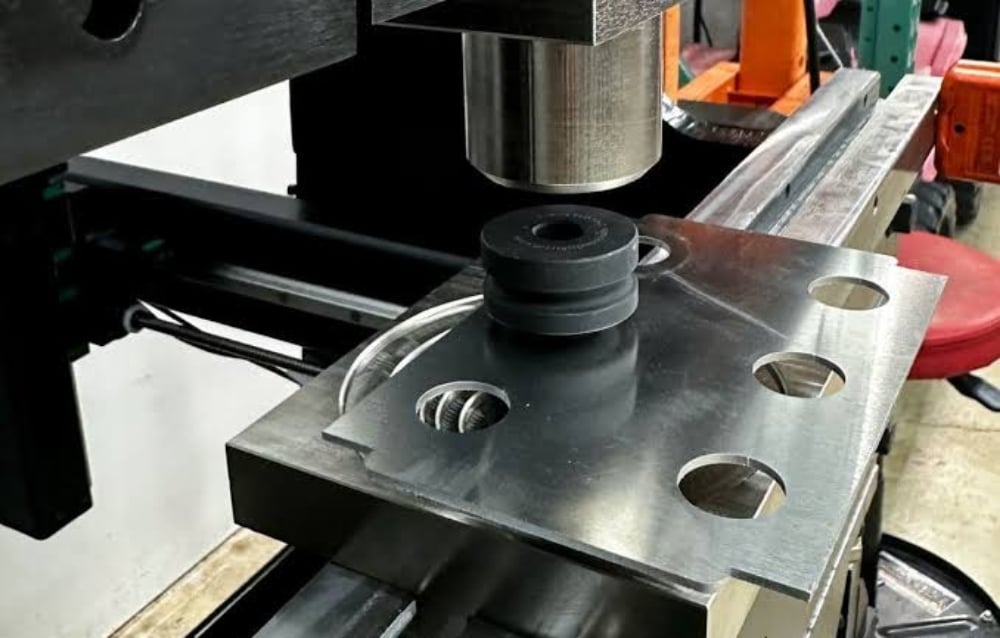
Another factor to consider is the ‘Nesting’ efficiency. Laser cutting allows for much tighter nesting because there is no need for a ‘web’ of material between parts to maintain sheet integrity, which is often required in punching to prevent the sheet from warping. This can lead to significant material savings over time, especially when working with expensive alloys. However, if the part requires many internal holes, the ‘slugs’ from a punch are easier to manage than the small molten drops from a laser, which can sometimes interfere with the cutting head if not properly managed.
Cost and Maintenance Comparison
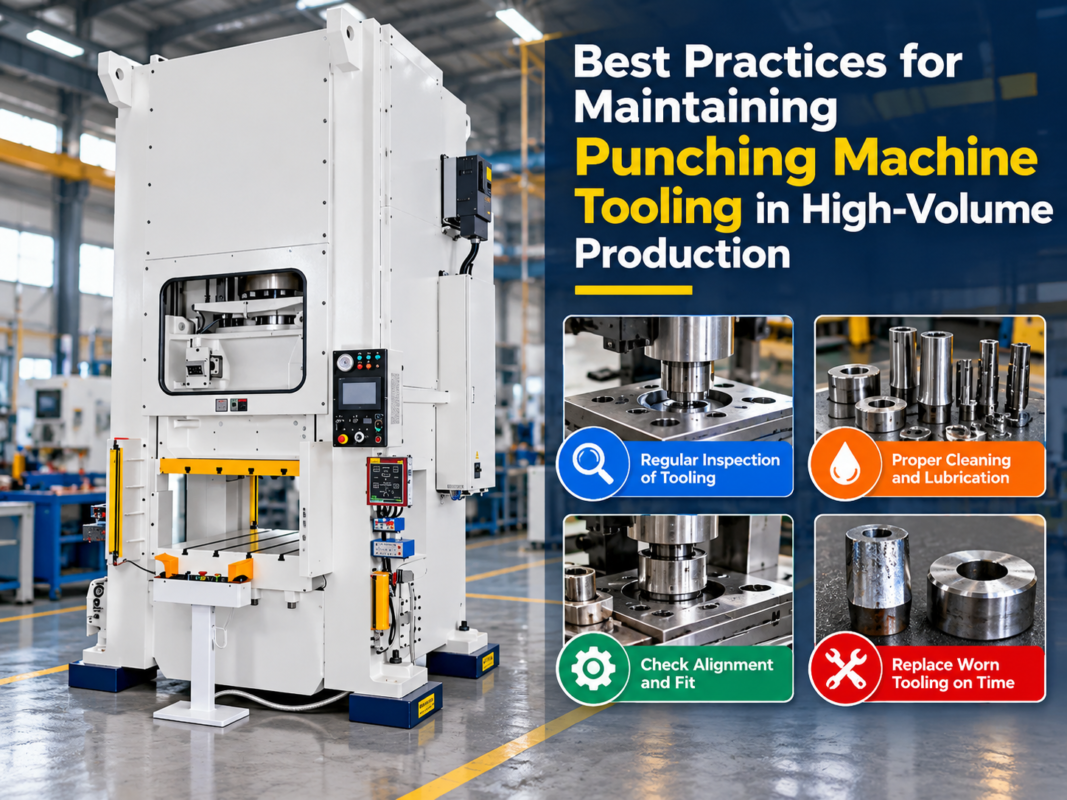
The financial implications of choosing a Turret Punch vs. a Laser are multi-faceted. The initial investment for a high-power Fiber Laser is typically higher than that of a Turret Punch. However, the ‘Cost Per Part’ calculation must include tooling. A single specialized punch and die set can cost hundreds of dollars, and a full turret can represent an investment of tens of thousands. These tools also require regular sharpening and eventual replacement, adding to the operational overhead.
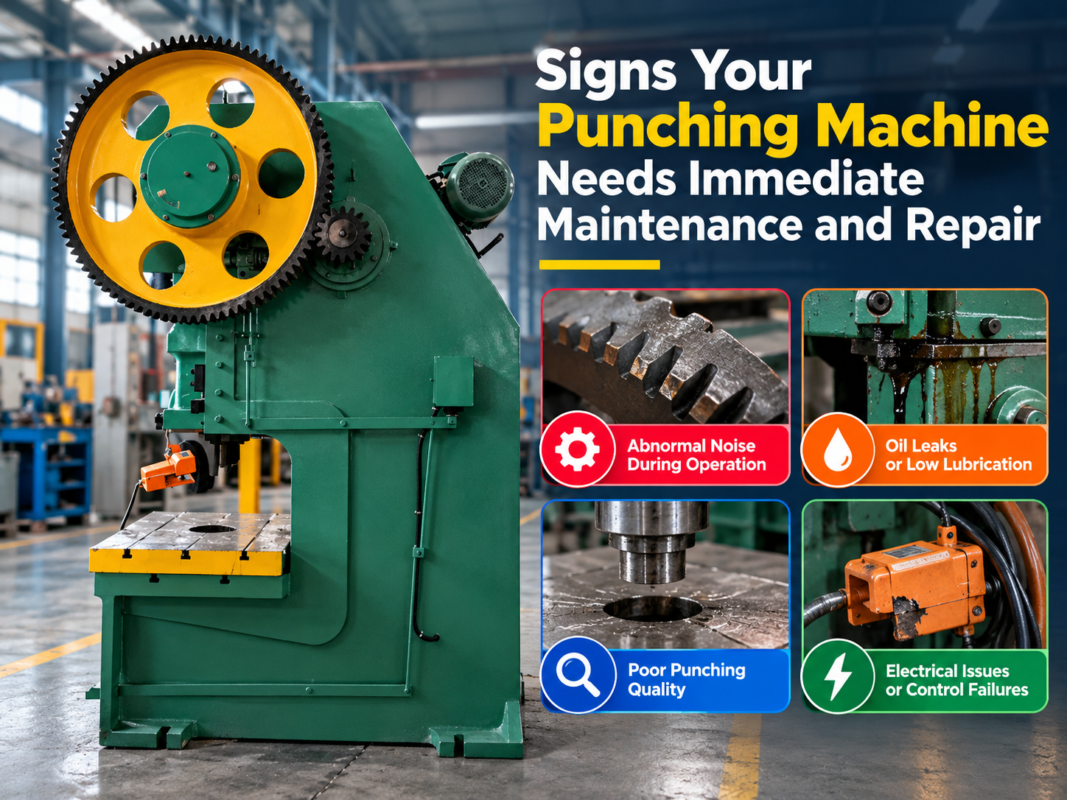
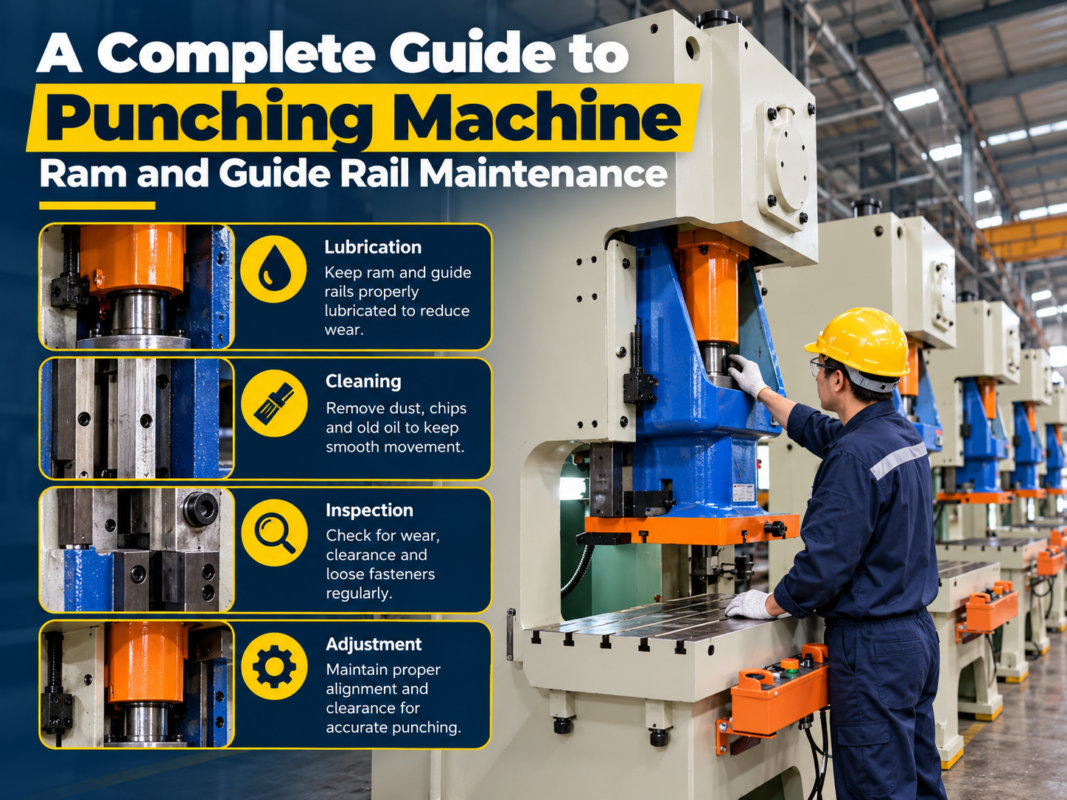
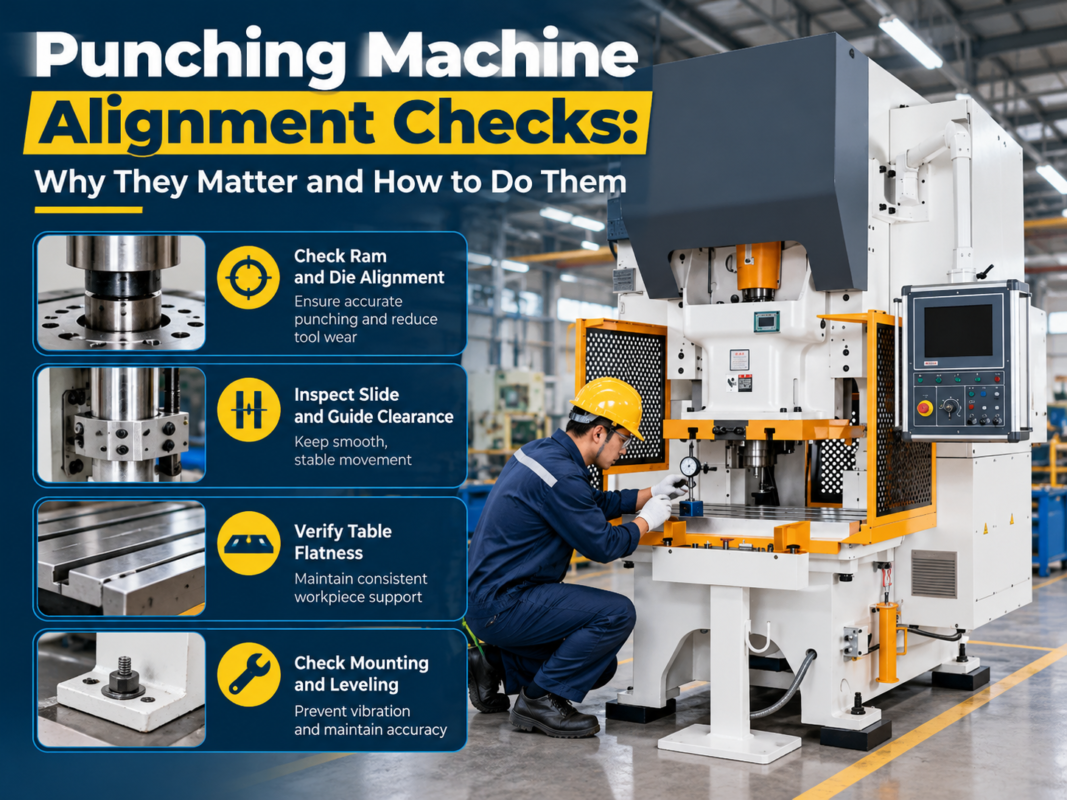
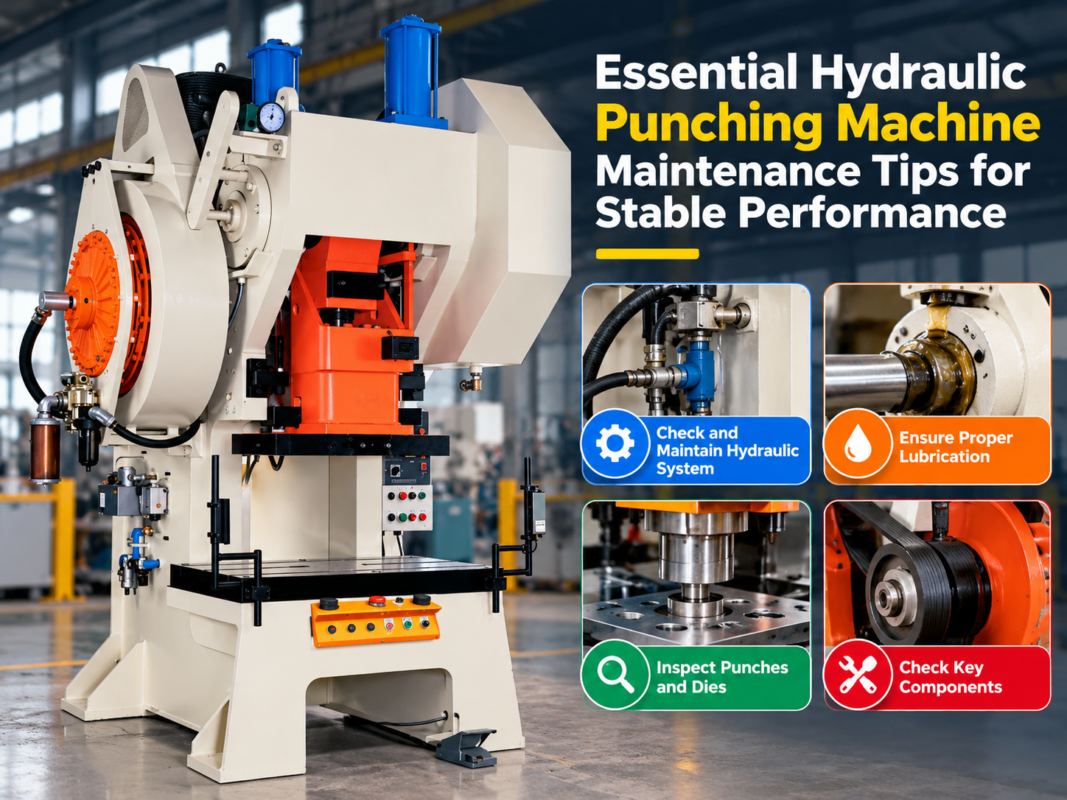
Maintenance for a Turret Punch is largely mechanical. You are dealing with hydraulic seals, bushings, and the physical wear of the ram and turret alignment. It is a robust technology, but it requires a disciplined maintenance schedule to ensure accuracy. In contrast, the maintenance of a Fiber Laser is more focused on the ‘cleanliness’ of the environment. The optics must remain pristine, and the cooling system (chiller) must be perfectly maintained to protect the expensive laser source. While there are fewer moving parts in a laser, the parts that do exist are often more expensive to replace.
Energy consumption is another critical factor. Older CO2 lasers were notoriously inefficient, but modern Fiber Lasers have improved significantly. Nevertheless, a Turret Punch generally uses less electricity per hour of operation than a high-wattage laser. However, you must weigh this against the ‘Secondary Operation’ costs. If a laser-cut part is finished when it leaves the machine, but a punched part requires a separate trip to a press brake for forming or a deburring station, the laser may actually be the more cost-effective solution in terms of total labor hours.
Recommendation: Which Machine Should You Buy?
The recommendation for most modern fabrication facilities is no longer an ‘either/or’ scenario but rather a ‘strategic balance.’ If you are just starting out and need maximum flexibility to take on any job that comes through the door, a CNC Fiber Laser Cutting Machine is the most logical first investment. Its ability to handle various thicknesses and complex designs without tooling makes it the most versatile asset for a growing business.
However, if your business is focused on high-volume manufacturing of specific products—particularly those in the electronics, HVAC, or enclosure industries—the Turret Punching Machine remains indispensable. The speed of punching repetitive patterns and the ability to perform forming operations in-cycle provide a competitive edge in per-part pricing that a laser cannot match. For established shops, the ‘Combination Machine’ (Punch/Laser Combo) is becoming increasingly popular, offering the forming capabilities of a punch with the profiling flexibility of a laser in a single footprint.
Before making a purchase, analyze your last six months of production. If more than 30% of your parts require forming (louvers, taps, ribs) or if your average material thickness is under 3mm with high hole counts, prioritize the Turret Punch. If your work is primarily flat profiles, involves materials over 6mm, or requires high-precision intricate shapes, the CNC Laser is your best path forward. HARSLE offers expert consultation to help you analyze your part files and determine the most efficient machine for your specific workflow.
Frequently Asked Questions (FAQ)
1. Can a laser cutting machine make louvers or countersinks?
No, a standard CNC laser cutting machine cannot perform forming operations like louvers, ribs, or countersinks. These are mechanical deformations that require a physical punch and die. If you use a laser, these features must be added using secondary machines or manual tools.
2. Which machine is faster for thin sheet metal?
It depends on the design. For parts with many holes and simple perimeters, the Turret Punch is significantly faster. For parts with complex, curvy perimeters and few internal holes, the CNC Laser is usually faster.
3. Is laser cutting more accurate than turret punching?
Generally, yes. Laser cutting offers higher precision and tighter tolerances (often within 0.1mm). Turret punching is accurate, but the physical impact and tool wear can lead to slightly higher variance over long production runs.
4. What are the hidden costs of a Turret Punching Machine?
The most significant hidden costs are tool sharpening, tool replacement, and the labor time required for turret setups. Additionally, the ‘slug’ management and potential for material warping can lead to higher scrap rates if not managed correctly.
5. Does a Fiber Laser require a lot of maintenance?
Fiber lasers require less maintenance than older CO2 lasers, but they still need regular checks on the cooling system, gas purity, and protective windows. The most critical aspect is keeping the environment clean to prevent dust from contaminating the optical path.