
Ironworker vs Punching Machine: Which Machine Is Better for Structural Steel Fabrication?


Comparison Summary: Navigating the Choice for Structural Steel
In the high-stakes world of structural steel fabrication, selecting the right equipment is the difference between a profitable project and a logistical nightmare. The debate often centers on two heavyweights: the Ironworker and the dedicated Punching Machine. While both machines are designed to manipulate metal, their roles within a workshop are fundamentally different. An Ironworker is the ‘Swiss Army Knife’ of the fabrication shop, offering versatility through multiple stations. In contrast, a dedicated Punching Machine is a precision instrument designed for high-speed, high-volume hole production.
Structural steel fabrication involves working with heavy-duty materials like I-beams, C-channels, angle iron, and thick plates. The choice between an Ironworker and a punching machine depends on several factors, including production volume, the variety of tasks required, floor space, and budget. For a small-to-medium-sized shop, the multi-functionality of an Ironworker often outweighs the specialized speed of a punching machine. However, for large-scale industrial operations where thousands of identical holes must be punched into heavy plates daily, a dedicated CNC punching machine is almost always the superior choice.
This article provides an in-depth analysis of Ironworker Vs Punching Machine: Which Machine Is Better Structural Steel Fabrication? We will explore the technical specifications, operational advantages, and long-term ROI of each machine to help you make an informed investment for your business. Whether you are expanding a custom fabrication shop or optimizing a massive structural steel plant, understanding these nuances is critical.
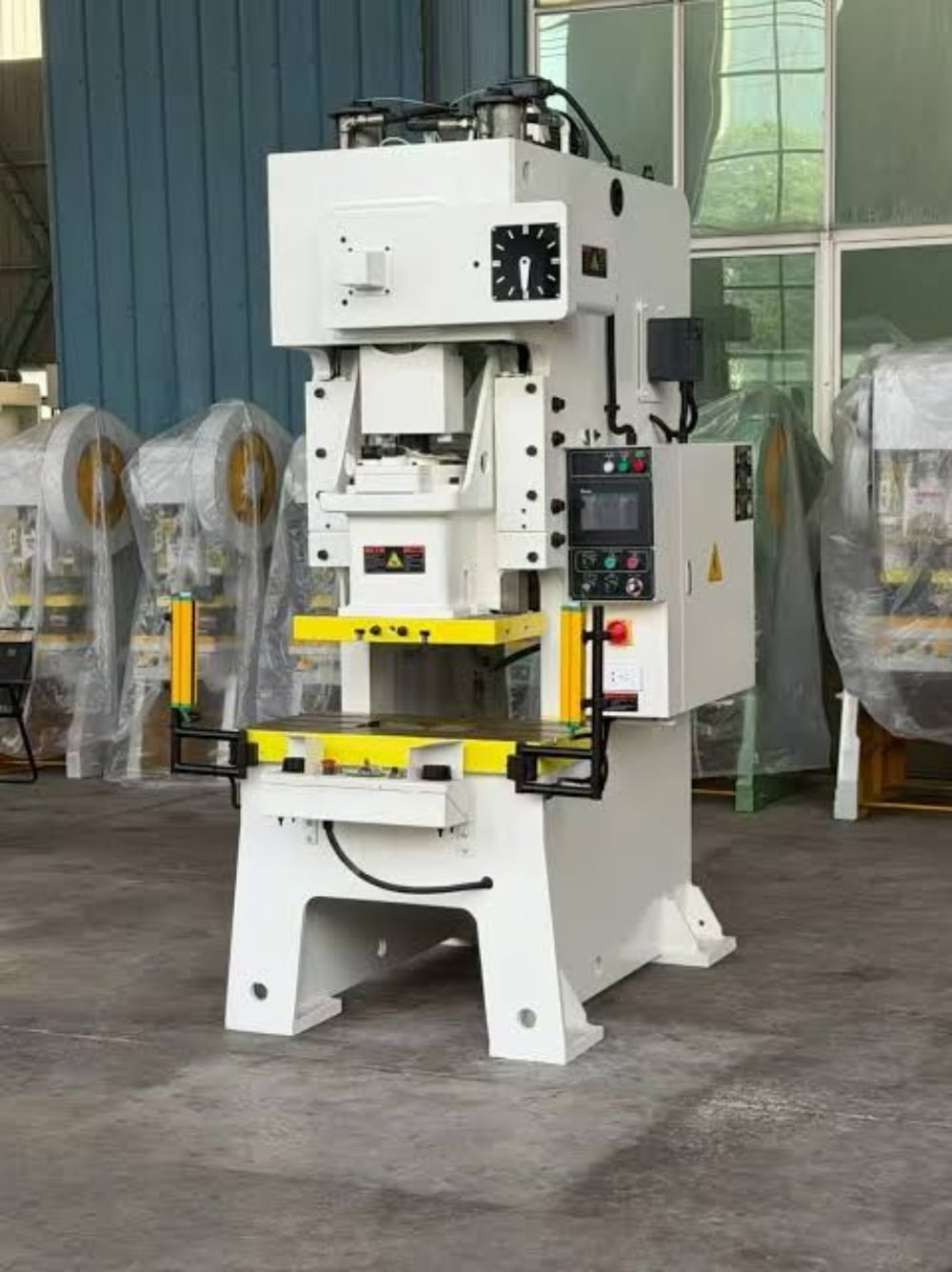
Machine A Overview: The Versatile Ironworker
The hydraulic ironworker is perhaps the most iconic machine in any metal shop. Its primary appeal lies in its ability to perform five distinct operations on a single chassis: punching, flat bar shearing, angle shearing, bar shearing, and notching. This multi-station design allows a single operator to move a workpiece from one station to another without needing multiple machines, significantly reducing the footprint required for a comprehensive fabrication setup.
Modern ironworkers, such as those manufactured by HARSLE, utilize advanced hydraulic systems to deliver consistent pressure throughout the stroke. This is particularly important in structural steel, where materials are often thick and resistant. The punching station of an ironworker is robust, often capable of handling large diameters and thick plates. However, because the machine is designed to do many things, the punching speed is generally slower than that of a dedicated punching machine. The cycle time includes the approach, the punch, and the retraction, which is optimized for power rather than rapid-fire repetition.
One of the greatest strengths of the ironworker is its ability to handle ‘long stock’ efficiently. When working with 20-foot sections of angle iron or flat bar, the shearing stations allow for quick sizing before moving to the punching or notching stations. This workflow is ideal for structural frames, trusses, and custom brackets where each piece might require a slightly different configuration. Furthermore, ironworkers are relatively easy to maintain and operate, requiring less specialized training than high-end CNC punching centers.
However, the ironworker does have limitations. Because it is a manual or semi-automatic machine, it relies heavily on the operator’s skill for layout and positioning. While CNC gauging systems can be added to modern ironworkers to improve accuracy, they still lack the fully automated ‘lights-out’ capability of high-end punching machines. For shops that prioritize flexibility over pure throughput, the ironworker remains the undisputed king of the floor.
Machine B Overview: The Dedicated Punching Machine
A dedicated punching machine, particularly a CNC-controlled model, is built for one thing: making holes with extreme speed and precision. Unlike the ironworker, which splits its hydraulic power and frame rigidity across multiple stations, a punching machine focuses all its engineering on the punching head. This results in a machine that can achieve much higher hit rates (strokes per minute) and tighter tolerances.
In structural steel fabrication, dedicated punching machines are often used for plate processing. These machines frequently feature large throat depths, allowing them to reach the center of wide steel plates that an ironworker simply couldn’t accommodate. Many dedicated punching machines are also integrated into CNC lines, where the material is automatically fed, positioned, and punched according to a digital CAD file. This eliminates human error in layout and ensures that every hole is perfectly aligned—a critical requirement for large-scale structural assemblies like bridges or skyscrapers.
The tooling system in a dedicated punching machine is also typically more sophisticated. While ironworkers use standard punch and die sets, dedicated machines often feature quick-change tooling or even turret systems that hold multiple sizes and shapes. This allows for complex hole patterns and different diameters to be processed in a single program without manual tool changes. For high-volume production, this automation translates into a significantly lower cost-per-hole compared to an ironworker.
The trade-off for this speed and precision is versatility. A punching machine cannot shear angle iron or notch a C-channel. If your workflow requires these operations, you will need to invest in separate shearing and notching equipment. This increases the total capital expenditure and the floor space required. Therefore, the dedicated punching machine is a strategic investment for businesses that have reached a volume where the ‘bottleneck’ in their production is the hole-making process itself.
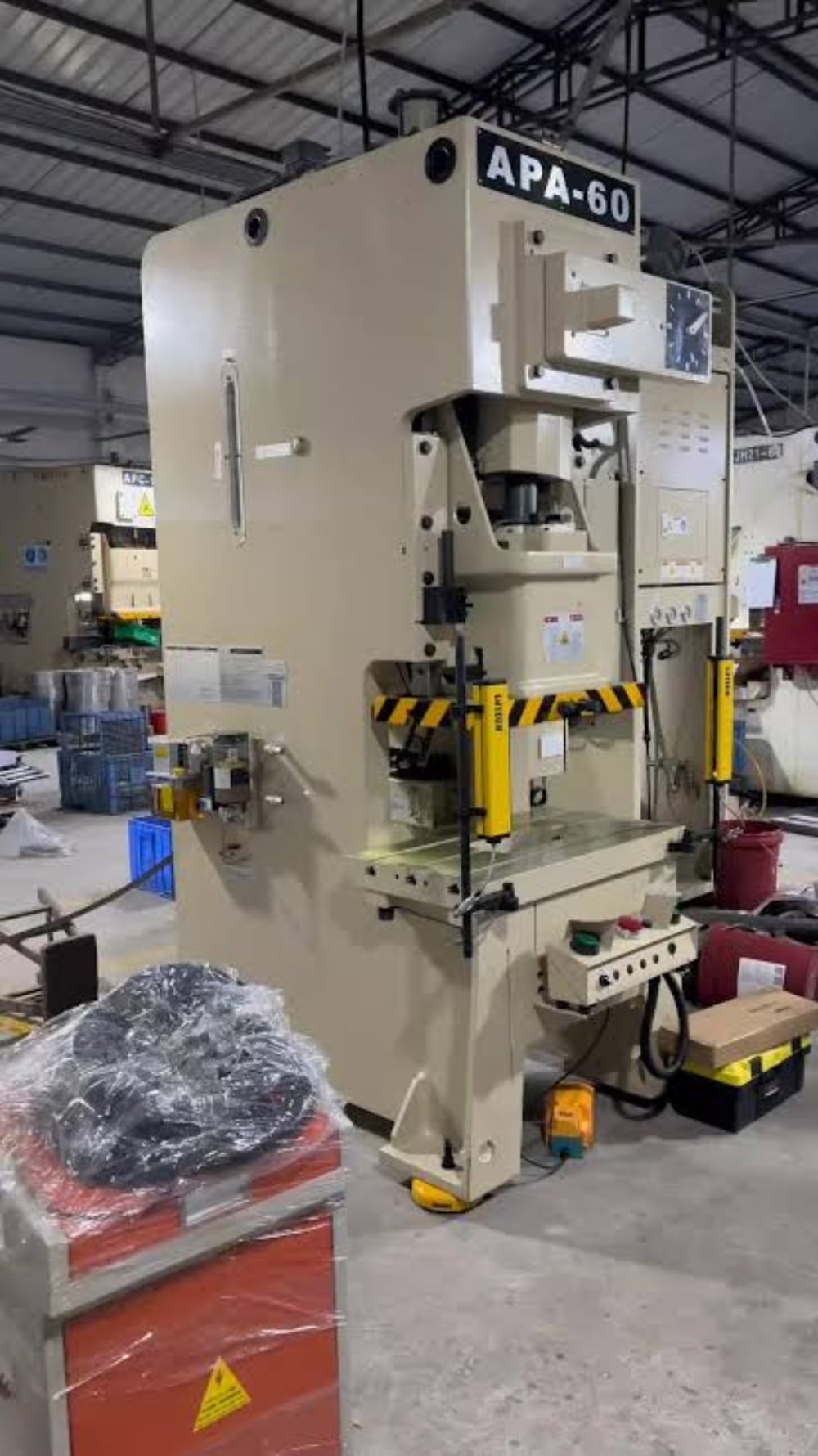
Specification Comparison Table
To better understand the technical differences, let’s look at how these two machines compare across key performance metrics relevant to structural steel fabrication.
| Feature | Hydraulic Ironworker | Dedicated Punching Machine (CNC) |
|---|---|---|
| Primary Functions | Punching, Shearing, Notching, Bending | High-speed Punching Only |
| Strokes Per Minute | 15 – 40 (Typical) | 100 – 600+ (High-speed) |
| Accuracy | Manual/Semi-Auto (±0.5mm with gauging) | CNC Controlled (±0.1mm or better) |
| Throat Depth | Standard (200mm – 600mm) | Deep Throat (Up to 1200mm+) |
| Material Handling | Manual feeding | Automatic/CNC feeding options |
| Tooling Change | Manual (2-5 minutes) | Automatic or Quick-change (<30 seconds) |
| Footprint | Compact (Multi-functional) | Large (Requires space for feeders) |
| Operator Skill | Moderate (Manual layout skills) | High (CNC programming skills) |
Best-fit Applications: Choosing Based on Project Type
When asking Ironworker Vs Punching Machine: Which Machine Is Better Structural Steel Fabrication?, the answer is often found in the specific projects you undertake. Let’s break down the best-fit scenarios for each.
When to Choose an Ironworker
- Custom Fabrication & Repair: If your shop handles a wide variety of small jobs—such as repairing farm equipment, building custom gates, or creating one-off structural brackets—the ironworker is indispensable. Its ability to switch from shearing a flat bar to punching a hole in an angle iron in seconds is a massive time-saver.
- Small to Medium Structural Frames: For building residential steel frames or small commercial mezzanines, the ironworker provides all the necessary tools in one station. You can shear the beams to length, notch the corners for fitment, and punch the bolt holes without moving to different areas of the shop.
- Limited Floor Space: If you are operating in a crowded workshop, an ironworker replaces three or four separate machines, making it the most space-efficient choice.
When to Choose a Punching Machine
- High-Volume Plate Production: If your business involves producing hundreds of base plates or gussets daily, a dedicated punching machine is the only way to remain competitive. The speed of a dedicated punch will far outpace an ironworker, allowing you to meet tight deadlines.
- Complex Hole Patterns: For projects requiring intricate hole layouts or multiple hole sizes on a single plate, a CNC punching machine ensures perfect repeatability. This is vital for structural components that must bolt together perfectly on a construction site.
- Heavy Plate Processing: Dedicated punching machines often have higher tonnage and deeper throats, making them better suited for very thick or very wide plates used in heavy industrial construction.
Cost and Maintenance Comparison
The financial implications of choosing between an ironworker and a punching machine extend far beyond the initial purchase price. You must consider the total cost of ownership, including tooling, maintenance, and labor.
Initial Investment: Generally, a high-quality hydraulic ironworker is more affordable than a dedicated CNC punching machine. Because the ironworker is a mechanical/hydraulic hybrid with less complex electronics, the entry price is lower. A CNC punching machine requires a significant investment in the machine itself, the control software, and often the material handling systems (like ball-transfer tables).
Tooling Costs: Ironworker tooling is standardized and relatively inexpensive. You can purchase a wide range of punches and dies for various shapes (oblong, square, round) at a low cost. Dedicated punching machines, especially those with turret or quick-change systems, require more specialized and expensive tooling. However, because these machines are more precise, the tools often last longer before needing sharpening, provided the machine is aligned correctly.
Maintenance: Ironworkers are famously durable. Maintenance usually involves regular lubrication of the slides, checking hydraulic oil levels, and ensuring the blades are sharp. Because they are simpler machines, repairs can often be handled in-house. Dedicated punching machines, particularly CNC models, require more sophisticated maintenance. You will need to maintain the electronic sensors, the CNC controller, and the high-speed hydraulic valves. This often requires specialized technicians, which can increase long-term maintenance costs.
Labor Costs: This is where the punching machine often wins. While an ironworker requires a skilled operator to manually layout and feed the material, a CNC punching machine can be operated by someone with less manual layout experience once the program is set. The automation reduces the man-hours required per part, which can lead to significant savings in high-volume environments.
Recommendation: Making the Final Decision
So, Ironworker Vs Punching Machine: Which Machine Is Better Structural Steel Fabrication? The recommendation depends on your business’s growth stage and primary output.
Choose an Ironworker if: You are a general fabrication shop, a maintenance department, or a small structural steel contractor. The versatility, low entry cost, and multi-functional nature of the ironworker provide the best ROI for shops that do not know exactly what kind of job will come through the door tomorrow. It is the foundational tool of the metalworking industry.
Choose a Dedicated Punching Machine if: You are a specialized plate processor or a large-scale structural steel manufacturer. If your ironworker’s punching station is constantly backed up and creating a bottleneck, it is time to move to a dedicated machine. The precision and speed of a CNC punch will allow you to take on larger contracts and produce parts with a level of accuracy that manual layout cannot match.
At HARSLE, we often recommend that growing shops start with a high-tonnage ironworker. As their volume increases, they can then add a dedicated CNC punching machine to handle the high-repetition work, while keeping the ironworker for shearing, notching, and custom tasks. This ‘hybrid’ approach offers the best of both worlds.
Frequently Asked Questions (FAQ)
1. Can an ironworker punch the same thickness as a dedicated punching machine?
Yes, many high-tonnage ironworkers can punch through 1-inch (25mm) thick steel or more, which is comparable to many dedicated punching machines. However, the dedicated machine will do it much faster and with more consistent precision over thousands of cycles.
2. Is it possible to add CNC capabilities to an ironworker?
Yes, you can add CNC linear gauging systems to the punching and shearing stations of an ironworker. This automates the positioning of the material, which significantly increases accuracy and speed, bridging the gap between a manual ironworker and a dedicated CNC punch.
3. Which machine is safer to operate?
Both machines are safe when operated according to manufacturer guidelines. Ironworkers have multiple stations, so operators must be mindful of all moving parts. Dedicated punching machines are often fully enclosed or have light curtains, which can provide an extra layer of safety in a high-speed environment.
4. How long do the blades and punches last?
Tooling life depends on the material being processed and the frequency of lubrication. In structural steel, where materials are often abrasive, you can expect several thousand hits from a punch before it needs sharpening or replacement. Ironworker shearing blades can typically be flipped (they have multiple edges) to extend their life.
5. Does a punching machine require special flooring?
High-speed dedicated punching machines generate significant vibration and force. They often require a reinforced concrete pad to ensure the machine remains level and to prevent damage to the shop floor. Most ironworkers, due to their slower cycle speeds, can be bolted to a standard industrial concrete floor.


