Hydraulic Punching Machine vs Pneumatic Punching Machine: Which Is More Suitable for Industrial Use?


Comparison Summary: Understanding the Core Differences
In the modern landscape of metal fabrication, the choice between a hydraulic punching machine and a pneumatic punching machine is one of the most critical decisions a production manager can make. Both machines serve the fundamental purpose of creating holes or shapes in sheet metal, but they rely on vastly different physical principles to achieve this goal. A hydraulic punching machine utilizes pressurized liquid—typically oil—to generate massive amounts of force, whereas a pneumatic punching machine uses compressed air. This fundamental difference in the power medium dictates everything from the machine’s footprint and speed to its maintenance requirements and overall cost of ownership.
When evaluating Hydraulic Punching Machine Vs Pneumatic Punching Machine: Which Is More Suitable Industrial Use?, one must consider the specific requirements of the production line. Hydraulics are the heavy lifters of the industry, capable of piercing through thick steel plates with ease and precision. On the other hand, pneumatics are the sprinters, offering rapid cycle times for high-volume, light-gauge applications. HARSLE, a leader in metal fabrication machinery, recognizes that there is no one-size-fits-all answer; the ‘better’ machine is the one that aligns with your material thickness, production volume, and budget constraints.
This article provides an in-depth analysis of both technologies, examining their mechanical structures, operational efficiencies, and long-term viability in an industrial setting. By the end of this guide, you will have a clear understanding of which technology will drive your business forward, whether you are running a small custom shop or a large-scale automotive manufacturing plant. We will explore the nuances of force delivery, the complexity of maintenance, and the environmental impact of each system to help you make an informed investment.
Hydraulic Punching Machine Overview: The Powerhouse of Fabrication
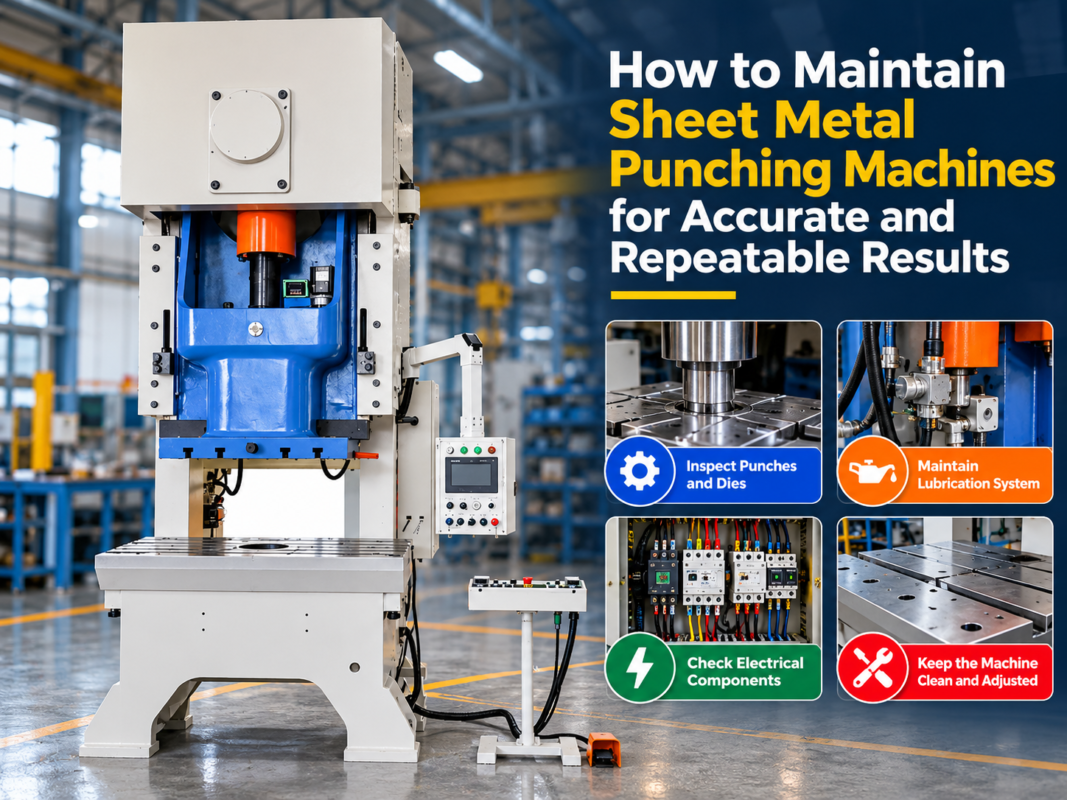
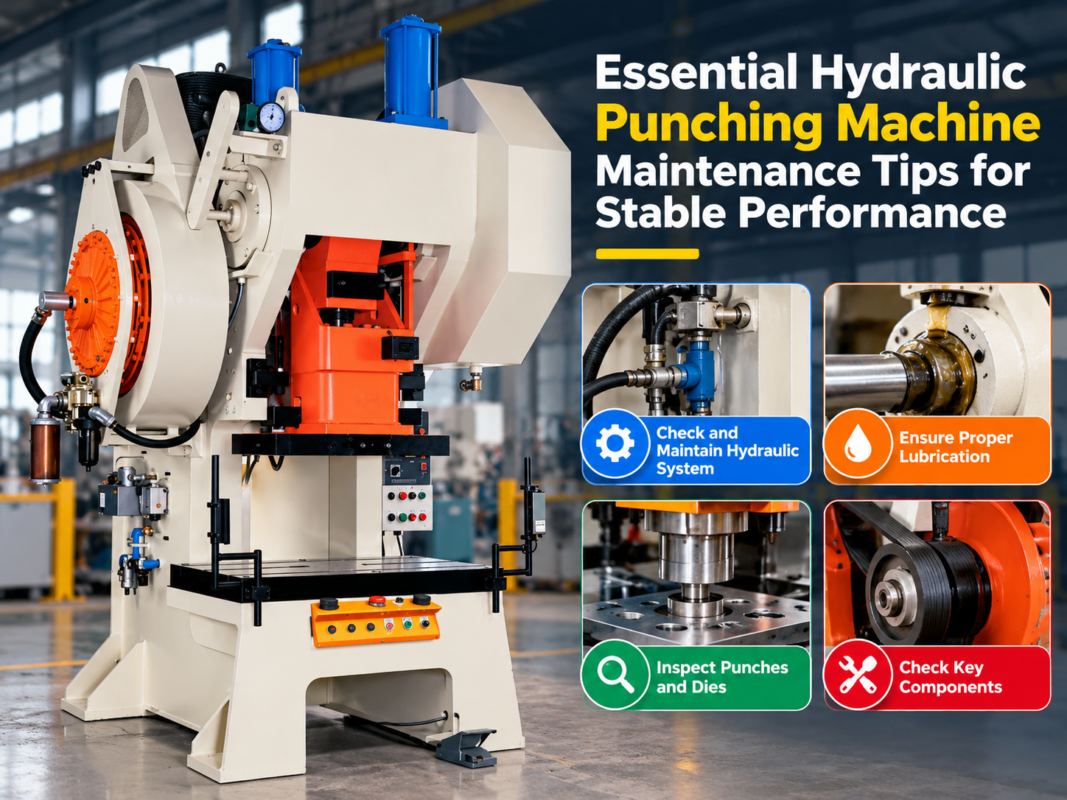
Hydraulic punching machines are synonymous with raw power and versatility. Operating on the principle of Pascal’s Law, these machines use a hydraulic pump to push oil into a cylinder, which then moves a piston to drive the punching tool. Because liquids are virtually incompressible, hydraulic systems can generate incredibly high pressures, often exceeding several hundred tons of force. This makes them the go-to choice for heavy-duty industrial applications where thick materials like stainless steel, carbon steel, and heavy aluminum are the norm.
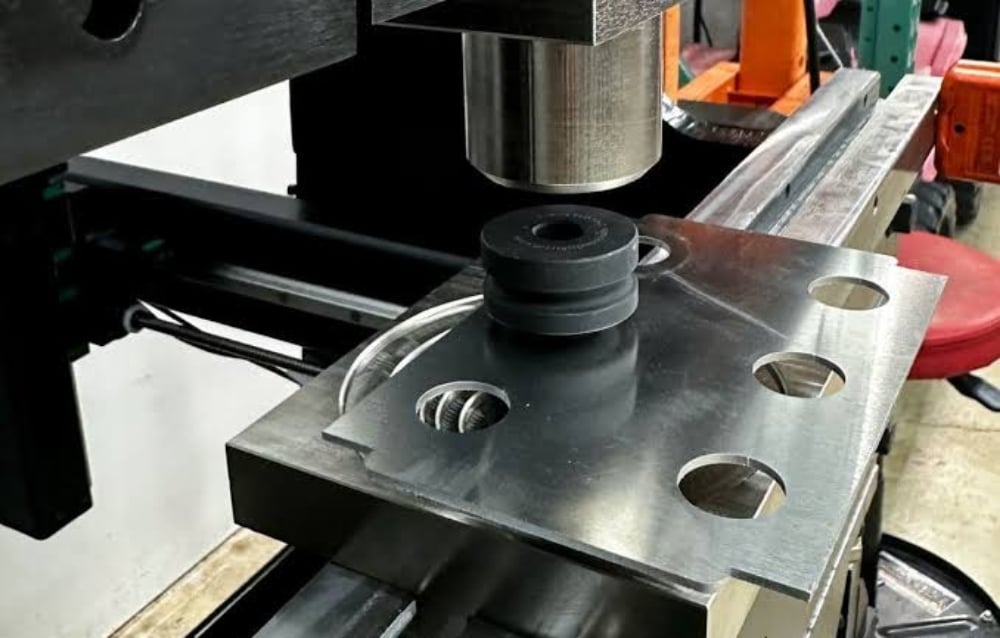
One of the standout features of a hydraulic punching machine is its ability to provide full tonnage throughout the entire stroke. Unlike mechanical or pneumatic presses that might have a ‘sweet spot’ for maximum force, a hydraulic press can deliver its maximum rated capacity at any point in the ram’s travel. This allows for greater flexibility in tooling and the ability to perform complex operations like deep drawing or forming alongside standard punching. Furthermore, modern hydraulic machines from manufacturers like HARSLE feature advanced CNC controls that allow for precise adjustment of stroke length, speed, and pressure, significantly reducing the risk of material deformation.
However, this power comes with certain trade-offs. Hydraulic systems are inherently more complex than their pneumatic counterparts. They require a dedicated hydraulic power unit (HPU), which includes a reservoir, pump, cooling system, and various valves. This complexity often results in a larger physical footprint and a higher initial purchase price. Additionally, hydraulic machines are generally slower in terms of cycle speed compared to pneumatic machines. The movement of oil through valves and cylinders takes more time than the movement of air, making hydraulics less ideal for ultra-high-speed, light-duty production runs.
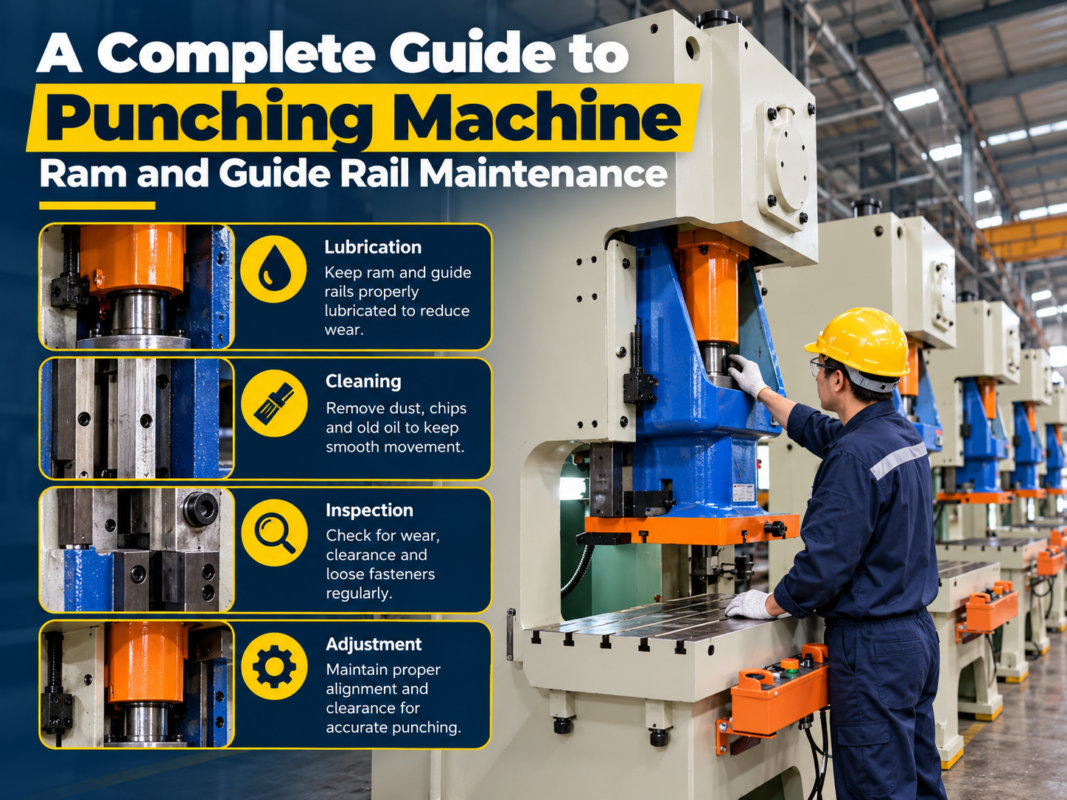
Maintenance is another critical factor for hydraulic systems. The hydraulic oil must be kept clean and at the correct temperature to ensure consistent performance. Over time, seals can wear out, leading to potential oil leaks which can create a messy and hazardous work environment if not addressed promptly. Despite these challenges, the durability and sheer force of a hydraulic punching machine make it an indispensable tool for any facility dealing with heavy-gauge metal or requiring high-precision forming capabilities.
Pneumatic Punching Machine Overview: Speed and Efficiency
Pneumatic punching machines represent the pinnacle of speed and simplicity in the punching world. By utilizing compressed air, these machines can achieve rapid-fire cycle times that hydraulics simply cannot match. In a typical pneumatic setup, air is drawn from a central compressor, filtered, and then directed into a cylinder to move the punch. Because air is highly compressible and moves quickly through lines, the ram can extend and retract almost instantaneously, making these machines perfect for high-volume production of small, thin parts.
The simplicity of pneumatic systems is one of their greatest advantages. They have fewer moving parts than hydraulic systems, which generally translates to lower maintenance requirements and a longer service life for the components. There is no oil to change, no filters to replace (other than air filters), and no risk of hydraulic fluid leaks contaminating the workspace. This ‘clean’ operation makes pneumatic punching machines particularly popular in the electronics, medical device, and food packaging industries where cleanliness is paramount.
From a cost perspective, pneumatic punching machines are usually more affordable upfront. They do not require an expensive hydraulic power unit, and many shops already have a central compressed air system in place. However, it is important to note that while the machine itself is cheaper, the cost of generating compressed air can be high. Air compressors are notoriously energy-inefficient, and a significant portion of the energy used to compress air is lost as heat. Therefore, for very high-tonnage applications, the operational cost of a pneumatic system might eventually surpass that of a hydraulic one.
The primary limitation of pneumatic punching machines is their force capacity. Because air is compressible, it is difficult to generate and maintain the massive pressures required for thick metal fabrication. Most pneumatic punches are limited to a few tons of force, making them unsuitable for materials thicker than a few millimeters. Additionally, they lack the precise stroke control found in hydraulic systems; the ram typically moves from fully retracted to fully extended with little ability to pause or adjust pressure mid-stroke. For light-duty, high-speed tasks, however, the pneumatic punch remains the undisputed champion of efficiency.
Specification Comparison Table
To better understand the technical differences between these two types of machinery, refer to the following comparison table. This data highlights the key performance metrics that influence the decision-making process for industrial buyers.
| Feature | Hydraulic Punching Machine | Pneumatic Punching Machine |
|---|---|---|
| Power Source | Hydraulic Oil (Pressurized) | Compressed Air |
| Maximum Force | Very High (Up to 500+ Tons) | Low to Medium (Typically < 20 Tons) |
| Cycle Speed | Moderate (10-60 strokes/min) | Very High (Up to 400+ strokes/min) |
| Precision/Control | Excellent (Variable stroke/pressure) | Basic (Fixed stroke) |
| Maintenance | High (Oil changes, seal checks) | Low (Air filter, lubrication) |
| Noise Level | Moderate (Pump hum) | High (Air exhaust ‘pop’) |
| Initial Cost | Higher | Lower |
| Material Suitability | Thick plates, hard alloys | Thin sheets, soft metals, plastics |
Best-fit Applications: Where Each Machine Excels
Choosing the right machine often comes down to the specific application. In the world of heavy industry, such as shipbuilding, bridge construction, and heavy machinery manufacturing, the Hydraulic Punching Machine is the only viable option. These sectors require the ability to punch large diameter holes through thick structural steel. The hydraulic system’s ability to maintain constant pressure ensures that the hole is clean and the surrounding material is not warped by the sheer force of the impact.
In contrast, the Pneumatic Punching Machine finds its home in the assembly lines of consumer electronics and automotive trim. Imagine a production line that needs to punch thousands of small holes in thin aluminum brackets every hour. A hydraulic machine would be overkill and far too slow for this task. The pneumatic punch can keep up with the fast pace of the conveyor belt, providing consistent results with minimal downtime. It is also widely used for secondary operations like de-burring, small-scale bending, and riveting.
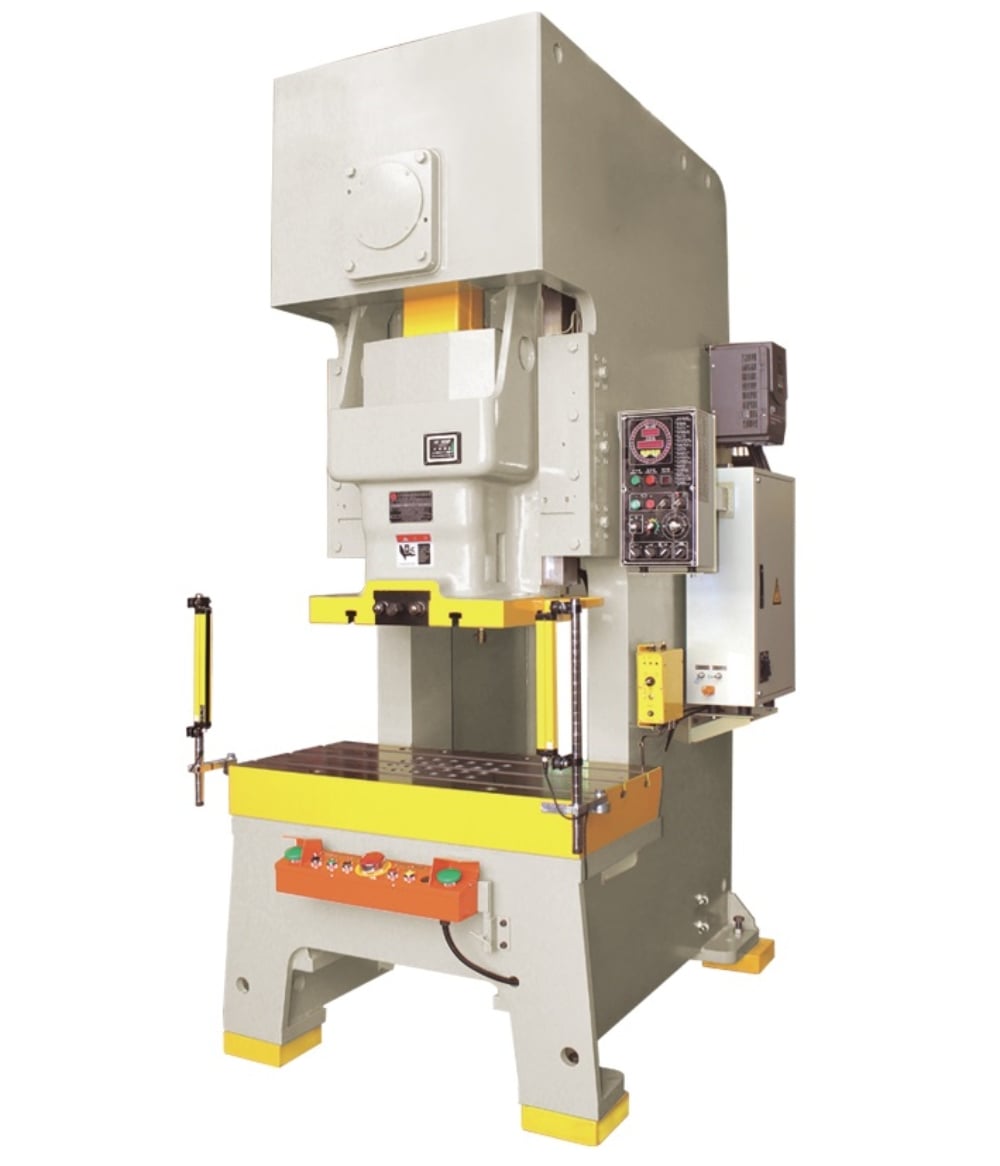
Another area where hydraulics excel is in custom fabrication and prototyping. Because the stroke can be precisely controlled, operators can use a hydraulic punch for delicate operations where they need to ‘feel’ the material. This is particularly useful when working with expensive alloys where a single mistake can be costly. Conversely, pneumatics are preferred in ‘set and forget’ environments where the same simple operation is repeated millions of times with little variation.
Finally, consider the environment. If your facility is a ‘clean room’ or handles sensitive electronic components, the pneumatic machine’s lack of oil makes it the safer choice. However, if you are in a rugged foundry or a traditional machine shop where heavy lifting is the norm, the robust nature of a hydraulic system will better withstand the harsh conditions. HARSLE offers a range of both machines, ensuring that regardless of the application, there is a solution that fits the technical and environmental requirements of the client.
Cost and Maintenance Comparison: Long-term Investment
When analyzing the total cost of ownership (TCO), the initial price tag is just the beginning. For a Hydraulic Punching Machine, the initial investment is significant. You are paying for a high-pressure pump, a complex valve manifold, and a heavy-duty frame designed to withstand immense stress. Over time, you must also budget for hydraulic oil changes, which can be expensive depending on the reservoir size. Filters must be replaced to prevent contaminants from damaging the pump, and seals will eventually need to be swapped out to prevent leaks. However, because these machines are built for heavy use, they often have a very high resale value and can last for decades if properly maintained.
The Pneumatic Punching Machine offers a much lower barrier to entry. The machines are simpler to manufacture and therefore cheaper to buy. Maintenance is generally limited to ensuring the air supply is dry and lubricated. Moisture is the enemy of pneumatic systems, as it can cause internal corrosion and freezing in the valves. Therefore, investing in a high-quality air dryer is a hidden but necessary cost. While the machine itself is low-maintenance, the energy cost of the air compressor can be a significant monthly expense. In some cases, the electricity required to run a large compressor for a fleet of pneumatic punches can exceed the cost of running a single large hydraulic unit.
From a labor perspective, hydraulic machines may require more specialized technicians for repairs. Troubleshooting a complex hydraulic circuit requires a deep understanding of fluid power. Pneumatic systems, being simpler, can often be maintained by general in-house maintenance staff. This can lead to faster repair times and lower service fees. However, a catastrophic failure in a hydraulic system (like a pump blowout) is much more expensive than replacing a pneumatic cylinder. Buyers must weigh the high-performance capabilities of hydraulics against the operational simplicity and lower upfront cost of pneumatics.
Recommendation: How to Choose for Your Facility
So, Hydraulic Punching Machine Vs Pneumatic Punching Machine: Which Is More Suitable Industrial Use? The answer depends on a three-step evaluation of your production needs. First, look at your material. If you are consistently working with materials thicker than 3mm or high-strength alloys, a hydraulic punching machine is almost certainly the correct choice. The force required to shear through thick metal cleanly cannot be reliably provided by air pressure alone without an impractically large pneumatic cylinder.
Second, consider your production volume. If your goal is to produce tens of thousands of parts per day and the material is thin (like 1mm aluminum or plastic), the speed of a pneumatic machine will provide a much better return on investment. The faster cycle times directly translate to lower per-part costs. However, if your production is more varied, involving different thicknesses and complex shapes, the versatility and control of a hydraulic machine from HARSLE will serve you better in the long run.
Third, evaluate your existing infrastructure and budget. Do you already have a robust central air system with excess capacity? If so, adding pneumatic punches is easy and cost-effective. If you are starting from scratch and need a machine that can ‘do it all,’ a self-contained hydraulic unit might be the better anchor for your shop. Ultimately, HARSLE recommends that high-growth shops often benefit from having both: hydraulics for the heavy lifting and pneumatics for the high-speed finishing work. By diversifying your machinery, you ensure that you can take on any contract that comes your way, regardless of the material specifications.
FAQ: Common Questions About Punching Machines
1. Can a pneumatic punching machine be used for stainless steel?
Yes, but only for very thin gauges. Stainless steel is much harder than mild steel or aluminum, requiring significantly more force to punch. For anything thicker than 1.5mm, a hydraulic machine is recommended to ensure a clean cut and to prevent premature wear on the tooling.
2. Which machine is noisier?
Generally, pneumatic machines are perceived as noisier due to the sharp ‘pop’ of the air exhausting after each stroke. While hydraulic machines have a constant hum from the motor and pump, they don’t usually produce the sudden, high-decibel blasts associated with pneumatics. However, silencers can be added to pneumatic exhausts to mitigate this.
3. Is hydraulic oil environmentally friendly?
Standard hydraulic oil is a petroleum product and must be disposed of as hazardous waste. However, there are now biodegradable, vegetable-based hydraulic fluids available. Pneumatic machines are often considered ‘greener’ because they use air, but the high energy consumption of the compressor must be factored into the total environmental impact.
4. How often should I change the oil in a hydraulic punch?
Most manufacturers, including HARSLE, recommend a full oil change every 2,000 to 4,000 hours of operation, or at least once a year. Regular oil analysis can help extend this interval by monitoring the actual condition of the fluid.
5. Can I convert a pneumatic machine to hydraulic?
Technically, it is very difficult and usually not cost-effective. The frames of pneumatic machines are often not designed to handle the much higher forces generated by hydraulic cylinders. It is almost always better to purchase the machine designed for the specific power source you intend to use.